Review · PHUKET
SSI | Padi Open Water Course in Phuket
Phuket’s three-day open-water course takes you from a first pool session in Chalong to clear-water training around Racha Yai and Racha Noi. You learn the basics, practice with full equipment, then use those skills in the sea while looking for marine life and shipwrecks. It is a quick but serious route to an internationally accepted scuba qualification.
I like the small groups, capped at eight, because an instructor can keep a close eye on nervous beginners. I also like the all-in setup: equipment, boat transfers, hotel transport in key Phuket areas, meals, insurance, and five open-water sessions are included. Instructors named in the course feedback include Olivier, Pommie, OotDy, Ned, and Pomme, with particular praise for calm, patient teaching.
The main point to check is the certification name. The experience is presented as both SSI and PADI in different places, while the inclusions specify SSI materials and certification. Ask SSS Phuket to confirm exactly which agency card you will receive before paying.
Key points at a glance
- Three days from theory to certification: Start with equipment setup and water skills in Chalong before moving to two full days at sea.
- Five open-water sessions included: Racha Yai offers gentler conditions for practice, while Racha Noi is known for especially clear water.
- Small groups help beginners: The maximum group size is eight, and instructors have been praised for steady, reassuring instruction.
- Most costs are covered: Gear, insurance, boat transfers, hotel transport from Patong, Kata, Karon, and Chalong, breakfasts, and lunches are included.
- Plan around your flight: You should not scuba within 18 hours of flying, and certain medical conditions may prevent participation.
- A good value for a real qualification: At $505.13 per person, the price is higher than a sightseeing boat trip, but it includes training, certification, equipment, and five sea sessions.
What the three-day course really gives you
This is not a quick introduction followed by one scenic swim. You spend the first day learning how scuba equipment works and practicing key skills at the surface and underwater. The next two days put that training into open water, with five sessions spread between two island areas.
That structure matters. Beginners often need time to get comfortable with breathing through a regulator, managing buoyancy, clearing equipment, and staying calm underwater. A pool-based first day gives you a controlled place to work through those basics before conditions become less predictable at sea.
The course is also compact. You can finish in three days, which suits a short Phuket stay, but the schedule is busy. You will need to be ready for early starts, full days around the water, and a fair amount of concentration. This is best treated as a course with holiday scenery, not simply a relaxed boat outing.
The experience is listed at $505.13 per person. I consider that a reasonable package price for someone who wants a recognized qualification rather than a single try-out session. The fee includes the SSI instructor fee, study materials, certification, scuba equipment, insurance, two breakfasts, two lunches, and transport on the second and third days.
The value is strongest if you need to rent all your equipment and would otherwise pay separately for boat transport and certification. The value is less obvious if you only want to see fish for an hour or two. In that case, a shorter introductory session may better match your plans, though it would not provide the same qualification.
More PADI Courses in Phuket
- Full-Day Beginner Scuba Course with Private Tuition, Racha Yai
★ 5.0 · 368 reviews - PADI Discover Scuba Diving for Beginners (Non Certified Divers)
★ 5.0 · 78 reviews - Freediving in Phuket – SSI – AIDA – Molchanovs – PADI
★ 5.0 · 26 reviews
Day one in Chalong: learning without pressure
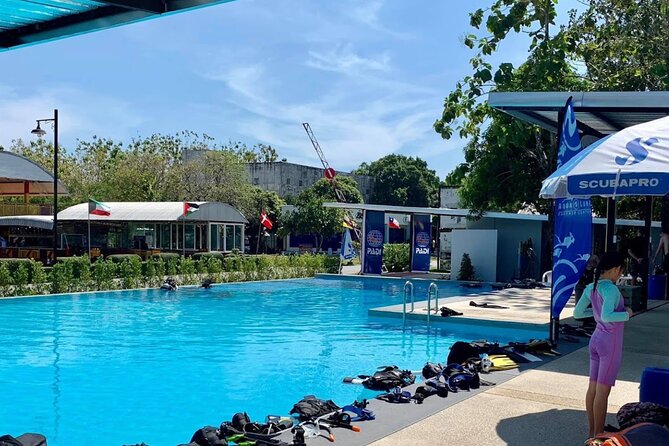
The first day takes place in Chalong and lasts about five hours. You begin by setting up your equipment, then work on basic skills at the surface and underwater. The course description does not give a separate classroom timetable, so expect the day to combine theory with hands-on practice.
This is the day when a good instructor matters most. The strongest teaching comments describe instructors who took time with anxious beginners and did not rush them through a skill before they felt ready. Olivier is singled out for careful planning and calm instruction, while Pomme and OotDy are praised for making first-time participants feel safe. Ned is also mentioned as a friendly teacher who covered the basics and safety procedures clearly.
You may be nervous at first. That is normal, but do not hide it. Tell the instructor if you need more time with a mask, regulator, buoyancy control, or any other skill. The course feedback makes clear that the instructors have worked with people who felt anxious and were willing to slow down when needed.
The first day is also where you find out if scuba suits you. You will be asked to complete a health questionnaire before taking part. Asthma, heart conditions, and other medical issues can affect your ability to participate, so check with a doctor before booking if you have a relevant condition.
Bring a swimsuit, sun protection, and a change of dry clothes. The operator supplies scuba equipment, but the supplied details do not specify what personal items are provided. You should also tell the operator about dietary needs when booking.
Day two at Racha Yai: the gentler sea setting
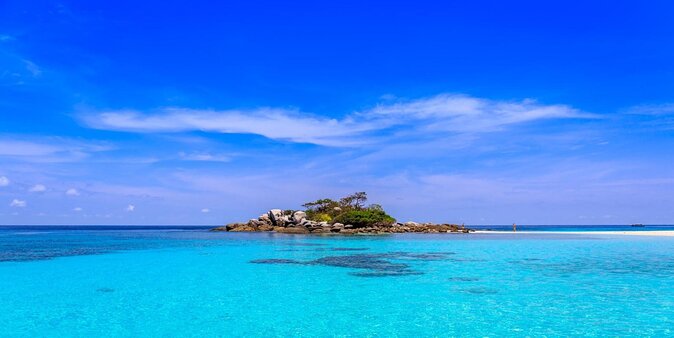
Day two moves offshore to Koh Racha Yai, an island south of Phuket known here for clear water, relatively weak current, and marine life. You spend about six hours on this part of the course, with each underwater session lasting about 50 minutes.
Racha Yai is a sensible place to put pool skills to work. The weaker current can make it easier to concentrate on breathing, buoyancy, communication, and staying with your instructor. You still have the normal challenges of open water, but the setting is described as well suited to practice.
The day includes boat transport and lunch, and transport from hotels in Patong, Kata, Karon, and Chalong is included. Breakfast is also listed among the inclusions, though the exact serving time and menu are not specified. Ask about pickup timing when you confirm your booking, especially if you are staying outside those areas.
There is a practical rhythm to a day like this. You travel to the island, prepare your equipment, complete a session, rest, and repeat the process. The five sessions across days two and three are not simply scenic stops. They are part of your required training, so the instructor will be watching your skills as well as pointing out marine life.
The reviews point to one useful benefit of this format: you get real practice without being left to figure things out alone. If you feel uneasy on the first sea session, say so early. The instructors have been praised for patience, and it is far better to ask for help than to pretend you are comfortable.
Day three at Racha Noi: clearer water and a longer day
The final day takes you to Ko Racha Noi, described as a wilder, more preserved island with the best underwater visibility in the Phuket area. This is the longest day, at about seven hours, so plan for a full boat outing rather than a short morning activity.
Racha Noi gives you a different setting from Racha Yai. The first island is presented as the easier practice area, while the second offers clearer water and a more remote feel. That contrast is useful during training: you begin with manageable conditions, then apply your skills in a setting that can feel more open and natural.
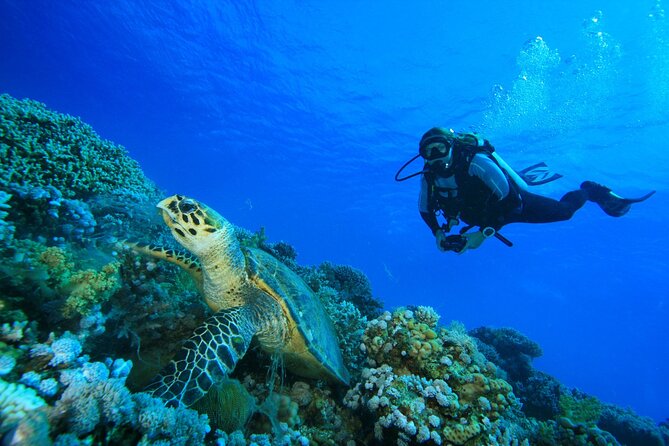
The course description also mentions marine life, shipwrecks, and attractive views above and below the water. Exact wildlife sightings are not guaranteed, and no particular wreck is named, so you should treat those as possible highlights rather than promises. Visibility changes with weather and sea conditions.
The day can be tiring. Seven hours around the water, combined with concentration and equipment work, is a lot for someone new to scuba. Eat the included breakfast, use the lunch break well, and do not underestimate the value of rest between sessions. You will get more from the final day if you arrive rested rather than trying to fit a late night into the previous evening.
Poor weather can also alter the plan. The course requires suitable conditions, and if weather forces cancellation, you will be offered another date or a full refund. That is useful protection, but it means you should leave some flexibility in your Phuket schedule.
More PADI Courses in Thailand
- From Phuket: 3-Day SSI/PADI Open Water Diver Certification
★ 5.0 · 24 reviews - La Bombona Diving Koh Tao Open Water Course
★ 5.0 · 172 reviews - Padi open water diver course, become a diver in 3 days
★ 5.0 · 113 reviews - Become certified diver in 3 days – PADI Open Water Diver course on Koh Tao
★ 5.0 · 104 reviews
The instructors and the value of a small group
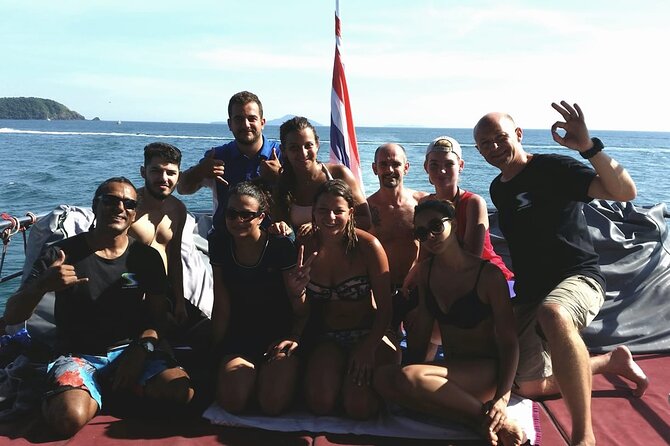
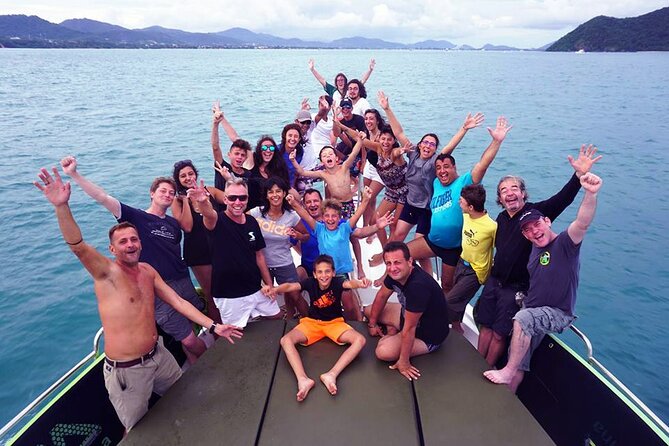
The maximum group size is eight. That is not a private lesson, but it is small enough to make a real difference during beginner training. An instructor can watch your equipment checks, respond to questions, and notice when you are struggling with a skill.
The course feedback gives you several names to request when booking. Olivier is described as organized and particular about planning each session carefully. Pommie and Pomme are praised for friendly, reassuring instruction, while OotDy is noted for helping nervous beginners feel confident. Ned is described as a warm teacher who covered both safety and basic technique.
Instructor availability is not guaranteed, and the course may be operated by a multilingual guide. Still, naming a preferred instructor in your booking message could be worthwhile if one is available. The important thing is not a particular name but the teaching approach: patient, clear, and willing to repeat a skill until you are ready.
That matters more than flashy underwater scenery. A first qualification should leave you with safe habits and enough confidence to continue learning. The strongest aspect of this experience is the combination of close supervision and gradual progression from pool to sea.
What is included, and what is not
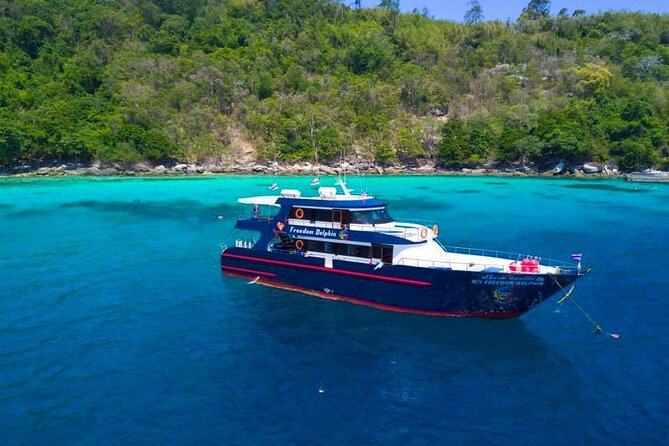
The package covers most of the expensive practical elements:
- SSI instructor fee, course materials, and certification
- Scuba equipment
- Taxi transfers on days two and three from Patong, Kata, Karon, and Chalong
- Boat transfers
- Insurance
- Two breakfasts
- Two lunches
Souvenir photographs are not included, but you can purchase them if available. The details do not state the price or how many photos you receive, so do not count photography as part of the package value.
Hotel pickup is offered, but the listed transfer zones are specific. If you are staying elsewhere in Phuket, check before booking rather than assuming a door-to-door transfer. The meeting point is Win Jeang Swimwear at Kata Beach, and the stated start time is 9:00 a.m. The activity ends back at the meeting point.
The course is mobile-ticket enabled, and confirmation is provided at booking. Public transport is nearby. Most people can participate, but scuba has medical requirements, so the health questionnaire is not a formality.
The SSI and PADI wording needs a clear answer
The experience name refers to both SSI and PADI. The overview describes a PADI open-water certification and says PADI is accepted around the world. The included services, however, specify an SSI instructor fee, SSI materials, and SSI certification.
Both agencies are widely recognized, but they are separate certification organizations. If you have a future course, dive center, or employer in mind, the exact agency may matter. Contact SSS Phuket before booking and ask three direct questions:
- Is the final card SSI or PADI?
- Which course materials will I study?
- Is the quoted price still correct for that certification?
Do not assume the wording will sort itself out at check-in. This is the one notable point that needs clarification before you commit.
Who should book this course?
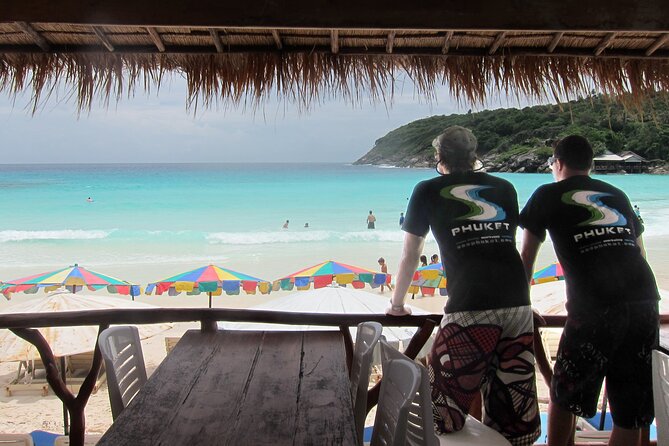
I would recommend it to a first-time scuba student who wants a full qualification during a Phuket holiday. It suits you especially well if you value patient instruction, want a small group, and prefer an organized package with transport and equipment already arranged.
It also works for couples or friends who want to train together. One person may feel more nervous than the other, and the instructors have experience helping anxious beginners progress without pressure.
This is less suitable if you only have one free day, dislike long boat outings, or want a loose sightseeing schedule. Three days are required, and day three can last about seven hours. You also need to keep at least 18 hours between your final scuba session and a flight, so do not schedule the course right before flying home.
The average booking lead time is seven days. That is not a strict rule, but it is a good reason to reserve ahead if your Phuket dates are fixed.
Should you book the Phuket open-water course?
Book it if you want more than a holiday snapshot. The course gives you a clear progression, five sea sessions, a recognized certification, a small group, and practical costs bundled into one price. Racha Yai provides the easier setting for early sea practice, while Racha Noi adds clearer water and a more remote final day.
Before paying, confirm the SSI or PADI credential, check that your hotel falls within the transfer area, and protect the 18-hour no-fly window. If those details suit your plans, $505.13 is a fair price for three days of instruction, equipment, meals, transport, insurance, and certification.
FAQ
How long does the course last?
The course lasts approximately three days. Day one takes about five hours, day two about six hours, and day three about seven hours.
Where does the course begin?
The meeting point is Win Jeang Swimwear at Kata Beach. The stated start time is 9:00 a.m., and the activity ends back at the meeting point.
Are hotel transfers included?
Taxi transfers are included on days two and three from the Patong, Kata, Karon, and Chalong areas. Check with the operator if you are staying outside those areas.
How many open-water sessions are included?
Five open-water sessions are included. Day two takes place around Racha Yai, and day three takes place around Racha Noi.
Is scuba equipment provided?
Yes. Scuba equipment is included in the price.
Are meals included?
Yes. Two breakfasts and two lunches are included.
Is certification included?
Yes. The inclusions specify the instructor fee, study materials, and certification. The details use both SSI and PADI wording, so confirm which agency will issue your final certificate.
Can I fly immediately after the course?
No. Scuba within 18 hours of flying is not recommended. Plan your final session with that time gap in mind.
What happens if bad weather cancels the course?
If poor weather causes cancellation, you will be offered a different date or a full refund. Free cancellation is also available when you cancel at least 24 hours before the start time.
Newly logged dives around Phuket
- Phuket: Coral Reef Scuba Diving Experience at G Beach Club★ 4.9 · 32 reviews
- Phuket: 3 Dive Koh Phi Phi/Shark Point Scuba Diving Day Trip★ 5.0 · 4 reviews
- Phuket: Khai Islands Tour Or Scuba Diving Options★ 4.7 · 17 reviews
- From Phuket: 3-Day SSI/PADI Open Water Diver Certification★ 5.0 · 24 reviews
- Phuket Scuba Diving Maiton Private Island Small Group or Snorkel★ 5.0 · 9 reviews
- Phuket: Racha Island Snorkeling or Scuba Diving Tour★ 4.3 · 70 reviews
- Freediving in Phuket – SSI – AIDA – Molchanovs – PADI★ 5.0 · 26 reviews
- 3 Fun Dives King Cruiser Wreck and Koh DokMai for Certified diver★ 5.0 · 10 reviews
PADI Courses & Certification, side by side.
Tossa de Mar: PADI Discovery Scuba Diving in Costa Brava
Read our review →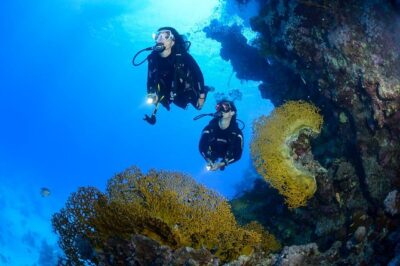
Full-Day Beginner Scuba Course with Private Tuition, Racha Yai
Read our review →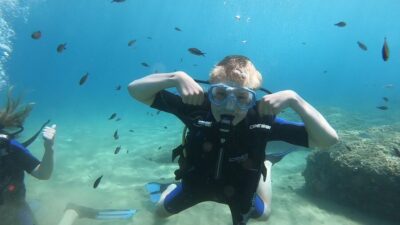
Heraklion: Beginner Scuba Diving Lesson with PADI Instructor
Read our review →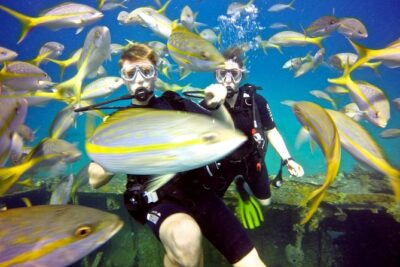
Discover Scuba Diving with No Certification in St Thomas
Read our review →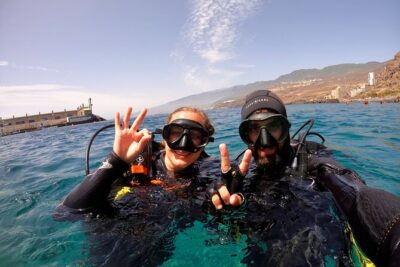
Try Dive – PADI Discover Scuba Diving in Tenerife
Read our review →