Review · BARCELONA
Barcelona: PADI Discover Scuba Diving
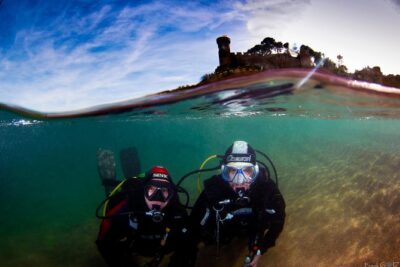
Barcelona’s best feature for a first scuba experience is its gentle beach entry. You do not have to leap from a boat or cope with a sudden drop. After a 35-minute briefing, you can take your time getting used to the mask, tank, breathing, and water pressure. I like the small groups of up to six and the patient teaching from guides such as Pau, Alex, Hugo, Pol, and David. The main catch is visibility: the water can be murky, and some people wish they had more time below the surface.
I also like that this is a real tryout, not a crowded photo stunt. Instructors stay close, teach hand signals, and adjust the pace when a beginner feels nervous. You should arrive early, bring your own towel and swimwear, and be ready for the possibility that ear pressure or nerves may limit your time underwater.
Key points before you book
- Beach entry makes the first descent gentler: You can adjust to the water and pressure step by step.
- A 35-minute briefing comes first: You learn equipment use, hand signals, and the plan before entering the water.
- Groups are capped at six people: You get closer support than on a large group outing.
- Instructors work at a calm pace: Guides including Pau, Alex, Hugo, Pol, David, and Yazine have helped nervous beginners settle in.
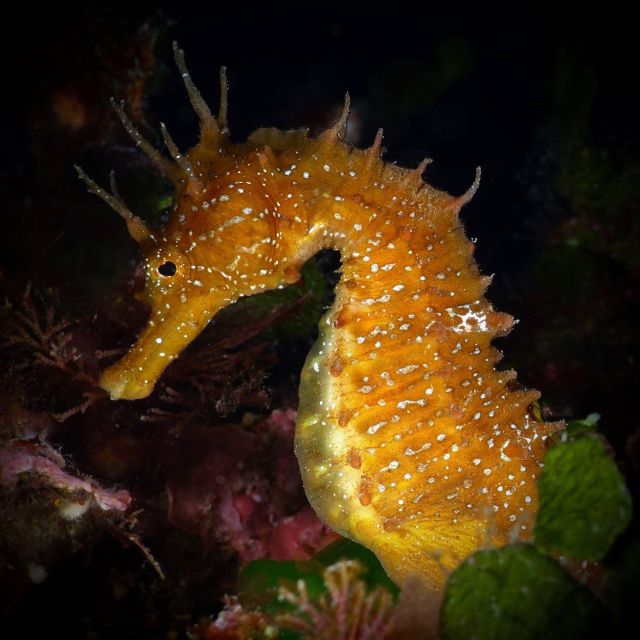
- Marine life can include octopus and stingrays: Fish, crustaceans, coral, and other sea life are possible sightings.
- Photos or video are included: Bring a phone for digital registration, but do not expect every session to produce the same visibility or footage.
What this Barcelona scuba session is really like
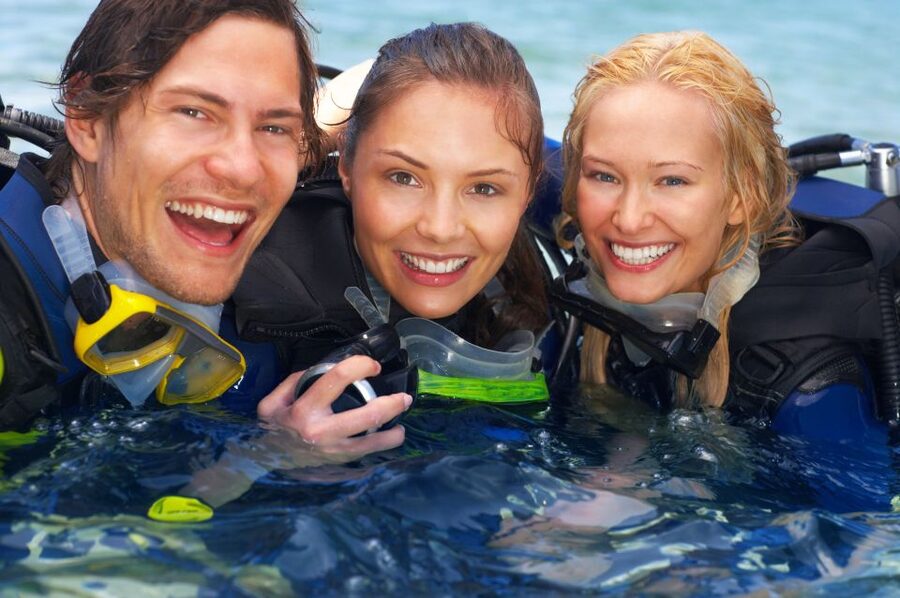
This is an introductory scuba activity for people with no previous experience. It is not a certification course, and it is not designed to teach every skill needed for independent scuba. Instead, it gives you a controlled first look at breathing underwater, handling equipment, and moving below the surface with an instructor beside you.
The full appointment lasts two hours. That includes instruction, changing, equipment fitting, and time in the water. The actual time underwater can be about an hour, but that figure depends on your breathing rate and comfort. If you breathe quickly because you are tense, you will use the tank air faster.
That detail matters. A calm swimmer may spend much longer below the surface than someone who needs several attempts to get comfortable. The staff do not treat this like a race. Several beginners have needed help with breathing, panic, or ear pressure, and the instructors have allowed them to proceed slowly or remain near the surface.
The price is $81 per person. For that fee, you receive the equipment, diving insurance, an instructor, and photos or video from the session. You must provide your own swimwear and towel. The value is strongest if you want a low-commitment way to find out if scuba suits you. If your goal is a formal certificate, this is only the first step, not a substitute for a full course.
More Discover Scuba Diving in Spain
- Mallorca: Discover Scuba Diving for Beginners
★ 4.7 · 805 reviews - Lanzarote Introductory Scuba Diving Experience
★ 5.0 · 766 reviews - Gran Canaria: Try Scuba Diving for Beginners
★ 4.9 · 403 reviews
The 35-minute briefing gives you a useful start
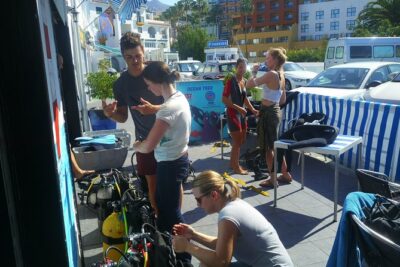
The session begins with a briefing lasting about 35 minutes. This is the part to take seriously, even if you are eager to get into the water. Your instructor explains how the equipment works, how to communicate with hand signals, and how the activity will unfold.
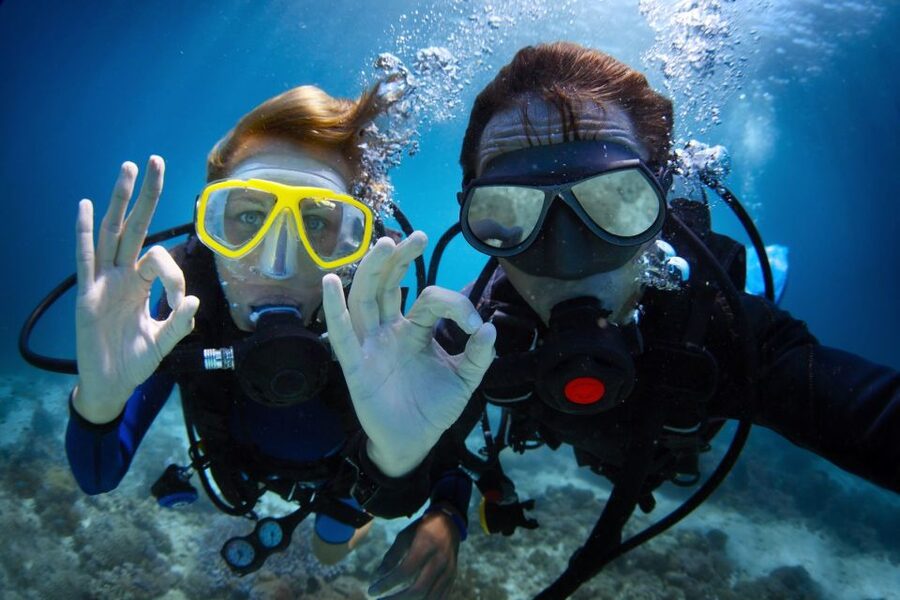
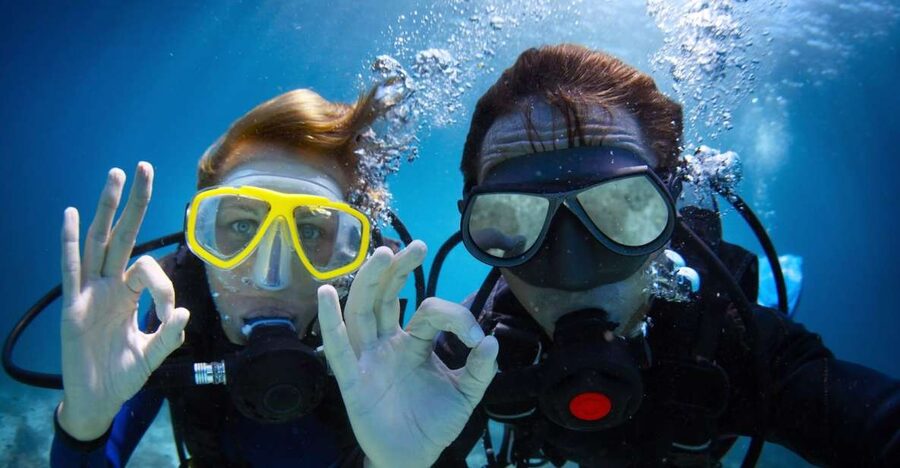
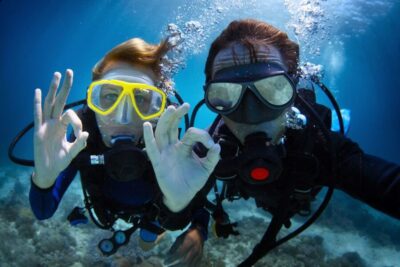
For a first-time participant, the hand signals are especially useful. Once you are underwater, normal conversation disappears. You need simple ways to tell your instructor that you are fine, need to stop, or want help. Learning those signals on land means you can focus more on breathing once you are below the surface.
The equipment lesson also takes some mystery out of the tank, mask, wetsuit, and boots. You will not be left to figure out unfamiliar gear while standing in the water. The instructor can check your fit and answer questions before the session begins.
The teaching languages are Spanish, English, French, Italian, and Catalan. That is a practical advantage if you are nervous about technical instructions. Ask for the language in which you can best understand safety guidance, especially if you have never used scuba equipment before.
Changing into the wetsuit and boots
After the briefing, you get fitted with the provided wetsuit and boots in the changing room. Bring swimwear to wear underneath, along with a towel for afterward. A phone is also required for digital registration, with one phone per person.
The operator uses a private area. When you reach the fence with the company logo, you should call the supplied phone number or wait for one of the guides to let you in. Build in extra time for finding this entrance. The meeting instructions are specific, and arriving at the last second creates needless stress.
You must arrive 15 minutes before the scheduled start. Anyone arriving after the activity begins will not be allowed to participate, with no refund or rescheduling for lateness. That is strict, so plan your route with room for delays.
Wheelchair access is available, though the supplied information does not explain every part of the route or changing setup. If you need detailed assistance, confirm the arrangements before booking.
Why the beach entry helps first timers
The group reaches the water after the equipment fitting, and the instructor breaks the activity into small steps. Starting at the beach gives you time to become comfortable before going farther below the surface.
This is also helpful for your ears. Pressure changes can feel strange when you first descend. A gradual entry gives you more time to adjust rather than forcing you to handle the change all at once. If your ears do not equalize, tell the instructor immediately. One participant who had trouble with pressure was still able to enjoy time swimming near the surface with help from the guide.
You should not expect to descend to one fixed depth. Your comfort, breathing, ear pressure, and general health all affect the session. One family reported that an 11-year-old reached 5.5 meters, while another child in the same group struggled with confidence. That is a good reminder that age alone does not determine how the experience will feel.
The instructors appear used to beginners freezing, panicking, or forgetting what to do with their arms and legs. Alex, Pol, David, Yazine, Hugo, and others are specifically praised for staying close, offering reminders, and helping people regain calm. You still need to follow instructions and be honest about your limits, but you do not need to arrive as a confident swimmer.
More PADI Courses in Spain
- Tossa de Mar: PADI Discovery Scuba Diving in Costa Brava
★ 4.7 · 392 reviews - Try Dive – PADI Discover Scuba Diving in Tenerife
★ 5.0 · 214 reviews - Tossa de Mar Scuba Diving PADI
★ 5.0 · 175 reviews - Ibiza: PADI Discover Scuba Diving & Snorkeling Boat Trip
★ 4.6 · 154 reviews
Underwater time, breathing, and marine life
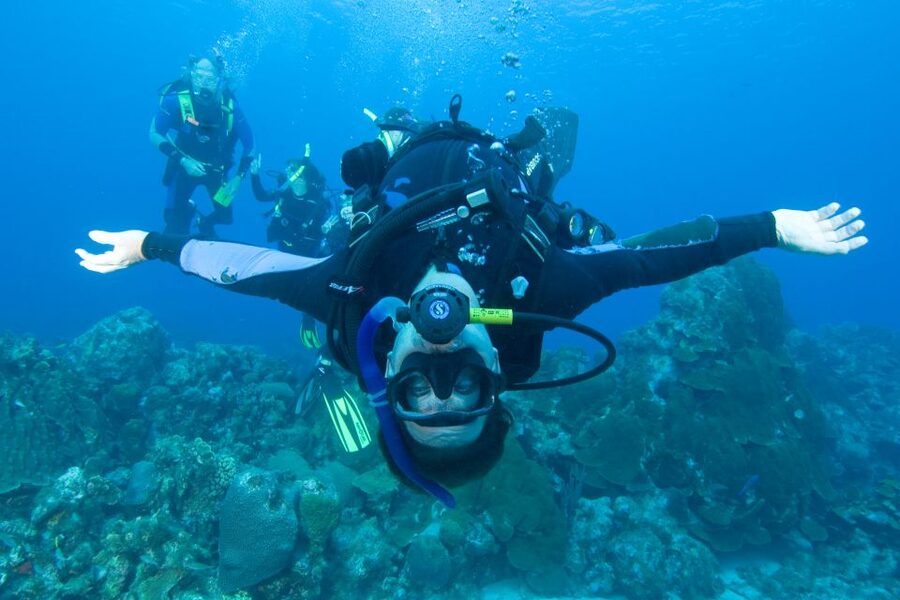
Once you are settled, the group can spend roughly an hour underwater. That is an upper guide rather than a promise. Your tank lasts according to how quickly you breathe, and nervous breathing uses air faster.
This is where the experience becomes personal. Some people relax quickly and want the session to last longer. Others need time simply to breathe through the regulator and trust the equipment. Several beginners found the first minutes daunting, then began enjoying the water after the instructor stayed close and gave calm reminders.
Barcelona’s underwater life can be a pleasant surprise. You might see fish, crustaceans, coral formations, and an octopus tucked into a hiding place. One session included a glimpse of an octopus tentacle, while another included a stingray. These sightings are possible, not guaranteed, and they depend on conditions and luck.
Visibility is the main variable. The water has been described as murky at times, making it harder to see. Even with less-than-perfect visibility, the activity can still teach you what scuba feels like. But if you are booking mainly for clear underwater views, keep your expectations moderate.
You may also find that the scenery is less dramatic than a dedicated scuba destination. This is a city-based introductory session, chosen for convenience and instruction rather than remote reefs. Its strength is getting you beneath the surface without committing to a full certification program.
Patient instructors make the biggest difference
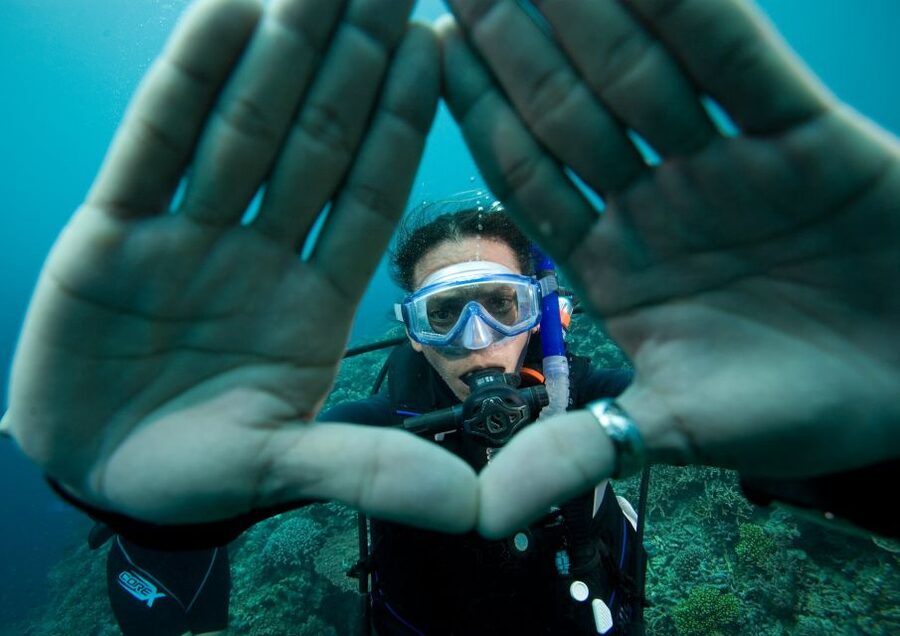
The strongest part of this experience is the human support. Beginners have worked with instructors including Pau, Alex, Hugo, Pol, David, Albert, Mai, Johan, Fernando, Lucas, and Yazine. Names and pairings vary, but the useful pattern is clear: the instructor stays involved instead of simply giving instructions from a distance.
That matters when the regulator feels unfamiliar or breathing becomes difficult. One participant who had not swum since childhood was eased into the water slowly. Another had panic during two attempts but eventually continued with support from Pol and Mitchell. A non-swimmer also described feeling safe after the instructors took time to build confidence.
I would not interpret that as proof that anyone can participate regardless of ability. You must be in good health, and the operator lists several conditions that prevent participation. Still, it shows that the staff understand how intimidating a first session can be.
Small groups help. With a maximum of six participants, the instructor has a better chance of noticing if you are uncomfortable, struggling with your mask, or breathing too fast. On a quiet day, you may even receive one-to-one attention. That cannot be guaranteed, but the group limit makes close support more likely than on a large outing.
Photos and video are a nice extra, not the main reason to go
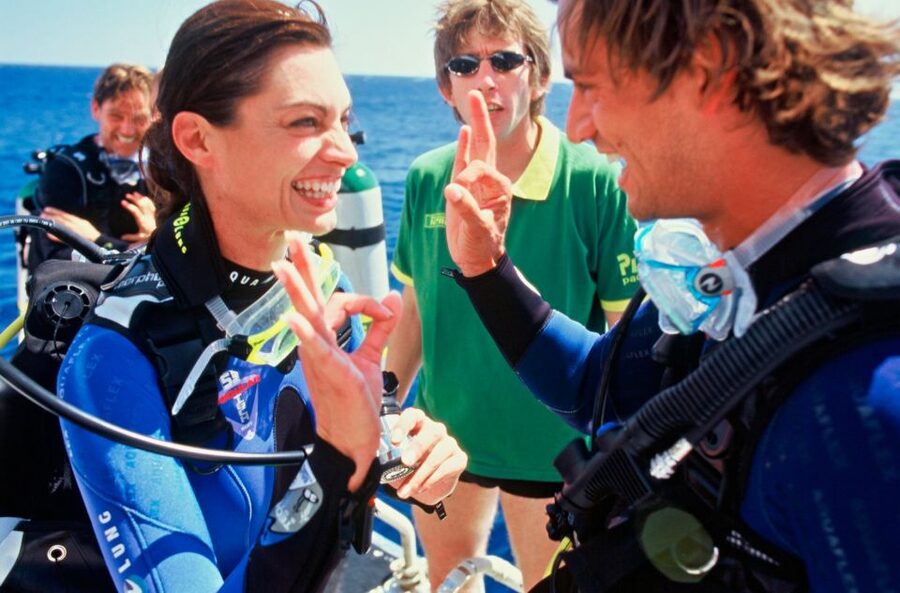
Guides take photos and video during the underwater session, and these are included. That gives you a souvenir without asking you to manage a camera while learning to breathe and move.
Keep your priorities in the right order. The best part is learning to function calmly underwater, not posing for a perfect clip. Murky conditions can affect image quality, and one participant did not receive the promised photos and video. That appears to be an occasional problem worth checking before you leave the site.
You also need your phone for digital registration, not necessarily for recording your own underwater footage. Bring it charged and ready, but keep the staff’s instructions in mind. Equipment, insurance, and the instructor are included in the stated price. A towel and swimwear are not.
Who will get the most from this experience
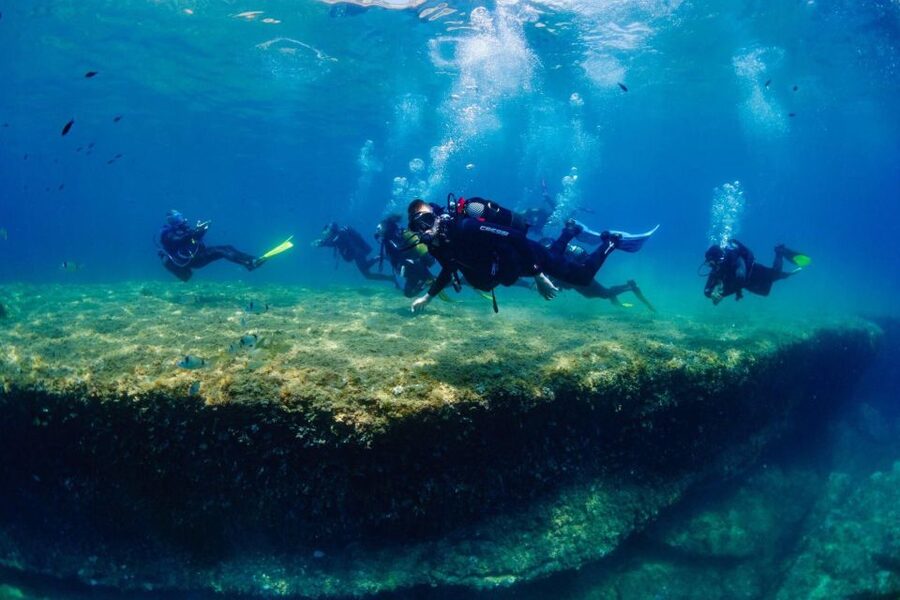
This suits you if you are curious about scuba but do not want to sign up for a multi-day course yet. It is also a good choice for a couple, family, or solo visitor who wants a guided activity near Barcelona and appreciates patient coaching.
You do not need advanced scuba skills. The session is built for beginners, and the staff teach at a measured pace. Some people with little swimming confidence have completed at least part of the experience, but you should be comfortable discussing your limits with the instructor.
It is not suitable for pregnant women or people with heart problems, diabetes, ear or lung issues, or other listed medical conditions. The operator also lists stomach or intestine problems, back problems such as a hernia, asthma, neurological injury or disease, and prescription medication as reasons you may not participate. The wording is strict: if you take prescribed medication, check before booking.
You must not fly within 12 hours after the session. Plan this around your departure. A late-day activity before a next-morning flight may not work for your schedule.
The practical value of $81
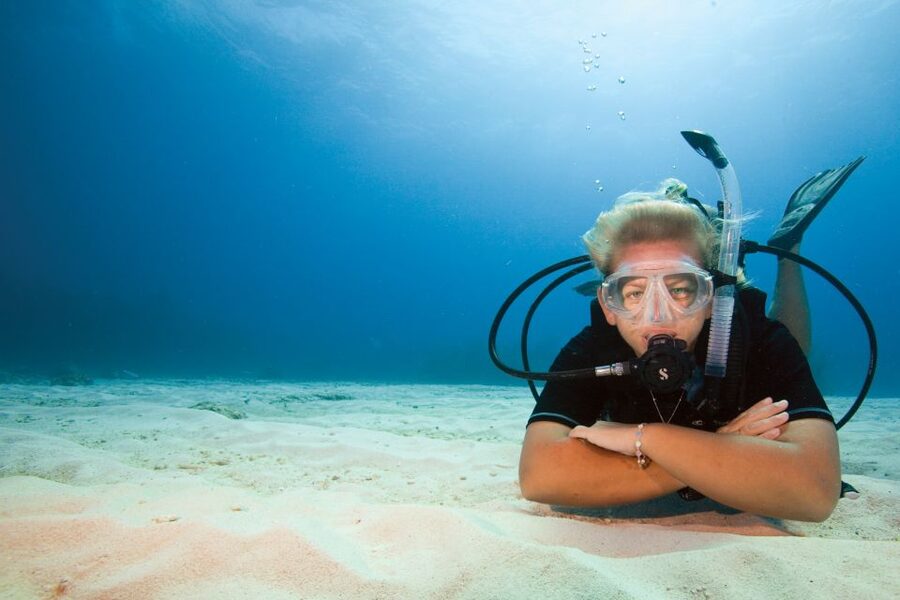
At $81, this is a fair price for a guided first experience if you use all the included elements. You receive equipment, insurance, instruction, and underwater photos or video. The small group size adds value because personal reassurance is more important here than a long list of attractions.
The price is less compelling if you expect a full certification, guaranteed clear water, or a long reef excursion. This is a taste of scuba, not a license course. You pay for a safe introduction and the chance to decide if you want to continue.
Free cancellation up to 24 hours before the activity and the option to reserve now and pay later make planning easier. Those policies are useful when weather, health, or a changing Barcelona schedule is a concern. The late-arrival rule still applies, so flexibility does not mean you can turn up late.
My booking advice
I would book this if you want a friendly first step into scuba, especially if you value close instruction more than guaranteed underwater visibility. The beach entry, small groups, multilingual staff, and patient guides make it approachable for people who feel nervous about breathing below the surface.
I would skip it if you have a listed medical condition, take prescription medication, need crystal-clear underwater scenery, or must fly within 12 hours. Also remember that the water time depends on your breathing and comfort, so do not book expecting a fixed one-hour session.
For the right person, this can do exactly what an introductory scuba experience should do: show you how it feels, let you meet the underwater world of Barcelona, and help you decide if a full certification is worth pursuing.
FAQ
How long does the Barcelona scuba experience last?
The activity lasts two hours. About 35 minutes are used for the briefing, followed by equipment fitting and time in the water.
How much does the experience cost?
The listed price is $81 per person.
Do I need previous scuba experience?
No. This is a beginner-friendly tryout for people who have never used scuba equipment before.
How long will I stay underwater?
You can generally stay underwater for about an hour, but the actual time depends on your breathing rate and comfort.
What languages do the instructors speak?
Instruction is available in Spanish, English, French, Italian, and Catalan.
What should I bring?
Bring swimwear, a towel, and one phone per person for digital registration. Swimwear and towels are not provided.
Can I fly after the activity?
You must not fly within 12 hours after the session.
What happens if I arrive late?
You must arrive 15 minutes before the scheduled start. Late arrivals cannot participate and are not eligible for a refund or rescheduling.
Newly logged dives around Spain
- Fuerteventura: Introductory Dive in La Lajita with Pickup★ 4.9 · 68 reviews
- Scuba Diving – Dive for certified divers★ 4.3 · 4 reviews
- Scuba Diving Baptism in Caleta de Fuste★ 5.0 · 34 reviews
- Santa Pola: 3-Hour Scuba Diving near Tabarca★ 4.9 · 25 reviews
- Tenerife : Diving License international in one day★ 5.0 · 7 reviews
- Santa Cruz de Tenerife: PADI Introductory Dive★ 4.8 · 23 reviews
- Salou: Scuba Diving for beginners with hotel pickup★ 4.0 · 7 reviews
- S. Tenerife: 2 Dives for Beginners (Beach + Boat Experience)★ 4.1 · 6 reviews
PADI Courses & Certification, side by side.
Tossa de Mar: PADI Discovery Scuba Diving in Costa Brava
Read our review →
Full-Day Beginner Scuba Course with Private Tuition, Racha Yai
Read our review →
Heraklion: Beginner Scuba Diving Lesson with PADI Instructor
Read our review →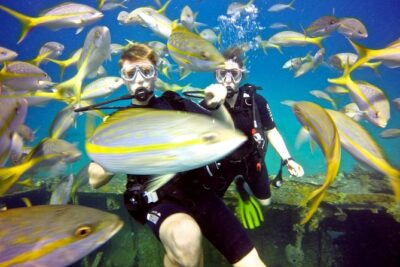
Discover Scuba Diving with No Certification in St Thomas
Read our review →
Try Dive – PADI Discover Scuba Diving in Tenerife
Read our review →