Review · CEBU
Open Water Course (PADI)
Cebu’s two-day PADI Open Water Course gives first-time scuba students a clear path into the underwater world. You meet at Scotty’s inside Shangri-La Mactan, work with instructors such as Michel and Freddie, and train in a private group rather than being folded into a large class.
I like the strong focus on careful instruction and the fact that scuba equipment, bottled water, fees, and taxes are included. I also like the convenient setting near Lapu Lapu Monument, which gives you an easy cultural stop before or after the course.
The main consideration is cost. At $400 per person, this is not a casual half-day activity, and PADI study materials, lunch, and soft drinks are extra. You should also set aside two full days and remember that poor weather can affect the schedule.
Key points to know before booking
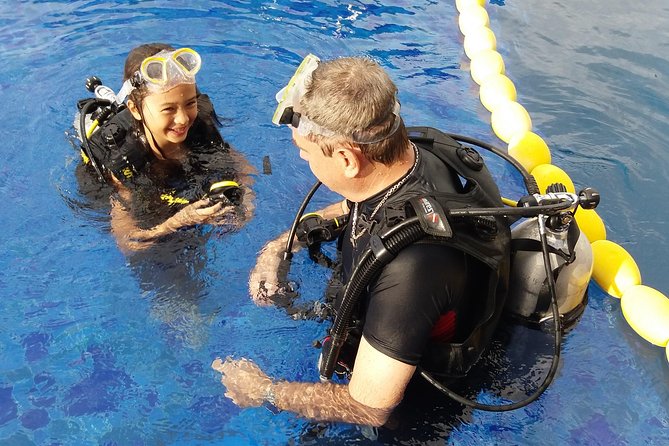
- Two days at Scotty’s Mactan: The course begins at 9:00 a.m. at Scotty’s Action Sports Network inside Shangri-La Mactan.
- Beginner-friendly training: This course is built for newcomers, as well as referral students continuing training from another center.
- Michel and Freddie lead the instruction: Their approach centers on clear explanations, safety, and working within each student’s limits.
- Equipment is included: Scuba equipment, bottled water, all fees, and taxes are covered in the listed price.
- Extra costs remain: Lunch, soda, and PADI course materials are not included.
- Private participation: Only your own group takes part, which can make instruction feel more focused.
Starting at Scotty’s inside Shangri-La Mactan
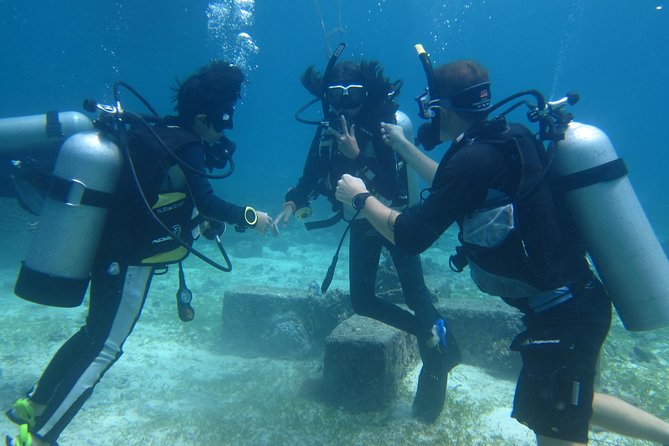
Your course begins at 9:00 a.m. at Scotty’s Action Sports Network, located inside Shangri-La’s Resort and Spa on Punta Engaño Road in Mactan. This is a useful starting point because you are not trying to find a distant beach or remote marina before an already busy training day.
The setting also gives you a straightforward reference point. If you are staying elsewhere in Cebu, check the journey to Lapu Lapu City before booking. The meeting point is on Mactan Island, and the activity returns there at the end.
You will receive confirmation when you book, and the location is near public transportation. The course is private, so only your group participates. That matters more than it may seem. Beginner scuba training involves questions, repeated practice, and moments when you need an instructor to slow down. A private format gives the teaching team more room to watch your progress.
Michel and Freddie are named as instructors connected with the course. Their teaching style is described through clear, concise instruction, careful attention to standards, and a steady concern for safety. For a first course, those are the qualities I want most. Fancy talk does not help when you are learning how to manage equipment or respond calmly underwater.
More PADI Courses in the Philippines
- Scuba Diving in Boracay: SSI Basic Diver for Beginners
★ 5.0 · 20 reviews - Scuba Diver Course (PADI)
★ 5.0 · 18 reviews - DiveGurus – Open Water Diver Course SSI/PADI
★ 5.0 · 13 reviews
What two days of training means
This is a proper PADI Open Water Diver course, not simply a short introduction followed by a quick swim. PADI, the Professional Association of Diving Instructors, is a large international certification organization. Its beginner course is intended to give you the basic skills needed to continue scuba activity in other destinations.
The supplied details do not spell out every lesson, training site, or exact hour-by-hour schedule. You should contact Scotty’s before booking if you need the precise order of classroom work, confined-water practice, and open-water sessions. The two-day duration gives you a useful guide, but the course may need to adjust around weather and training progress.
As a newcomer, you can expect instruction designed to take you from unfamiliarity to basic competence. That includes learning how to use scuba equipment and following safety procedures. The goal is not simply to see fish once. It is to build enough understanding and control to take your certification into future trips.
The course also accepts referral students from another dive center. That makes it useful if you have already completed part of your PADI training elsewhere and need to continue with a new provider in Cebu. Bring your existing course details and confirm exactly what remains before you arrive.
The underwater training and safety focus
The most important part of this experience is not the scenery. It is the training. A new student needs an instructor who can explain a task plainly, observe what is happening, and stop the session when something feels wrong.
Michel and Freddie receive specific praise for taking their time and keeping students within their limits. That is exactly the kind of support you want in a beginner course. You should not feel pushed to perform a skill before you understand it, and you should not be embarrassed to ask for an explanation more than once.
Safety is presented as a constant priority. That matters because underwater activity leaves less room for casual mistakes than a standard sightseeing trip. You will need to pay attention, follow instructions, and accept that the pace may be determined by your comfort and ability rather than by a fixed sightseeing timetable.
A private course can also help with communication. If your group has different levels of confidence, the instructors can address those differences more directly than they might in a crowded class. This does not guarantee that every student will finish at the same pace, but it creates a better setting for questions and correction.
Using the included scuba equipment
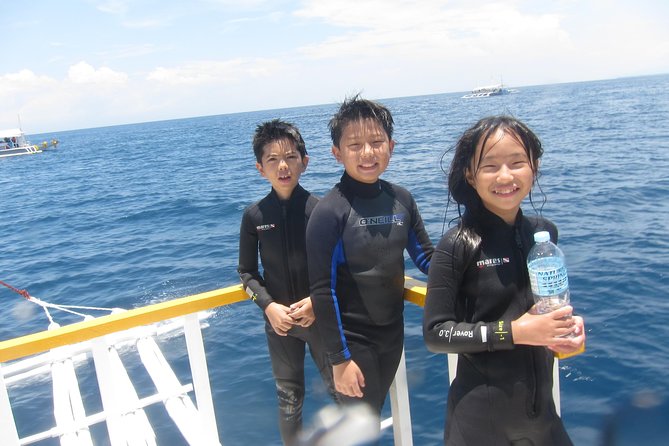
Scuba equipment is included in the $400 price. That removes one major decision for a beginner, since you do not need to buy or arrange a full set of gear before arriving.
The included equipment is valuable in two ways. First, it keeps the initial cost from rising through separate rental charges. Second, it lets you learn with the kind of equipment used during the course rather than trying to assemble your own setup without guidance.
Still, you should ask what equipment is provided and whether there are any personal items you need to bring. The supplied information confirms use of scuba equipment, but it does not list every item or specify sizes. If you have concerns about fit, prescription needs, or personal gear, contact the provider before the course date.
Bottled water is included, which is a small but useful touch during a physical two-day activity. All fees and taxes are also included, so the advertised price does not need to be increased by a separate tax line. Lunch and soda are not provided, so plan for those costs and ask how meal breaks work.
PADI materials are also excluded. This is the most important extra to clarify before paying. Ask whether the material is required for your course, what format it comes in, and how much it costs. A $400 course can represent reasonable value when core equipment and taxes are included, but your final bill will be higher if materials are mandatory.
Same water, a different dive:
- Boracay: Helmet Diving Experience with Photos and Videos
★ 4.7 · 155 reviews - Cebu: Beach Scuba Diving Experience
★ 4.9 · 130 reviews - WaterColors – Discover Scuba Diving in Boracay
★ 5.0 · 127 reviews - Boracay: Introduction to Scuba Diving Experience
★ 4.8 · 104 reviews
Lapu Lapu Monument near the resort
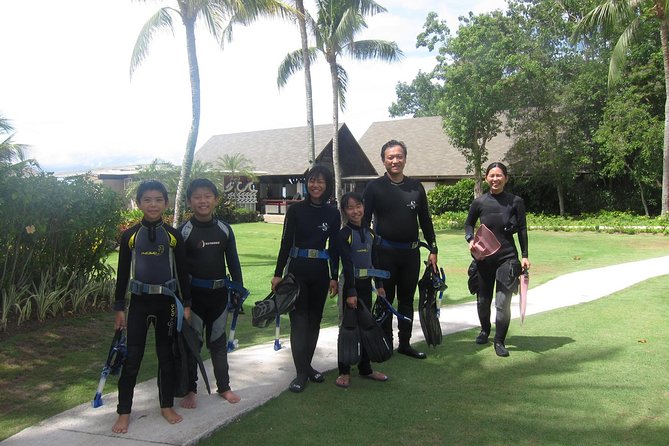
The only named sightseeing stop is Lapu Lapu Monument, near the hotel. It is not presented as the main part of the scuba course, but it gives you an easy way to add a little local context around your training day.
Lapu Lapu is a major figure in Philippine history, and the monument offers a quick cultural stop on Mactan Island. You can visit before or after the activity, depending on your schedule. Since the course starts and ends at Scotty’s, the monument is convenient if you are already staying at or visiting Shangri-La Mactan.
Do not treat this as a guided history tour. The information provided only identifies the monument and its proximity to the meeting point. Its value is practical: you can pair a serious training session with a short land-based visit without arranging another excursion.
You may also prefer to keep your attention on the course. Two days of instruction can be tiring, and your priority should be arriving rested and ready. The monument works best as an optional extra, not as a reason to choose this particular course.
Is $400 a fair price?
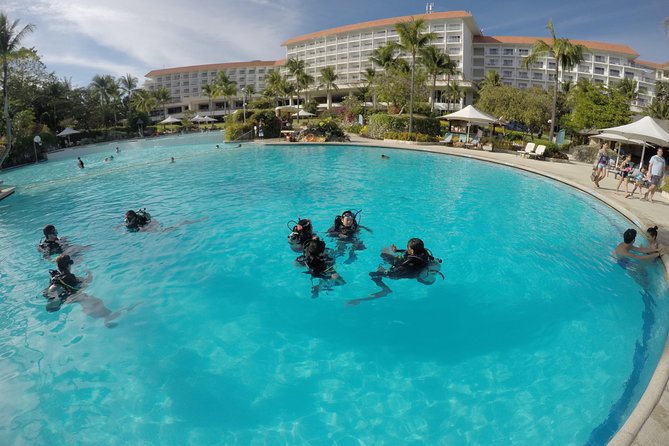
At $400 per person, this course costs more than a basic introductory swim or a single recreational outing. That comparison is not quite fair, because you are paying for a two-day training program intended to lead toward PADI Open Water certification.
The price includes scuba equipment, bottled water, and all fees and taxes. It also gives you private participation and instruction from a named training team. Those inclusions make the cost easier to justify for someone who wants a recognized beginner qualification rather than a one-time underwater activity.
The value is strongest if you plan to use the certification later. PADI training is designed for people who want to continue scuba activity in other parts of the world. If you expect to take future trips where you can use your certification, the course becomes an investment in a lasting skill.
The value is weaker if you are unsure about scuba or only want a single short look below the surface. In that case, ask Scotty’s if a shorter introductory option is available. The supplied information covers this two-day course, not a separate trial activity.
Remember to budget for course materials, lunch, and drinks. Since those costs are not included, ask for the final total before booking. Free cancellation is available if you cancel at least 24 hours before the start time, but changes or cancellations inside that window are not accepted for a refund.
Weather, timing, and personal readiness
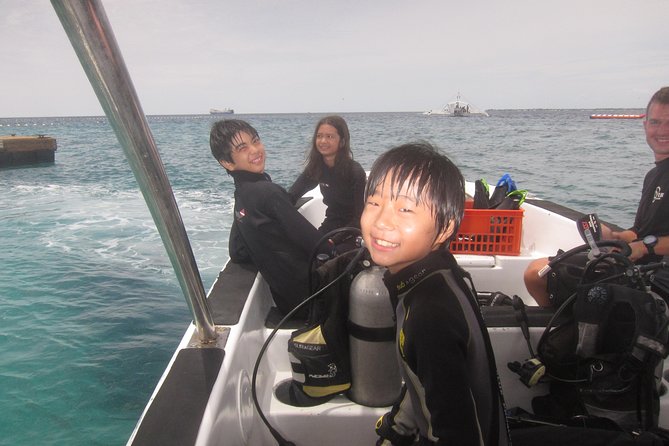
The course requires good weather. If poor weather causes a cancellation, you will be offered another date or a full refund. That policy is reassuring, but it also means you should avoid scheduling the course immediately before a flight or another fixed activity.
A two-day program needs breathing room in your itinerary. Weather changes, training needs, or a slower pace can affect the plan. Keep the following day flexible if possible, especially if you are building a longer Cebu trip around the course.
Most people can participate, according to the supplied activity information. However, the course is still a physical and instructional commitment. You need to be ready to listen closely, follow safety steps, and work within your own limits.
If you have questions about medical suitability, equipment, or course requirements, ask Scotty’s before booking. The available details do not list specific medical rules or age limits, so it would be unwise to assume that every personal situation is covered automatically.
Who will get the most from this course?
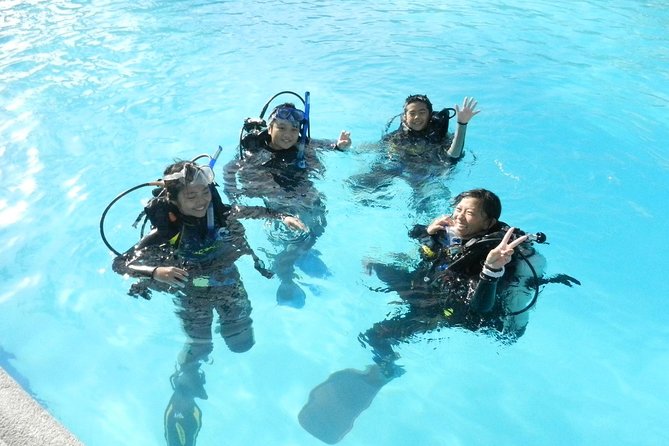
This course suits a first-time student who wants a recognized starting point and prefers personal instruction. You will benefit most if you are curious about scuba, willing to spend two days learning, and interested in using the qualification beyond Cebu.
It is also useful for a referral student who has started training elsewhere. Confirm your paperwork and remaining requirements before arrival so the instructors can place you correctly.
I would choose this for someone who values a patient teaching style over a rushed schedule. The emphasis on clear instruction, safety, and staying within personal limits is especially important if you feel nervous about your first underwater training.
I would be more cautious if you have only one free morning, want a sightseeing-heavy outing, or dislike structured lessons. This is a course first and a sightseeing activity second. Lapu Lapu Monument is a convenient extra, not the center of the day.
Booking advice for a smoother start
Book at least several days ahead. This experience is booked about six days in advance on average, which suggests that leaving it until the last minute may limit your choices.
Before you pay, confirm the cost of PADI materials and ask what the two-day timetable includes. Also check the meeting point carefully: Scotty’s is inside Shangri-La’s Resort and Spa on Punta Engaño Road, not simply somewhere in central Cebu.
Plan to arrive ready for a full day beginning at 9:00 a.m. Bring the practical items you normally need for a water-based activity, but do not assume that every personal item is supplied. Bottled water and scuba equipment are included, while food, soda, and PADI materials are not.
The activity ends back at the meeting point. That makes it easier to arrange your return, but you should still leave enough time for the course to finish without rushing to another appointment.
Should you book the Cebu PADI course?
Book it if you want to begin a real scuba qualification in Cebu, appreciate private instruction, and can commit two days to careful training. The included equipment, bottled water, taxes, and private format add useful value, while Michel and Freddie appear to bring the calm, safety-first approach a beginner needs.
Think twice if $400 is beyond your budget after adding course materials and meals, or if you only want a quick recreational outing. This is a structured learning experience, not a casual water activity.
For the right person, the course offers more than a single memorable morning. It gives you a foundation you may use on future trips, with the convenience of starting at Scotty’s on Mactan and the bonus of Lapu Lapu Monument nearby.
FAQ
Where does the PADI Open Water Course begin?
The course begins at Scotty’s Action Sports Network inside Shangri-La’s Resort and Spa, Punta Engaño Road, Mactan Island, Lapu Lapu City, Cebu.
What time does the course start?
The stated start time is 9:00 a.m.
How long does the course last?
The course lasts approximately two days.
Is the course private?
Yes. Only your own group participates in this private activity.
Is scuba equipment included?
Yes. Use of scuba equipment is included in the listed price.
Are meals included?
No. Lunch and soda or other soft drinks are not included.
Are PADI course materials included?
No. PADI materials are excluded. You should contact the provider upon booking for details.
What happens if bad weather cancels the course?
If poor weather causes cancellation, you will be offered a different date or a full refund.
Can I cancel for a full refund?
Yes, if you cancel at least 24 hours before the experience start time. Cancellations or changes made less than 24 hours before the start time are not accepted for a refund.
Newly logged dives around the Philippines
- Moalboal : Scuba Diving Sardine Run and Turtle Chasing★ 5.0 · 2 reviews
- Scuba Diving in Boracay: SSI Basic Diver for Beginners★ 5.0 · 10 reviews
- Panglao: Napaling Reef and Sardines Freediving Experience★ 4.9 · 16 reviews
- Panglao: Helmet Diving Experience with Photos and Videos★ 5.0 · 3 reviews
- Panglao Bohol: Try Scuba Diving at Napaling and Sardines★ 5.0 · 4 reviews
- Cebu: Oslob Whaleshark Scuba Diving & Sumilon Sanctuary★ 4.5 · 8 reviews
- Moalboal: Scuba Diving and Pescador Island Hopping★ 3.8 · 3 reviews
- Cebu: Moalboal Scuba Diving, Sardines Run & Pescador Snorkel★ 3.5 · 8 reviews
PADI Courses & Certification, side by side.
Tossa de Mar: PADI Discovery Scuba Diving in Costa Brava
Read our review →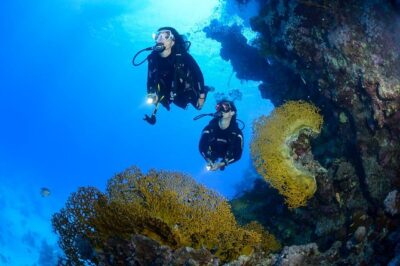
Full-Day Beginner Scuba Course with Private Tuition, Racha Yai
Read our review →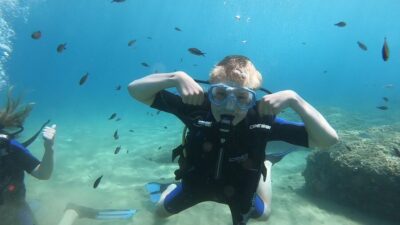
Heraklion: Beginner Scuba Diving Lesson with PADI Instructor
Read our review →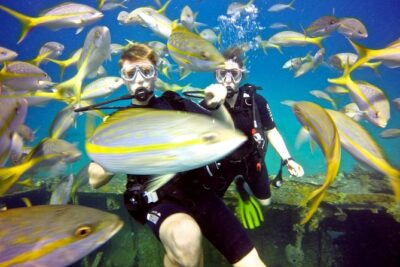
Discover Scuba Diving with No Certification in St Thomas
Read our review →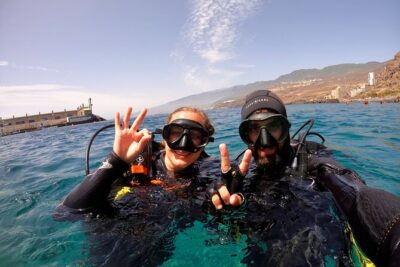
Try Dive – PADI Discover Scuba Diving in Tenerife
Read our review →