Review · PHILIPPINES
Scuba Diving in Boracay: SSI Basic Diver for Beginners
The best part of this four-hour SSI Basic Diver course is that you can try scuba without signing up for a full certification course. You learn the gear, practice basic skills in shallow water, then head out by boat for your first underwater experience.
I like the gentle introduction and the fact that the equipment, instructor, boat trip, fees, and learning materials are included. I also like that your Basic Diver experience can count toward SSI Open Water Certification later. The main caution is the location information: the activity is described as taking place in Boracay, while the supplied details list Catanduanes Province, so confirm the meeting point before booking.
Key points to know before you book
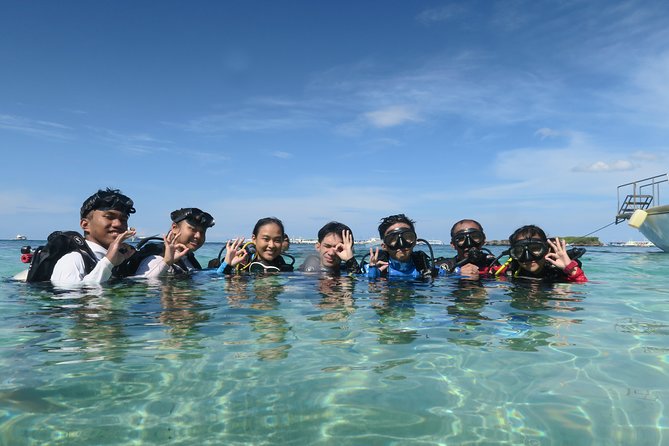
- A four-hour first step: You get a short introduction to scuba rather than a full certification course.
- Practice comes before open water: You learn to handle the mask, fins, tank, regulator, and buoyancy jacket before going out by boat.
- The price covers the main costs: At $63 per person, the package includes equipment, an instructor, a boat trip, materials, taxes, and coffee or tea.
- A useful path toward certification: The experience can be credited toward SSI Open Water Certification.
- Safety comes first: You cannot fly for 24 hours after the activity, and it is not suitable for children under 10, pregnant women, or people with pre-existing medical conditions.
- The exact location needs checking: Boracay appears in the title, but Catanduanes Province appears in the location details.
Your first taste of scuba in four hours
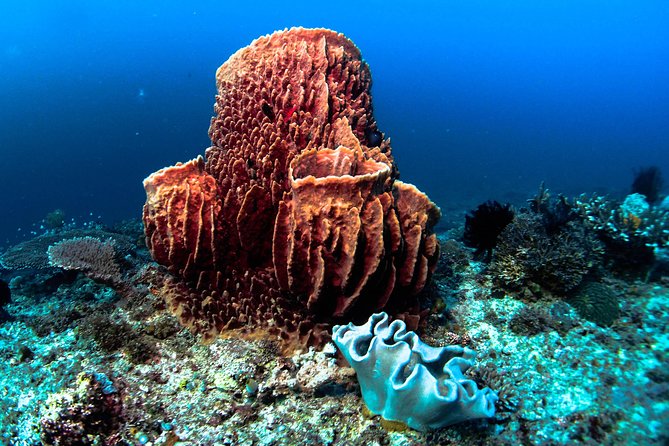
Scuba can look complicated from the shore. There is a tank on your back, a regulator in your mouth, a buoyancy jacket around your chest, and several instruments to watch. This course breaks that equipment into manageable pieces.
You begin by learning how the main gear works. The mask helps you see, the fins help you move, and the regulator supplies air from the tank. The buoyancy compensating jacket helps control your position in the water. You also learn to watch depth and air supply through the included instruments.
That basic orientation matters. I would rather spend time learning how to breathe calmly and move slowly than be rushed into deeper water. The aim here is not to turn you into a certified scuba diver in one morning. It is to show you what the sport feels like and give you a safe foundation for the next course.
The minimum age is 10. The activity is not suitable for pregnant women or people with pre-existing medical conditions. If either point could apply to you, check with the provider before reserving.
More PADI Courses in the Philippines
- Scuba Diving in Boracay: SSI Basic Diver for Beginners
★ 5.0 · 20 reviews - Scuba Diver Course (PADI)
★ 5.0 · 18 reviews - DiveGurus – Open Water Diver Course SSI/PADI
★ 5.0 · 13 reviews
Shallow-water practice before the boat trip
The first in-water stage takes place in shallow water. This is where you get used to wearing the equipment and breathing through the regulator. For a first-timer, that can be the most important part of the day.
You will practice moving with fins and learn how the buoyancy jacket affects your position. You also receive basic safety instructions and an introduction to the skills needed for open-water scuba. The shallow-water setting gives you a chance to pause, ask questions, and settle your breathing before the boat portion.
I like this format because it gives nervous beginners time to adjust. One recent participant was initially scared to try scuba, but the welcoming and friendly team helped create a sense of safety. That is a useful detail for anyone who feels uncertain about putting their face underwater for the first time.
The instructors are described as personable and professional, taking time to help participants feel secure. No individual instructor names are provided, but instruction is available in English, German, Tagalog, and Spanish. That language choice can make the safety briefing easier to follow, especially when you are learning unfamiliar equipment.
The boat trip and your first underwater view
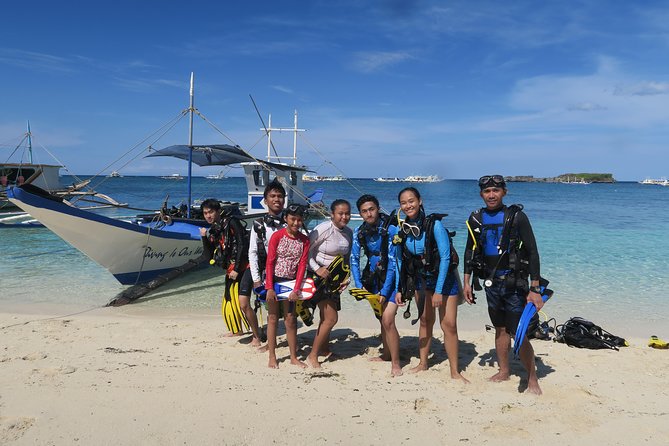
After the basic instruction, the course includes a boat trip into the surrounding waters. The boat portion adds a sense of occasion, but it also means you should allow the full four hours rather than treating this as a quick beach activity.
Your instructor remains the key part of the experience. You will use the skills learned in shallow water while breathing through the regulator and moving underwater with the equipment. The course is designed as an introduction, so you should expect a guided first experience rather than independent exploration.
The underwater portion is valuable even if you later decide not to pursue certification. You find out how your body reacts to breathing below the surface, how comfortable you feel in the equipment, and whether the quiet underwater setting appeals to you.
I would keep your expectations realistic. The supplied details do not promise a particular reef, marine animal, depth, or underwater route. Conditions and the exact site may vary. You are paying for instruction and a first experience, not a guaranteed wildlife encounter.
What the $63 price really includes
At $63 per person, the package offers good value for a short introduction because the larger equipment costs are already covered. You receive the mask, snorkel, fins, buoyancy compensating jacket, scuba tank, regulator, and instruments used to monitor depth and air supply.
The price also includes the instructor, learning materials, boat trip, all fees and taxes, and complimentary coffee or tea. You do not need to buy or rent the main scuba equipment separately. That keeps the cost clear for a first attempt.
Food and extra drinks are not included. Hotel pickup is also not included, so you need to arrange your own way to the meeting point. This is where the location discrepancy matters most. The activity title refers to Boracay, while the supplied location line says Catanduanes Province. Those are different destinations, so confirm the exact meeting place and local transport details before paying.
The package makes the most sense if you are curious about scuba but do not want to invest in a full course yet. If you already know you want certification, you may prefer to compare the price and schedule of a full SSI Open Water course. If you only want to try breathing underwater once, this shorter option keeps the commitment low.
Same water, a different dive:
- Boracay: Helmet Diving Experience with Photos and Videos
★ 4.7 · 155 reviews - Cebu: Beach Scuba Diving Experience
★ 4.9 · 130 reviews - WaterColors – Discover Scuba Diving in Boracay
★ 5.0 · 127 reviews - Boracay: Introduction to Scuba Diving Experience
★ 4.8 · 104 reviews
Equipment, clothing, and what to bring
You only need to bring swimwear and your attention. The main scuba equipment is supplied, along with the course materials.
You will use:
- Mask and snorkel
- Fins
- Buoyancy compensating jacket
- Scuba tank
- Regulator
- Depth and air-supply instruments
The equipment list tells you this is more than a standard snorkeling trip. You will learn how a complete scuba system works and how to move while wearing it. For someone comparing several water activities, that makes this a better fit if you want a real introduction to scuba rather than a surface-level look at the water.
Alcohol and drugs are not allowed. That rule is especially important for any activity involving breathing equipment, changing pressure, and water safety.
You also cannot fly within 24 hours after the activity. Plan your schedule around that restriction. If you are taking a flight the next morning, this is not a good activity for the previous afternoon.
The instructors and the feel of the lesson
The teaching style is one of the strongest reasons to consider this experience. The instructors are described as friendly, organized, personable, and professional. They take time to make the process feel safe instead of pushing beginners through the equipment briefing.
That approach matters because many first-timers are not worried about swimming. They are worried about the regulator, the mask, or the strange feeling of breathing underwater. A calm instructor can make the difference between a useful first step and an uncomfortable memory.
The team also works with several languages: English, German, Tagalog, and Spanish. You should choose the language that lets you understand safety instructions most clearly. If you have questions, ask them before entering the water rather than trying to guess what a hand signal or instrument means.
No group size is provided, so I would ask about the number of participants if personal attention is important to you. The available comments point to careful instruction, but the exact instructor-to-student ratio is not stated.
Who will enjoy this experience most
This course suits adults and children aged 10 or older who are curious about scuba but not ready for full certification. It is also a good choice if you want to test your comfort level before spending more time and money on an Open Water course.
You might also choose it if you have a short stay and want a structured four-hour activity. The included boat trip gives the session more variety than a classroom-only introduction, while the shallow-water practice keeps the first steps manageable.
It is less suitable if you already hold a scuba certification or have extensive underwater experience. In that case, the beginner instruction may feel slow. It is also a poor fit if you need hotel pickup, want a specific reef or animal encounter, or have a flight within 24 hours.
People with pre-existing medical conditions should not book without checking whether the activity is appropriate. The supplied information lists this group as not suitable, so treat that warning seriously.
How this can lead to SSI Open Water Certification
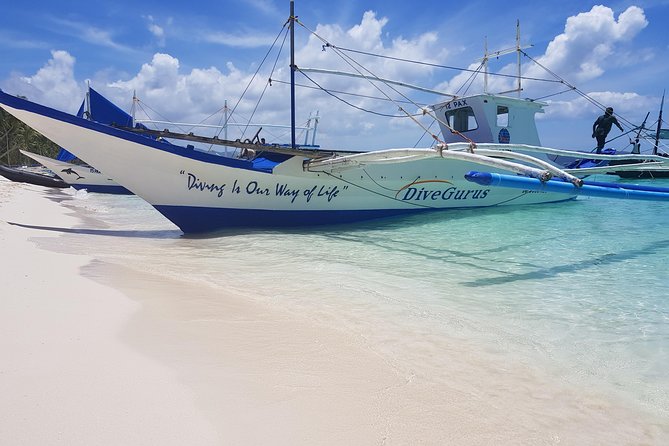
The Basic Diver course is not a full scuba certification. You will not finish the session qualified to scuba independently. Instead, it gives you a practical introduction to the equipment, safety rules, and basic skills used in formal training.
The useful part is that the experience can be credited toward SSI Open Water Certification. That means your first session may serve as more than a one-off activity if you decide to continue. Ask the instructor how the credit is applied and what additional training remains, since the supplied details do not specify the exact conversion process.
I like this option for cautious beginners. You can make a better decision after using the gear and experiencing the water. If you find the breathing rhythm comfortable and enjoy the underwater setting, you have already taken a relevant first step. If it is not for you, you have avoided paying for a full course that you might not finish.
Booking, cancellation, and timing advice
The activity lasts four hours, with start times depending on availability. Keep enough space in your day for the complete session. A boat trip, equipment setup, instruction, and water practice can take longer than a simple shore excursion.
You can cancel up to 24 hours in advance for a full refund. A reserve-now-and-pay-later option is also available, which helps if you are still organizing your schedule.
I would book earlier if you need a particular language or time of day, though no guarantee about instructor assignment or group size is provided. Before finalizing the reservation, confirm the exact location because of the Boracay and Catanduanes discrepancy.
Should you book the SSI Basic Diver course?
Book it if you want a low-commitment introduction to scuba, value patient instruction, and like the idea of trying the equipment before taking a full certification course. The $63 price is fair because it includes the instructor, complete scuba equipment, boat trip, materials, taxes, and a hot drink.
Skip it if you have a flight within 24 hours, need hotel pickup, cannot meet the medical requirements, or already know you want a complete Open Water qualification. Most important, confirm where the activity actually takes place before you reserve. Once that detail is clear, this looks like a friendly and practical first step into underwater exploration.
FAQ
Is this a full scuba certification?
No. SSI Basic Diver is an introduction to scuba, not a full certification. The experience can be credited toward SSI Open Water Certification.
How long does the activity last?
The course lasts four hours. Available starting times depend on the schedule.
What equipment is included?
The activity includes a mask, snorkel, fins, buoyancy compensating jacket, scuba tank, regulator, and instruments for monitoring depth and air supply.
What should I bring?
Bring swimwear. Learning materials and the scuba equipment are provided.
Can I fly after the activity?
No. You are not allowed to fly within 24 hours after scuba activity.
Who can take the course?
Participants must be at least 10 years old. The activity is not suitable for children under 10, pregnant women, or people with pre-existing medical conditions.
More Scuba Diving for Beginners in the Philippines
- Bohol: Discover Scuba Diving – No Experience Needed
★ 5.0 · 4 reviews - First-Time Scuba Diving in Honolulu + Free Videos
★ 5.0 · 3,123 reviews - Beginner Scuba Diving with Turtles and Videos, San Juan
★ 5.0 · 1,743 reviews - Intro Diving 2 Stops For Beginners with Pick-up and Lunch – Hurghada
★ 5.0 · 1,146 reviews
Newly logged dives around the Philippines
- Moalboal : Scuba Diving Sardine Run and Turtle Chasing★ 5.0 · 2 reviews
- Panglao: Napaling Reef and Sardines Freediving Experience★ 4.9 · 16 reviews
- Panglao: Helmet Diving Experience with Photos and Videos★ 5.0 · 3 reviews
- Panglao Bohol: Try Scuba Diving at Napaling and Sardines★ 5.0 · 4 reviews
- Cebu: Oslob Whaleshark Scuba Diving & Sumilon Sanctuary★ 4.5 · 8 reviews
- Moalboal: Scuba Diving and Pescador Island Hopping★ 3.8 · 3 reviews
- Cebu: Moalboal Scuba Diving, Sardines Run & Pescador Snorkel★ 3.5 · 8 reviews
- Malapascua: Advance Divers Shark Dive & Optional Transfer★ 4.3 · 6 reviews
PADI Courses & Certification, side by side.
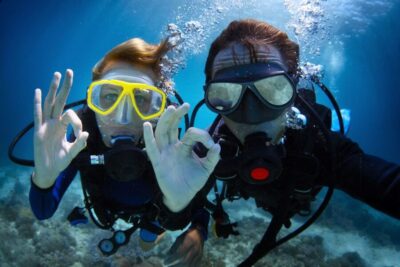
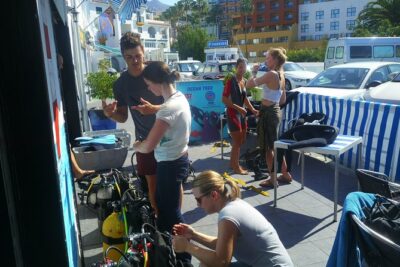
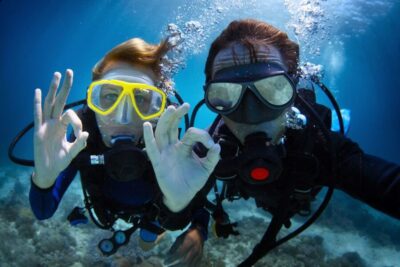
Tossa de Mar: PADI Discovery Scuba Diving in Costa Brava
Read our review →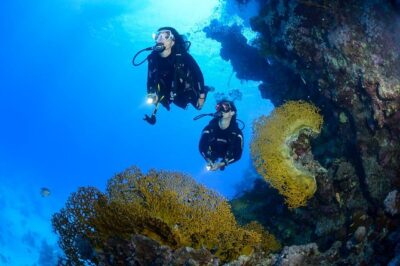
Full-Day Beginner Scuba Course with Private Tuition, Racha Yai
Read our review →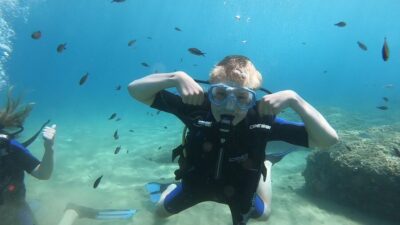
Heraklion: Beginner Scuba Diving Lesson with PADI Instructor
Read our review →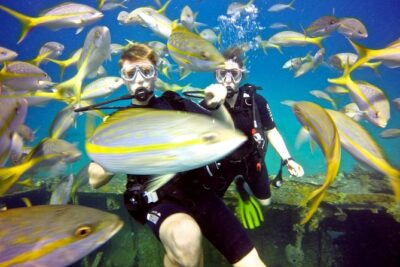
Discover Scuba Diving with No Certification in St Thomas
Read our review →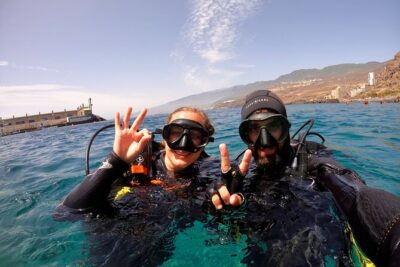
Try Dive – PADI Discover Scuba Diving in Tenerife
Read our review →