Review · BORACAY
DiveGurus – Open Water Diver Course SSI/PADI
Learning to breathe underwater is the big moment here. DiveGurus Boracay packages that first step into a three-day SSI or PADI Open Water course, with classroom study, shallow-water practice, and four boat sessions at local sites. You finish with an entry-level certificate accepted around the world.
I like the clear progression from simple skills to open-water practice, and I like the personal teaching style associated with instructors such as Brian, Max, Karlo, and Andrew. The main consideration is time: three days is a focused schedule, so you should arrive ready to study, practice, and follow your instructor’s pace rather than treat this as a casual beach activity.
Key points to know before booking
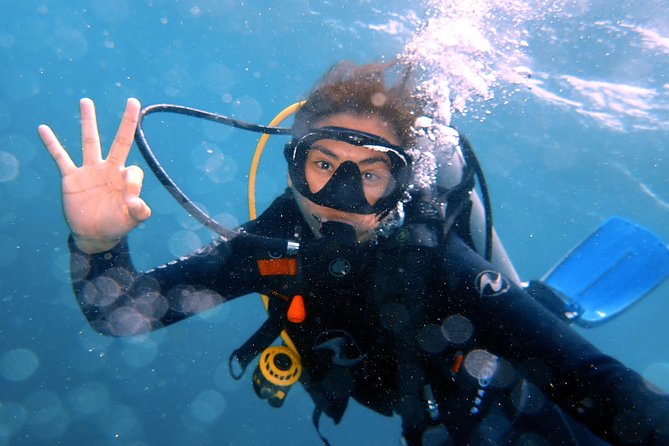
- Three days from theory to certification: You complete knowledge development, confined-water practice, and four open-water sessions.
- At least five shallow-water sessions: These give you repeated practice before you head out by boat.
- SSI or PADI certification: Both are recognized worldwide as basic entry-level scuba qualifications.
- A private group format: Only your own group takes part in the activity.
- Patient instruction matters: Brian, Max, Karlo, and Andrew are among the instructors connected with the course.
- Free cancellation up to 24 hours ahead: Late cancellations and last-minute changes are not refunded or accepted.
Your first step toward an international scuba certificate
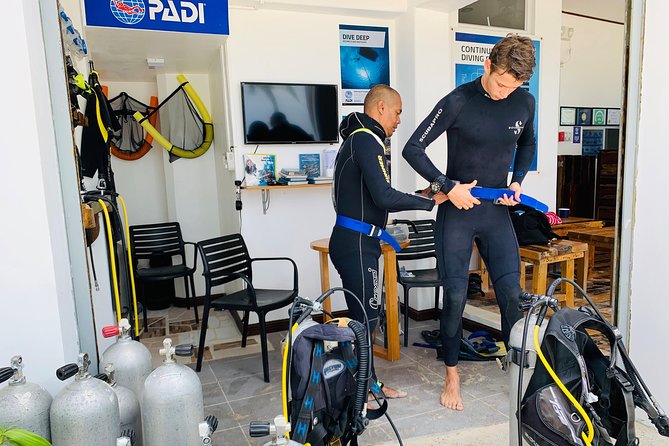
This course is designed for someone starting from zero. You do not need prior scuba experience, and the training follows a sensible order: learn the principles first, practice skills in shallow water, then use those skills at local underwater sites.
That order matters. It lets you deal with equipment, breathing, and basic procedures before adding the movement and surroundings of open water. If you are nervous about being underwater, the gradual format is more useful than rushing straight onto a boat.
You can choose an SSI or PADI certification. Both are widely recognized, so the practical difference for you is less about the name and more about the instructor, the pace, and how comfortable you feel with the teaching. Tell DiveGurus about your preference when you book.
The course takes about three days. That is short enough to fit into a Boracay holiday, but it is still a serious commitment. You will need time for study, classroom briefing, skills work, and four boat-based sessions. Do not schedule a tight flight or another major activity immediately after the course.
More PADI Courses in the Philippines
- Scuba Diving in Boracay: SSI Basic Diver for Beginners
★ 5.0 · 20 reviews - Scuba Diver Course (PADI)
★ 5.0 · 18 reviews - Open Water Course (PADI)
★ 5.0 · 12 reviews
Day one: learn the rules before entering the water
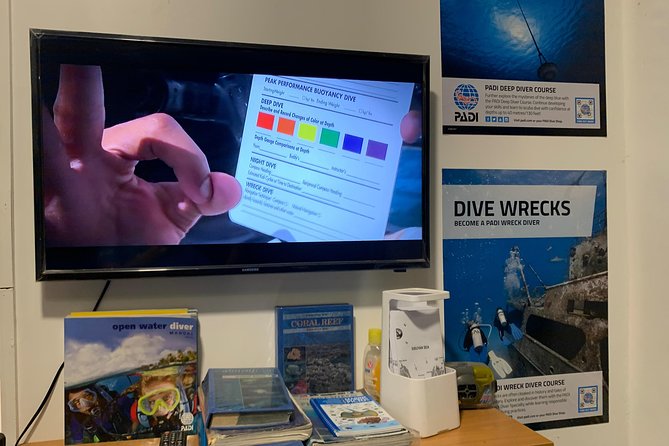
The course begins with knowledge development. This can be completed online or in a classroom, giving you a choice between studying independently and receiving direct instruction.
The theory section covers the basic principles you need to understand before using scuba equipment. The point is not to memorize a stack of facts for a test. You are learning why procedures matter, how to act calmly, and what your equipment is doing while you are underwater.
A classroom briefing is especially useful if you are new to scuba or uneasy about the first session. You can ask questions as they come up and get a clearer picture of what the next two days will involve. If you choose online study, you gain flexibility, but you need to take the material seriously and arrive ready for practical training.
I would allow more mental energy than you might expect on the first day. Learning to control your breathing, understand basic equipment, and remember safety steps can feel like a lot at once. The good news is that the next phase gives you time to repeat the skills rather than perform them only once.
Shallow-water practice builds confidence
The confined-water part takes place in shallow water, where you learn the basic scuba skills under your instructor’s supervision. The course includes at least five confined-water sessions, giving you several chances to repeat the same actions and settle into the equipment.
This is where the course earns its value for first-time scuba students. The first attempt at breathing through a regulator can feel unusual. Removing or managing a mask can also be uncomfortable, especially if you already dislike snorkeling or feel nervous with your face underwater.
That concern is not a reason to avoid the course. It is a reason to pay attention to the teaching style. An instructor can slow the process, explain the skill again, and help you work through the awkward parts without turning them into a contest. Brian is associated with a clear and patient approach, while Karlo is described as encouraging and lighthearted. Your instructor may be someone else, but you can ask for a pace that lets you build control.
The shallow-water setting also gives you a place to make small mistakes safely. You can practice basic procedures, get used to breathing underwater, and learn how your body moves with scuba equipment. By repeating the work several times, you should feel less focused on the gear and more able to pay attention to your surroundings.
Do not judge yourself by how quickly another person learns. Some people adjust at once. Others need extra explanation or more repetitions. The course is private to your group, which should make it easier to ask questions and work at a sensible pace.
Four boat sessions at local sites
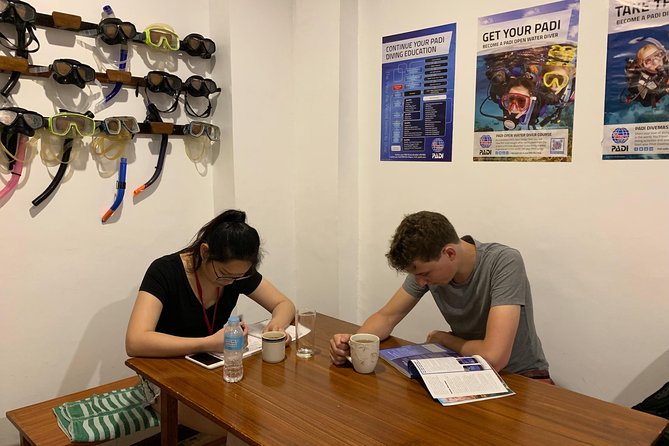
After the classroom and confined-water work, you complete four open-water boat sessions. These are not simply sightseeing trips. You use them to review the skills you learned in shallow water while exploring local sites under the supervision of an SSI or PADI instructor.
That combination is important. A certificate should represent more than being able to complete a few exercises in calm, shallow water. The boat sessions introduce you to the setting where certified scuba is normally used, with the added responsibility of managing your skills in a larger body of water.
The exact sites are not specified, so I would ask DiveGurus about the planned locations, water conditions, and daily schedule before booking. Site choice can affect how relaxed you feel, what you see, and how much time the group spends traveling by boat. Conditions can also change, so your instructor’s judgment should guide the plan.
Andrew Gritzka is associated with taking students on well-organized sessions and helping them feel safe in a new environment. Max is another instructor named in connection with Open Water training. Names and availability can change, so treat these as useful references rather than a promise that one particular instructor will teach you.
Four open-water sessions also make the three-day schedule fairly full. You will want to sleep well, stay hydrated, and avoid packing each day with unrelated tours. Your attention is better spent on the course than on racing from one activity to another.
Same water, a different dive:
- Boracay: Helmet Diving Experience with Photos and Videos
★ 4.7 · 155 reviews - Cebu: Beach Scuba Diving Experience
★ 4.9 · 130 reviews - WaterColors – Discover Scuba Diving in Boracay
★ 5.0 · 127 reviews - Boracay: Introduction to Scuba Diving Experience
★ 4.8 · 104 reviews
The instructors are a major part of the experience
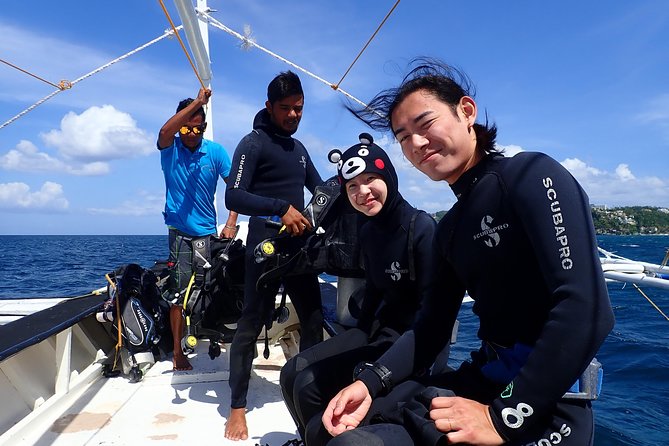
The strongest theme in the available feedback is the instructors’ patience and support. Brian is repeatedly connected with first-time students who needed clear explanations and time to become comfortable. Max is praised for the personal side of instruction, while Karlo is described as patient, encouraging, and funny.
Andrew Gritzka is also associated with calm instruction, clear communication, and helping students feel secure in an unfamiliar setting. Those qualities matter more than a flashy personality. You want an instructor who notices when you are struggling, explains a skill in another way, and does not push you past a sensible limit.
There is also a friendly side to the DiveGurus setting. Free coffee and tea are available, and the atmosphere has been described as warm and welcoming. That may sound minor, but a relaxed base can make a difference when you are spending several days learning something new.
Still, you should ask direct questions before starting. Confirm who will teach your group, how many people are included, and what happens if you need extra time with a skill. The private format means only your group participates, but the supplied details do not state the exact number of students in each group.
What the $580 price includes in practical terms
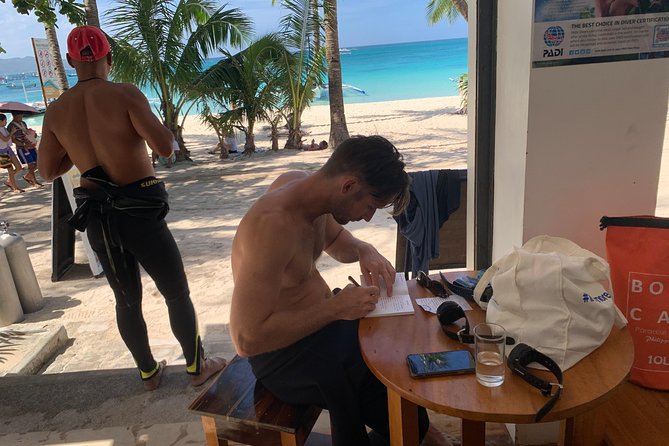
The price is $580 per person. That is not a small add-on to a beach holiday, but you are paying for a full entry-level certification course rather than a short introductory session.
The value comes from the complete sequence: knowledge development, at least five confined-water sessions, instructor supervision, four local boat sessions, and an SSI or PADI Open Water qualification. If you intend to scuba again, certification can make future trips easier because you will already have the basic training recognized in many parts of the world.
If you only want to try scuba once, the cost may feel harder to justify. A shorter introductory activity could suit you better, but this course gives you a lasting qualification and more time to develop comfort underwater.
Ask what is included in the $580 before paying. The supplied details confirm the training structure and certification, but they do not spell out every possible cost, such as equipment, course materials, transfers, or certification-related charges. Clear questions at booking will prevent surprises.
The private format adds value if you want personal attention. It may not matter as much if you are comfortable in a larger class and are mainly focused on keeping the price down. For nervous beginners, however, time with an instructor can be worth more than a bargain course that moves too quickly.
Who will get the most from this course
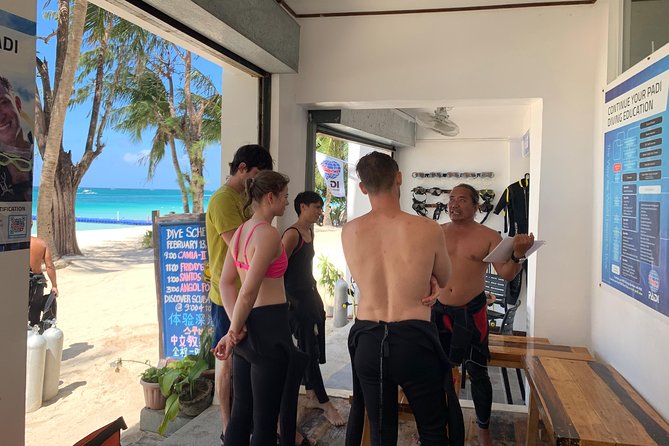
I would recommend this course for you if you have wanted to learn scuba properly rather than simply try it for a few minutes. It suits first-time students who appreciate patient instruction, repeated practice, and a clear route to certification.
It also works well for someone already planning future scuba trips. Since the certificate is recognized worldwide, the training can become useful long after your Boracay holiday ends.
You should think carefully if your schedule is tight. Three days leaves little room for missed sessions, and the course requires your attention across the full period. It is also not ideal for someone who wants a relaxed, unscheduled beach day with no study or practice.
If you are afraid of being underwater, do not hide that from the instructor. One of the useful themes from the course feedback is the ability to work gradually through difficult skills, including mask removal. Good communication at the start gives your instructor a better chance to help you.
Meeting at DiveGurus Boracay
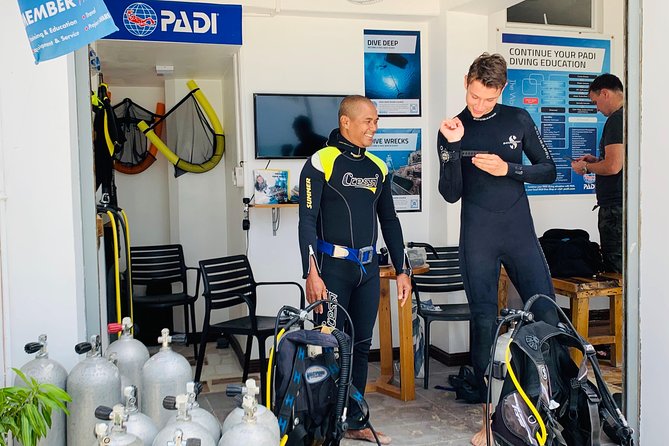
The meeting point is DiveGurus Boracay on Sitio Ambulong Road, Boracay Island, Malay, Aklan 5608. The activity finishes back at the same meeting point.
The location is near public transportation, which makes the start and finish easier to manage. You should still allow time to arrive without rushing, especially on the first morning when you may need to complete briefing or preparation steps.
This is a private activity for your group. That gives you a more personal setting than a large shared class, though the exact group size is not provided. Confirmation is issued when you book, and the activity is available with a mobile ticket.
Cancellation is flexible if you plan ahead. You can receive a full refund by canceling at least 24 hours before the local start time. Inside that 24-hour window, the payment is not refunded, and changes are not accepted.
SSI or PADI: which should you choose?
Both SSI and PADI are recognized worldwide, and both are used for entry-level Open Water certification. The supplied information does not identify a major difference in the training offered here, so I would not choose based on brand alone.
Instead, ask which system has the best schedule for you and which instructor will teach your group. A patient instructor and a well-paced course will affect your experience more than the logo on the certification card.
If you already have a preference, state it at booking. If you are undecided, ask DiveGurus to explain the practical difference for your future plans. The important result is that you complete the required knowledge work, confined-water skills, and four supervised open-water sessions.
Should you book the DiveGurus Open Water course?
Book it if you want a real scuba qualification and can give three days to learning properly. The repeated shallow-water practice, four boat sessions, private group format, and patient teaching style make this a sensible choice for a first certification.
I would be especially comfortable recommending it to a beginner who feels nervous about breathing underwater or handling basic skills. Ask for your instructor’s name, confirm what the $580 includes, and leave enough room in your holiday schedule for the full course.
Skip it if you only want a quick recreational activity or cannot commit to all three days. For everyone else, this is a practical way to turn curiosity about the underwater world into a recognized skill you can use well beyond Boracay.
FAQ
How long does the SSI or PADI Open Water course take?
The course takes approximately three days to complete.
Where does the course begin and end?
It begins at DiveGurus Boracay, Sitio Ambulong Road, Boracay Island, Malay, Aklan 5608, Philippines. The activity ends back at the same meeting point.
What does the course include?
It includes knowledge development online or in a classroom, confined-water training, and four open-water boat sessions at local sites.
How many confined-water sessions are included?
You will complete at least five confined-water sessions to practice basic scuba skills.
Is the certification recognized worldwide?
Yes. The SSI or PADI Open Water certification is described as a basic entry-level qualification recognized worldwide.
Is this a private activity?
Yes. Only your group participates in the activity.
Is the course suitable for most people?
The available information states that most people can participate. You should discuss any concerns with DiveGurus before booking.
What is the cancellation policy?
You can cancel at least 24 hours before the experience start time for a full refund. Cancellations or changes made less than 24 hours before the start time are not accepted, and the amount paid is not refunded.
Newly logged dives around the Philippines
- Moalboal : Scuba Diving Sardine Run and Turtle Chasing★ 5.0 · 2 reviews
- Scuba Diving in Boracay: SSI Basic Diver for Beginners★ 5.0 · 10 reviews
- Panglao: Napaling Reef and Sardines Freediving Experience★ 4.9 · 16 reviews
- Panglao: Helmet Diving Experience with Photos and Videos★ 5.0 · 3 reviews
- Panglao Bohol: Try Scuba Diving at Napaling and Sardines★ 5.0 · 4 reviews
- Cebu: Oslob Whaleshark Scuba Diving & Sumilon Sanctuary★ 4.5 · 8 reviews
- Moalboal: Scuba Diving and Pescador Island Hopping★ 3.8 · 3 reviews
- Cebu: Moalboal Scuba Diving, Sardines Run & Pescador Snorkel★ 3.5 · 8 reviews
PADI Courses & Certification, side by side.
Tossa de Mar: PADI Discovery Scuba Diving in Costa Brava
Read our review →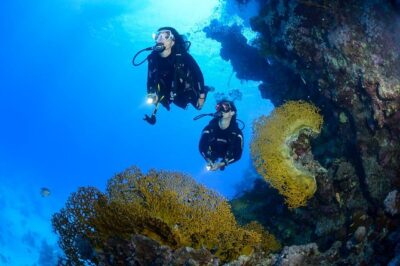
Full-Day Beginner Scuba Course with Private Tuition, Racha Yai
Read our review →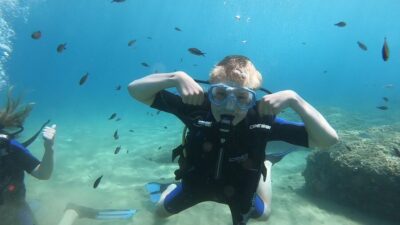
Heraklion: Beginner Scuba Diving Lesson with PADI Instructor
Read our review →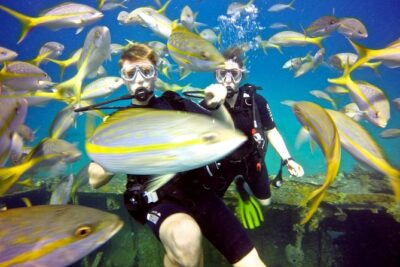
Discover Scuba Diving with No Certification in St Thomas
Read our review →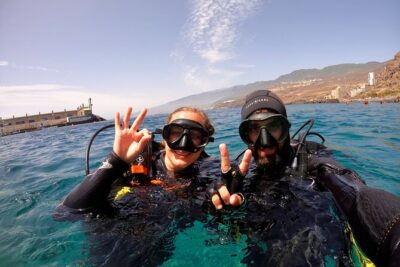
Try Dive – PADI Discover Scuba Diving in Tenerife
Read our review →