Review · OAHU
Oahu: Wreck & Reef Scuba Dive for Certified Divers
The best part of this Oahu outing is the chance to visit a serious wreck site and a living reef in one compact morning. The Sea Tiger rests in 123 feet of water, while the YO-257 and San Pedro sit side by side, giving certified scuba divers a real underwater adventure close to Honolulu.
I like the quality gear and wetsuit included in the $248 price, and I like the comfortable boat with both shaded and sunny seating, a restroom, and room to move around. The small group and PADI-led format also mean you are not simply being dropped at a site and left to figure it out.
The main caution is conditions. The San Pedro is visited only when the current is suitable, and one account describes choppy water and another a disappointing first descent. You need to be comfortable in open water, follow instructions in English, and accept that the exact wreck choice depends on the sea.
Key points to know before boarding
- Sea Tiger reaches 123 feet: Its deck and superstructure are shallower, around 60 to 90 feet, but this is still a serious recreational site.
- YO-257 and San Pedro are paired wrecks: The ships lie about 50 yards apart, though the San Pedro is used only when conditions allow.
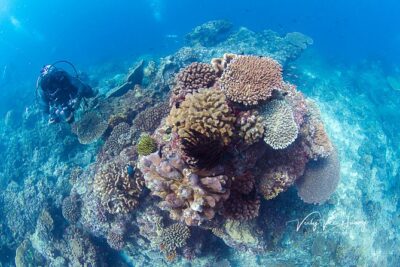
- The second outing visits a reef: Expect a calmer change of pace with coral habitat, Hawaiian endemic fish, turtles, eels, rays, octopus, crabs, and other sea life.
- Marine life is a major draw: Whitetip reef sharks, green sea turtles, eagle rays, moray eels, and large schools of fish are possible sightings.
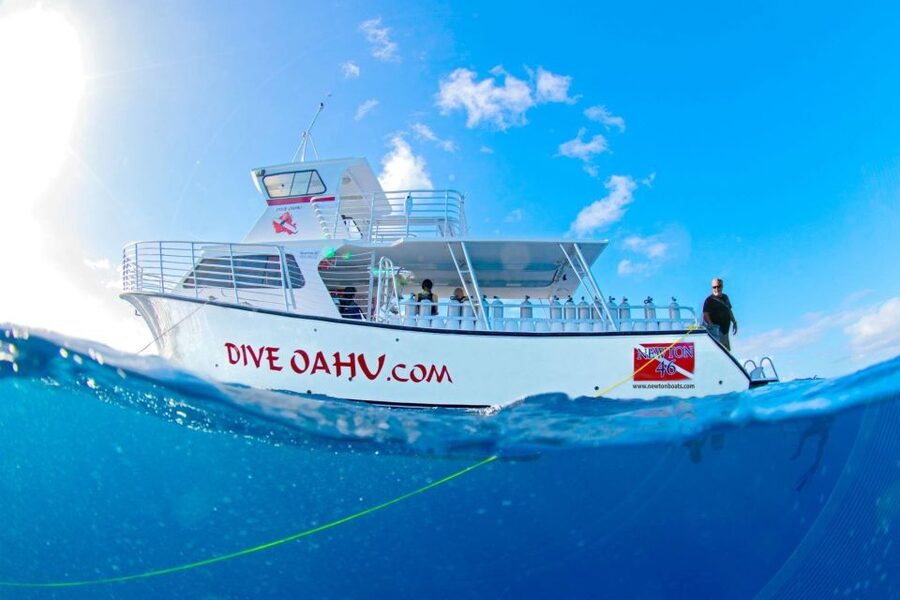
- The boat is set up for a three-hour trip: You get a sun deck, shaded deck, restroom, snacks, drinks, and energy bars between underwater sessions.
- You must prove certification: Bring proof from PADI or another approved course, arrive 30 minutes early, and do not plan to fly for 24 hours afterward.
Starting at Kewalo Basin with time to spare
You meet the crew at Unit 109 at the harbor. Plan to arrive 30 minutes before the scheduled departure. That early arrival is not wasted time: you need to complete waivers, show proof of certification, and get your equipment fitted before the boat leaves.
Parking is straightforward but not free at the harbor. Kewalo Basin charges $2 per hour, while Ala Moana Beach Park offers free parking. I would allow extra time for finding a space and walking to the meeting point, especially if you are carrying a towel, swimwear, sunscreen, and personal items.
The activity lasts three hours, but that includes the boat ride, equipment preparation, two underwater sessions, and the surface interval. Check the available start time when booking because the exact schedule can vary.
The crew speaks English, and you need to be able to follow safety instructions. That matters more here than on a casual snorkel trip. One person who did not speak much English found the instructions harder to follow, so ask for clarification before entering the water if anything is unclear.
More Dives for Certified Divers in Oahu
- Certified Diver: 2-Tank Deep Wreck and Shallow Reef Dive Off Oahu
★ 5.0 · 331 reviews - Certified Diver: 2-Tank Shallow Reef Dives off Oahu
★ 5.0 · 278 reviews - Waikiki 2 Tank World Class Wreck SCUBA Diving – Certified Only
★ 4.5 · 205 reviews
A comfortable charter makes a difference
Dive Oahu’s boat is more than a transfer platform. It has a shaded deck for people who want a break from the sun, an open sun deck, a restroom, and enough room to move around while the crew prepares equipment.
That layout matters during the interval between underwater sessions. You can have water, soda, energy bars, and gummies, then settle into the shade rather than balancing on a narrow bench with your gear piled around you. Snacks are simple, but they are welcome after the first descent.
Premier equipment and wetsuits are included, which makes the $248 price easier to understand. You do not need to add a separate rental package for the basic gear. For a certified diver arriving in Honolulu without equipment, that convenience has real value.
The cost is still not small. If you already own all your gear and prefer shore access, this will feel expensive. You are paying for the charter, crew, boat facilities, equipment, guided site selection, and a two-part itinerary rather than only for time underwater.
Choosing between Sea Tiger and the paired wrecks
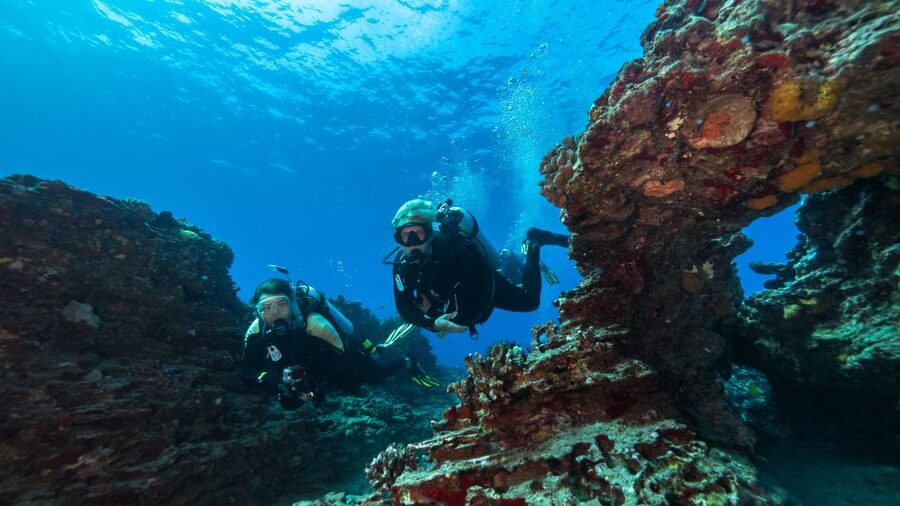
The crew decides which wreck site fits the current and conditions. You may visit the Sea Tiger, or you may explore the YO-257 and San Pedro.
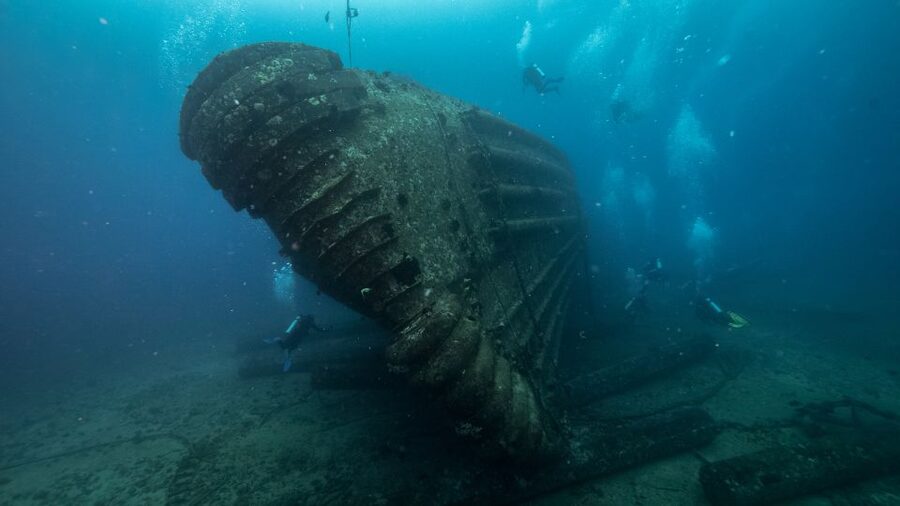
The Sea Tiger is a former trading vessel lying in 123 feet of water. Its deck and superstructure rise into the 60 to 90 foot range, giving you different depths to explore while you look over the ship. It is one of Oahu’s deepest recreational wreck sites, so you should treat it as a substantial outing rather than an easy introductory session.
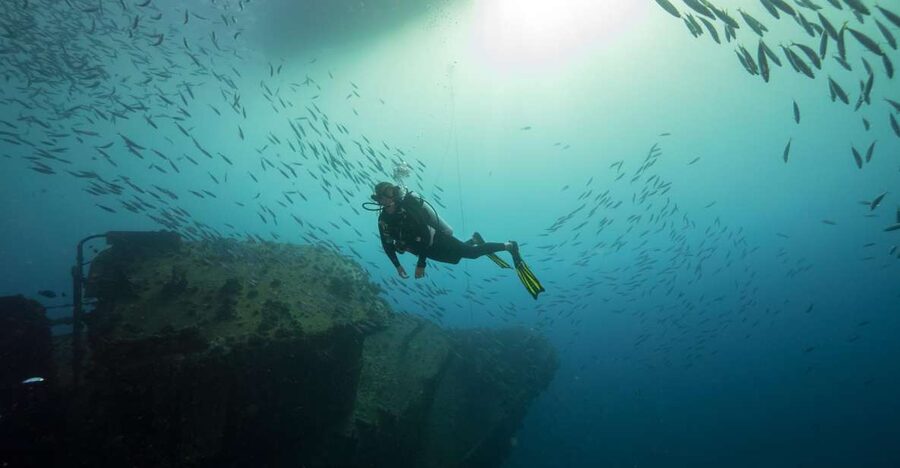
The wreck is known for marine life around the structure. Keep watch for whitetip reef sharks, sea turtles, moray eels, eagle rays, and schools of fish. The animals are not guaranteed, of course, but this is the kind of site where a wreck is more than a piece of metal on the bottom. It creates shelter and gathering places for sea life.
The YO-257 rests in 115 feet of water, with its deck and superstructure around 70 to 90 feet. The San Pedro sits about 50 yards away. Seeing two ships in one area gives the outing a useful sense of variety, though the short distance between them does not mean you should expect to visit both every time.
The San Pedro is shallower, but shallower does not automatically mean easier. It can experience strong currents and is visited only when conditions are right. That restriction is sensible. You should see it as a safety decision, not as a missing part of the promised experience if the crew chooses another plan.
What the wrecks are like underwater
The wreck portion is the more dramatic half of the trip. You descend into deeper water, orient yourself around the ship, and look for the contrast between the vessel’s hard lines and the animals using it as shelter.
Depth affects the experience. At 115 to 123 feet, you need to be a properly certified diver who is comfortable with your air use, buoyancy, and depth limits. The supplied information does not specify a required certification level, so bring proof of your existing PADI or approved-course certification and ask the operator if you have questions about your qualification.
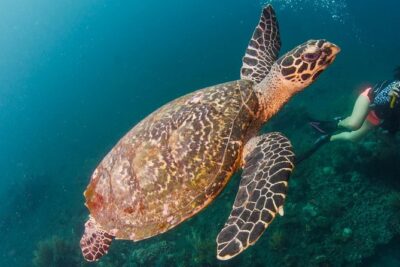
One account described a large turtle resting on the Sea Tiger and a small shark near the bottom of the vessel. Another person saw a broad range of marine life. Those details capture the appeal of the site: you may be examining a ship’s structure one moment, then watching a turtle or shark at close range the next.
Visibility, current, timing, and animal behavior all affect the result. Do not book this expecting a guaranteed shark or turtle encounter. Book it because the wreck setting gives you a good chance to see wildlife in an interesting habitat, with a professional guiding the group.
There is also a less flattering possibility. One person found the first underwater session short and felt that much of the second was spent circling without seeing the wreck. That experience appears to have been shaped by conditions, but it is useful to remember that ocean activities are not museum visits. The crew can control safety and planning, not visibility, current, or the animals.
More Dives for Certified Divers in the USA
- Certified Diver: 2-Tank Night Dive
★ 5.0 · 61 reviews - Certified Divers: Best 2-Tank Wrecks & Reef Boat Dive All Inclusive From Waikiki
★ 5.0 · 41 reviews - Oahu: Shallow Reef Scuba Dive for Certified Divers
★ 5.0 · 11 reviews - Oahu Night Dive: Adventure for Certified Divers
★ 3.6 · 6 reviews
The surface interval is part of the experience
After the wreck, you return to the boat for a surface interval. This is when the practical comforts earn their keep. You can drink water or soda, have an energy bar or gummies, rest in the shade, and take in the Honolulu shoreline before the next session.
The interval also separates the two moods of the trip. The wreck is the bold, structured part, with depth and ship interiors or superstructure to examine. The reef portion is a chance to slow down and look closely at the living habitat.
You should use the break to eat lightly, hydrate, and listen to the crew’s instructions for the next site. The boat captain and guide have been described as friendly and willing to answer questions, which is helpful if you want a clearer idea of what you may see or how the conditions are changing.
The reef session brings a different kind of wildlife
The second underwater session visits one of Honolulu’s favored reef sites. It is not simply an extra lap after the wreck. Reef habitat gives you smaller details to notice: fish tucked into the coral, eels in crevices, crabs on the bottom, starfish, octopus, and Hawaiian endemic fish.
You may also encounter turtles, rays, and sharks, along with dolphins in the wider area. The list is broad, but it should be read as possible marine life rather than a promise. The strength of this part is variety. If the wreck is quiet on a particular day, the reef offers another setting and another chance to find something memorable.
One outing included a turtle that followed the guide and came close to the group. That kind of behavior is never something to count on, but it shows why staying with the guide and watching rather than chasing animals matters. Let the wildlife decide how close it wants to come.
The reef can also feel more relaxed than the wreck. You have already completed the deeper portion, and the guide can help point out creatures that are easy to miss when you are focused only on a ship. For many people, this second session may become the more enjoyable part because it rewards patience and observation.
How the guides and group size shape the day
You travel with PADI-certified professionals rather than managing an unguided boat outing. The guide leads the underwater route, helps with the site plan, and provides information about what you are seeing. The boat captain is also part of the experience, handling the trip between sites and the practical work on board.
The group is described as small, though no exact maximum is provided. That usually makes it easier to stay near the guide and ask questions, but you should not assume a private charter. You are still sharing the boat and underwater route with other certified divers.
I like this setup for divers who have certification but do not know Oahu’s sites. The local team can adjust the plan when current or visibility changes, and the paired wreck and reef format gives you more than one type of underwater setting.
The English-only format deserves a clear mention. You do not need perfect English for every casual conversation, but you do need to understand safety instructions and group signals. If you have not been in the water for some time, tell the crew before the session begins.
Who will get the most from this $248 outing
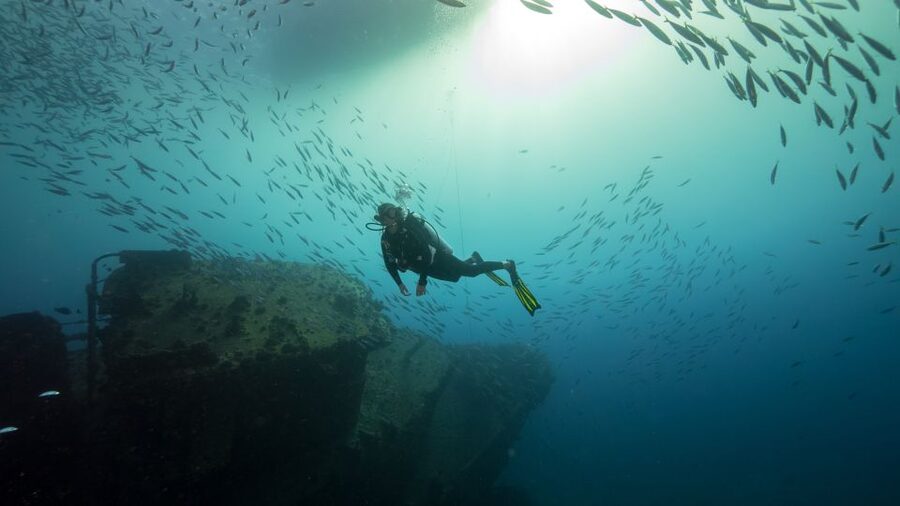
This trip suits a certified diver who wants a convenient boat-based day without bringing a full equipment kit. The included gear, wetsuit, snacks, and drinks reduce the number of separate arrangements you need to make in Honolulu.
It is also a good fit if you want both wreck and reef scenery. Some boat outings focus on one site and repeat a similar setting. Here, you get the possibility of a shipwreck first and a reef afterward, which gives the three hours a clear rhythm.
I would be more cautious if you are newly certified, uncomfortable at depth, or easily affected by rough boat conditions. The wrecks sit well below the surface, the San Pedro can have strong current, and one account described choppy water. You need to be in good health, able to swim, and ready for open-water conditions.
The activity is not suitable for children under 15 or pregnant women. It is listed as wheelchair accessible, but you should contact the operator in advance about the exact assistance you require during boarding and equipment setup.
Timing, cancellation, and practical planning
Bring swimwear, a towel, sunscreen, and your certification card or other approved proof. The operator requires certification evidence before you board, so do not leave it in your hotel room or assume your booking confirmation will be enough.
You should not fly within 24 hours after scuba activity. That rule affects the end of your Oahu stay, so schedule this outing early enough to leave a full 24-hour buffer before your flight.
Free cancellation is available up to 24 hours before the start time, and you can reserve now and pay later. Those policies help if your plans are still moving, but they do not remove the need to choose your date carefully around flying and weather.
Check your email after booking. The local partner sends a confirmation, and if the details are wrong or the message has not arrived within two hours, contact the operator directly.
Should you book the Oahu wreck and reef outing?
Book it if you are a properly certified diver who values a guided boat trip, included equipment, and two distinct underwater settings. The Sea Tiger and the YO-257 offer the kind of wreck scenery that makes Oahu appealing to experienced recreational divers, while the reef session gives you another chance at turtles, rays, sharks, eels, and Hawaiian fish.
Think twice if your main goal is a guaranteed wreck visit or perfectly calm water. Site choice depends on conditions, the San Pedro may be skipped, and marine life is unpredictable. At $248, the outing is best value for visitors who need gear and want a professionally managed boat experience, not for divers seeking the cheapest possible time underwater.
FAQ
How long does the Oahu wreck and reef outing last?
The activity lasts three hours, including the boat trip, equipment preparation, two underwater sessions, and the surface interval.
Which wreck sites might I visit?
You may visit the Sea Tiger, or the YO-257 and San Pedro wreck sites. The exact choice depends on conditions and current.
How deep are the wrecks?
The Sea Tiger rests in 123 feet of water, with its deck and superstructure around 60 to 90 feet. The YO-257 rests in 115 feet, with its deck and superstructure around 70 to 90 feet.
Is equipment included?
Yes. Premier gear rental and wetsuits are included in the price, along with snacks and refreshments.
What certification do I need?
All divers must show proof of certification from PADI or another approved diving course before boarding the boat.
Where do I meet the boat?
Meet at Unit 109 at the harbor. Parking is available at Kewalo Basin for $2 per hour, or you can use free parking at Ala Moana Beach Park.
Can I fly after the activity?
You should not fly within 24 hours after scuba activity. Plan your schedule so the full 24-hour period has passed before your flight.
More Reef Diving in the USA
- Miami Beach: Guided 2-Tank Reef and Wreck Dive Trip
★ 4.8 · 13 reviews - Florida Keys: Scuba Diving & Snorkeling Reef Trip
★ 5.0 · 4 reviews - Key Largo: Molasses Reef Novice to Intermediate Dive
★ 5.0 · 2 reviews
More Reef Diving in Oahu
- Incredibly Fun Coral Reef Giant Sea Turtles 4hour Boat Scuba Tour
★ 4.5 · 300 reviews
Newly logged dives around Oahu
- Oahu: Cageless Shark Dive Adventure★ 4.9 · 60 reviews
- Oahu: Shallow Reef Scuba Dive for Certified Divers★ 5.0 · 11 reviews
- Oahu Night Dive: Adventure for Certified Divers★ 3.6 · 6 reviews
- Waikiki: Honolulu Beginner Scuba Diving with Videos★ 4.7 · 94 reviews
- Certified Divers: Best 2-Tank Wrecks & Reef Boat Dive All Inclusive From Waikiki★ 5.0 · 41 reviews
- Certified Diver: 2-Tank Night Dive★ 5.0 · 61 reviews
- Oahu Open Water Shark Diving Experience★ 5.0 · 128 reviews
- Open Water Shark Dive★ 5.0 · 185 reviews
Wreck Diving, side by side.
Wreck and Bridge Span Dive for Certified Divers
Read our review →
Bali Diving for Beginners: Tulamben Liberty Wreck
Read our review →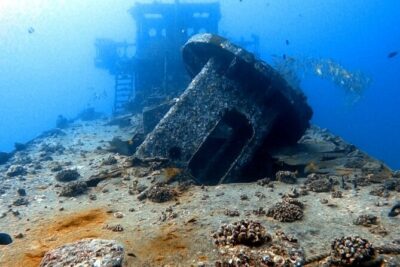
Certified Diver: 2-Tank Deep Wreck and Shallow Reef Dive Off Oahu
Read our review →
Waikiki 2 Tank World Class Wreck SCUBA Diving – Certified Only
Read our review →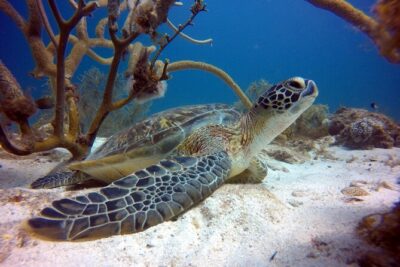
Private First-Time Dive on Aruba’s Reef and Wreck Site
Read our review →Tulamben Diving USS Liberty Shipwreck Scuba Dive
Read our review →