Review · OAHU
Oahu Night Dive: Adventure for Certified Divers
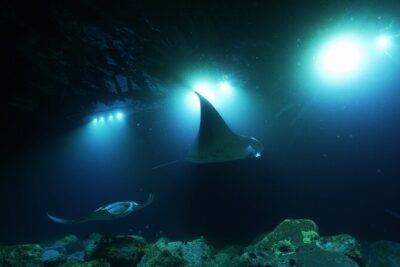
As daylight fades, Oahu’s south shore changes character underwater. Reefs that seem familiar by day become a different world at night, with eels, rays, octopus, crabs, and other creatures appearing in the beam of your light. The twilight-to-darkness progression is the most interesting part of this outing.
I like the practical two-tank setup, which gives you two full underwater sessions instead of one short taste. I also like that the price includes the major equipment, from tanks and lights to a wetsuit and BCD. The main catch is simple: you must already be certified, in good health, and comfortable in the ocean after sunset.
Key points at a glance
- Two distinct underwater sessions: Start at twilight, then return after sunset for a full night session.
- Marine life after dark: Watch for sharks, turtles, eels, rays, octopus, starfish, crabs, endemic Hawaiian fish, and possibly dolphins.
- Gear included: Two tanks, dive lights, wetsuit, weights, fins, and BCD are part of the $248 price.
- Comfortable boat setup: The charter has a sun deck, shaded deck, open space, and a restroom.
- Certification is required: Bring proof of certification to the boat, and do not plan to fly within 24 hours.
- Easy harbor access: Meet at Kewalo Basin, front row, slip 8, near the large turtle picture.
Twilight turns Oahu’s reefs into a new world
The appeal here is not simply seeing Hawaii underwater. It is seeing the change from day to night in real time.
Your first session begins around twilight, when the last daylight still reaches the reef. Some daytime creatures settle into shelter, while nocturnal animals begin to appear. That transition gives you more variety than a standard daytime outing and lets you compare the same general setting at two different points in the evening.
A PADI-certified guide leads both underwater sessions. You will use a light to examine the reef, and the narrow beam changes how you see the water. Instead of taking in everything at once, you notice movement, texture, and small details one pool of light at a time.
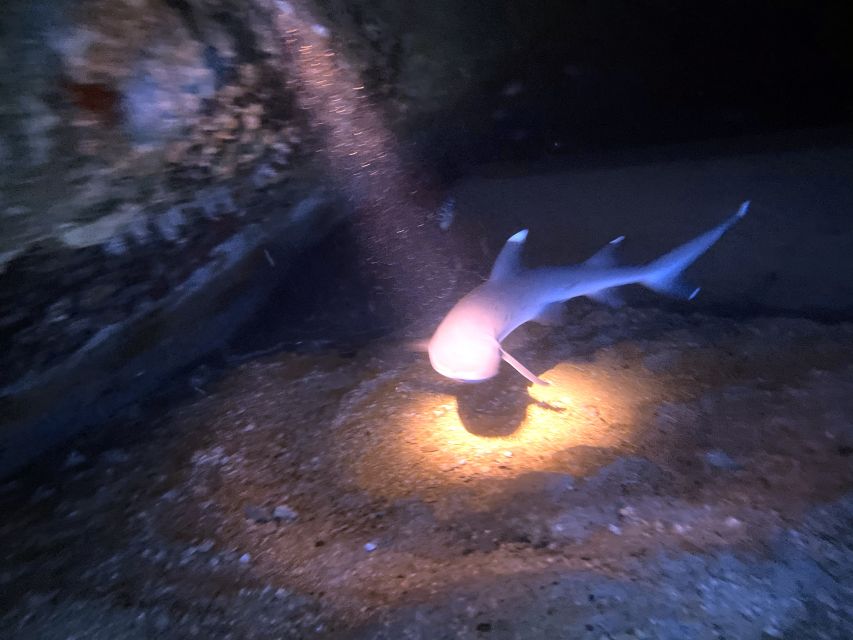
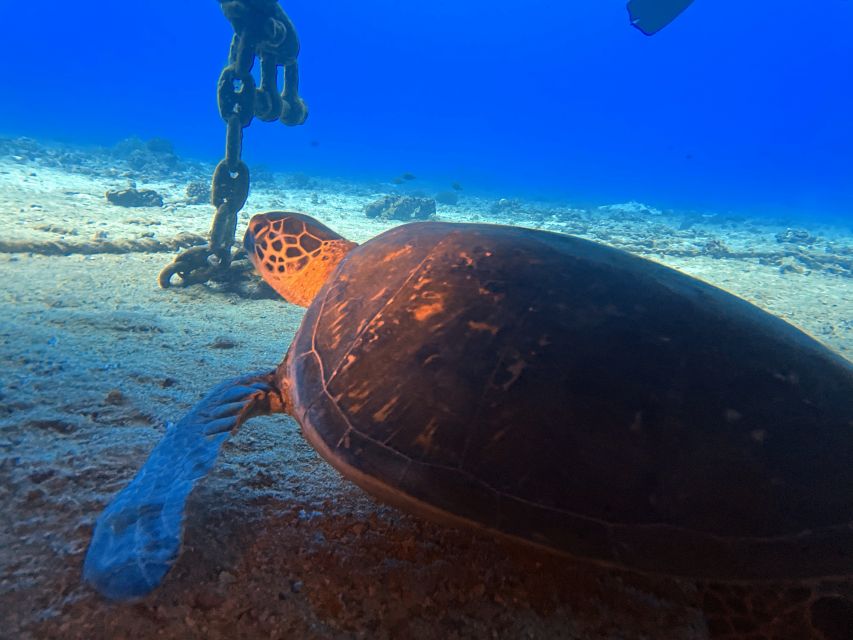
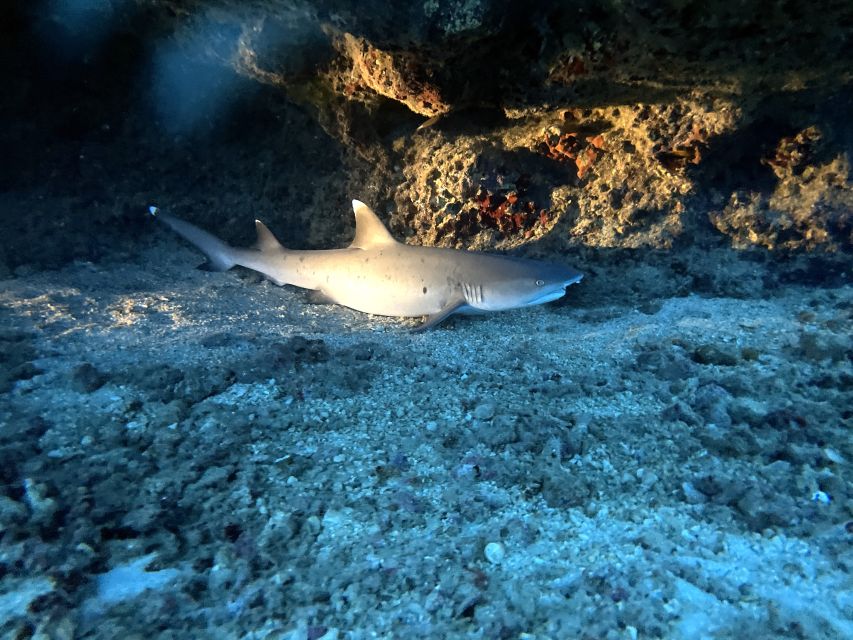
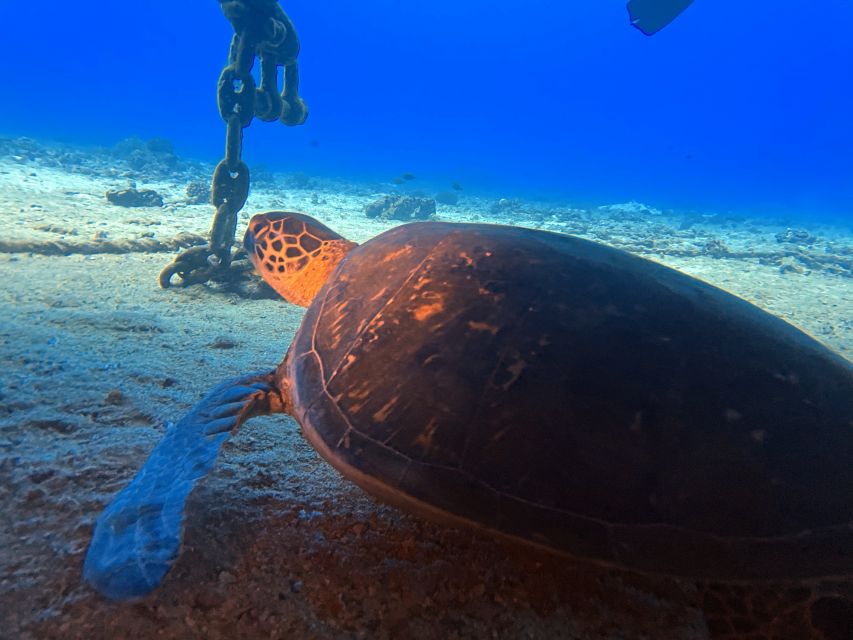
Possible sightings include sharks, turtles, eels, rays, octopus, starfish, crabs, Hawaiian endemic fish, and dolphins. No wildlife encounter is guaranteed, but the list gives you a good sense of the setting. You are not heading out only for a scenic swim. You are looking for animals that behave differently once the sun has gone down.
More Dives for Certified Divers in Oahu
- Certified Diver: 2-Tank Deep Wreck and Shallow Reef Dive Off Oahu
★ 5.0 · 331 reviews - Certified Diver: 2-Tank Shallow Reef Dives off Oahu
★ 5.0 · 278 reviews - Waikiki 2 Tank World Class Wreck SCUBA Diving – Certified Only
★ 4.5 · 205 reviews
Meeting at Kewalo Basin without a rushed start
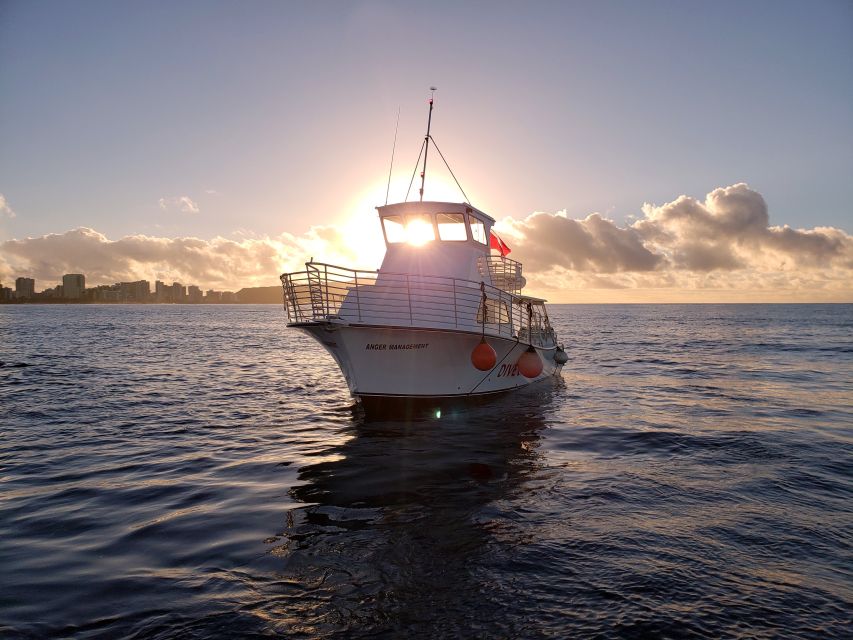
The meeting point is at the harbor, front row, slip 8. Look for the large picture of a turtle. Arrive at least 30 minutes before the scheduled start, since a late arrival could create a problem before the boat even leaves.
Parking is available at Kewalo Basin for $1 per hour. Ala Moana Beach Park offers free parking, though you should allow enough time to walk from the park to the harbor. The exact starting time varies, so check availability when booking and leave room for parking, changing, and finding the correct slip.
The boat is set up for a three-hour outing, not a bare-bones transfer. You have a sun deck, a shaded deck, room to move around, and a restroom. That matters more than it may sound. After an hour underwater, you will want a place to sit, adjust your gear, and warm up or cool down before the next session.
The first hour: a reef at the edge of night
After a 25-minute safety briefing in Honolulu, you begin the first guided underwater session. This briefing is an important part of the trip, especially because the outing takes place during a changing light level and later in darkness.
The first session lasts about one hour. At twilight, you may still see some of the reef’s daytime activity, but the setting is already changing. The guide helps you pay attention to that shift and points out marine life that you might miss while managing your own equipment.
This is also the better session for anyone who feels slightly uneasy about total darkness underwater. You still get the unusual atmosphere of an evening outing, but some natural light remains. It gives you time to settle into the water, check your light, and get comfortable before the darker second session.
The supplied equipment includes a wetsuit, fins, weights, BCD, tanks, and lights. If you have preferred personal gear, the information does not say whether you may use it, so confirm that directly with the local operator before arrival. You should bring swimwear and a towel.
Sunset on the boat and a useful surface break
Between the two sessions, you get a 30-minute break with snacks and refreshments. This is more than filler between activities. It gives you time to rest, take in the sunset, and prepare for the most unusual part of the outing.
The first session may leave you focused on the reef and your equipment. The surface interval lets you reset. You can sit on the shaded deck, enjoy the changing sky, or use the sun deck if you want open air. The restroom on board is another practical comfort during a three-hour trip.
The short break also helps explain the rhythm of this experience. It is not two rushed descents with no pause. You have a clear first session, a rest period, and a second guided session with a different mood.
More Dives for Certified Divers in the USA
- Certified Diver: 2-Tank Night Dive
★ 5.0 · 61 reviews - Certified Divers: Best 2-Tank Wrecks & Reef Boat Dive All Inclusive From Waikiki
★ 5.0 · 41 reviews - Oahu: Wreck & Reef Scuba Dive for Certified Divers
★ 4.8 · 17 reviews - Oahu: Shallow Reef Scuba Dive for Certified Divers
★ 5.0 · 11 reviews
The second hour: ocean life in complete darkness
The second session takes place after sunset, when the water is fully dark. Your complimentary light becomes your main way to inspect the reef. The beam may catch an octopus, a crab, a ray, or an eel as it moves through the darkness.
This is the part best suited to certified scuba participants who enjoy a stronger sense of adventure. Night conditions can make familiar surroundings feel less predictable, even when you are with a guide. You need to stay attentive, follow instructions, and remain comfortable managing your own equipment.
The experience is not designed for someone trying scuba for the first time. You must present proof of certification, be able to swim, and be in good health. The activity also excludes children under 15, pregnant women, and people with pre-existing medical conditions.
The guide is there to lead the route and help you notice the sea life, but you still need to bring your own readiness. If you have not been in the water for a long time, this may not be the right place to rediscover basic skills. A night session rewards calm habits and confidence.
What the $248 price really covers
At $248 per person, this is not a low-cost ocean activity. Its value depends on whether you would otherwise need to rent equipment and arrange two separate sessions.
The fee includes a three-hour PADI-certified guided experience, two tanks, dive lights, a wetsuit, weights, fins, and BCD. Snacks and refreshments are also included. For a certified participant who needs most of that equipment, the bundled price is easier to justify because the major practical costs are already included.
You are paying for more than boat time. The outing combines a twilight session, a sunset break, a full night session, gear, and guidance. That makes it more substantial than a single short underwater encounter.
Still, the price may feel high if you own all your own gear or mainly want to see Oahu from the surface. Parking is extra, though Kewalo Basin costs $1 per hour and free parking is available at Ala Moana Beach Park.
The available score is 3.6 from six ratings, with a verified five-star rating describing the experience as amazing. That is a small sample, so I would treat it as limited evidence rather than a firm verdict. The strongest clear positive is the excitement of the activity itself, while the main decision points are certification, comfort in dark water, and price.
Marine life: what you might see after sunset
The wildlife list is broad, but it should be read as a set of possibilities rather than a promise. Ocean conditions and animal behavior change from one evening to the next.
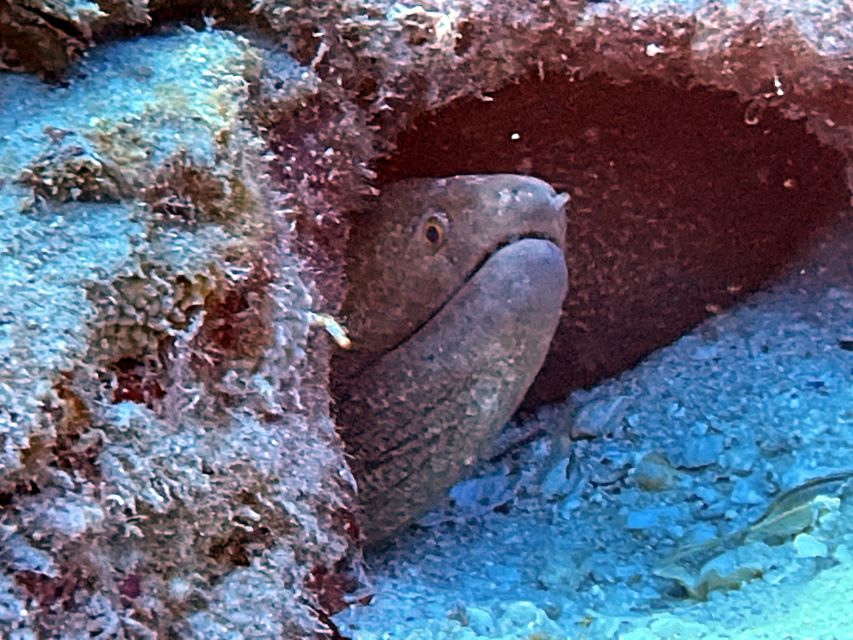
Sharks and turtles may appeal to anyone who wants a memorable large-animal encounter. Eels, rays, and octopus are especially suited to night observation because your light can reveal animals tucked into cracks or moving across the reef.
Starfish and crabs offer smaller details that are easy to overlook during the day. Hawaiian endemic fish add a local angle, since these species are connected specifically to the islands rather than being generic tropical aquarium life. Dolphins are also listed as a possible sighting, though no wildlife guarantee is provided.
The best approach is to treat the light beam as a search tool rather than expecting a parade of animals. You may spend part of the session watching the reef itself and waiting for movement. That patience is part of the appeal.
Who will enjoy this most
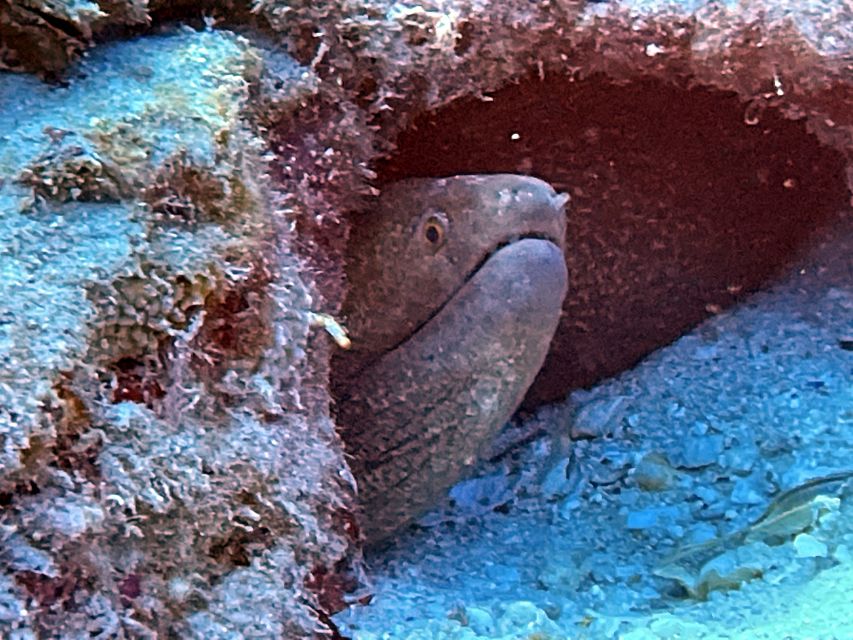
This outing suits a certified scuba participant who wants something beyond a routine daytime reef visit. You should be comfortable swimming, able to show certification proof, and in good health.
It is especially appealing if you like:
- The contrast between twilight and full darkness
- Guided wildlife spotting
- Two substantial underwater sessions
- Using a light to examine the reef
- A small sense of suspense without giving up professional guidance
- Having tanks and most equipment provided
It is less suitable if you are a beginner, have not used scuba gear in some time, or prefer calm sightseeing from a boat. The activity is not available to children under 15, pregnant women, or people with pre-existing medical conditions.
You also need to plan around the no-flying rule. Do not schedule a flight within 24 hours after the activity. This matters for visitors on a tight Hawaii itinerary, especially if you are leaving Oahu the next morning.
Simple preparation that makes the evening easier
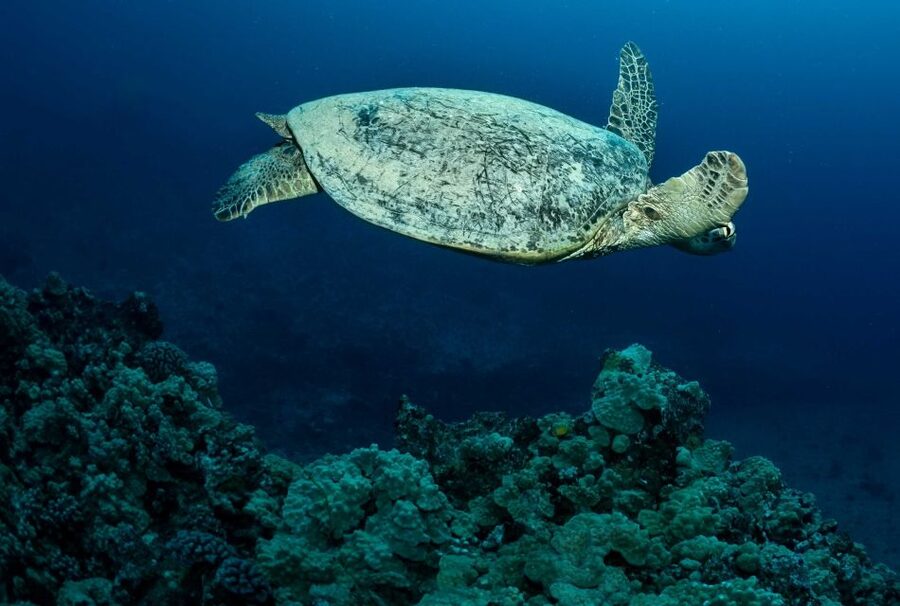
Bring swimwear and a towel. Bring your certification proof as well, since you must present it at the boat. The operator sends a confirmation email after booking, so keep that available in case you need the meeting details or final start time.
Arrive 30 minutes early. Kewalo Basin is straightforward once you find the correct front row and slip 8, but harbors can still take a few minutes to navigate. Look for the large turtle picture rather than relying only on a street address.
Wear something comfortable for the boat ride and bring only what you need. The supplied information confirms a restroom and several deck areas, but it does not specify storage arrangements, so avoid arriving with bulky luggage.
The cancellation policy is useful if your plans are uncertain: you can cancel up to 24 hours ahead for a full refund. You can also reserve now and pay later, which gives you some flexibility while arranging the rest of your Oahu schedule.
Is this the right Oahu activity for you?
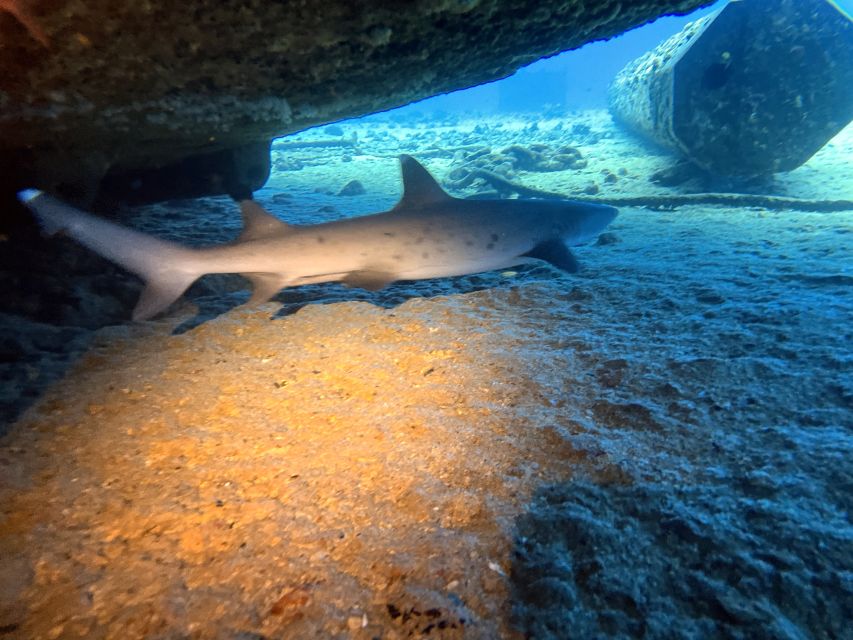
Book this outing if you are already certified, want a serious underwater experience, and like the idea of seeing a reef change from twilight to darkness. The two-session format, included equipment, onboard restroom, and sunset break make the three hours feel purposeful.
Skip it if you are looking for a casual family activity, have no scuba certification, or need to fly the next day. At $248, it is best value for someone who will use the two tanks and included rental gear rather than someone seeking a quick introduction.
For the right participant, the strongest reason to go is the change in mood between the two sessions. You begin with the last light of day and finish with only your torch beam cutting through the water, guided by a PADI-certified professional. That is a specific kind of Hawaii memory, and it is worth the cost if night scuba already appeals to you.
FAQ
Where does the activity meet?
Meet at Kewalo Basin harbor, front row, slip 8. Look for the large picture of a turtle.
How early should I arrive?
Arrive at least 30 minutes before the scheduled start time.
How long does the activity last?
The full experience lasts three hours, including the safety briefing, two underwater sessions, and the surface break.
Do I need scuba certification?
Yes. You must be a certified diver and show proof of certification at the boat.
What equipment is included?
The price includes two tanks, dive lights, a wetsuit, weights, fins, and a BCD.
Are snacks provided?
Yes. Snacks and refreshments are provided during the surface interval between the two underwater sessions.
Can I fly after the activity?
No. You must not fly within 24 hours after scuba activity.
Can I cancel for a refund?
Yes. You can cancel up to 24 hours in advance for a full refund. You may also reserve now and pay later.
More evening trips around Oahu
- 2 Days & 1 Night – 2 Dives in Lembongan/Penida (for certified divers)
★ 5.0 · 76 reviews - Kailua-Kona: Night Manta Snorkel or Dive
★ 4.6 · 7 reviews
More Night Dives in Oahu
- One Tank Manta Night Dive and Snorkel
★ 5.0 · 56 reviews - Scuba Diving Kata Beach Night Dive for Certified Divers
★ 4.5 · 14 reviews - Cairns: Pro Dive Great Barrier Reef 3 Day/2 Night Dive Trip
★ 4.5 · 12 reviews
Newly logged dives around Oahu
- Oahu: Wreck & Reef Scuba Dive for Certified Divers★ 4.8 · 17 reviews
- Oahu: Cageless Shark Dive Adventure★ 4.9 · 60 reviews
- Oahu: Shallow Reef Scuba Dive for Certified Divers★ 5.0 · 11 reviews
- Waikiki: Honolulu Beginner Scuba Diving with Videos★ 4.7 · 94 reviews
- Certified Divers: Best 2-Tank Wrecks & Reef Boat Dive All Inclusive From Waikiki★ 5.0 · 41 reviews
- Certified Diver: 2-Tank Night Dive★ 5.0 · 61 reviews
- Oahu Open Water Shark Diving Experience★ 5.0 · 128 reviews
- Open Water Shark Dive★ 5.0 · 185 reviews
Night Dives, side by side.
Scuba Diving Kata Beach Night Dive for Certified Divers
Read our review →