
Review · AUSTRALIA
Gold Coast: 3-Day PADI Open Water Course
The Gold Coast is a fine place to learn scuba skills, and this three-day PADI course gives you more than a quick taste. You work through theory, practice basic techniques in confined water, then show what you can do in the open sea. I like the clear progression from classroom to real underwater conditions, and I like that the resulting certification is valid for life and accepted around the world.
The calm, patient teaching style is another strong point. Ryan is noted for putting beginners at ease, while Rhan and Josh are described as approachable and clear. The main catch is cost: the advertised AUD 315 price does not include the AUD 99 PADI e-book, eCard, and registration fee.
Key points
- Three days of structured training: Study safety basics, practice in confined water, then complete open-water sessions.
- Maximum depth of 18 metres: The PADI Open Water card allows certified scuba use to this depth.
- Gear and boat transport included: You do not need to arrange the main equipment or boat ride yourself.
- Beginner-friendly instruction: Ryan, Rhan, and Josh are noted for calm, patient explanations.
- A lifetime qualification: The PADI eCard remains valid for life and can be used worldwide.
- Budget for the extra AUD 99 fee: The course price is AUD 315, but registration materials and certification cost more.
From Surfers Paradise to your first underwater session
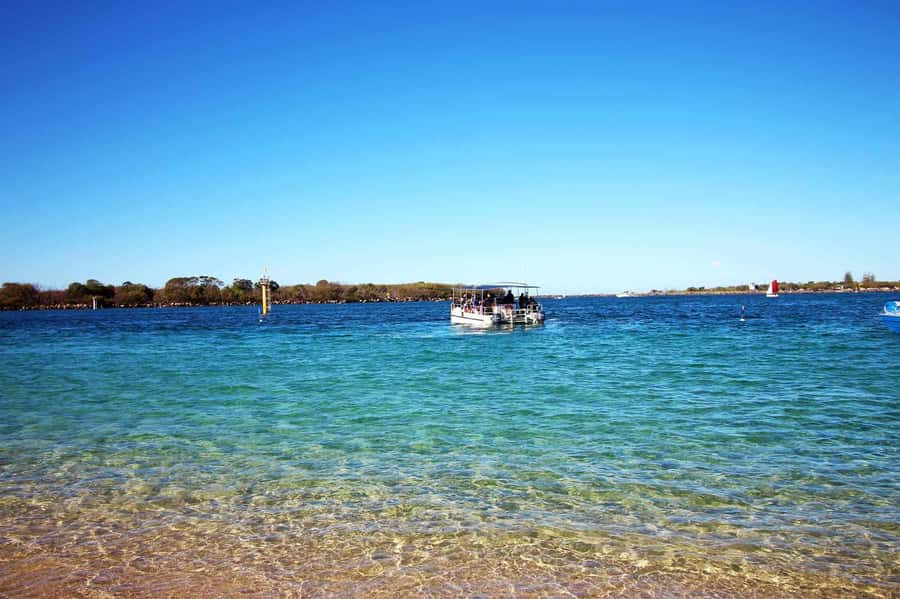
You begin at the dive shop at 19 Karloo Street, Surfers Paradise 4217. You must make your own way there, so leave time to find the address and arrive ready in swimwear with a towel.
This is not a one-hour introduction where you put on equipment and follow an instructor around. The course is built to teach you the basic principles and practical skills needed for safe, enjoyable scuba use. That structure matters. You are learning how to manage yourself underwater, not simply looking at fish from the surface.
The activity information gives a duration of six hours, while the course itself runs over three days. Since the exact daily timetable is not provided, check the available start times and confirm how the six hours are divided before booking. That small bit of planning can prevent a surprise if you are fitting the course around accommodation, airport transfers, or other Gold Coast plans.
More PADI Courses in Australia
- Cairns: 4-Day PADI Open Water Course
★ 4.8 · 44 reviews - Quicksilver Dive 4 Day PADI Learn to Dive Course
★ 5.0 · 35 reviews - 4-Day PADI Open Water Dive Course – Learn to Dive on the Great Barrier Reef
★ 5.0 · 27 reviews
Day one: the theory behind safe scuba
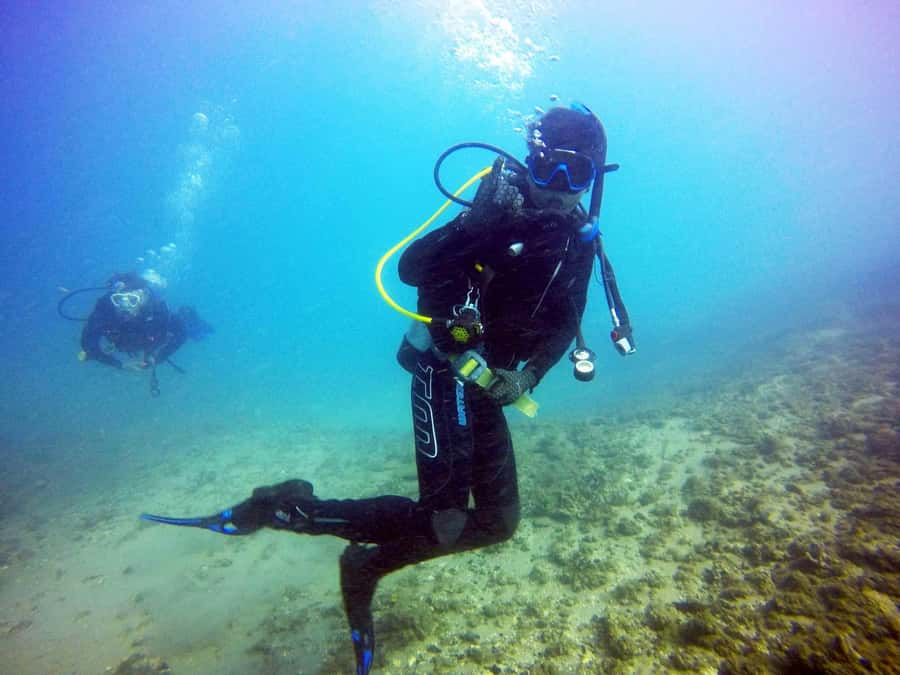
The academic part comes first. You learn the basic rules that make underwater travel safe, including the principles behind equipment use, controlled movement, and sensible decisions below the surface.
The course does not present certification as a casual souvenir. You need to understand the material and show that you can use it. That is good news for a beginner, even if it means the first stage feels more like study than holiday fun.
I like this approach because scuba equipment can make the underwater world seem easy at first glance. A mask, tank, regulator, and buoyancy equipment do much of the work, but you still need to respond properly when conditions change. A solid theory session gives you a useful framework before you enter the water.
Instruction is available in English, Japanese, and Spanish. That choice can make a real difference when safety instructions are involved. If you are not fully comfortable with English technical terms, request your preferred language when you book or contact the operator.
Day two: confined-water practice without the pressure
The next stage takes place in confined water. Here, you work on the basic skills needed to handle scuba gear and move safely underwater before heading into a more typical sea environment.
This is the right place to make mistakes. You can concentrate on breathing, equipment handling, and body position without the added demands of a full open-water session. Your instructor can watch closely and help you repeat a skill until it feels manageable.
Beginners often need time to settle into the sensation of breathing underwater. The course information does not promise a particular pool or training site, so do not assume a specific setting. What is clear is that confined-water practice comes before the open-water part, giving you a gradual path into the sport.
The instructor’s manner matters here. Ryan is specifically praised for being calm with beginners, while Rhan and Josh are described as approachable and patient in their explanations. Those qualities are not decorative extras. A steady instructor can help you slow down, listen, and correct a problem instead of rushing through it.
Day three: taking your skills into open water
The final practical stage moves into open water. You use the skills learned in confined water and demonstrate them in a normal underwater setting with an instructor present.
This is the part most people imagine when they think about a PADI Open Water Course, but it works best because of the earlier preparation. You are not being dropped straight into the sea with a tank and told to figure things out. The open-water sessions test whether the basic skills have become reliable enough for real conditions.
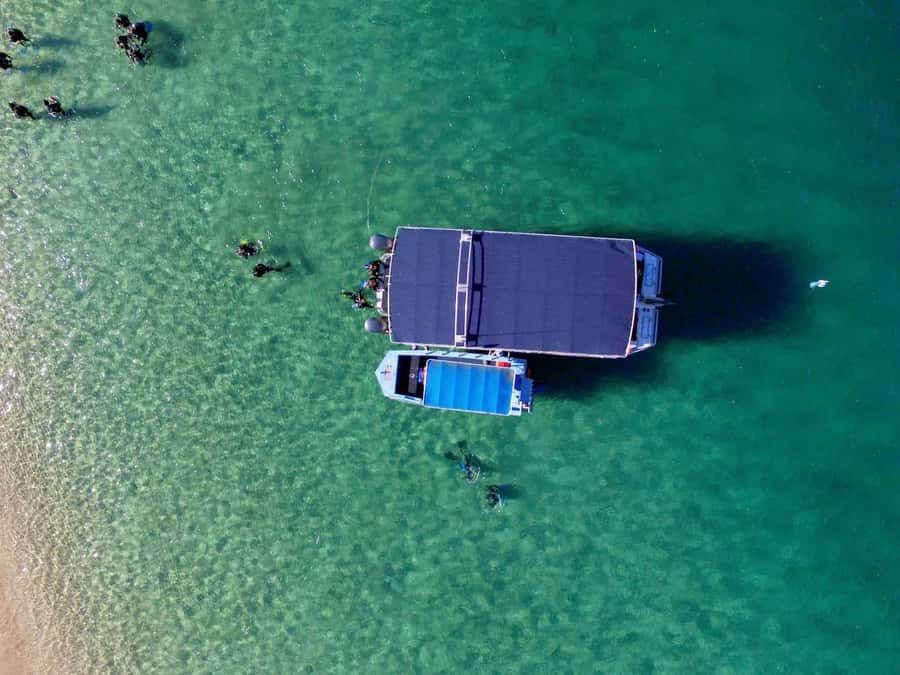
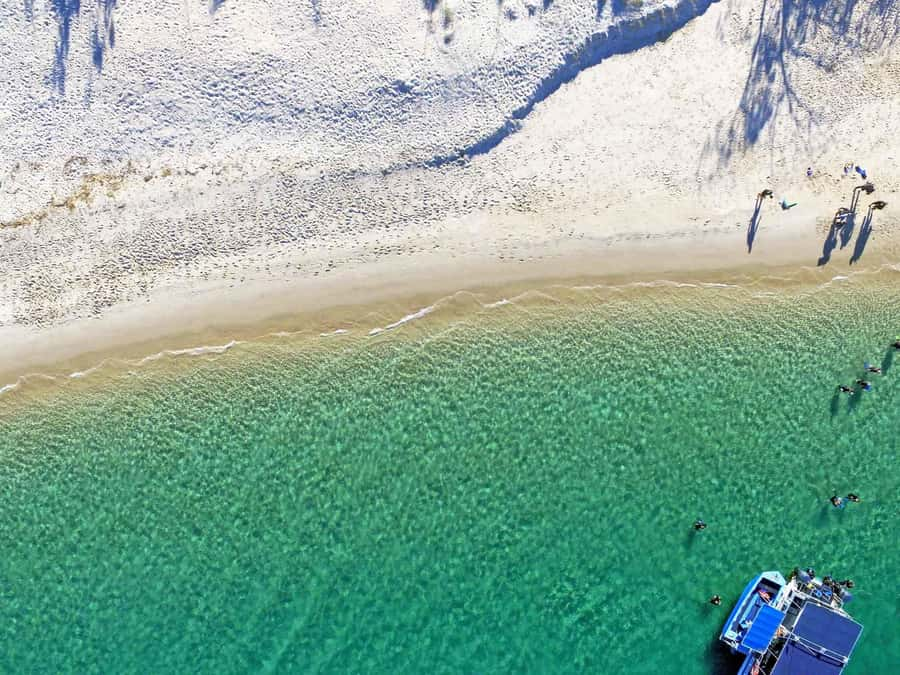
Boat transport is included, which simplifies the day and adds a sense of occasion. You make your way from shore to the underwater site by boat, then use the equipment supplied as part of the course. The exact route, site, marine life, and boat size are not specified, so book this for the training and Gold Coast setting rather than for a guaranteed wildlife encounter.
One unusual feature is the chance to use a boogie board and watch sea life pass by. This gives you a lower-pressure way to observe the water, especially if you are still gaining confidence below the surface. It also breaks up the technical side of the course with a simple moment of looking around.
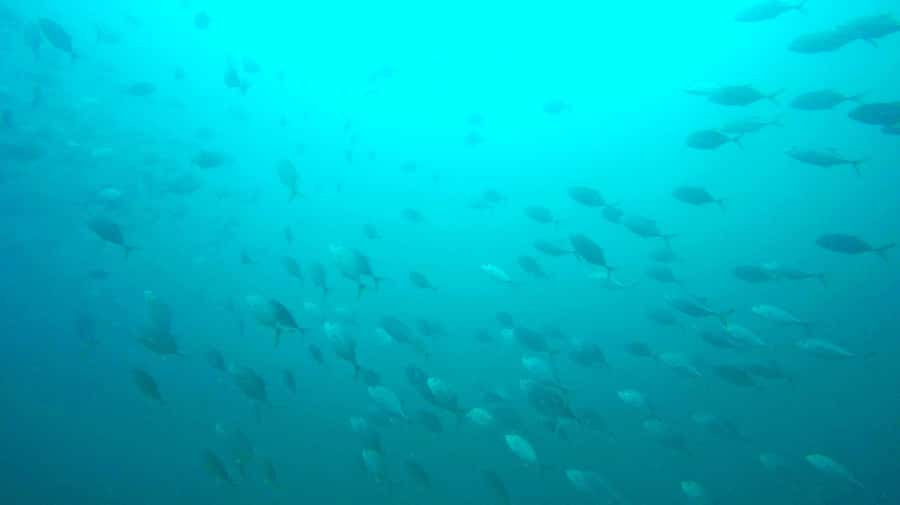
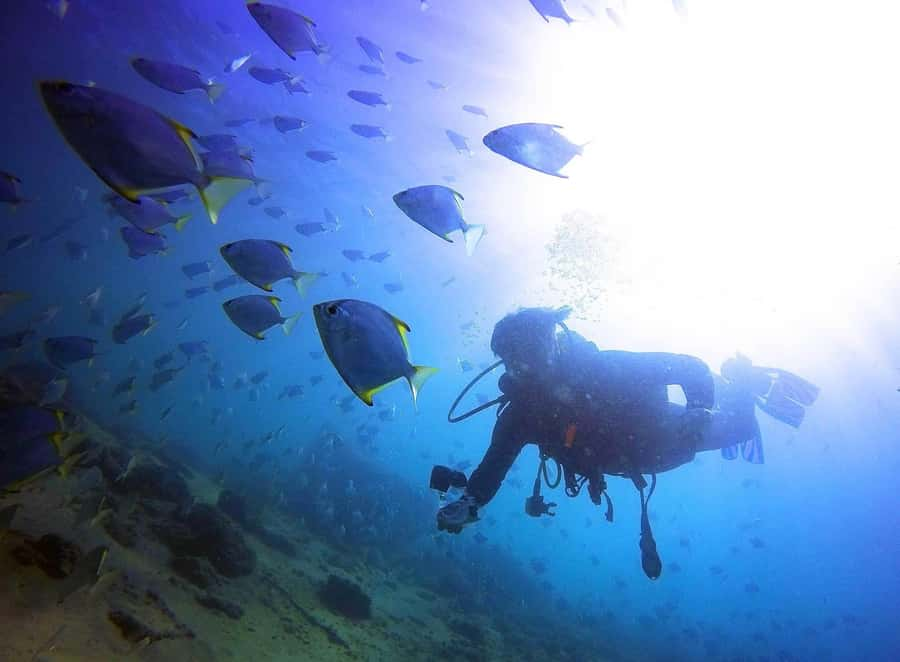
The Gold Coast is not presented here as a guaranteed fish-watching spectacle. Conditions and sightings can vary, and the supplied details do not name particular animals or reefs. Think of the marine life as a welcome part of the setting, not the main promise.
Same water, a different dive:
- Great Barrier Reef Snorkeling and Diving Cruise from Cairns
★ 4.5 · 3,714 reviews - Ocean Freedom Great Barrier Reef Luxury Snorkel and Dive Cruise
★ 5.0 · 1,895 reviews - Cairns: Premium Snorkelling and Diving Reef Day Trip
★ 4.7 · 1,528 reviews - Cairns: Outer and Coral Cay Snorkel and Dive Cruise
★ 4.8 · 1,467 reviews
What the AUD 315 price really covers
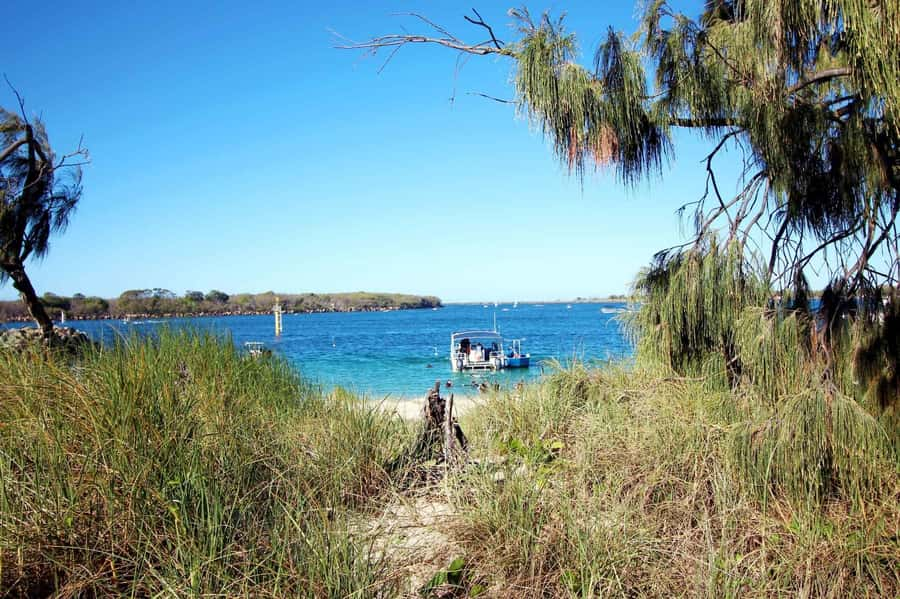
The course costs AUD 315 per person. For that price, you receive an instructor, boat transport, and scuba equipment. Those inclusions are important because arranging equipment and transport separately could make a beginner course harder to manage.
You also need to add AUD 99 for the PADI e-book, PADI Certification eCard, and registration. Your realistic minimum is therefore AUD 414 per person before any unrelated Gold Coast costs such as accommodation, meals, or transport to the shop.
I consider that fair value if you want a qualification you can keep using. The certification is valid for life and permits scuba use to a maximum depth of 18 metres. It also allows you to hire equipment from dive shops around the world, so the course can serve as the first step toward future underwater trips.
That worldwide use is the real value. If you only want to try breathing underwater once, the cost may feel high compared with a short introductory session. If you expect to use the qualification later, the price covers training, equipment, boat transport, and a recognized credential rather than a single scenic outing.
Do not confuse lifetime validity with unlimited experience. The course gives you the certification, but you still need to stay within the card’s limits and use sensible judgment. The stated maximum is 18 metres, and the course is designed for safe, enjoyable scuba use at that level.
Why the instructors matter to a first-time student
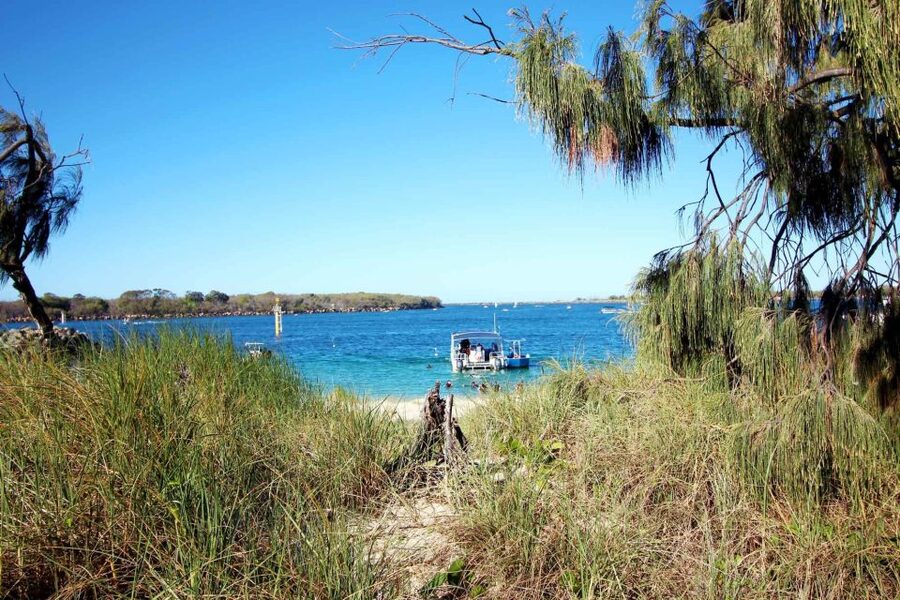
For a beginner, the instructor may matter more than the scenery. You need explanations that are easy to follow, corrections that are clear, and enough patience to let you work through unfamiliar tasks.
Ryan receives particular praise for staying calm with beginners. Rhan and Josh are noted for being approachable and explaining things patiently. I would treat those details as a useful sign for anyone who feels nervous about the first session, especially the moment when you begin breathing underwater.
The course offers instruction in English, Japanese, and Spanish. You should choose the language in which you can best understand safety procedures and technical instructions. A relaxed tone is helpful, but accurate communication comes first.
The experience is still a proper certification course, not a casual lesson. You must complete the academic work, confined-water training, and open-water demonstrations. A friendly instructor can make the process easier, but you still need to pay attention and meet the course requirements.
Who should book this Gold Coast course
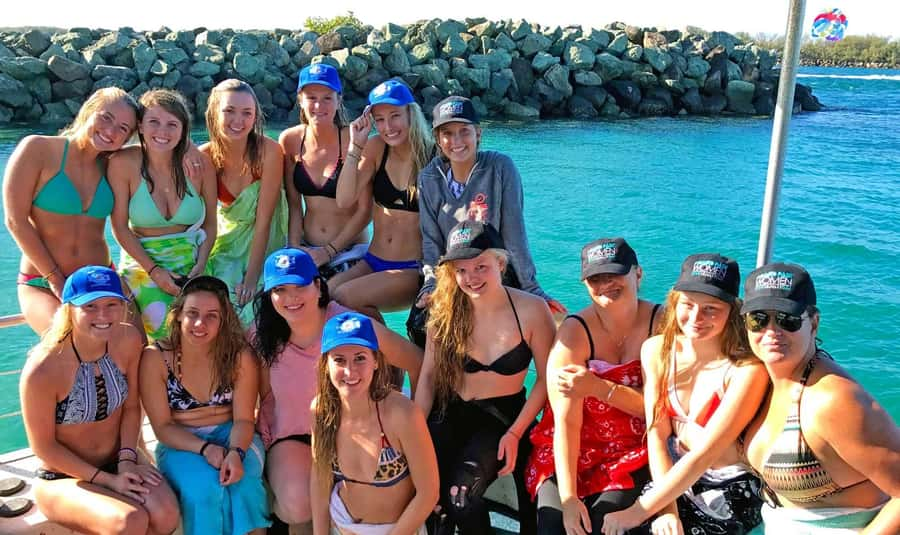
This course suits adults and older children who want a full entry-level scuba qualification rather than a quick trial. Children under 10 cannot take part, so families with younger children will need another water activity.
It is also a good fit if you plan to scuba in other countries later. The lifetime PADI eCard and 18-metre limit give you a qualification you can take with you, and the ability to hire equipment from dive shops adds practical use beyond the Gold Coast.
You should be comfortable committing time across three days. The course is not ideal for someone trying to squeeze a qualification into a single morning, even though the listed activity duration is six hours. Confirm the daily schedule before paying, especially if you have a tight itinerary.
The experience is not suitable for pregnant women, people with respiratory issues, or people prone to seasickness. Those restrictions are important, particularly because the course includes boat transport and open-water sessions. If any medical concern applies to you, do not assume that enthusiasm alone makes the activity suitable.
What to bring and how to prepare
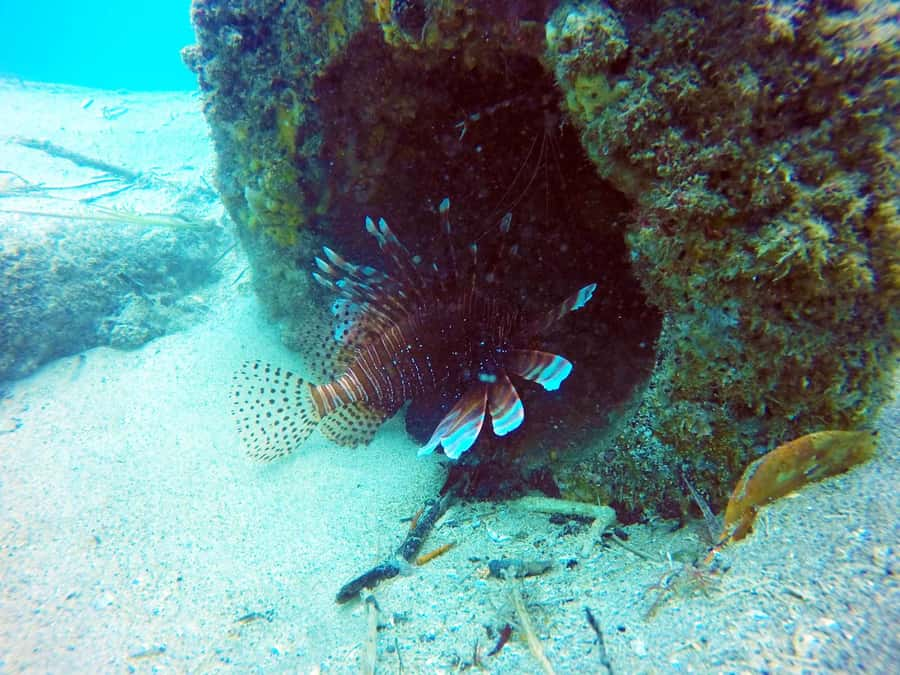
Bring swimwear and a towel. The operator supplies the scuba gear, so you do not need to arrive with your own equipment.
Wear something practical for moving between the shop, boat, and water. The provided information does not list food, drinks, personal medication, or sun protection, so plan those separately according to your own needs.
You also need to arrange your own way to 19 Karloo Street in Surfers Paradise. This is one of the few logistics not covered by the course. Boat transport begins as part of the activity, but getting to the meeting point is your responsibility.
If you are prone to seasickness, think carefully before booking. The course includes travel by boat and open-water work, so this is not a minor detail. The experience provider specifically lists seasickness as a reason not to take part.
Cancellation, timing, and practical planning
You can cancel up to 24 hours in advance for a full refund, which gives you some breathing room if your Gold Coast plans change. You can also reserve now and pay later, keeping the booking flexible while you settle your schedule.
Starting times depend on availability. Since the course is spread across three days, confirm all session times rather than checking only the first meeting. You need to know how the academic, confined-water, and open-water parts fit into your itinerary.
The current score is 4.8 from 28 ratings, and the strongest praise centers on instructor manner. That matches the needs of a beginner course: calm teaching and clear explanations often matter more than fancy extras.
Should you book the Queensland Scuba Diving Company course?
Book it if you want a serious first scuba qualification, can spare three days, and plan to use the card again. The lifetime certification, 18-metre limit, supplied equipment, boat transport, and multilingual instruction give the course useful long-term value.
Think twice if you only want a brief underwater look, dislike boat travel, or have respiratory concerns, pregnancy, or a strong tendency toward seasickness. Also remember to add AUD 99 to the advertised AUD 315 price.
For a nervous beginner, the calm approach associated with Ryan, Rhan, and Josh is a strong reason to consider this course. Just arrive at the Surfers Paradise shop prepared, confirm the schedule, and treat the training as the main experience. The sea life and boogie board are pleasant additions, but the real prize is leaving with a skill you can use far beyond the Gold Coast.
FAQ
How long does the PADI Open Water Course take?
The course runs over three days. The listed activity duration is six hours, so check the available start times and confirm how those hours are arranged across the three days.
What is included in the AUD 315 price?
The price includes an instructor, boat transport, and scuba equipment.
What costs extra?
The PADI e-book, PADI Certification eCard, and registration cost an additional AUD 99.
Where do I meet for the course?
You must make your own way to the dive shop at 19 Karloo Street, Surfers Paradise 4217.
What languages are available?
Instruction is available in English, Japanese, and Spanish.
Who cannot take part?
The course is not suitable for children under 10, pregnant women, people with respiratory issues, or people prone to seasickness.
More three-day trips around Australia
- Cairns: Pro Dive Great Barrier Reef 3 Day/2 Night Dive Trip
★ 4.5 · 12 reviews - 3-Day PADI Open Water Diving Course in Dubai
★ 5.0 · 173 reviews - Padi open water diver course, become a diver in 3 days
★ 5.0 · 113 reviews - Become certified diver in 3 days – PADI Open Water Diver course on Koh Tao
★ 5.0 · 104 reviews
Newly logged dives around Australia
- Port Douglas: Premium Outer Reef Dive Trip★ 5.0 · 2 reviews
- Port Douglas: Poseidon Outer Barrier Reef Dive and Snorkel★ 4.8 · 19 reviews
- Perth: Rottnest Island Scuba Diving Day Trip-Certified Diver★ 4.8 · 9 reviews
- Great Keppel Island: PADI Discover SCUBA Diving★ 5.0 · 2 reviews
- Moreton Island Day-Trip to Scuba Dive and More★ 4.1 · 59 reviews
- Townsville or Magnetic Island: Yongala Wreck Dive Day Trip★ 3.3 · 7 reviews
- Gold Coast: Introductory SCUBA Diving Experience★ 4.4 · 34 reviews
- Gold Coast: Cook Island Marine Reserve Scuba Experience Dive★ 4.5 · 3 reviews
PADI Courses & Certification, side by side.
Tossa de Mar: PADI Discovery Scuba Diving in Costa Brava
Read our review →
Full-Day Beginner Scuba Course with Private Tuition, Racha Yai
Read our review →
Heraklion: Beginner Scuba Diving Lesson with PADI Instructor
Read our review →
Discover Scuba Diving with No Certification in St Thomas
Read our review →
Try Dive – PADI Discover Scuba Diving in Tenerife
Read our review →
Lists this dive is on