
Review · SPAIN
Lloret de Mar: Scuba Diving Experience no License Required
The best part of this Lloret de Mar experience is simple: you get to discover what it feels like to breathe underwater without first taking a full certification course. After a short lesson, you practice in a sheltered, pool-like bay, then head beyond the bay with an instructor to see the Costa Brava from below.
I like the small-group format, limited to 10 people, and the clear step-by-step plan. I also like the care built into the experience. Guides such as Valentin and Sergio have been praised for explaining things well, handling nerves gently, and putting safety first.
The main consideration is the tight two-hour schedule. That includes the briefing, equipment practice, and time in open water, so this is an introduction rather than a long marine-life outing. Photos and videos are also extra, and one customer reported not receiving promised images.
Key points to know before booking
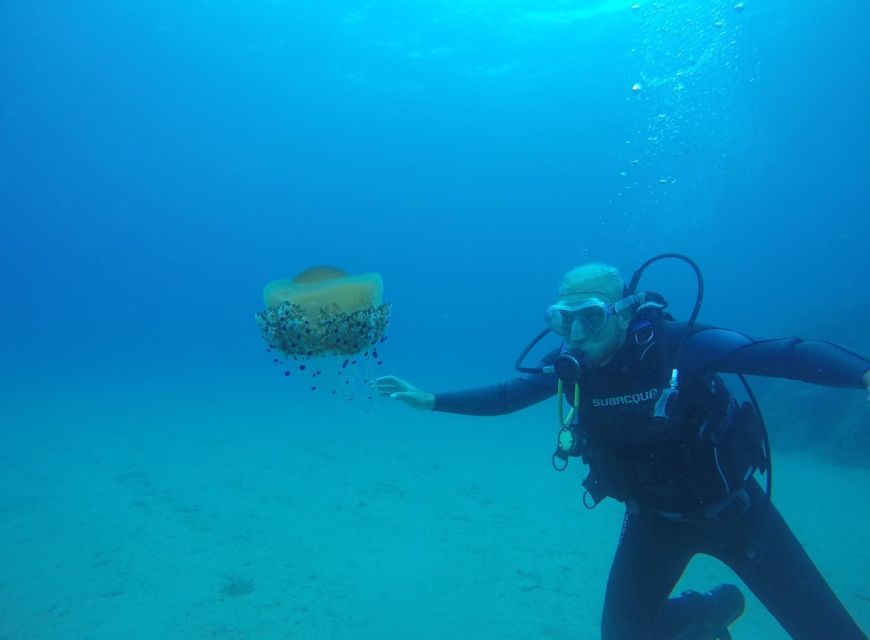
- Maximum depth of 12 meters: You get a real underwater experience, not just a shallow pool lesson.
- No previous experience required: The session begins with basic theory and equipment instruction.
- Sheltered-water practice first: You learn your first underwater breaths in a calm, bay-like setting.
- Small groups of up to 10: You receive closer attention than on a large boat excursion.
- Several instructor languages: Spanish, English, French, Russian, and Dutch are available.
- Two hours for $118: The price covers equipment, entrance fees, and instruction, but not food, drinks, or media.
What the Lloret de Mar scuba session is really like
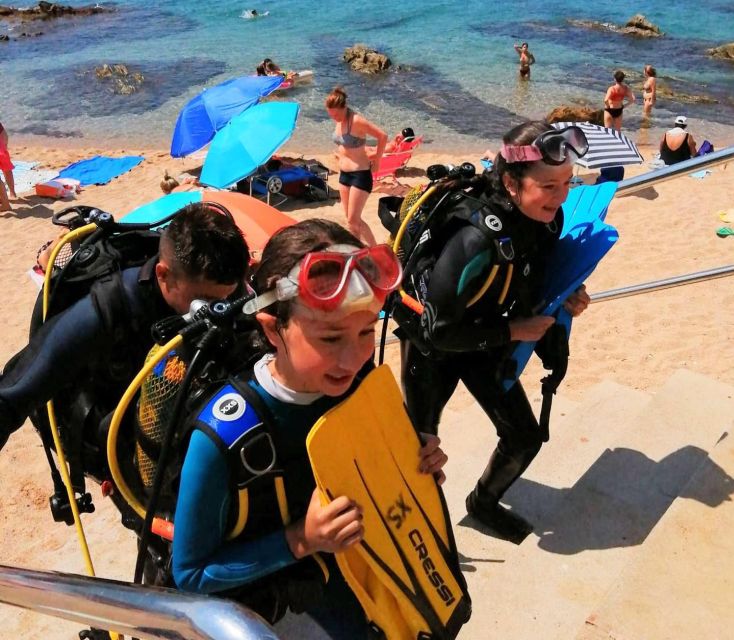
This is designed as a first taste of scuba, not as a certification course. You do not need prior training or a license. You simply need to be comfortable around water and ready to learn at a measured pace.
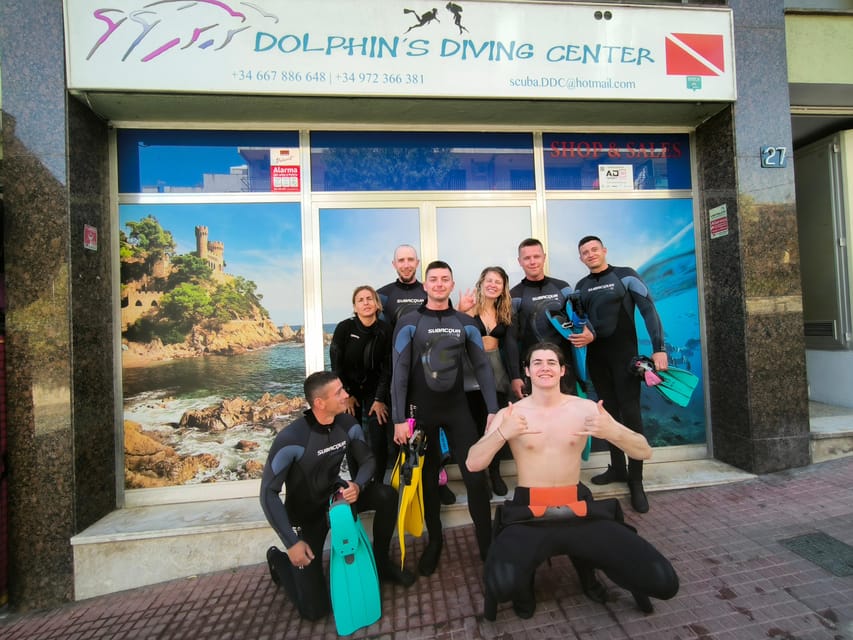
Your meeting point is the Dolphins Diving Center office in Lloret de Mar. From there, the session moves through three clear stages: a theory briefing, practice in sheltered water, and a guided swim outside the bay.
That order matters. Breathing through a regulator can feel odd at first, and the mask, tank, and other equipment take some getting used to. Learning those basics in calmer water gives you time to settle before the experience becomes more open and demanding.
The maximum depth is 12 meters. That is enough to give you a proper sense of underwater movement and allow you to get close to marine life, but your instructor remains in charge of the pace. You are not being sent off to explore alone.
More scuba diving around Spain
- Southern Tenerife: 50-Minute Submarine Dive
★ 4.8 · 2,216 reviews - Tenerife: Your First Scuba Diving Experience in Turtle Area
★ 4.7 · 1,679 reviews - Lanzarote: Real Submarine Dive
★ 4.5 · 1,039 reviews
First lesson: equipment, signals, and breathing underwater
The session starts on land with a theory lesson. Your instructor explains the scuba equipment and how it works, then gives you the basic information needed to begin safely.
The supplied information does not list every skill covered, so you should not expect a formal certification lesson. Think of this part as a practical orientation. You learn how the equipment feels and what to do when you first take a breath underwater.
This is also the time to speak up about nerves. One participant with anxiety and post-traumatic stress described needing to stop at different points, and the instructors responded quickly and respectfully. That detail is useful because first-time scuba is not an all-or-nothing test. If you feel overwhelmed, tell the instructor rather than trying to push through silently.
The staff’s approach appears to be one of close supervision. A participant described instructors responding to panic underwater, bringing the pair safely out, and swimming them back when needed. That does not mean every session will follow the same pattern, but it does show why personal communication matters.
You should arrive ready to listen, ask questions, and take the first breaths at your own speed. The experience is much more enjoyable when you treat it as a learning session rather than a challenge to prove something.
Sheltered water practice before the open-water swim
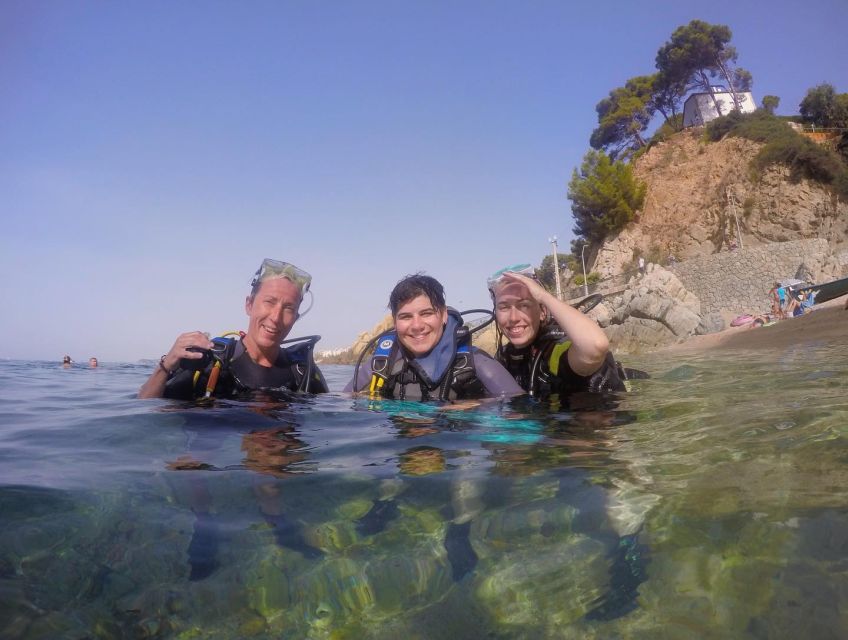
After the briefing, you go to a calm, pool-like bay. This is where the session becomes hands-on.
You practice your first breaths underwater and get familiar with the equipment. The sheltered setting is a useful middle step. You are no longer just listening to instructions, but you are also not immediately dealing with the full sense of open water.
I like this gradual structure for families and nervous beginners. A first underwater breath can feel surprisingly strange, even for confident swimmers. The bay gives you a place to adjust to the regulator and mask before moving farther out.
The available information does not specify how long you remain in the bay or exactly how far you swim afterward. The full session lasts two hours, so the time is shared between instruction and water work. If your main goal is a long underwater outing, keep your expectations in check.
The equipment is included, and one family specifically praised its condition. You will still need to bring your own swimwear and towel. Food and drinks are not included, so plan those separately around the session.
Moving beyond the bay to a maximum of 12 meters
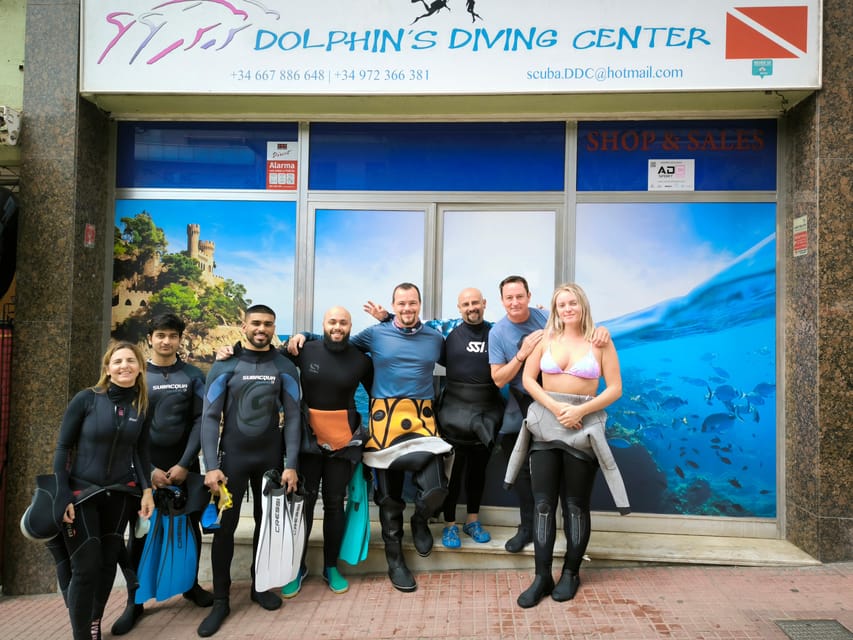
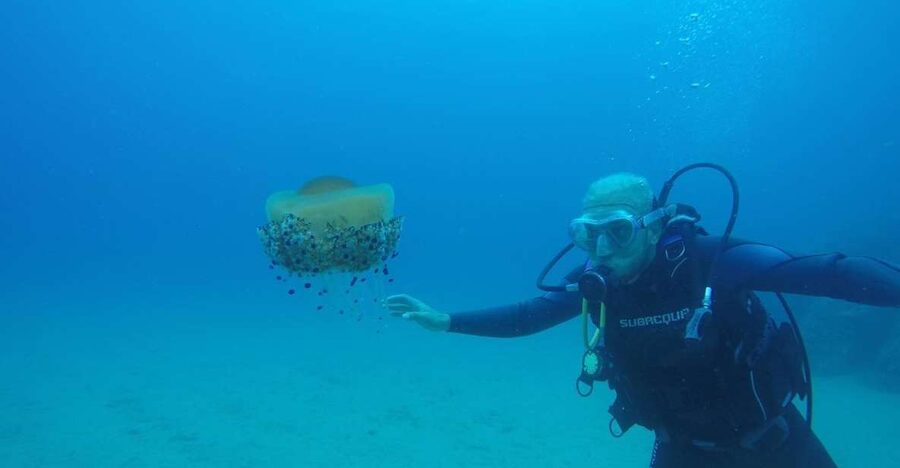
Once you are comfortable with the basic equipment, the instructor takes you beyond the sheltered area. This is the moment when the experience begins to feel like real scuba rather than a lesson in shallow water.
You swim underwater with the instructor and may get close to marine life. The maximum depth is 12 meters, though your actual depth can depend on your comfort, conditions, and the instructor’s judgment.
That depth offers a meaningful first experience. You can see the Costa Brava from a viewpoint unavailable to most people standing on shore, and the underwater setting becomes the main attraction rather than a quick demonstration.
Still, this is not a wildlife-focused expedition. The advertised experience promises the chance to get close to marine life, but it does not identify particular species or guarantee sightings. I would book it for the sensation of breathing underwater and the chance to explore, not for one specific animal.
The instructor remains central throughout this stage. You are not expected to navigate independently or manage a group of strangers. With a maximum of 10 participants, the group is small by excursion standards, although your actual personal attention can depend on how many people attend and how much support each person needs.
Same water, a different dive:
- Barcelona: PADI Discover Scuba Diving
★ 4.7 · 1,016 reviews - Mallorca: Discover Scuba Diving for Beginners
★ 4.7 · 805 reviews - Lanzarote Introductory Scuba Diving Experience
★ 5.0 · 766 reviews - Tenerife: Beginner’s Dive at a Spot with Turtle Sightings
★ 4.7 · 627 reviews
Why the instructors matter for a first attempt
A first scuba session succeeds or fails on instruction. Equipment alone does not make the experience comfortable.
The available instructor languages are Spanish, English, French, Russian, and Dutch. That is helpful in an international resort such as Lloret de Mar, especially when you need to understand safety instructions clearly.
Valentin and Sergio are named as the instructors who worked with one family. They were praised for being professional, kind, cheerful, and serious about safety. Those are exactly the qualities I would want in a first underwater session.
The strongest practical point is the response to nervousness. One participant and a friend were highly anxious and did not complete the full experience at the same pace. The instructors adjusted, responded to panic underwater, and helped them return safely. That makes this a better choice for cautious beginners than an activity that treats every participant as equally confident.
You should still be honest about your health and comfort in water. The experience is not suitable for people with heart problems, high blood pressure, or a tendency toward seasickness. The stated weight limit is 331 pounds, or 150 kilograms.
The age information needs a little care. The activity is described as available to people above 10, while the restrictions say it is not suitable for children under 8. Since those statements do not fully match, confirm the age of any child between 8 and 10 before booking.
Is $118 a fair price for two hours?
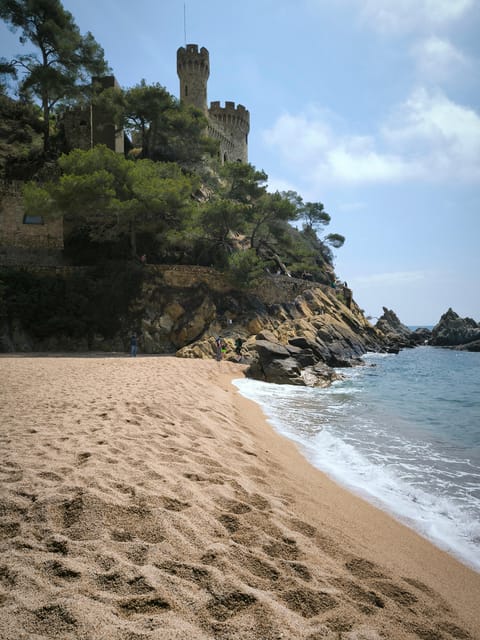
At $118 per person, this is not a cheap beach activity. The price makes more sense when you consider what is included: entrance fees, a guided experience, and all necessary scuba equipment.
You are paying for supervised instruction and access to the underwater session, not simply for equipment rental. For a beginner who wants to try scuba without committing to a full course, that can be a reasonable use of holiday money.
The value depends on your aim. If you want a first taste, personal support, and a guided introduction, the package is fairly straightforward. If you already have scuba experience, the two-hour format and maximum depth may feel limited.
There are extra costs to note. Food and drinks are not included. Photos and videos are also not included, and a personal trainer fee of 30 GBP is listed separately. The media point deserves attention: one customer said promised photos were not sent, while another said the photos and videos taken were very good. If pictures matter to you, confirm exactly what is included and when you will receive them before entering the water.
Group size, access, and planning the morning
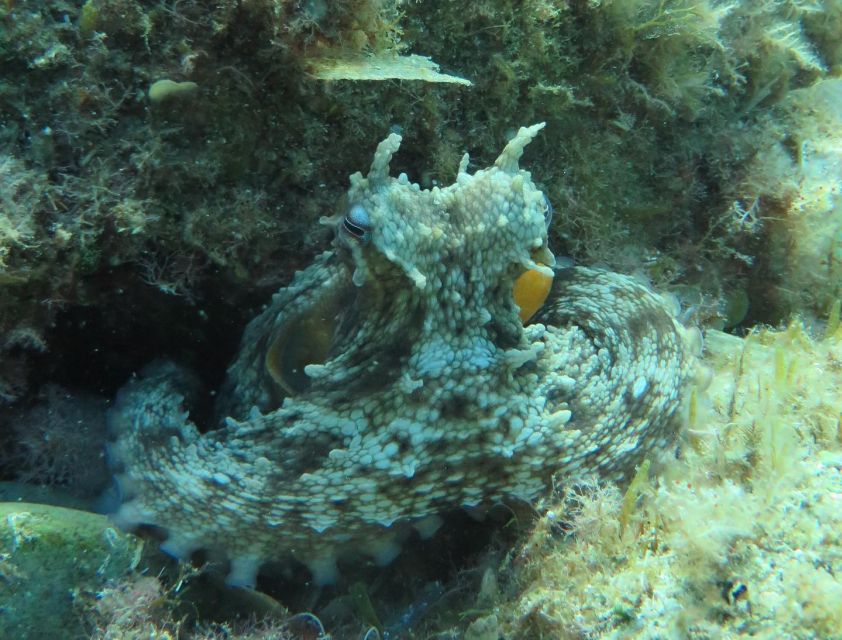
The group is limited to 10 participants, which keeps the activity from becoming a large, noisy production. A small group also gives the instructor a better chance to notice confusion or anxiety.
The experience is wheelchair accessible. The provided details do not explain the exact transfer process from the office to the water or whether every part of the shoreline setup is adapted, so contact the provider if you need specific assistance.
The duration is two hours, but you should treat that as the total activity time. It includes the theory, equipment explanation, bay practice, and open-water portion. Check the available start times when booking.
Cancellation is flexible: you can receive a full refund if you cancel at least 24 hours before the activity begins. You can also reserve now and pay later, which helps if your Costa Brava schedule is still shifting.
Bring swimwear and a towel. Alcohol and drugs are not allowed, and you must not feed marine animals. Those rules are basic, but they matter in an activity that depends on clear judgment and respect for the sea.
Who will enjoy this experience most?
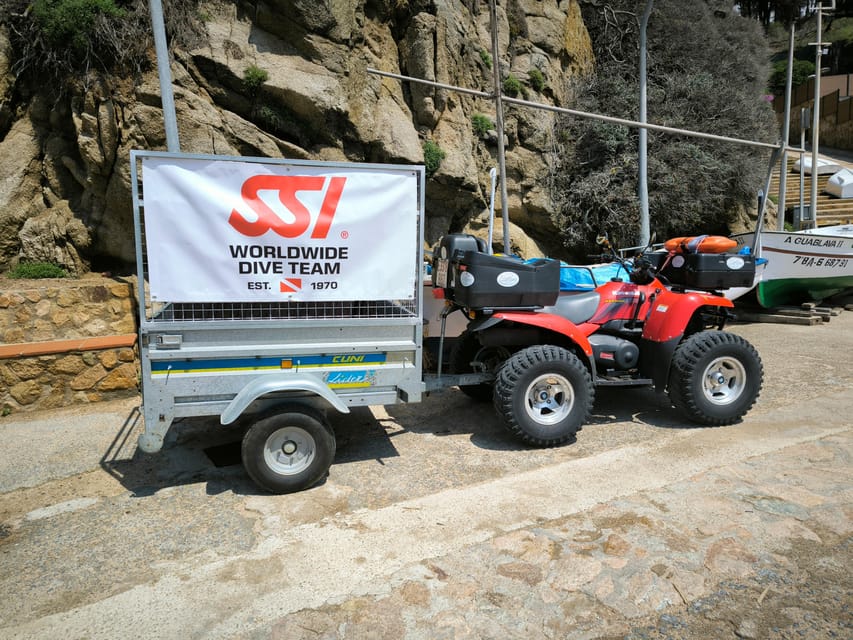
This is best for a first-timer who wants a guided, low-pressure introduction. You do not need a license or previous experience, and the sheltered-water practice makes the first stage less intimidating.
It also suits families with older children and teenagers, provided you confirm the age rule in advance. One family with two adults, one child, and two teenagers enjoyed the session and left interested in learning more about scuba. That is a good sign for families looking for an activity everyone can share.
It may also suit you if you are anxious but curious. The instructors’ response to panic is encouraging, although no water activity can promise that every person will feel comfortable. You need to be willing to communicate and accept that you may not complete every stage.
This is less suitable if you dislike water, suffer from seasickness, or have the listed heart or blood pressure conditions. It is also not the right pick if you want a full qualification, a long underwater trip, or guaranteed professional photographs.
What I would clarify before you book
I would ask three quick questions before paying. First, confirm the age requirement if anyone in your party is between 8 and 10. The supplied age details are not perfectly consistent.
Second, ask how the optional photos and videos work. They are excluded from the price, and the feedback on delivery is mixed. If you want a souvenir, do not assume it arrives automatically.
Third, confirm the personal trainer fee. A 30 GBP fee is listed separately, but the information does not explain exactly when it applies or what service it covers. Clarifying that point avoids an unpleasant surprise.
I would also tell the center about any anxiety, mobility concern, or health issue before the day of the session. The multilingual staff and small group make communication easier, but good planning is still your responsibility.
Should you book this Lloret de Mar experience?
Book it if you want a carefully supervised first taste of scuba in Costa Brava waters. The strongest reasons are the gradual move from theory to sheltered practice, the maximum group size of 10, the multilingual instruction, and the evidence that the instructors treat nervous participants with patience.
Think twice if you are mainly paying for photos, a long session, or a guaranteed marine-life encounter. At $118, the value comes from instruction, equipment, and the chance to breathe underwater under supervision. For a beginner, that is a fair package. For an experienced diver, it is likely too basic.
For most curious first-timers who like the water, I would consider it a worthwhile Lloret de Mar activity. Just confirm age details, health suitability, and media costs before you book.
FAQ
Do I need a scuba license or previous experience?
No. The activity is designed for beginners, and no previous experience is required. The session begins with theory, equipment instruction, and practice in a calm bay.
How deep will I go?
The maximum stated depth is 12 meters. Your actual depth depends on your comfort and the instructor’s judgment.
How long does the experience last?
The activity lasts two hours, including the theory briefing, equipment explanation, sheltered-water practice, and guided underwater swim.
What languages do the instructors speak?
Instruction is available in Spanish, English, French, Russian, and Dutch.
What should I bring?
Bring swimwear and a towel. Food and drinks are not included.
Is the experience suitable for children?
The activity is advertised for people above 10 years old, and children under 8 are listed as unsuitable. Because the information is unclear for ages 8 to 10, confirm the age requirement with the provider before booking.
Newly logged dives around Spain
- Fuerteventura: Introductory Dive in La Lajita with Pickup★ 4.9 · 68 reviews
- Scuba Diving – Dive for certified divers★ 4.3 · 4 reviews
- Scuba Diving Baptism in Caleta de Fuste★ 5.0 · 34 reviews
- Santa Pola: 3-Hour Scuba Diving near Tabarca★ 4.9 · 25 reviews
- Tenerife : Diving License international in one day★ 5.0 · 7 reviews
- Santa Cruz de Tenerife: PADI Introductory Dive★ 4.8 · 23 reviews
- Salou: Scuba Diving for beginners with hotel pickup★ 4.0 · 7 reviews
- S. Tenerife: 2 Dives for Beginners (Beach + Boat Experience)★ 4.1 · 6 reviews
Spain Scuba Diving, side by side.
Tenerife: Your First Scuba Diving Experience in Turtle Area
Read our review →
Tenerife: Beginner’s Dive at a Spot with Turtle Sightings
Read our review →
Scuba Diving Experience for Beginners in Gran Canaria
Read our review →
Tenerife First Time Scuba Dive – Turtle Habitat, Small Groups
Read our review →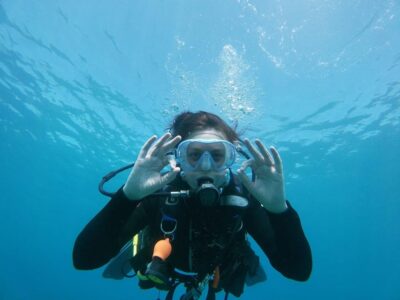
Lists this dive is on