
Review · TENERIFE
Tenerife : Diving License international in one day
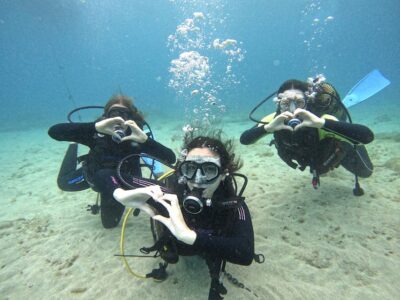
The big draw here is simple: in about four hours, you can go from no scuba experience to a CMAS Scuba Diver license at Abades, with training that starts on the beach and moves into the water. You learn in a private group of no more than two people, or alone with an instructor, so there is little room to hide if you need help.
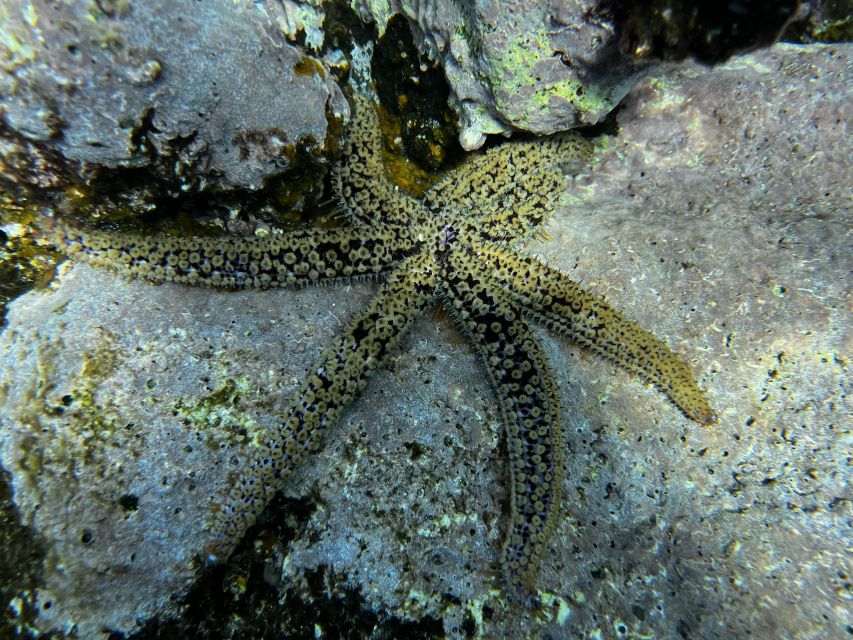
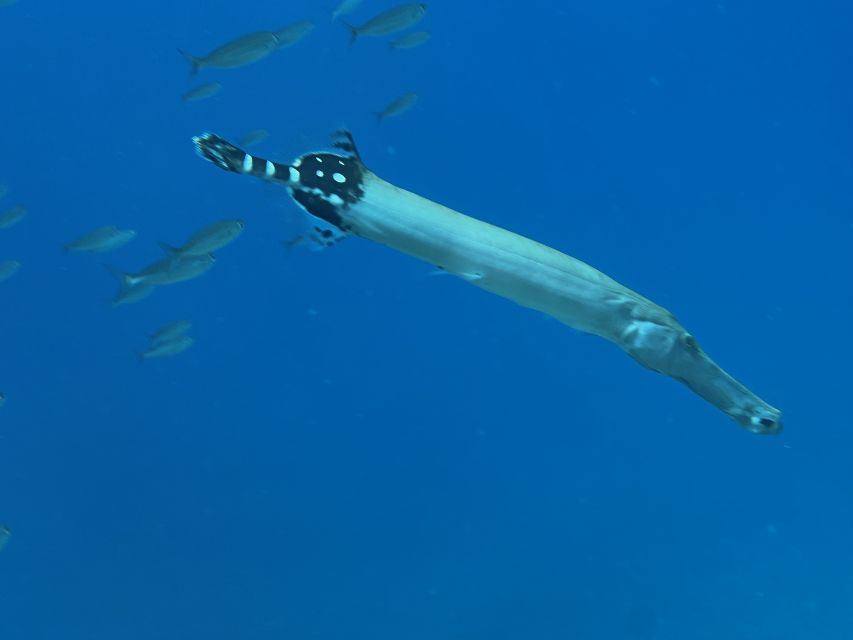
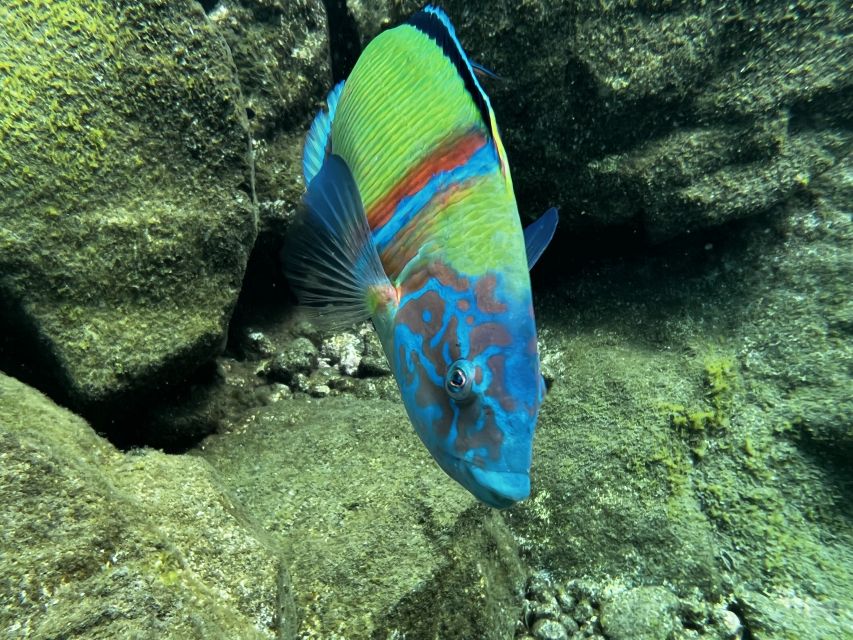
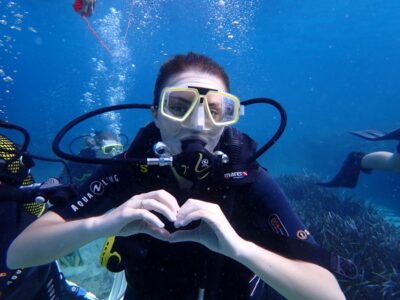
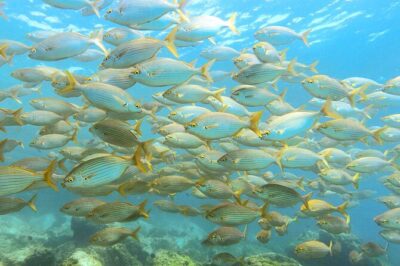
I like the beach-based training, which lets you practice each skill close to shore, and the chance to meet Tenerife’s underwater life, including fish, starfish, reefs, and possibly a sea turtle. The main consideration is that this is a demanding one-day course, not a casual tryout. You must swim adequately, complete the practical exercises, and avoid flying for 12 hours afterward.
Key points to know before booking
- A real first qualification: The CMAS Scuba Diver license allows supervised scuba activity to a maximum depth of 12 meters, or 40 feet.
- Small and personal: Training is limited to two people, with one-on-one instruction available.
- Beach entry at Abades: You practice on the sand and in shallow water before heading out for the two underwater sessions.
- Good for first-timers: No previous experience is needed, but you must be at least 10, able to swim, and in good health.
- Useful extras included: Equipment, wetsuit, tank, accident insurance, license fee, and underwater photos are covered.
- Wildlife is possible, not promised: Turtles may appear, but seeing one depends on luck.
Starting from scratch at Abades beach
This experience is designed for someone who has never used scuba equipment before. You do not need a previous certificate or any earlier underwater training, but you do need enough swimming ability to take part safely.
The session begins with dry practice on the beach. You learn what the equipment does and how to handle the tank, weights, mask, and other gear before entering the water. That order matters. You get a chance to ask questions and work through the basics without also dealing with waves, breathing, and buoyancy.
Natalie and Andres lead the activity in Spanish, German, or English. The small format should make it easier to say when something feels unclear. That is especially useful for first-timers, since small worries about breathing, pressure, or equipment can grow quickly if you keep them to yourself.
The course includes safety topics, pressure equalization, controlled resurfacing, underwater movement, orientation, and the care of marine life. You also learn how to look after the equipment. These are not side notes. They are the skills that help you stay calm and avoid damaging the sea floor or bumping into wildlife.
The day is planned around two underwater sessions and takes about four hours in total. Since the exact starting time depends on availability, check the schedule before booking. Set aside enough time for the whole course rather than treating it as a quick activity between other plans.
More one-day trips around Tenerife
- Cairns: Premium Snorkelling and Diving Reef Day Trip
★ 4.7 · 1,528 reviews - Ko Tao: Try Scuba Diving 1-Day Experience
★ 4.8 · 452 reviews - Hurghada Diving Adventure one Day with two Dives Boat Trip
★ 5.0 · 238 reviews
Learning the gear before entering the water
Scuba equipment can seem like a pile of straps, hoses, metal, and rubber until someone explains how each part works. Here, you are shown how to manage the tank and lead weights, then how to use the kit in the water.
The training also covers proper balance and hovering. These skills help you move without constantly kicking the bottom or using your hands for support. You learn to orient yourself underwater, control your ascent, and equalize pressure as you go down.
For a new participant, equalizing pressure is one of the most important practical lessons. Ear discomfort can ruin the experience quickly, and the course makes this a central part of safe underwater movement. Anyone with heart, lung, or ear problems should not take part.
You will also be expected to complete the practical exercises without serious difficulty. A license is not automatic simply because you paid for the course. If you cannot perform the required skills, you cannot receive the qualification. That rule may sound strict, but it is the right approach for a safety-based activity.
Two sessions in Tenerife’s coastal water
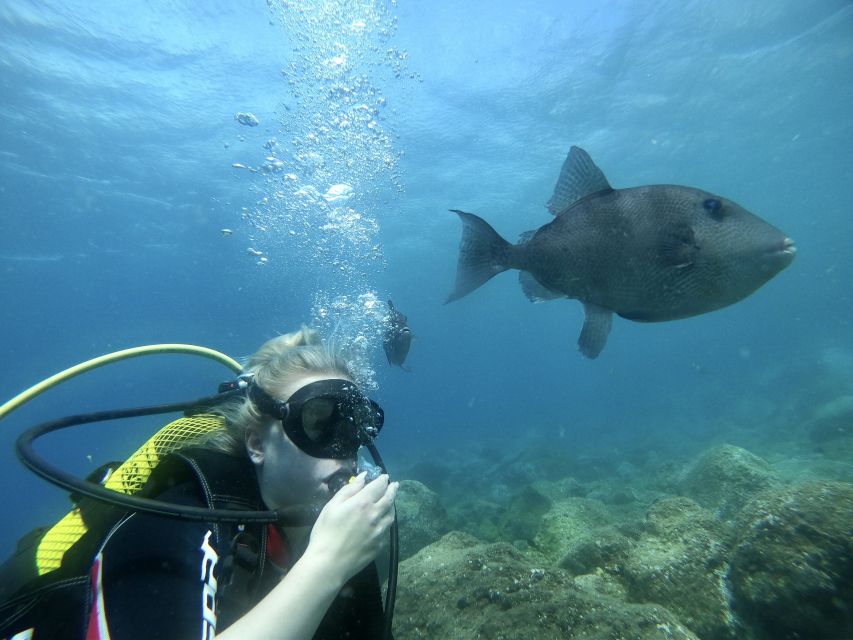
After the beach instruction and dry exercises, you put the lessons to work in the water. The activity includes two underwater sessions, with the first held in a national park area according to the supplied details.
The setting is one of the strongest parts of the experience. You do not begin in a classroom far from the coast, then wait until another day to see the sea. You practice beside the beach and use the water as your training ground. This makes the lessons more direct and helps connect each technical skill to a real situation.
Underwater, you may see fish, starfish, reefs, and other sea life. There is also a good chance of encountering a sea turtle, though nobody can promise one will appear. One turtle known to the instructors is called Lola, and seeing her is described as pure luck rather than a planned part of the course.
That honesty is important. Book this for the training and the chance to explore Tenerife’s coast, not for a guaranteed animal encounter. If a turtle appears, it will be a memorable bonus. If it does not, you still receive the practical course and the opportunity to work toward the license.
The activity also teaches how not to harm nature underwater. You learn to control your movement, keep your balance, and treat the marine setting with care. For a first course, that environmental lesson is just as useful as learning how to handle the tank.
What the CMAS Scuba Diver license allows
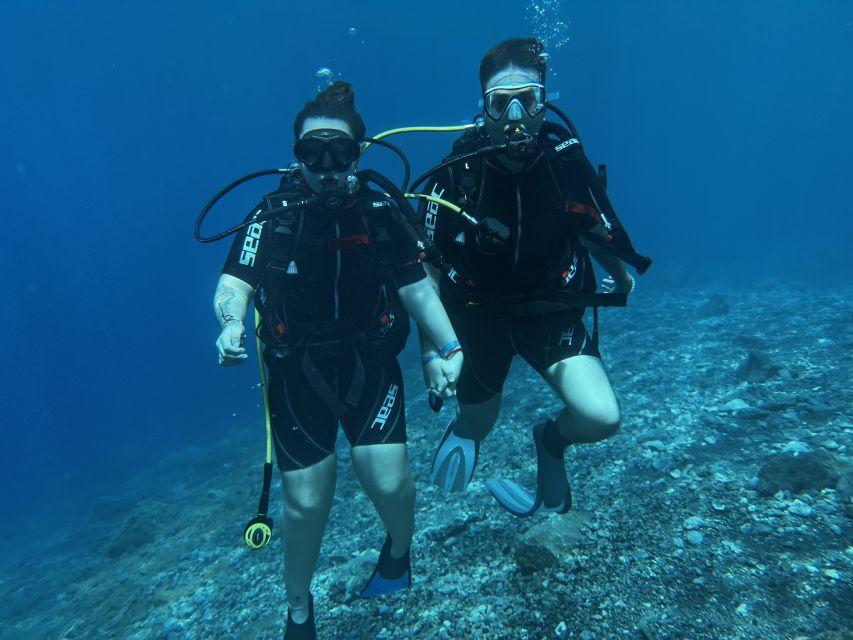
The qualification is an internationally recognized CMAS Scuba Diver license. It allows you to arrange tank fillings, rent scuba equipment, and join scuba activities around the world, but there is an important limit: you may go to a maximum of 12 meters, or 40 feet, and you must remain under supervision.
This is a first step, not a full open-water qualification with unlimited independence. You should understand that distinction before paying. The certificate can help you continue your training and take part in supervised activities, but it does not give you permission to go anywhere or to any depth on your own.
The course covers:
- Scuba safety
- Pressure equalization
- Controlled resurfacing
- Buoyancy, balance, and hovering
- Underwater orientation
- Basic movement
- Protection of marine life
- Equipment handling and care
The value of the license depends on what you want next. If your goal is to try scuba in Tenerife and gain a recognized starting qualification, the format is efficient. If you want independent access to deeper sites, you will need further training.
More scuba diving around Tenerife
- Southern Tenerife: 50-Minute Submarine Dive
★ 4.8 · 2,216 reviews - Tenerife: Your First Scuba Diving Experience in Turtle Area
★ 4.7 · 1,679 reviews - Tenerife: Beginner’s Dive at a Spot with Turtle Sightings
★ 4.7 · 627 reviews - Tenerife First Time Scuba Dive – Turtle Habitat, Small Groups
★ 4.5 · 456 reviews
Why the private format matters
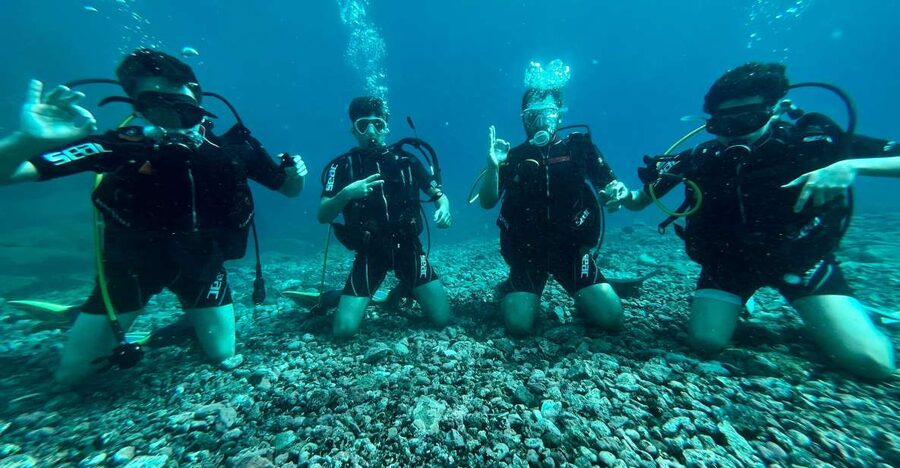
At $259 per person, this is not the cheapest way to spend four hours by the sea. The price makes more sense when you count what is included: the license fee, complete equipment, wetsuit, tank, accident insurance, and underwater photos.
The group size is also part of the value. With no more than two participants, the instructor can focus on your breathing, positioning, equalization, and comfort. One-on-one training is available if you want the most personal setup.
That format is especially helpful if you are nervous. The instructors, Natalie and Andres, are described as taking time to explain the process and ease small fears. You should still expect to work hard, but you are not placed in a large class where the pace has to suit many different people.
The arrangement also suits families with a child who meets the age rule. One 10-year-old participant was reported to have enjoyed the activity greatly. Still, age alone does not make a child ready. The child must swim adequately, follow instructions, and complete the practical work.
The price includes photos and videos as a keepsake, which adds value if you want something more than a certificate. The pictures are not the reason to book, but they can help you remember your first underwater session and share it with family.
The four-hour schedule and what to bring
Plan on roughly four hours from start to finish. The course combines theory, beach exercises, and two underwater sessions, so the time is active rather than four hours spent watching an instructor talk.
Bring swimwear and a towel. The operator supplies the full scuba kit and neoprene wetsuit, along with the tank. You must remove glasses for all underwater activities, so contact lenses or prescription underwater equipment would need to be addressed directly with the provider if relevant. The supplied information does not state that prescription masks are available.
After the activity, do not fly for 12 hours. This is a key scheduling point if you are leaving Tenerife by air on the same day or the next morning. It is also wise to avoid placing the course immediately before a flight, even if the timetable appears to fit.
Transport needs clarification before you book. The information says transport cannot be offered, while another booking note asks for your hotel name to organize pickup. Because those details conflict, contact the provider and confirm exactly where you must meet and if any hotel collection is available.
Cancellation is flexible: you can cancel up to 24 hours before the activity for a full refund. You can also reserve now and pay later, which helps if you are still arranging your Tenerife plans.
Safety, health, and the practical test
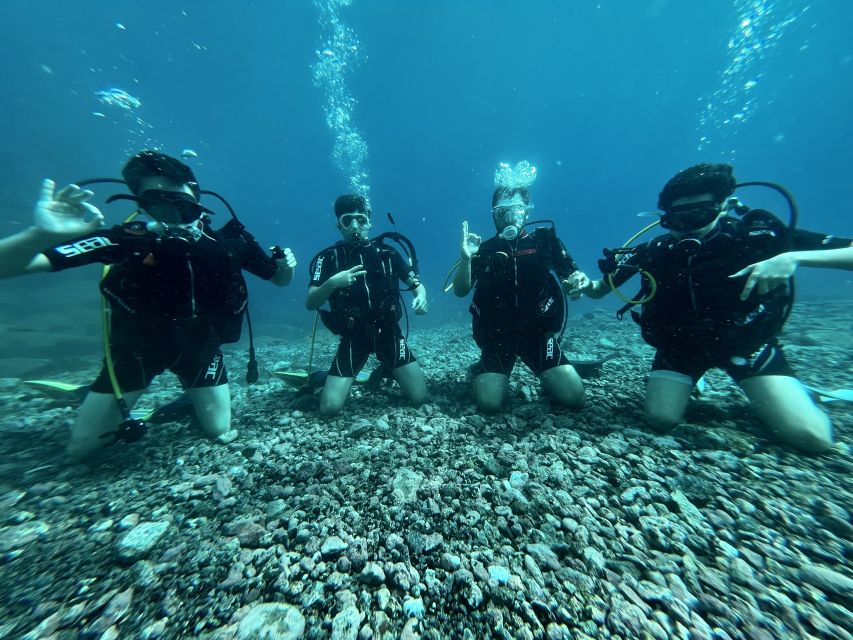
You must be at least 10 years old and able to swim adequately. The activity is not suitable for non-swimmers or pregnant women.
Do not take part if you have heart, lung, or ear problems. These conditions can affect breathing, pressure equalization, or your ability to respond safely in the water. If you have a medical concern, ask the provider before booking rather than waiting until the beach.
The course includes diving accident insurance, but insurance does not remove the need to follow instructions. You will be shown how to resurface safely, move underwater, and manage the gear. Pay close attention during the theory portion, since the information is tied to what you will do in the water.
The practical test is another important point. You need to get through the exercises without problems to receive the license. If you cannot complete them, the certificate is not issued. This makes the qualification more meaningful, but it also means you should not book purely because you want a souvenir card.
A calm attitude helps. You do not need prior experience, but you should be ready to listen, repeat an exercise, and tell the instructor if you feel uncomfortable. A private setting makes that easier.
What the strongest feedback tells me
The most consistent praise is for the personal care from Natalie and Andres. Their teaching style is described as friendly, clear, and reassuring, with particular attention to easing small fears. That matters more here than flashy promises, because your comfort affects how well you breathe, move, and complete each task.
The chance to see sea turtles is another memorable feature, especially when paired with the underwater photos. Carmen’s experience included turtles and a return to the ship harbor on time, while Annemarie also mentioned the possibility of seeing Lola. Treat these as lucky additions, not guaranteed parts of the route.
The course also receives strong approval from people looking for a meaningful first qualification. It is not simply a short supervised swim with a tank. You learn safety, equipment care, marine protection, and basic underwater control before working toward an international certificate.
Still, the positive response should not hide the limits. The activity is physically active, the course lasts only one day, and the license keeps you to 12 meters under supervision. You must be comfortable with those boundaries.
Who should book this experience?
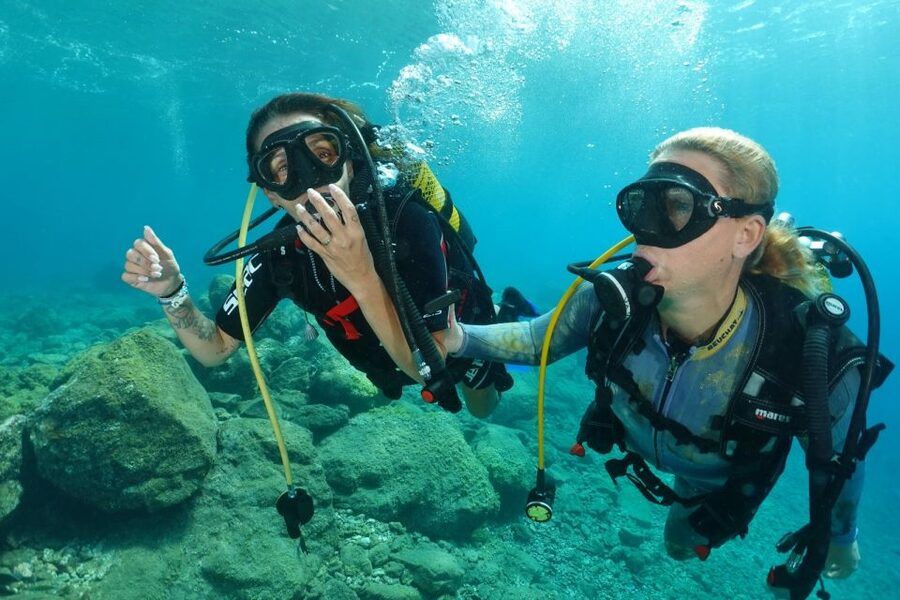
I would recommend it to you if you want a small, personal first step into scuba and prefer learning directly from the beach. It suits a solo participant, a pair of friends, or a parent and child aged 10 or older who can swim and follow instructions.
It is also a good match if you value a certificate, equipment, insurance, and photos in one price. The international CMAS qualification gives you a useful starting point for future supervised activities.
I would think twice if your main aim is a guaranteed turtle encounter. Wildlife is never promised here. I would also choose another plan if you cannot swim adequately, have relevant heart, lung, or ear problems, are pregnant, or need to fly within 12 hours.
At $259, the activity offers fair value for a private course with all major gear, the license fee, insurance, and photos included. The best reason to book is the focused instruction and the chance to build real basic skills in Tenerife’s coastal water. The best reason not to book is expecting a fully independent qualification after one short day.
FAQ
How long does the Tenerife CMAS course take?
The activity lasts about four hours and includes theory, beach exercises, and two underwater sessions.
What license can I receive?
You can work toward an internationally recognized CMAS Scuba Diver license. It permits activity to a maximum depth of 12 meters, or 40 feet, under supervision.
Do I need previous scuba experience?
No. Previous experience is not required, and the course teaches you from the beginning.
How old must I be?
You must be at least 10 years old to take part in the Scuba Diver course.
Do I need to know how to swim?
Yes. You must be able to swim adequately, and the activity is not suitable for non-swimmers.
How many people are in each group?
The activity is offered as a private group with a maximum of two people. One-on-one instruction is also available.
Which languages do the instructors speak?
Instruction is available in Spanish, German, and English.
What equipment is included?
The price includes full scuba equipment, a neoprene wetsuit, and an air tank. It also includes the license fee, diving accident insurance, and underwater photos.
Can I see a sea turtle?
You may see a turtle, and there is a good chance at some locations, but it is never guaranteed. Lola is a turtle known by the instructors, and seeing her depends on luck.
Can I fly after the activity?
You must not fly for 12 hours after the activity.
What should I bring?
Bring swimwear and a towel. You must remove glasses for underwater activities.
Is transport included?
The information says transport cannot be offered, while another note asks for your hotel name to arrange pickup. Confirm the meeting point or any pickup details directly with the provider before booking.
Newly logged dives around Tenerife
- Santa Cruz de Tenerife: PADI Introductory Dive★ 4.8 · 23 reviews
- S. Tenerife: 2 Dives for Beginners (Beach + Boat Experience)★ 4.1 · 6 reviews
- Private Try Dive for 2 with our experienced Instructor★ 5.0 · 12 reviews
- PADI Open Water Course in 3 Days★ 5.0 · 9 reviews
- Los Cristianos: Try Dive for beginners★ 5.0 · 35 reviews
- Gran Canaria Scuba Diving for Certified Divers★ 4.9 · 8 reviews
- Diving course for beginners in turtle area Tenerife★ 5.0 · 7 reviews
- Discover Scuba Diving Experience★ 4.7 · 3 reviews
Spain Scuba Diving, side by side.
Tenerife: Your First Scuba Diving Experience in Turtle Area
Read our review →
Tenerife: Beginner’s Dive at a Spot with Turtle Sightings
Read our review →
Scuba Diving Experience for Beginners in Gran Canaria
Read our review →
Tenerife First Time Scuba Dive – Turtle Habitat, Small Groups
Read our review →
Lists this dive is on