Review · KOH TAO
Koh Tao: PADI Premium Open Water Diver Course
Koh Tao is one of the easiest places in Thailand to learn scuba, and this three-day PADI course gives you a clear path from nervous beginner to certified diver. You start in a pool, practice the basics at a steady pace, then head to calm coral reefs for four open-water sessions.
I like the small group approach, which lets instructors give real attention to ear pressure, breathing, and moments of panic. I also like the practical value: equipment, a dive computer, insurance, certification fees, and underwater photos and videos are all included.
The main drawback is the schedule. The pool session takes most of a morning, and the course requires three consecutive days with early starts. You also need to swim, complete the online theory, and leave at least 18 hours between your final underwater session and a flight.
Key points to know before booking
- Three days from beginner to certified diver: Complete theory, pool skills, and four open-water sessions.
- Small groups matter: Instructors can give extra time to nervous students and help with ear equalization.
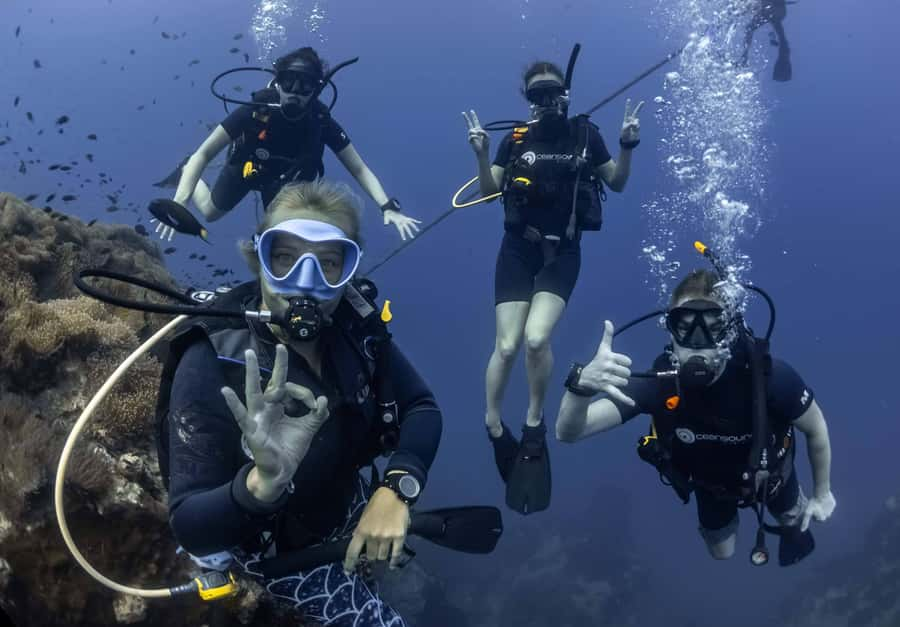
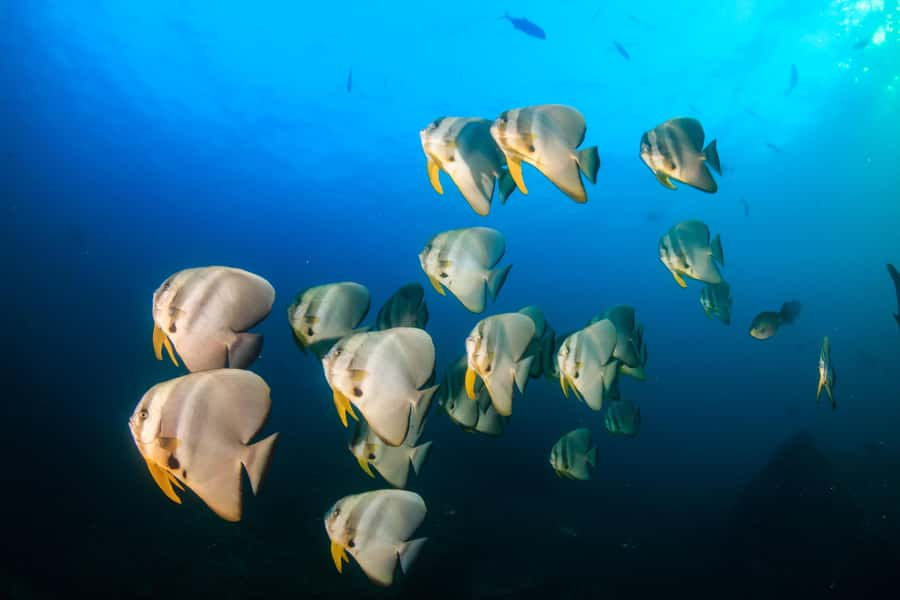
- Koh Tao reefs are the classroom: You learn in calm water with coral and plenty of marine life.
- Useful extras are included: Equipment, a dive computer, insurance, certification fees, photos, and videos.
- The final morning starts early: The last two reef sessions run from 7:40 to noon.
- Plan around your flight: You cannot fly on the day you finish the course and must wait 18 hours.
Starting at Ocean Sound Dive + Yoga
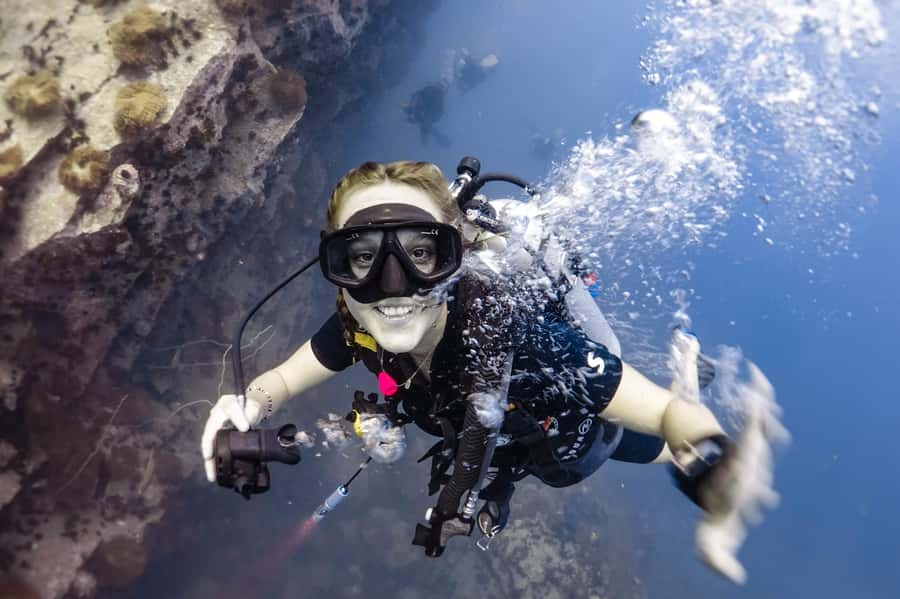
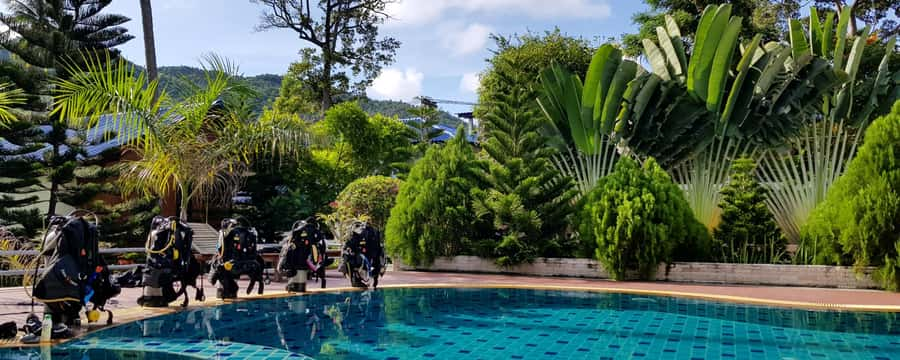
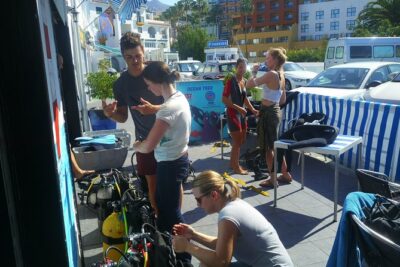
Your first meeting is at Ocean Sound Dive + Yoga, opposite the 7-Eleven. Look for the blue sign and PADI flags. The course begins with an orientation from 5:30 to 6:00 p.m., so you should arrive on Koh Tao in time to handle paperwork, try on equipment, and get started with the PADI online learning.
The online theory can be completed in your own language and at a time that suits you. That is useful if English is not your first language, though the in-person instruction for this activity is in English.
Do not treat the first meeting as a formality. It is when you raise health questions, check equipment, and learn what the next three days will involve. If you have asthma, blood pressure concerns, or another chronic condition, contact the operator before booking. You may need medical clearance.
The first evening is also the right time to mention any nerves, ear problems, or physical limitations. One student with back problems received extra help handling equipment, and several nervous beginners needed time to settle in. Good communication early on makes the pool and sea sessions easier.
More PADI Courses in Thailand
- Full-Day Beginner Scuba Course with Private Tuition, Racha Yai
★ 5.0 · 368 reviews - La Bombona Diving Koh Tao Open Water Course
★ 5.0 · 172 reviews - Padi open water diver course, become a diver in 3 days
★ 5.0 · 113 reviews
Day one: a long pool session builds confidence
The first full day runs from 8:00 a.m. to 1:00 p.m. in the pool. This is where you learn to assemble and use the equipment, breathe through the regulator, clear your mask, control your buoyancy, and handle the basic safety skills required for certification.
Five hours may sound like a lot in a pool, but that time is well spent. The pool removes the extra pressure of waves and open water. You can repeat a skill until it feels familiar, ask questions, and learn how your equipment responds before coral reefs enter the picture.
This is also the part of the course that separates a reassuring program from a rushed one. Several instructors, including Les, Nick, Irena, and Ana, have been praised for calm explanations and patient coaching. That matters when you need to pause, reset, or try a skill again.
Bring swimwear, a towel, and a reusable water bottle. Eat beforehand and keep your energy up. The pool session is a long morning, and you will get more from the instruction if you are not distracted by hunger or thirst.
You must already be able to swim. Swimming ability is tested during the course, and non-swimmers cannot take part. Children under 10 and pregnant women are also not eligible.
Day two: theory, lunch, and two shallow sea sessions
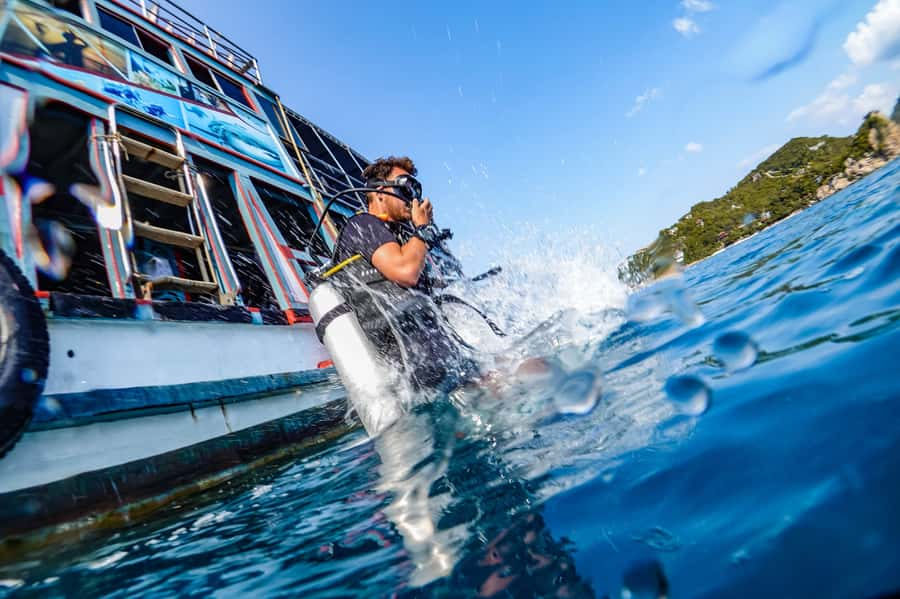
Day two begins with classroom work from 10:00 to 11:00 a.m. A one-hour lunch break follows, then you head out for two shallow ocean sessions from noon until 5:00 p.m.
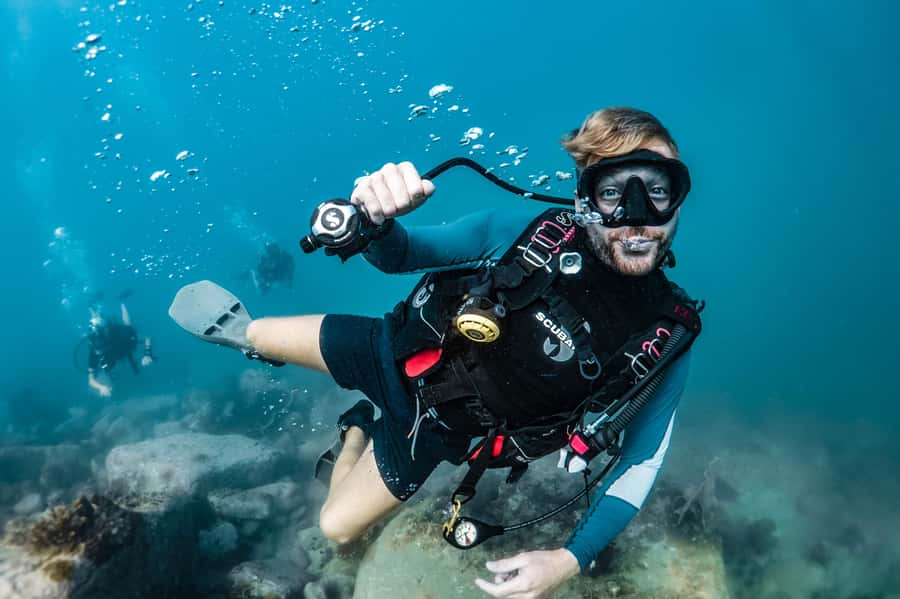
These first sea sessions are about applying the pool skills in a real setting. You will practice, build comfort, and get used to changes in depth, visibility, and the sensation of moving through salt water. The emphasis is not simply on seeing fish. It is on becoming calm and capable in the water.
That gradual progression is especially helpful if your first reaction to the sea is uncertainty. One student described having a panic moment underwater, then regaining control with the help of an instructor who reminded them to trust their training. That is the kind of support you want in a beginner course: calm direction, not pressure to hurry.
Equalizing ear pressure can be a challenge for first-time scuba students. You should expect instructors to give you time to adjust rather than push you onward. Small groups help here, since the instructor can watch how each person is coping.
Koh Tao is a practical place to learn because the course uses shallow sessions before the more complete reef exploration on the final morning. You get a chance to understand the equipment and your own reactions before the day that feels more like a traditional reef outing.
Day three: two reef sessions before lunch
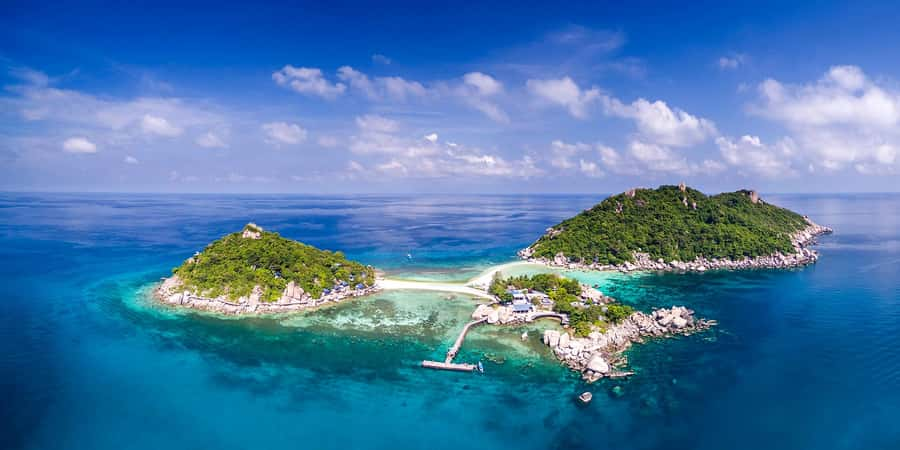
The final day starts at 7:40 a.m. and finishes around noon. You complete two more ocean sessions and explore Koh Tao’s coral reefs, with a maximum certification depth of 18 meters.
The early start is worth noting when planning your accommodation and evening before. You will need to be ready in the morning, and the course does not provide hotel pickup as part of the listed package. Transportation arrangements should be checked separately if you need them.
This is the payoff for the previous two days. You already know how to set up your equipment and perform the required skills. Now you can give more attention to the reef, the fish, and the simple pleasure of moving underwater with control.
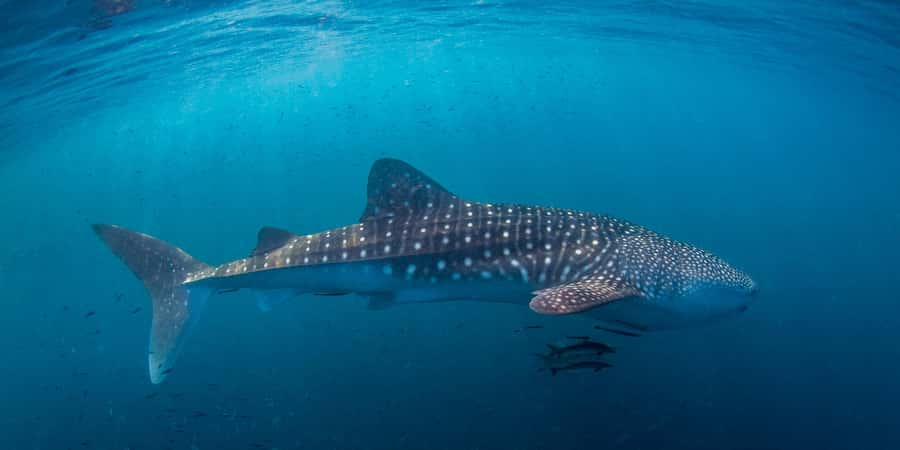
Marine life is one of the strongest reasons to choose Koh Tao for a first certification. Students have reported seeing beautiful fish and, on one occasion, a baby turtle. Sightings are never guaranteed, but the course places you in a setting where the reef itself becomes part of the lesson.
Underwater photos and videos are included, which gives you a useful record of the experience. You should not expect a private professional photo session, but having images from the course is a pleasant extra, especially when your attention is mostly on breathing, buoyancy, and your instructor’s signals.
Once you complete the requirements, you receive the PADI Open Water certification. It is internationally recognized and allows you to scuba to 18 meters with the applicable buddy and safety requirements wherever you continue the sport.
Same water, a different dive:
- Ko Tao: Try Scuba Diving 1-Day Experience
★ 4.8 · 452 reviews - Phuket: Scuba Diving Maithon Or Racha Islands For All Levels
★ 4.8 · 245 reviews - Scuba Dive in Koh Lanta, Thailand
★ 5.0 · 212 reviews - Phuket: Discover Scuba Diving to Racha Yai Island
★ 4.9 · 173 reviews
Why the instructors make a difference
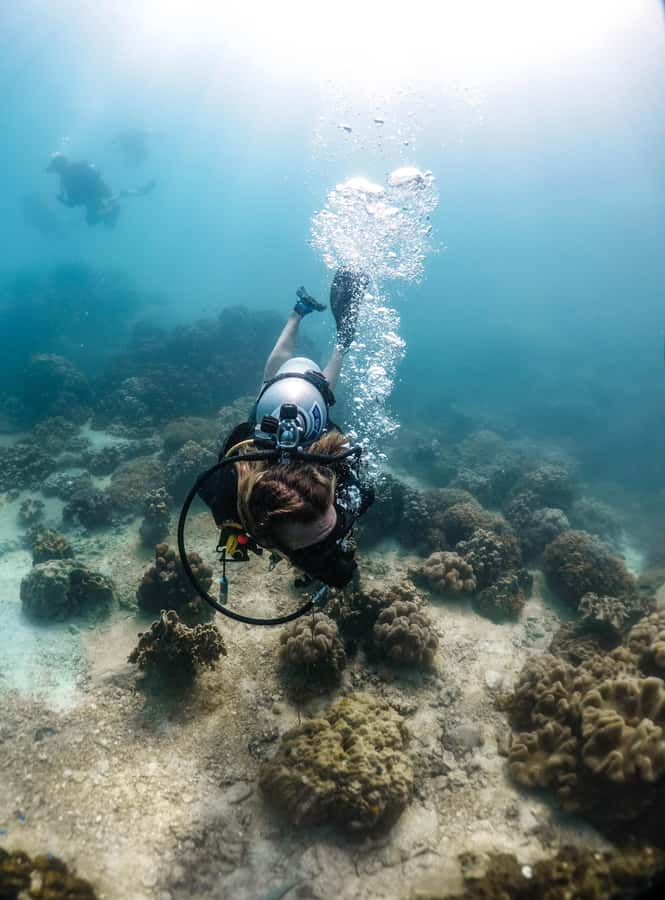
A first scuba course is as much about confidence as equipment. The instructors associated with this program include David, Ana, Irena, Les, Nick, Liz, Georgia, Ella, Em, Jens, and others. Your assigned instructor will depend on the course group and schedule, so you should not book expecting one particular person.
The common strength is a patient, safety-focused teaching style. David and Irena have been singled out for making beginners feel comfortable. Les has helped nervous students through difficult moments and given people time to equalize. Nick has been praised for clear explanations and step-by-step coaching.
That range of names also tells you something practical: the experience does not depend on a single instructor. Ocean Sound has a team, and the course is organized around keeping beginners supported from the paperwork through the final reef session.
You should still speak up if something feels wrong. Tell your instructor if your mask leaks, your ears will not equalize, the equipment feels uncomfortable, or you need a moment. Scuba training works best when you are honest rather than trying to keep up with the group.
What the $353 price really covers
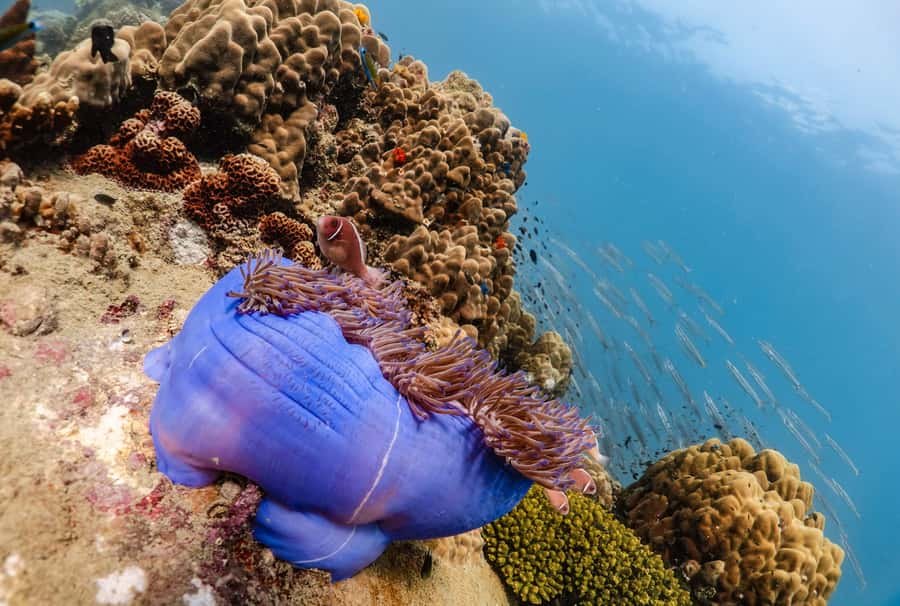
At $353 per person, this is not a cheap introductory activity, but it is a strong package for a three-day certification course. The price includes:
- PADI Open Water certification fees
- PADI learning materials
- All scuba equipment
- Dive computer rental
- One pool session
- Four open-water sessions
- Underwater insurance
- Photos and videos of the course
The value comes from avoiding several add-on costs. You are not paying separately for certification, equipment rental, or the computer. Insurance is included too, which is important for a water activity involving formal training.
The photos and videos add a little more value, though they should not be the main reason to book. The real purchase is the certification and the instruction that gets you there safely.
Hotel pickup is not included. If you are staying away from the meeting point, allow time to get to Ocean Sound Dive + Yoga. The booking also offers free cancellation up to 24 hours before the start time and a reserve-now, pay-later option, which helps if your island plans are still shifting.
Who will get the most from this course
This course suits an adult or older child who can swim, has three consecutive days available, and wants a full qualification rather than a single trial session. It is particularly suitable if you are nervous but willing to learn slowly and communicate clearly.
You do not need previous scuba experience. The pool session is designed to introduce the equipment and core skills from the beginning.
It is also a good fit if you want your first certification in a place with coral reefs and plentiful marine life. Koh Tao gives the course a holiday setting, but this remains a serious training program. You will spend a substantial amount of time learning procedures, not simply sightseeing underwater.
You may want to reconsider if your schedule is tight. The course cannot be sensibly compressed into a casual afternoon, and the final morning affects your departure plans. You also cannot fly on the day you finish. Wait at least 18 hours after your last session.
Practical advice for a smoother course
Arrive on Koh Tao before the orientation whenever possible. The scheduled start is 5:30 p.m., but the operator can make arrangements if you arrive later, provided you contact them.
Complete as much of the online theory as you can before the pool day. You will still have instructor guidance, but arriving familiar with the basic concepts leaves more attention for equipment and water skills.
Bring the stated essentials: swimwear, a towel, and a reusable bottle. Eat a proper breakfast before the pool session and keep lunch plans simple on day two, since the break is only one hour.
If you have a medical condition, ask about it before booking rather than waiting until you are at the center. Medical clearance may be required, and the operator can tell you what applies to your situation.
Finally, do not compare yourself with the fastest person in the group. Equalizing, mask skills, buoyancy, and breathing can take different amounts of time. The most useful quality here is not athletic ability. It is the willingness to listen, repeat a skill, and stay calm.
Should you book the Koh Tao PADI course?
You should book this course if you want a genuine PADI qualification, appreciate patient instruction, and can spare three structured days in Koh Tao. The inclusion of gear, insurance, certification fees, a computer, and media makes the $353 price easier to justify.
I would be especially comfortable recommending it to a nervous beginner who wants close supervision. The small groups and patient instructors are the strongest features, and the gradual move from pool to shallow sea sessions gives you time to build confidence.
Skip it if you cannot swim, need to fly immediately after the course, or want a quick tourist activity with no classroom or skills practice. For everyone else, this is a practical way to turn a Koh Tao holiday into a lasting qualification, with four reef sessions and a supportive team along the way.
FAQ
How long is the PADI Open Water course?
The course lasts three days. The schedule includes an orientation, online theory, one pool session, classroom work, and four open-water sessions.
Does the course include the PADI certification?
Yes. PADI certification fees and the PADI Open Water certification are included.
Do I need previous scuba experience?
No. The course is designed for complete beginners and begins with an orientation and pool training.
Do I need to know how to swim?
Yes. All students must already be able to swim, and swimming ability is tested during the course.
What equipment is included?
The course includes all scuba equipment and a dive computer.
Are photos and videos included?
Yes. Underwater photos and videos from the course are included.
Is insurance included?
Yes. Diving insurance is included in the course price.
What language is the instruction in?
The instructor language is English. PADI materials are available in your own language.
Where does the course meet?
Meet at Ocean Sound Dive + Yoga, opposite the 7-Eleven. Look for the blue sign and PADI flags.
Can I fly after completing the course?
You cannot fly on the day you finish. You must wait at least 18 hours after your final underwater session.
Newly logged dives around Thailand
- Phuket: Coral Reef Scuba Diving Experience at G Beach Club★ 4.9 · 32 reviews
- Phuket: Try SCUBA DIVING Full Day Experience 2 Dives★ 5.0 · 9 reviews
- Phuket: Try SCUBA DIVING Full Day Experience 3 Dives★ 5.0 · 5 reviews
- Phuket: Racha Island and Coral Islands + Scuba Beach Dive★ 4.3 · 55 reviews
- Phuket: SCUBA Diving Day Trip King Cruiser, Shark Point, KDM★ 5.0 · 2 reviews
- Phuket Scuba Diving Racha Islands 1-3 Dives For All Levels★ 4.6 · 3 reviews
- Phuket: 3 Dive Koh Phi Phi/Shark Point Scuba Diving Day Trip★ 5.0 · 4 reviews
- Phuket: Khai Islands Tour Or Scuba Diving Options★ 4.7 · 17 reviews
PADI Courses & Certification, side by side.
Tossa de Mar: PADI Discovery Scuba Diving in Costa Brava
Read our review →
Full-Day Beginner Scuba Course with Private Tuition, Racha Yai
Read our review →
Heraklion: Beginner Scuba Diving Lesson with PADI Instructor
Read our review →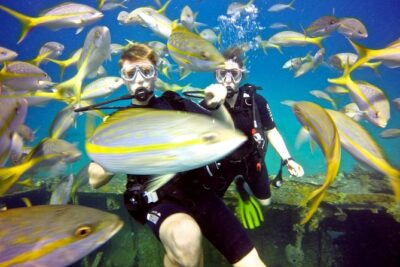
Discover Scuba Diving with No Certification in St Thomas
Read our review →
Try Dive – PADI Discover Scuba Diving in Tenerife
Read our review →