
Review · KAUAI
Kauai: Shore Diving at Koloa Landing, Poipu
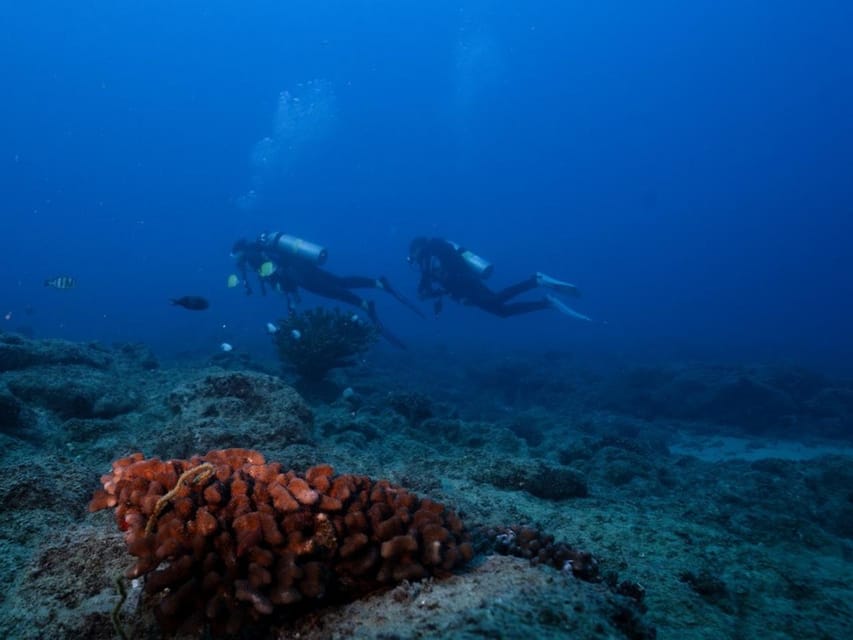
Koloa Landing gives you one of Kauai’s easiest ways to see the island from below the surface. The reef sits at a manageable 30 to 40 feet, and a small group of no more than seven keeps the outing personal. You can spot Hawaiian Green Sea Turtles, moray eels, octopus, scorpionfish, and plenty of tropical fish without taking a boat offshore.
I especially like two things here: beginners can take part, and certified participants can choose one or two tanks. The guides handle the underwater route, while the shop supplies gear for non-certified participants. The main caution is the ocean itself. One recent outing had choppy water, so getting in and out may require patience and careful help from the staff.
What makes this Kauai shore outing worth considering
- Koloa Landing reaches 30 to 40 feet, a comfortable range for new and experienced scuba participants.
- Hawaiian Green Sea Turtles and moray eels are among the animals you may encounter.
- Small groups are capped at seven, allowing closer attention from the instructor.
- First-time participants can join, provided they complete the required PADI medical questionnaire.
- Certified participants can choose one or two tanks, depending on the booking option.
- Cody and Taylor are part of the working team, with Cody assisting in the water and Taylor helping at the shop.
Why Koloa Landing works so well for a first Kauai scuba outing
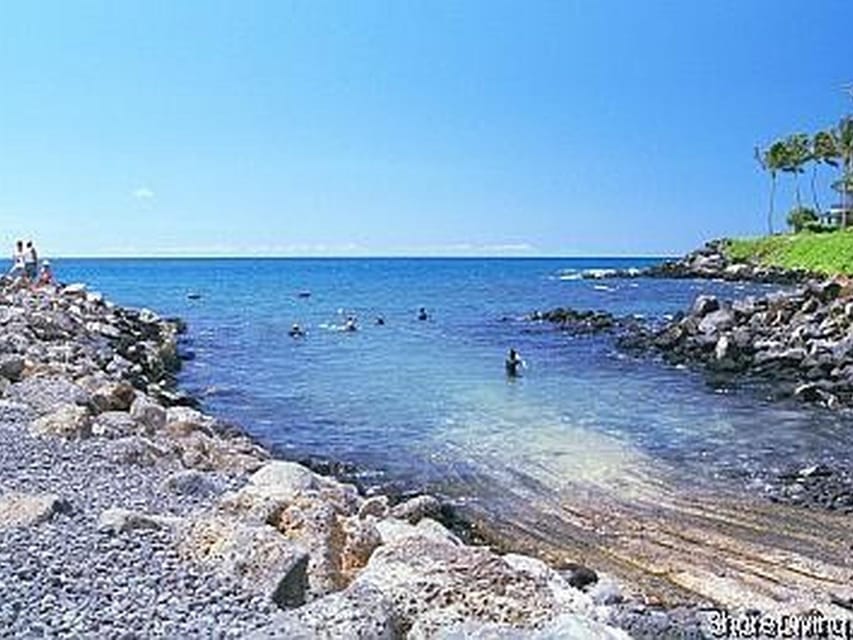
Koloa Landing, also known as Whalers Cove, is often rated among the Pacific’s top shore scuba sites. Its appeal is simple: you get access to a reef environment without committing to a full boat trip, and the listed depth stays within a range that suits many skill levels.
That matters on Kauai. A shore outing keeps the day shorter and generally simpler than a boat excursion. You meet at the dive shop, get fitted with equipment, ride to the site, and return to Koloa Landing when the underwater portion is done. The entire experience lasts about three to four hours, leaving time for Poipu beaches or another afternoon plan.
The site also gives you a fair shot at seeing well-known Hawaiian sea life. Hawaiian Green Sea Turtles, called honu, are a major draw. Moray eels, octopus, scorpionfish, and tropical fish add variety, so you are not relying on one possible animal encounter to make the outing worthwhile.
I would keep expectations sensible. Wildlife is never guaranteed, and the water can be choppy. Still, the site’s moderate depth and guided format make it a strong choice if you want a first look at Kauai’s underwater world without spending an entire day at sea.
More scuba diving around the USA
- First-Time Scuba Diving in Honolulu + Free Videos
★ 5.0 · 3,123 reviews - Oahu Shark Dive
★ 5.0 · 2,903 reviews - Oahu: Shark Cage Dive on the North Shore
★ 4.8 · 1,485 reviews
From the shop to the reef
Your outing begins at the Seasport Divers shop. This is where you sort out equipment, paperwork, and the practical details before heading to the shore site.
Non-certified participants receive rental equipment as part of the price. Certified participants who need gear can add rental equipment at the shop for $35, so check what you already have before booking. The supplied information does not specify individual equipment brands or every item in the package, so ask the shop if you have a particular mask, wetsuit, or other gear requirement.
Transportation from the shop to Koloa Landing is included. Transportation to the shop is not, so you need to arrange your own way there. That small detail can affect your morning plans, especially if you are staying outside Poipu or sharing one vehicle.
Taylor is part of the shop team and helped prepare participants for the water on a recent outing. That preparation matters more than it may sound. A well-fitted mask and properly adjusted equipment can make the difference between spending your time watching fish and spending it fussing with straps.
Bring swimwear, a towel, and biodegradable sunscreen. Do not bring alcohol or drugs, and smoking is not allowed in the vehicle. You also cannot touch marine life, a rule that protects both you and the animals.
What the first descent feels like
The underwater portion takes place near shore, with depths from about 30 to 40 feet. That range is deep enough to give you a proper reef setting, but it is not an extreme profile for an appropriately trained participant.
If you are new to scuba, the guide’s presence is especially useful. You do not have to work out the route or decide where to search for animals. The instructor leads you through the best areas and helps keep the group together.
Certified participants can choose one or two tanks. A one-tank option makes sense if you want a shorter introduction or have other plans afterward. Two tanks give you more time underwater and a better chance to examine different parts of the reef, but they also make the outing more demanding and take up more of your day.
The water entry deserves attention. Cody recently helped a group enter and leave safely in choppy conditions. That tells me the staff takes the shore access seriously, but it also tells you not to assume every entry will feel calm and effortless. If you have trouble with uneven shore access or waves, ask about conditions before you set out.
The animals you may see at 30 to 40 feet
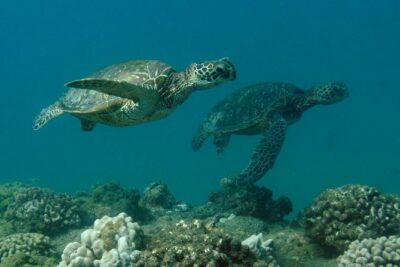
Koloa Landing’s appeal comes from the variety of life packed into a relatively accessible site. The Hawaiian Green Sea Turtle is the star for many people. Seeing a honu resting or moving through the reef can turn a good outing into a highlight of your Kauai stay.
Moray eels offer a different kind of encounter. They often stay tucked into reef openings, so your guide’s local knowledge helps you notice details that you could easily miss on your own. Octopus are similarly easy to overlook because of their ability to blend into the surroundings.
Scorpionfish reward slow observation rather than fast swimming. They can sit quietly against the reef, which is one reason the no-touch rule matters. You want to watch carefully and keep a respectful distance.
Tropical fish fill out the scene. The attraction is not only finding one large animal. It is seeing how the reef works as a living neighborhood, with small fish, hidden creatures, and larger animals sharing the same area.
Your guide leads the group toward likely viewing spots, but no instructor can promise a particular species on a particular day. Water conditions, timing, and animal behavior all affect what appears. Go for the full reef experience, with turtles as a welcome possibility rather than a guarantee.
Same water, a different dive:
- Shark Cage Diving on Oahu’s North Shore
★ 5.0 · 1,391 reviews - Beginner Scuba Diving Experience with Video Package in Honolulu
★ 5.0 · 877 reviews - Safe and Educational Shark Dive from Haleiwa: Sharks Guaranteed
★ 5.0 · 553 reviews - 2 Tank Lanai Cathedral Scuba Dive Via Boat for Certified Divers
★ 5.0 · 548 reviews
Why the seven-person limit matters
A maximum of seven participants is a useful middle ground. You get more structure than you would with a completely private outing, but the group is small enough that the instructor can keep track of everyone.
For a first-time participant, this can reduce the sense of being lost in a crowd. You have a guide nearby, and the route is not left entirely to you. For a certified participant, a small group means less chance of spending the whole outing waiting for a long line of people to move through a narrow area.
The group size also affects the pace. Everyone needs to stay together and follow the guide, so this is not the right choice if you want to swim off alone or set your own underwater itinerary. It is better suited to people who value safety, animal spotting, and clear direction over total independence.
Cody’s role in the water is worth noting. He helped participants in and out when the sea was choppy, which is exactly the sort of practical assistance you want from a shore instructor. Taylor handled preparation at the shop, helping people get equipped before the group left.
New to scuba? Read the medical rules first
No previous scuba experience is required, but first-time participants must successfully complete the PADI Diver Medical Questionnaire and be cleared as fit to take part. You can find the form online or obtain it by calling the operator.
Do this before booking. It is the most important practical step for a beginner, since discovering a medical issue at the shop could mean missing the activity. The experience is not suitable for non-swimmers, children under 10, or pregnant women.
You also need to plan around air travel and elevation. You must not travel to an elevation above 1,000 feet for 18 hours after the activity. That includes plane or helicopter flights and mountain hikes. In plain terms, do not schedule this right before an evening flight or a high-elevation excursion.
This rule can shape your Kauai itinerary. If you are flying out the same day, place the scuba outing early enough before departure, or better yet, schedule it well before your final travel day. The same caution applies if you plan a helicopter trip or mountain activity soon afterward.
What $153 includes, and where the value lies
The price is $153 per person. That includes a guide, rental equipment for non-certified participants, one or two tanks depending on the chosen option, and transportation from the shop to Koloa Landing.
That is a reasonable package if you are new to scuba and need the full setup. You are paying for instruction, equipment, site transport, and a guided route rather than simply renting gear and finding the reef yourself.
Certified participants should calculate the final cost carefully. Equipment rental is not included for them and costs an additional $35 at the shop if needed. If you already own suitable equipment, the base price is easier to assess. If you need a full rental setup, add that charge before comparing this outing with other Kauai options.
Meals, drinks, personal expenses, and transportation to the shop are not included. The activity lasts three to four hours, so you do not need to budget for a meal during the outing, but plan food and transport around it.
The strongest value comes from the small group and the accessible site. If you want a relaxed introduction with a guide who can point out animals and help with the shore entry, the price makes sense. If you are an experienced certified participant who wants complete freedom or a long day underwater, you may prefer a different format.
How to plan the rest of your Poipu day
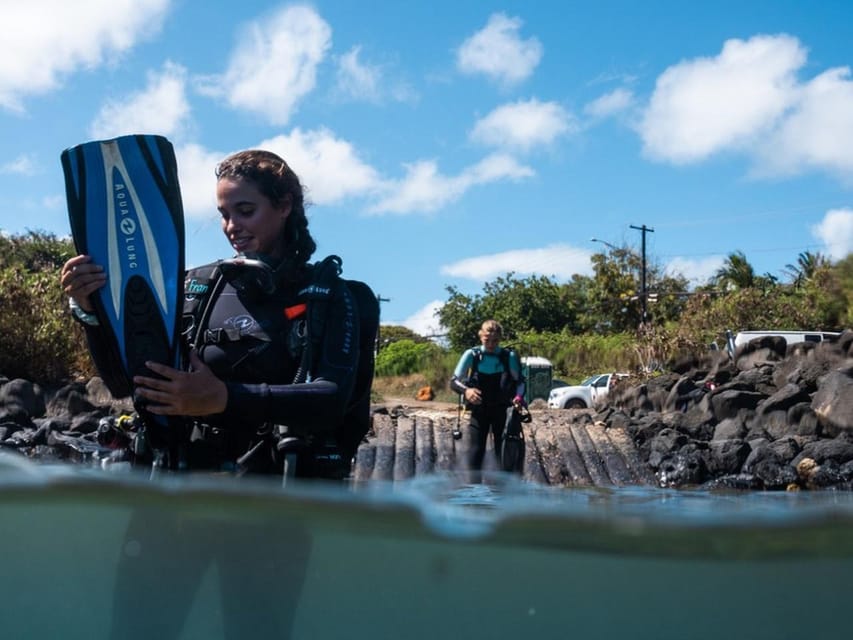
The outing ends back at Koloa Landing, which gives you a convenient base for the rest of the day. You can continue with nearby Poipu plans or relax at the beach instead of facing a long transfer from a distant harbor.
Allow enough time before the activity to reach the shop and complete preparation. The listed duration is three to four hours, but exact start times vary, so check availability when selecting a date.
I would avoid packing the day too tightly. Shore conditions can affect the pace, and equipment setup takes time. A flexible afternoon lets you enjoy the experience rather than watching the clock.
Bring only what you need to the water. Swimwear, a towel, and biodegradable sunscreen cover the stated essentials. Leave alcohol and unnecessary valuables behind, and remember that sunscreen should be applied in a way that respects the reef.
The no-touch rule is not a minor technicality. Marine life can be harmed by contact, and some animals can harm you in return. Your best experience comes from watching calmly and allowing the animals to keep their distance.
Who should book this experience
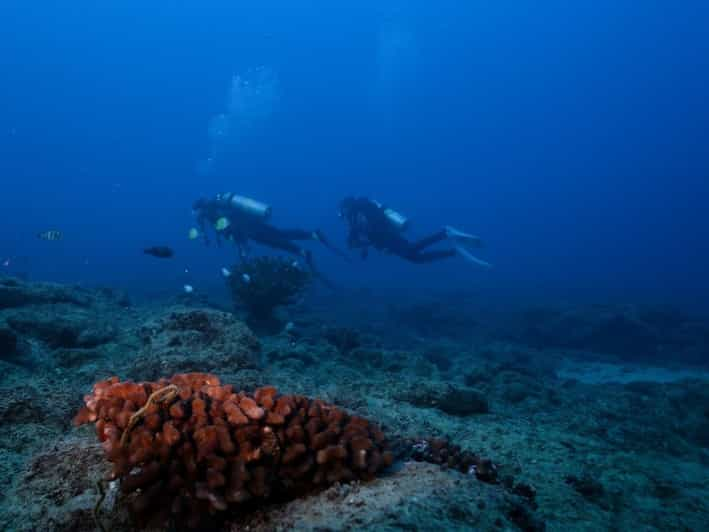
I would recommend this outing to a first-time participant who can swim, meets the medical requirements, and wants guided help rather than a self-directed start. The moderate depth, included equipment, and small group make the setup less intimidating.
It also suits certified participants who want an easy shore-based session in Poipu. The option of one or two tanks gives you some control over the time and cost, although certified participants should remember the extra $35 gear charge if they need rentals.
Families should note the age limit. Children under 10 cannot take part, and the experience is not suitable for pregnant women or non-swimmers.
You should think twice if you dislike ocean movement, have a tightly packed schedule, or plan to fly or travel above 1,000 feet within 18 hours afterward. Choppy water is possible, and the shore entry may take effort even with good staff support.
Should you book Koloa Landing?
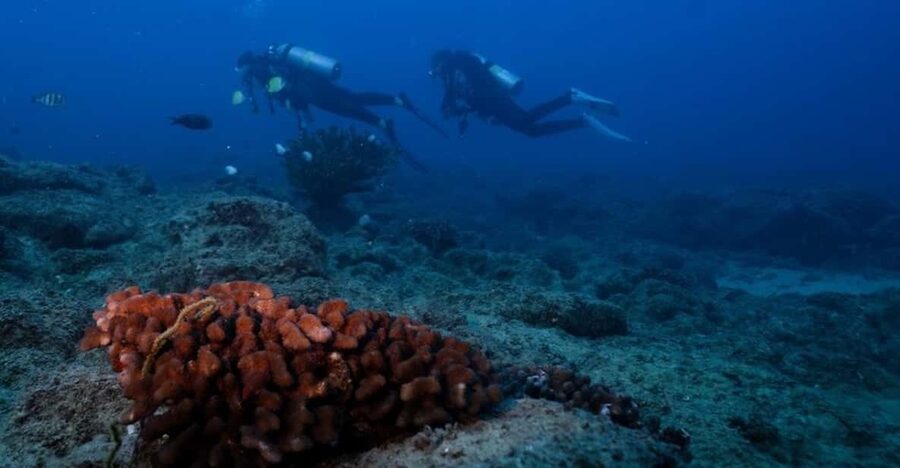
Book it if you want a guided, small-group introduction to Kauai’s reefs, especially if seeing a Hawaiian Green Sea Turtle is high on your list. The 30 to 40 foot depth, included gear for beginners, and help from instructors such as Cody and Taylor make the outing practical as well as scenic.
I would skip it if you are a non-swimmer, pregnant, under 10, or unable to complete the PADI medical form. Also skip it if your schedule requires a same-day flight or high-elevation activity afterward.
For most eligible participants, this is a sensible way to experience Koloa Landing without giving up a full day to a boat trip. Just leave room for changing sea conditions, follow the medical and altitude rules, and treat the reef as a place to observe, not touch.
FAQ
Where does the scuba outing take place?
It takes place at Koloa Landing in Poipu, also known as Whalers Cove. The activity returns to Koloa Landing at the end.
How deep is the water?
The stated depth is about 30 to 40 feet, making the site suitable for a range of skill levels.
Can someone with no scuba experience participate?
Yes. No previous scuba experience is required, but non-certified participants must successfully complete the PADI Diver Medical Questionnaire and be found fit to take part.
What animals might I see?
Possible sightings include Hawaiian Green Sea Turtles, moray eels, octopus, scorpionfish, and tropical fish. Wildlife sightings are not guaranteed.
Is equipment included?
Rental equipment is included for non-certified participants. Certified participants can rent equipment at the shop for an additional $35.
Is transportation included?
Transportation from the dive shop to Koloa Landing is included. Transportation to the dive shop is not included.
How many tanks can I use?
The outing offers either one or two tanks, depending on the option selected when booking.
Who cannot participate?
Children under 10, pregnant women, and non-swimmers cannot take part. Participants must also meet the medical requirements for scuba.
Can I fly or travel to high elevation afterward?
No. You must not travel to an elevation above 1,000 feet for 18 hours after the activity, including flights, helicopter trips, and mountain hikes.
Newly logged dives around the USA
- Panama City Beach: Beginners Scuba Diving Tour★ 4.6 · 23 reviews
- Oahu: Shark Cage Diving Experience★ 4.6 · 46 reviews
- Oahu: Wreck & Reef Scuba Dive for Certified Divers★ 4.8 · 17 reviews
- Oahu: Cageless Shark Dive Adventure★ 4.9 · 60 reviews
- Oahu: Shallow Reef Scuba Dive for Certified Divers★ 5.0 · 11 reviews
- Oahu Night Dive: Adventure for Certified Divers★ 3.6 · 6 reviews
- Oahu: Beginner SCUBA Dive at Electric Beach★ 4.8 · 10 reviews
- Kauai: Morning 2 Tank Boat Dive for Experienced Divers★ 5.0 · 5 reviews
Kauai Scuba Diving, side by side.
Kauai’s Ultimate South Shore 2 Tank Dive (Certified Divers Only)
Read our review →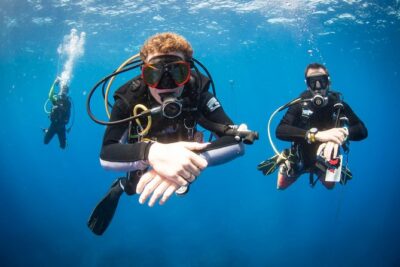
Kauai’s Ultimate Discover Scuba Dive – OCEAN EXPERIENCE (1 Tank Dive)
Read our review →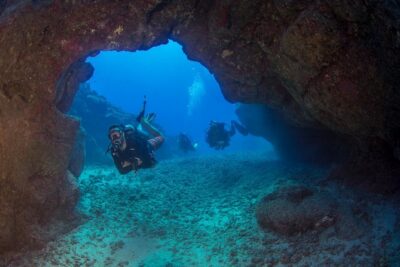
Kauai’s Ultimate Dive Boat Adventure (for CERTIFIED Divers Only)
Read our review →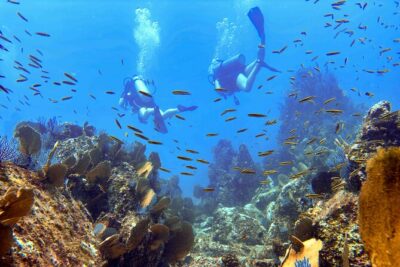
Kauai’s Exclusive Morning Scuba Charter for Experienced Divers
Read our review →Lists this dive is on