Review · OAHU
Shark Cage Diving on Oahu’s North Shore
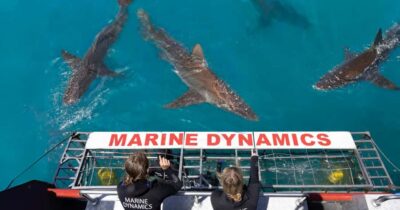
The real thrill here is not a staged aquarium encounter. You ride about 3 miles offshore from Haleiwa and watch wild Galapagos and Sandbar sharks glide through clear Pacific water, often close enough to study their movement. The floating cage keeps the experience simple, and you stay at the surface with a mask and snorkel rather than needing scuba skills.
I like the small maximum group of 12, which gives the crew room to help nervous swimmers and answer questions. I also like the observer option for family members who want to come along without entering the cage. The main drawback is the ocean itself: the cage can rock, waves can be rough, and motion sickness is a real possibility.
Key points to know before booking
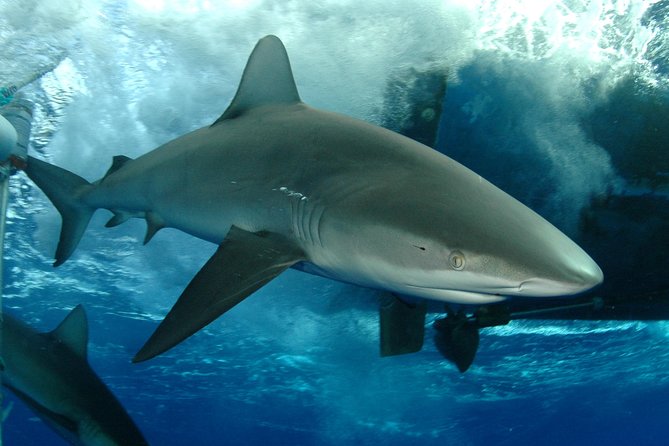
- Wild sharks, not a tank: You see Galapagos and Sandbar sharks in their natural offshore habitat.
- About two hours total: The boat ride to the site is roughly 15 minutes, followed by time at the cage and a return to Haleiwa.
- Small boat, maximum 12 people: This makes the crew’s instructions and personal help easier to follow.
- No scuba experience needed: A mask, snorkel, and floating cage are provided.
- Early departures are wise: Morning trips are often calmer, which matters if you are prone to seasickness.
- Observer tickets stay on the boat: They do not include cage access or snorkeling equipment.
Why this North Shore shark encounter works
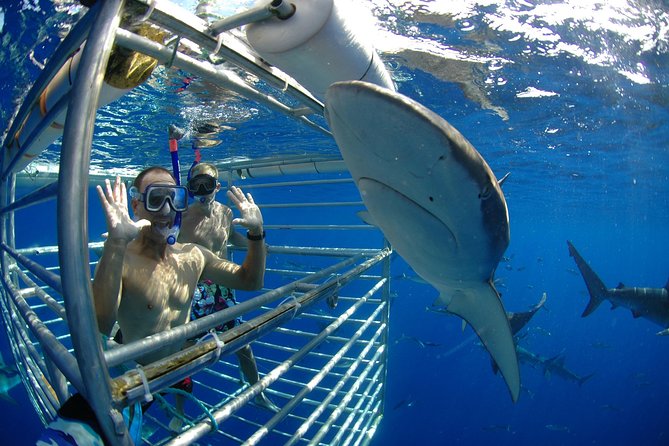
Shark encounters often sound scarier before you arrive than they feel once you understand the setup. You are not dropped into open water and left to fend for yourself. The boat takes you to a known shark area, the crew explains what to do, and you enter a floating cage that keeps you separated from the animals.
The sharks are still wild, which is the point. You are not watching them circle a concrete pool or waiting for a performance on a schedule. You may see several Galapagos sharks and Sandbar sharks moving around the cage, sometimes within a few feet. On some outings, larger surprises appear, including occasional tiger sharks or whales spotted from the boat. Wildlife is never guaranteed, but the area is chosen for regular shark activity.
I like the educational angle. The crew talks about shark biology and behavior, and some guides use questions and quizzes to keep the briefing lively. Guides such as Caleb, Dave, Efraim, and Jax have been praised for being patient, relaxed, and good at helping people get past the first wave of nerves.
That balance matters. You want a crew that takes safety seriously without turning the trip into a lecture. You also want people who understand that a first-time swimmer may need clear, calm instructions. This operation appears to aim for both.
More Shark Dives in Oahu
- Oahu Shark Dive
★ 5.0 · 2,903 reviews - Oahu: Shark Cage Dive on the North Shore
★ 4.8 · 1,485 reviews - Safe and Educational Shark Dive from Haleiwa: Sharks Guaranteed
★ 5.0 · 553 reviews
From Haleiwa Boat Harbor to open Pacific water
Your meeting point is Haleiwa Boat Harbor on Oahu’s North Shore. You will need to arrange your own way there because hotel pickup and drop-off are not included. The activity ends at the same harbor, so plan your day around getting back to your car or onward North Shore plans.
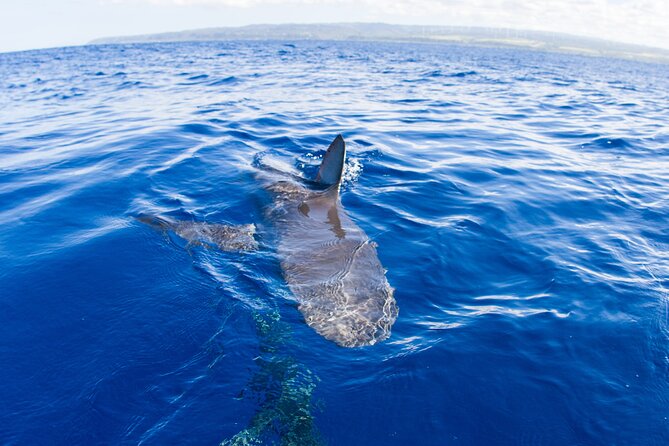
The boat ride to the shark area takes about 15 minutes and covers roughly 3 miles offshore. That short ride is part of the experience. You leave the harbor, pass into open water, and get a sense of how quickly the familiar North Shore gives way to a broad Pacific horizon.
The ocean may look calm from shore but feel different once you are aboard. Several people have found the ride comfortable, while others have dealt with bumps and rougher water. The crew handles the boat, but no captain can smooth out the Pacific. If you are sensitive to motion, take the warnings seriously and consider motion-sickness medicine before departure. One useful suggestion from the experience is to book early, when conditions are often calmer.
You may also see more than sharks on the way out or back. Humpback whales, flying fish, and iwa birds have appeared during trips, especially in the winter whale season. Treat these as bonuses, not promised parts of the itinerary.
Entering the floating cage
At the shark site, the crew prepares you for the cage and the water. Snorkeling equipment is included, so you do not need to pack your own mask or snorkel. Towels, swimwear, sunscreen, food, and drinks are not included, so bring what you need for a wet morning on the ocean.
The cage floats at the surface. You use a mask and snorkel to look through large polyglass panels and the open bar sections. It is important to understand that this is not a sealed glass box. One description notes that polyglass covers two sides while other sections use bars. That design gives you a close view, but it also means you should follow the crew’s instructions carefully and keep your hands where they tell you.
Getting into the cage is generally straightforward, and the crew helps with the transition from boat to water. The cage can move more than the boat, however. If the swell is up, you may feel the cage rock while you watch the sharks. Sit or steady yourself as instructed, and take a moment to focus before trying to film everything.
You do not need to be a scuba diver, and no certification is required. You do need to be comfortable taking part in a surface snorkeling activity. The experience can work for people who are not strong swimmers because the cage and crew provide support, but you should be honest about your comfort level before booking.
What you may see beneath the surface
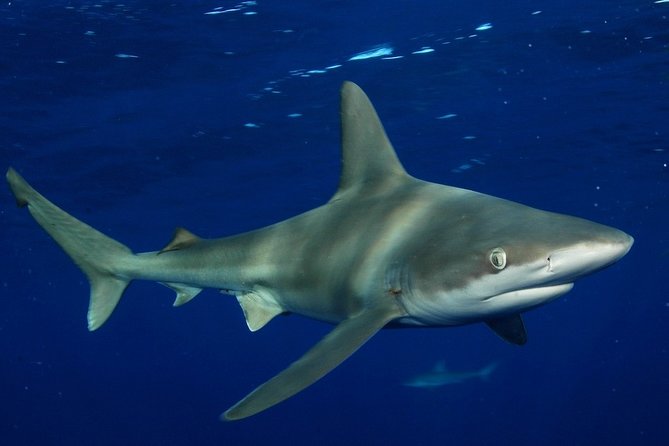
Galapagos sharks are the regular stars of this outing, with Sandbar sharks also found in the area. They move with a calm, efficient rhythm that is very different from the fast, dramatic shark scenes used in movies. Your best view may come when a shark glides across the cage rather than when it turns directly toward you.
Shark numbers vary. You might see a few animals, or several at once. Some outings have had six, ten, twelve, or even thirteen sharks around the cage. That variation is normal in a wild setting. The crew can take you to a productive area, but it cannot order a particular species to arrive.
Tiger sharks have also appeared on some trips, including a reported sighting of a roughly 10-foot tiger shark named Kahlea and another outing with two tiger sharks. These are memorable exceptions, not something to book around. If you see only Galapagos sharks, you have still had the intended encounter.
The cage time can feel longer than expected because you have a direct view for much of the session. One account describes about 20 minutes in the water, with enough time to settle down and watch rather than simply take one quick look. Your exact time depends on conditions and the day’s operation, but you should have a real viewing period rather than a brief photo stop.
More Shark Dives in the USA
- Dive with Sharks in Hawaii: Shark Tour from Haleiwa
★ 5.0 · 468 reviews - Shark-Dive Tour on Oahu’s North Shore
★ 5.0 · 240 reviews - Shark Cage Diving On “The World Famous North Shore of Oahu”, Hawaii
★ 5.0 · 222 reviews - Pelagic Shark Dive Tour
★ 5.0 · 217 reviews
A small group makes a practical difference
The boat carries no more than 12 people. That is small enough to keep the crew close at hand and large enough to make the trip social. Families and groups of friends can often enter the cage together, and one family of five found the cage comfortable for their group.
A smaller boat and cage also create a more personal feel than a large commercial operation. You may get more direct conversation with the crew, clearer instructions, and less waiting around for a large crowd to cycle through. Guides Dave and Efraim, along with Caleb and Jax, have been singled out for their friendly manner and patient help.
There is a tradeoff. A small boat offers less room to spread out, and a small cage may feel busy if everyone wants the same viewing position. If you want your own private cage or boat, this is not the product for you. It is a shared tour, not a private charter.
The observer ticket is a useful option for mixed groups. A parent, partner, or friend can ride along without getting into the cage. Keep in mind that the observer ticket does not include cage entry or snorkeling equipment. It is mainly for someone who wants to support the group from the boat.
Safety without losing the sense of adventure
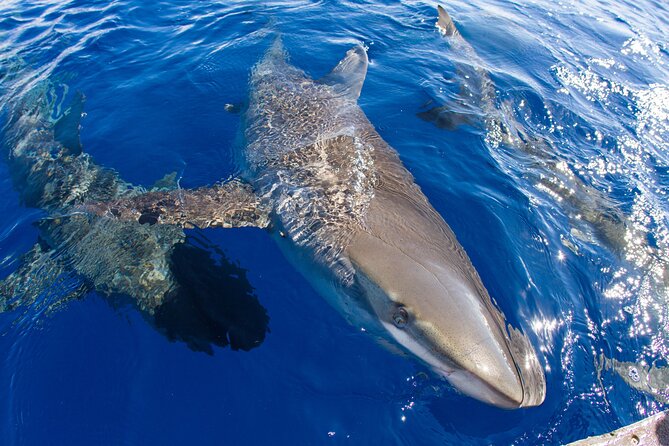
The crew gives instructions before you enter the cage and remains nearby during the encounter. The cage provides a physical barrier while allowing you to see the sharks in open water. That combination is why the experience works for many first-timers, including children old enough to participate.
The minimum age is 5. Most people can take part, but you should think honestly about swimming ability, comfort in moving water, and tolerance for boat motion. The shark encounter may be the easy part. For some people, the rocking cage or rough ride is the bigger challenge.
The water can feel cool, particularly in February, and one practical suggestion is to bring a bodysuit if you have one. You should also bring a towel for the ride back. The crew may rinse you with fresh water after the activity, which is welcome after time in salt water, but you still need your own towel and dry clothing.
Do not forget sun protection. Sunscreen is not included, and you will spend time in open sun on the boat. Food and drinks are also not included, so plan ahead, especially if this is your first activity of the day.
How to handle the photography question
You will want pictures. A shark passing just a few feet from the cage is the sort of moment you remember better with a photo, even if the camera never quite captures the color and movement correctly.
The boat has GoPro cameras available to rent if you do not have your own. You can also bring an underwater camera or a camera in a waterproof pouch. Secure your equipment well and listen to the crew before using it. A camera should not distract you from the animals or from holding the cage safely.
If you are prone to motion sickness, decide how much filming is realistic. Looking down through a camera while the cage moves can make nausea worse. Enjoy the first part with your own eyes, then record a few steady clips once you have adjusted.
Is $100 a fair price?
At $100 per person, this is a reasonable price for a roughly two-hour ocean activity that includes cage access, snorkeling equipment, local taxes, and an expert crew. You are paying not just for time in the water, but also for the boat, safety equipment, crew attention, and access to a wild shark habitat off the North Shore.
The value is strongest if you want a focused wildlife experience rather than a general sightseeing cruise. The trip is short enough to fit into a North Shore day, yet it gives you a close look at animals that are difficult to see from shore. It also avoids the extra cost and training connected with scuba activities.
The price does not cover transport from your hotel, food, drinks, towels, swimwear, sunscreen, or optional GoPro rental. Add those costs when planning your budget. If you already have snorkeling gear and a camera, you can keep the extras modest.
A private tour is not included. You will share the boat and cage with other people, up to a maximum of 12. For many people, that is part of the fun. If you want a quieter, custom schedule, look for a private charter instead.
Who should book this experience
I would recommend it to you if you want a close wildlife encounter but do not want scuba training. It suits couples, families with children age 5 and older, friends, and solo visitors who are happy joining a shared boat.
It is especially good for someone who feels nervous about sharks but wants to challenge that fear in a controlled way. The cage, surface mask and snorkel, and crew guidance give you a clear structure. You can watch the animals without pretending the ocean is a swimming pool.
I would be more cautious if you get seasick easily, dislike moving boats, or feel uncomfortable in open water. The trip can be rough, and the cage may rock more than the boat. Early morning departures are the smarter choice for anyone concerned about conditions.
This is also not ideal if you need guaranteed sightings of a specific species. Galapagos and Sandbar sharks are the expected animals, but tiger sharks and whales are occasional additions. Wild nature does not follow a script.
Booking, cancellation, and timing tips
The experience is often reserved about 22 days ahead, so book early if your Oahu dates are fixed. The activity requires suitable weather, and poor conditions can lead to a new date or a full refund.
You can cancel for a full refund up to 24 hours before the start time. Cancellations and changes inside 24 hours are not refunded or accepted, except when the operator cancels under the stated weather or minimum-participant rules.
For the best chance at smoother water, choose the earliest available trip. Bring a towel, dry clothes, sunscreen, and a camera if you have one. Wear swimwear under your clothes, and consider a bodysuit or other warm layer if you are visiting during a cooler month.
Should you book the Haleiwa shark cage experience?
Yes, if you want one of Oahu’s most direct wildlife encounters and can handle a moving boat. The strongest reasons to book are the small group size, the short ride to the shark area, the included equipment, and the crew’s calm, friendly approach.
Go in expecting real ocean conditions, not a theme-park ride. You may get bumps, a rocking cage, and changing shark numbers. That unpredictability is also what makes the encounter feel genuine.
Book this if you want to look through a cage and see wild sharks moving around you, with guides such as Caleb, Dave, Efraim, or Jax helping you understand what you are seeing. Skip it only if motion sickness or open water will overshadow the experience. For most people who can manage those conditions, $100 buys a memorable North Shore morning.
FAQ
Where does the shark cage experience begin?
It begins at Haleiwa Boat Harbor in Haleiwa, Hawaii. The activity returns to the same meeting point.
How long does the experience last?
The trip lasts approximately two hours, including the boat ride offshore, time at the shark area, and the return to Haleiwa.
What types of sharks might I see?
The main species are Galapagos sharks and Sandbar sharks. Tiger sharks may occasionally appear, but a specific species cannot be guaranteed.
Do I need scuba experience or certification?
No. You stay at the surface in a floating cage and use a mask and snorkel. No scuba experience or certification is required.
What is included in the $100 price?
The price includes shark cage access, snorkeling equipment, local taxes, and the expert crew. It does not include hotel transportation, towels, swimwear, sunscreen, food, drinks, or a private tour.
Can I join without entering the cage?
Yes. An observer ticket lets you join the boat without entering the cage. It does not include cage access or snorkeling equipment.
Newly logged dives around Oahu
- Oahu: Wreck & Reef Scuba Dive for Certified Divers★ 4.8 · 17 reviews
- Oahu: Cageless Shark Dive Adventure★ 4.9 · 60 reviews
- Oahu: Shallow Reef Scuba Dive for Certified Divers★ 5.0 · 11 reviews
- Oahu Night Dive: Adventure for Certified Divers★ 3.6 · 6 reviews
- Waikiki: Honolulu Beginner Scuba Diving with Videos★ 4.7 · 94 reviews
- Certified Divers: Best 2-Tank Wrecks & Reef Boat Dive All Inclusive From Waikiki★ 5.0 · 41 reviews
- Certified Diver: 2-Tank Night Dive★ 5.0 · 61 reviews
- Oahu Open Water Shark Diving Experience★ 5.0 · 128 reviews
Shark Dives & Cage Diving, side by side.
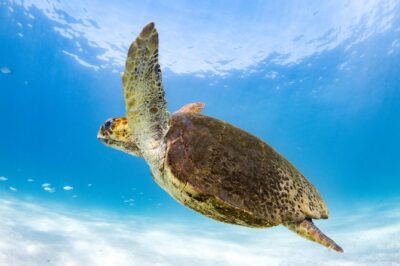
Swim with Whale Sharks in the Ningaloo Reef: 3 Island Shark Dive
Read our review →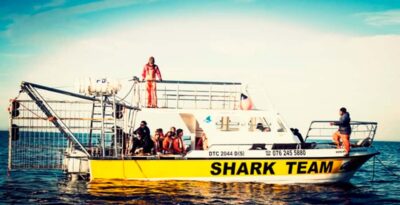
From Hermanus or Cape Town: Shark Cage Diving Experience
Read our review →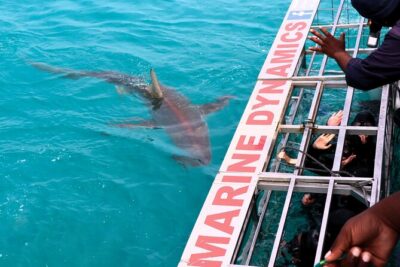
Shark Cage Diving and Viewing with transport from Cape Town
Read our review →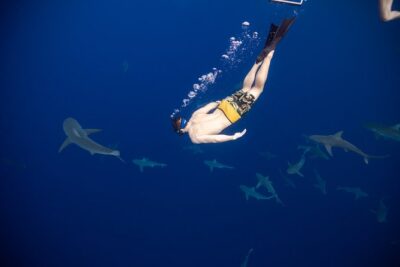
Safe and Educational Shark Dive from Haleiwa: Sharks Guaranteed
Read our review →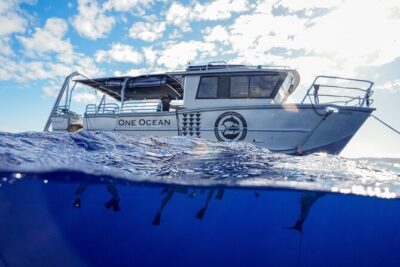
Dive with Sharks in Hawaii: Shark Tour from Haleiwa
Read our review →