
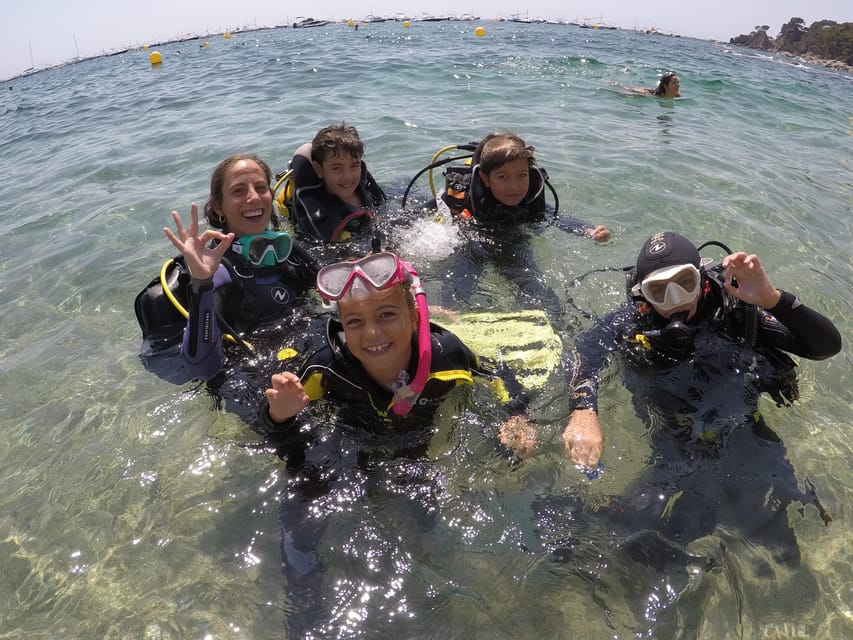
Review · SPAIN
Calella de Palafrugell : Discover Scuba Diving Experience
The remarkable part comes early: you learn to breathe underwater, then meet the marine world almost at once. This Calella de Palafrugell experience is built for first-timers, with a beach location and a small group capped at four people. Professional instruction keeps the mood calm while you learn the gear and basic safety rules.
I like the two-step format. You first practice simple skills, such as clearing a mask and recovering the regulator, then use them during a deeper underwater session. I also like that equipment, insurance, and drinking water are included, so the $130 price is easier to judge.
The main consideration is time. Two hours passes quickly, and the actual underwater portions are listed as about 25 minutes each. You will get a careful introduction rather than a long open-water outing, which is exactly right for some beginners but may feel brief to certified scuba users.
Key points to know before booking
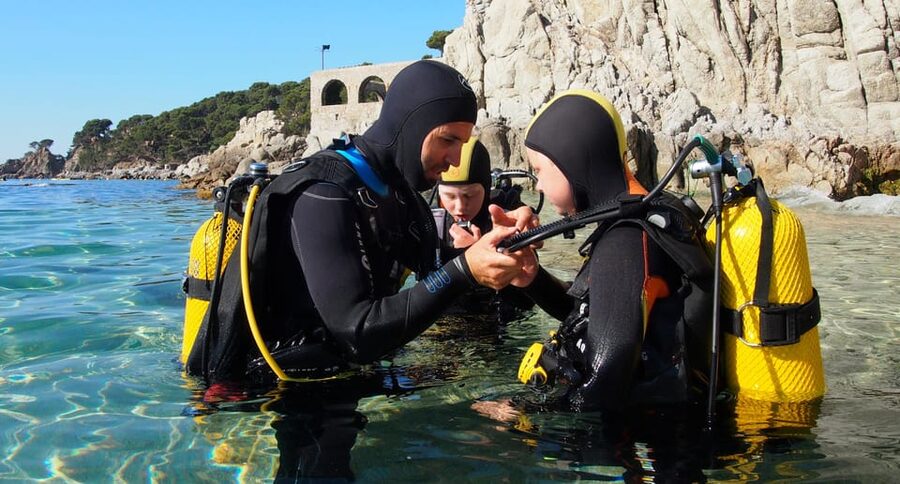
- Beach-based start: You meet directly on the beach in Calella de Palafrugell, with no separate transfer listed.
- Two practical underwater sessions: The first builds confidence with basic skills, while the second focuses on putting those skills to work and controlling buoyancy.
- Very small groups: A maximum of four participants allows the instructor to watch each person closely.
- Beginner-friendly instruction: The session combines a try-out with the structure of an introductory scuba course.
- Four guide languages: Instruction is offered in English, Spanish, French, and German.
- Strong family appeal: A parent booking for a son and husband called it a holiday highlight, with the guide receiving especially warm praise.
Starting on the beach in Calella de Palafrugell
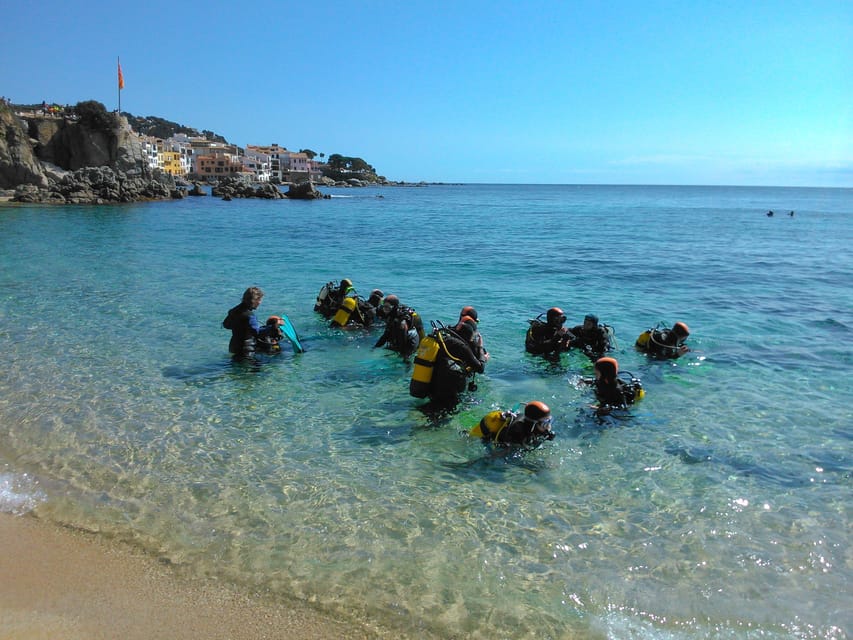
The setting makes this a friendly first step into scuba. You begin directly on the beach, rather than spending part of the morning reaching a boat or a distant launch point. That keeps the logistics simple and gives you a clear place to gather, listen, and prepare.
For a first underwater experience, the beach matters. You can deal with the equipment at the water’s edge and enter the sea in a controlled way. I prefer this kind of start for beginners because it removes one layer of uncertainty. You are not trying to learn new skills while also handling a boat ride, a jump, or a busy marina.
The activity takes place in Girona’s Costa Brava, in and around Calella de Palafrugell. The supplied details do not name a particular cove, reef, or fish species, so I would not book it expecting a specific wildlife sighting. The promise is broader and more useful: you will be able to notice marine life from the first minute of the underwater session.
That early contact with the sea is the heart of the outing. Instead of spending the full appointment in a classroom, you move fairly quickly toward the sensation of breathing beneath the surface. The instructors still cover the necessary rules, but the learning is tied to something you can feel and practice right away.
More Discover Scuba Diving in Spain
- Barcelona: PADI Discover Scuba Diving
★ 4.7 · 1,016 reviews - Mallorca: Discover Scuba Diving for Beginners
★ 4.7 · 805 reviews - Lanzarote Introductory Scuba Diving Experience
★ 5.0 · 766 reviews
The first lesson: equipment, rules, and calm breathing
Before you go below the surface, the instructor explains how the scuba equipment works and reviews the rules that guide a safe session. This is not filler. For a newcomer, understanding the mask, regulator, and other equipment helps turn a strange setup into a collection of manageable tasks.
The instructors speak English, Spanish, French, or German. That choice can make a real difference when you are learning safety procedures. You should book the language in which you can most easily understand instructions about breathing, equipment use, and what to do if something feels wrong.
The course is described as a mix of a try-out and an introductory scuba course. That is a useful distinction. A simple try-out might give you a quick taste and little else. This session adds basic training, then asks you to use what you have learned in the water.
The small group limit of four is one of the strongest practical features. Scuba instruction involves small adjustments: mask fit, breathing rhythm, body position, and comfort with the regulator. With only a few people, the instructor has a better chance to notice when you need help or a slower explanation.
The schedule says the whole activity lasts about two hours. It also lists two underwater parts of about 25 minutes each. The remaining time covers the briefing, preparation, equipment handling, transitions, and any guidance before and after the water sessions. Plan for the full two hours rather than treating the 50 minutes as the total appointment.
First underwater session: learning the basic skills
The first session is designed to help you get comfortable in the underwater setting. You practice clearing water from your mask and recovering the regulator, two skills that can seem awkward on land but become much less mysterious once you try them with an instructor nearby.
Mask clearing teaches you not to panic if water gets inside the mask. Regulator recovery teaches you how to regain the breathing mouthpiece if it shifts or comes out. These are simple actions, but they are important confidence builders for a person who has never used scuba equipment.
The first session is not about covering a great distance. Its purpose is control and comfort. You are learning how your breathing feels through the regulator, how the equipment responds, and how to follow instructions while surrounded by water.
I like this structure because it respects the beginner’s learning curve. The first few minutes beneath the surface can be mentally busy. You are processing new sounds, new sensations, and unfamiliar gear. Practicing one skill at a time gives you a chance to settle before the session asks more of you.
Do not measure this part by how far you go. Measure it by how calmly you can breathe, listen, and complete the exercises. If you can handle those basics, you have a much better foundation for the second session.
Second underwater session: putting skills to work
The second part takes you into a deeper underwater session and gives you a chance to use the earlier skills. The focus shifts from simply learning the equipment to maintaining neutral buoyancy.
Neutral buoyancy means controlling your position in the water instead of constantly sinking or rising. For a beginner, this is one of the most rewarding parts of scuba. It helps you move with less effort and observe the underwater world without repeatedly kicking toward the surface or dropping toward the bottom.
The details do not promise a particular depth, route, or wildlife list. That is worth keeping in mind when comparing this with a longer certified scuba outing. You are receiving a guided introduction, not a full excursion built around a named underwater site.
Still, the second session gives the experience real substance. You are not only being shown the equipment. You are practicing the central skill of moving calmly in the water while staying aware of your breathing and surroundings.
The instructor remains close, and the group size supports personal attention. If your body position needs correcting or you are using too much effort, this is the point at which guidance can make the difference. The goal is not speed. The goal is to become more comfortable and controlled.
Same water, a different dive:
- Southern Tenerife: 50-Minute Submarine Dive
★ 4.8 · 2,216 reviews - Tenerife: Your First Scuba Diving Experience in Turtle Area
★ 4.7 · 1,679 reviews - Lanzarote: Real Submarine Dive
★ 4.5 · 1,039 reviews - Tenerife: Beginner’s Dive at a Spot with Turtle Sightings
★ 4.7 · 627 reviews
Marine life from the first minute
The activity promises the chance to notice marine life from the first minute underwater. That makes the experience more than a dry equipment lesson. You get the technical introduction, but you also have a reason to look around and appreciate why people enjoy scuba in the first place.
Because no specific animals or underwater formations are named, keep your expectations open. You might find small sea life close to the shore, but the available information does not guarantee particular sightings. The safest way to frame it is this: the sea itself becomes part of your classroom from the start.
That combination suits people who learn best by doing. You can hear an explanation of buoyancy, but the idea becomes clearer once you feel yourself rise, sink, and adjust. You can hear how a regulator works, but the lesson becomes memorable when it lets you breathe below the surface.
I would especially recommend paying attention during the quiet moments. Once the basic exercises are complete, you may have time to notice the movement of the water and the life around you. The activity is short, so you will get more from it if you resist treating the underwater part as a checklist.
What the $130 price includes
At $130 per person, this is not a casual beach rental. The price covers a supervised introduction with a professional instructor, full scuba equipment, diving insurance, and drinking water.
The equipment inclusion is important. A first-time participant should not have to assemble a separate set of gear or guess what is suitable. Insurance also adds practical value, since the activity involves specialist equipment and formal safety instruction.
The small group limit strengthens the value. A cheaper large-group session might give you less personal time and less direct help when you are learning. Here, the maximum of four means the price is paying for a more controlled introduction, not simply access to equipment.
The value depends on your goal. If you want a long underwater trip, several sites, or a full certification course, $130 for about two hours will not meet that expectation. If you want to find out how scuba feels, learn core skills, and do so with close supervision, the price is more reasonable.
I would also factor in what is not listed. There is no mention of underwater photographs, hotel pickup, meals, or certification. Do not assume those extras are included. The stated package is focused and clear: equipment, insurance, water, instruction, and the two-part underwater experience.
Who will enjoy this experience most
This is best suited to a first-timer who wants a real introduction without committing to a longer course. You get enough instruction to learn useful basics, but the appointment remains short enough to fit into a Costa Brava holiday.
It also suits families with older children or adult relatives, provided each participant meets any requirements set during booking. The available feedback includes a parent who booked for a son and husband and described the activity as a holiday highlight. The guide’s quality was singled out, which fits the value of a small, closely supervised group.
Friends and couples can also use it as a shared challenge. Since the group is limited to four, you should have a more personal session than you would in a large class. If you are nervous, that smaller format may help you speak up and ask for a pause.
Certified scuba users may find the pace too introductory. The session is built around learning basic exercises and buoyancy, not around advanced skills or an extended underwater route. I would choose it for a non-certified companion, not as a substitute for a full recreational outing.
Timing, languages, and cancellation
The activity lasts about two hours, with starting times shown according to availability. The two underwater parts are each listed at about 25 minutes, so allow time for the explanation, equipment preparation, and transitions.
Instruction is available in English, Spanish, French, and German. Confirm your preferred language when booking, especially if you need safety instructions explained clearly and slowly.
You can cancel up to 24 hours in advance for a full refund. The reserve-now, pay-later option also keeps your plans flexible, which is useful on a beach holiday where weather and daily schedules can shift.
The activity details do not provide a separate accessibility statement or a list of medical requirements. If you have a health concern or need a particular accommodation, ask the provider before reserving. Poseidon Costa Brava is the provider named for this experience.
Should you book this Calella scuba experience?
Book it if you want a careful first taste of scuba in a beach setting, especially if a small group and personal instruction matter to you. The two sessions are sensibly arranged: learn basic skills first, then use them while working on buoyancy and observing the sea.
At $130, it offers fair value for a guided introduction with equipment and insurance included. Its limits are just as clear: about two hours, roughly 25 minutes for each underwater part, and no promise of a named site or particular marine animals.
I would choose this for a curious beginner, a family looking for a memorable holiday activity, or anyone who wants to test scuba before taking a longer course. I would skip it only if you already have experience and want an extended underwater trip. For the right beginner, the chance to breathe underwater within minutes, with an instructor nearby and only three other participants at most, is the real reason to book.
FAQ
Where does the scuba experience take place?
It takes place directly on the beach in Calella de Palafrugell, in Girona on Spain’s Costa Brava.
How long does the activity last?
The full experience lasts about two hours. Each of the two underwater parts is listed as lasting about 25 minutes.
Is this suitable for someone who has never used scuba equipment?
Yes. The experience is designed as a mix of a try-out and an introductory scuba course, with an explanation of the equipment, safety rules, and basic underwater exercises.
What skills will I practice?
You will practice clearing your mask, recovering the regulator, and maintaining neutral buoyancy during the second underwater session.
How many people are in each group?
The group is limited to four participants.
Which languages can the instructor speak?
Instruction is available in English, Spanish, French, and German.
What is included in the price?
The price includes full scuba equipment, diving insurance, and drinking water.
Can I cancel the booking?
You can cancel up to 24 hours in advance for a full refund. A reserve-now, pay-later option is also available.
Newly logged dives around Spain
- Fuerteventura: Introductory Dive in La Lajita with Pickup★ 4.9 · 68 reviews
- Scuba Diving – Dive for certified divers★ 4.3 · 4 reviews
- Scuba Diving Baptism in Caleta de Fuste★ 5.0 · 34 reviews
- Santa Pola: 3-Hour Scuba Diving near Tabarca★ 4.9 · 25 reviews
- Tenerife : Diving License international in one day★ 5.0 · 7 reviews
- Santa Cruz de Tenerife: PADI Introductory Dive★ 4.8 · 23 reviews
- Salou: Scuba Diving for beginners with hotel pickup★ 4.0 · 7 reviews
- S. Tenerife: 2 Dives for Beginners (Beach + Boat Experience)★ 4.1 · 6 reviews
Discover Scuba Diving, side by side.
Cyprus: Introductory Scuba Lesson and Dive with Transfer
Read our review →
Half-Day Scuba Diving Tour – Discover Scuba Diving!
Read our review →Lists this dive is on