
Review · USA
Oahu: Shark Cage Diving Experience
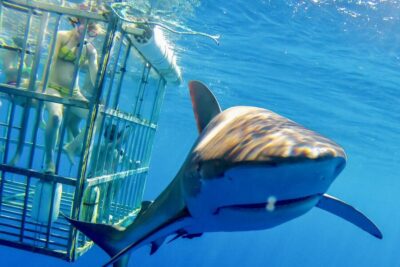
The first thing to know is that this is a close look at sharks in open water, not an aquarium visit. From a floating cage about 3 miles off Oahu’s North Shore, you can watch Galapagos and sandbar sharks glide past the windows. I like the surface-level format, which requires no scuba certification, and I like that the local crew links shark behavior to Hawaiian culture and conservation. The catch is rough seas. If you get seasick or dislike being in the ocean, this may be a hard two hours.
The $97 price is fair for a two-hour boat trip, snorkeling equipment, a safety talk, and time at the cage, especially since part of the fee supports shark conservation. You must be comfortable in the water, check in 30 minutes early, and accept that weather can cancel or reschedule the trip. One recent booking described the crew as attentive and the experience as worth the heavy swell, but that same swell is exactly why I would pack carefully and leave room in your Oahu schedule.
Key points to know before booking
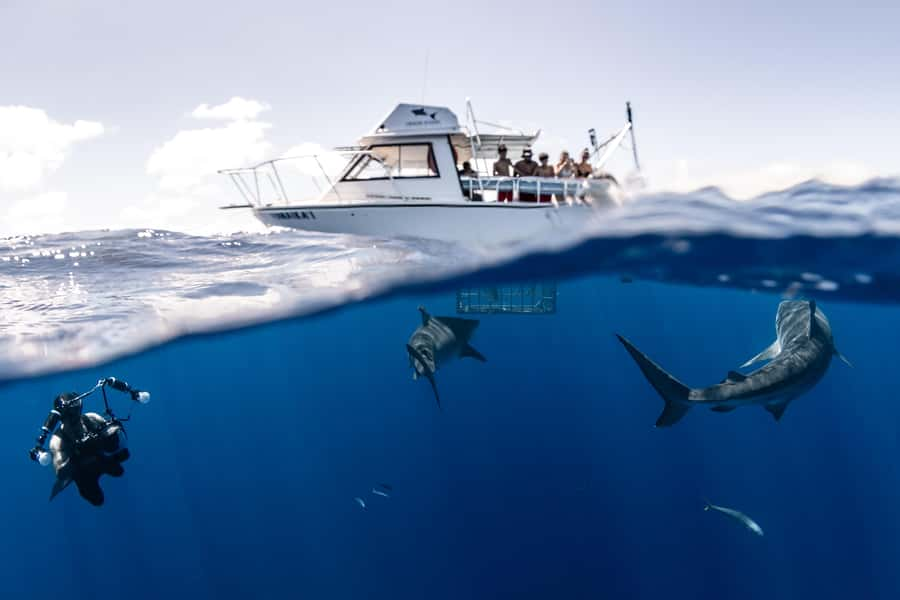
- The sharks are seen from a floating cage: You remain at the surface with a mask and snorkel while looking through large plexiglass windows.
- The boat travels about 3 miles offshore: This is a real open-ocean outing, not a short harbor cruise.
- Galapagos and sandbar sharks are the main attraction: Their natural movement and curiosity bring them near the cage.
- No scuba experience is needed: You still need to be comfortable in the water and able to follow the safety briefing.
- The sea can be rough: Seasickness is listed as a concern, and poor weather can force a cancellation or new date.
- Haleiwa is close by: You can pair the morning or afternoon trip with shops and other sights in town.
Meeting the crew at the North Shore harbor
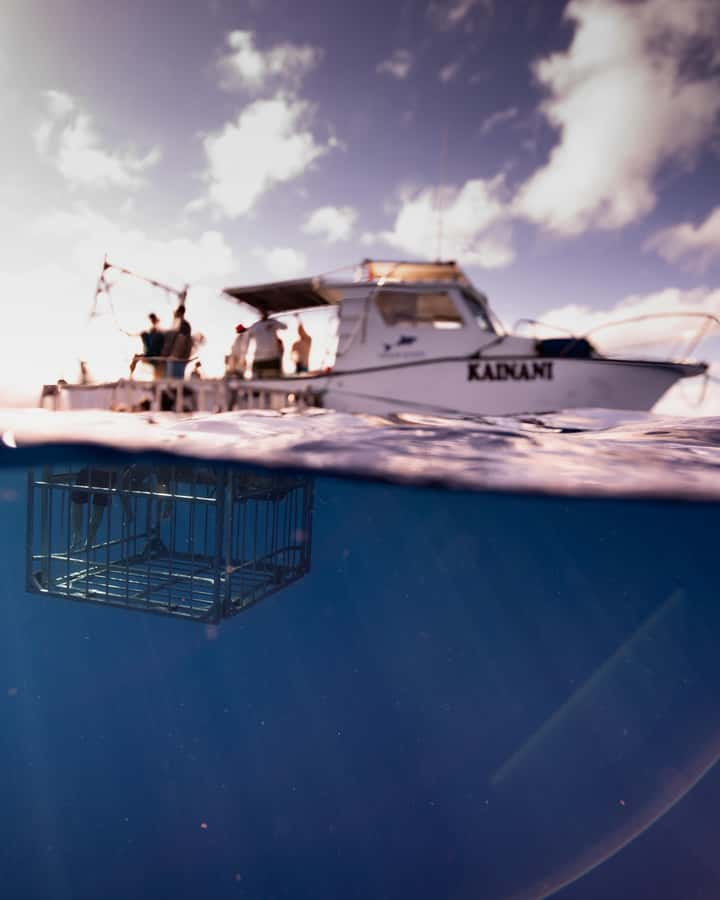
Your experience begins at a harbor on Oahu’s North Shore. The exact meeting point can vary with the option you book, so check your confirmation closely rather than assuming every departure uses the same dock. You should arrive 30 minutes before the stated start time.
The local crew handles the safety briefing and gives an introduction to shark biology and behavior before the boat heads out. I value this part because it sets the tone for the whole outing. You are not simply waiting for an animal to appear. You are learning how to behave around marine life and why sharks matter in the ocean.
The instruction is in English. The tour includes snorkel equipment, but you should bring your own swimsuit, towel, water, sunscreen, and hat. A camera is also listed as a useful item, although flash photography is not allowed. Bring only what you need, since the restrictions are strict: alcohol, drugs, smoking, vaping, weapons, sharp objects, and food or drink in the vehicle are not permitted.
Hotel transportation is not included. You will need to make your own way to the harbor, then plan your return trip or onward visit to Haleiwa. That is not a flaw if you already have a rental car and want to explore the North Shore, but it matters if you are building a day around resort pickup.
More Shark Dives in the USA
- Oahu Shark Dive
★ 5.0 · 2,903 reviews - Oahu: Shark Cage Dive on the North Shore
★ 4.8 · 1,485 reviews - Shark Cage Diving on Oahu’s North Shore
★ 5.0 · 1,391 reviews
Three miles offshore, where the water changes character
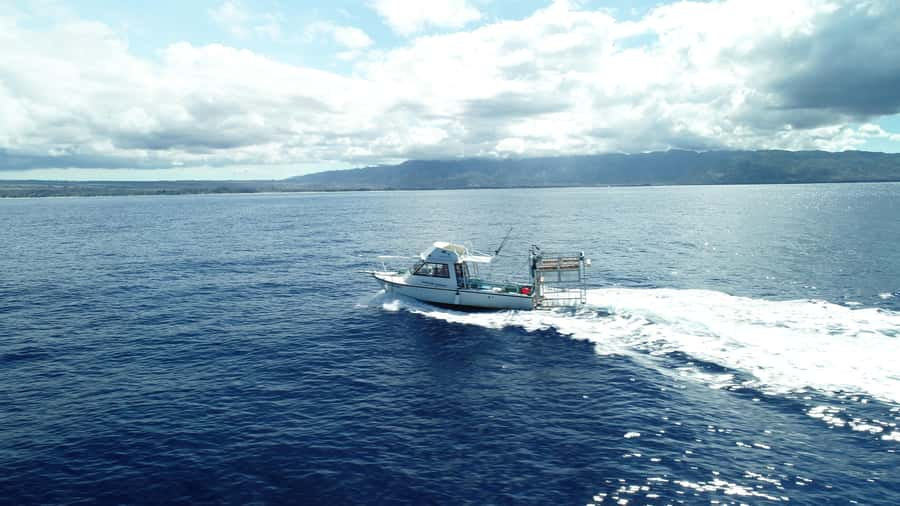
Once the boat leaves the harbor, it travels about 3 miles into the open ocean. This short distance on a map can feel significant on the water. You are no longer beside the coast, and the boat’s movement depends on wind and swell.
I would treat the ride as part of the experience, not just a transfer. You get the sense that the sharks are being seen in their own setting rather than in a controlled tank. At the same time, this is where seasickness becomes a real concern. One recent account praised the crew and called the trip worth it while also warning that the waves could be tough. That is useful advice, not a minor footnote.
If you are prone to seasickness, this may not be the right boat activity for you. The published suitability information specifically excludes people prone to seasickness. Weather also controls the schedule. The operator may reschedule the trip if conditions are poor, so avoid placing this at the very end of a tightly planned holiday.
The weather policy protects the quality and safety of the outing, but it can create uncertainty. Keep your booking flexible if possible. You can cancel up to 24 hours in advance for a full refund, and the reserve-now, pay-later option lets you hold a place without paying immediately.
Watching Galapagos and sandbar sharks from the cage
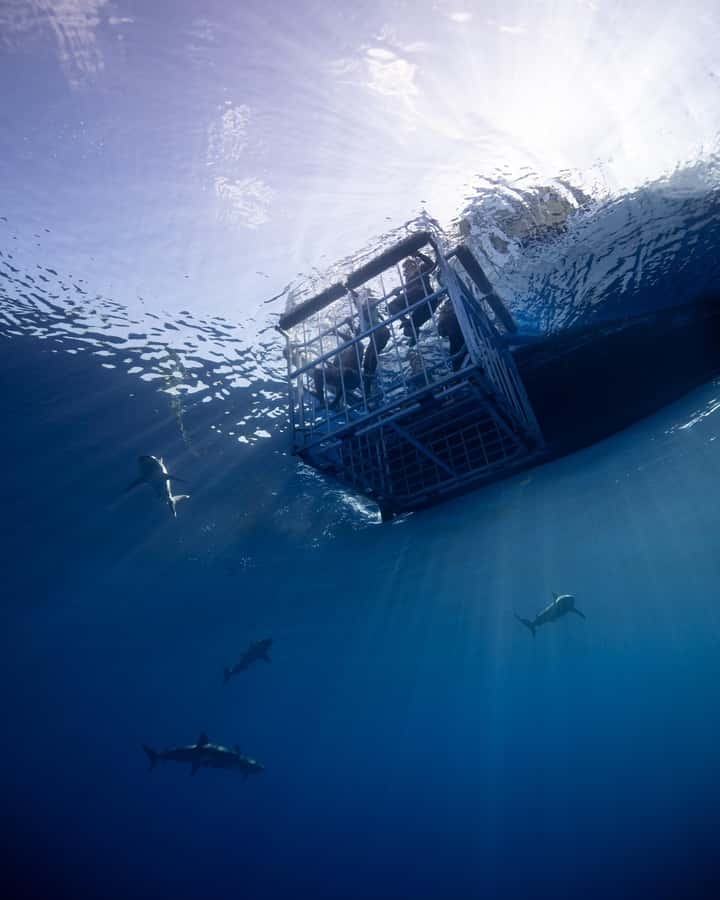
At the viewing area, you enter a floating cage and look through large plexiglass windows. You remain on the surface with a mask and snorkel. No scuba equipment or previous scuba training is required.
The cage gives you a protected place to watch sharks as they move through the water. The best part is the chance to observe their motion and shape at close range, rather than seeing a quick fin from a distant boat. The description notes that their curiosity can bring them near the window, creating a direct, eye-level view.
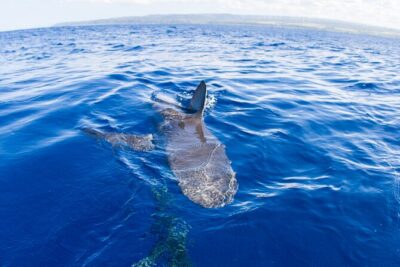
The main species named for the outing are Galapagos sharks and sandbar sharks. You are not promised a staged performance or a guaranteed number of animals. That is important. The experience depends on sea conditions and the natural behavior of wild sharks, so patience is part of the deal.
You should also expect a sensory experience rather than a perfectly dry one. You will be in a floating cage, wearing a mask and snorkel, with the ocean moving around you. The activity is not suitable for people who are uncomfortable in the water, and touching marine life is prohibited. That rule protects both you and the sharks.
A camera can help you remember the encounter, but flash photography is not allowed. Keep your attention on the water first. A shark encounter can pass quickly, and trying to manage a camera while following safety instructions may mean missing the best moment.
What the shark talk adds to the experience
The guide’s talk covers shark biology, behavior, and the role of sharks in Hawaiian culture and mythology. This gives the outing more substance than a simple wildlife photo stop.
I particularly like the cultural context. Sharks are not presented only as frightening animals or dramatic attractions. The Hawaiian connection encourages you to consider how these animals fit into local beliefs and traditions. The talk also explains their place in the marine ecosystem, helping replace the usual movie image of sharks with a more useful understanding of how they live and behave.
The conservation element is practical as well. The experience includes an opportunity to participate in shark research and a contribution to shark conservation. You are also encouraged to become an ambassador for the cause. The data does not explain the exact research method or the size of the contribution, so I would not book this expecting a formal scientific workshop. Think of it as a guided wildlife encounter with an educational and conservation message built in.
The guide’s local knowledge is another strength. The crew can explain the area, the marine setting, and the conditions you are seeing. One recent booking specifically praised the skippers for being attentive and helpful. That matters on a small ocean activity, where clear instructions and calm handling make a noticeable difference.
Same water, a different dive:
- First-Time Scuba Diving in Honolulu + Free Videos
★ 5.0 · 3,123 reviews - Beginner Scuba Diving Experience with Video Package in Honolulu
★ 5.0 · 877 reviews - Safe and Educational Shark Dive from Haleiwa: Sharks Guaranteed
★ 5.0 · 553 reviews - 2 Tank Lanai Cathedral Scuba Dive Via Boat for Certified Divers
★ 5.0 · 548 reviews
The two-hour schedule and how to use your day
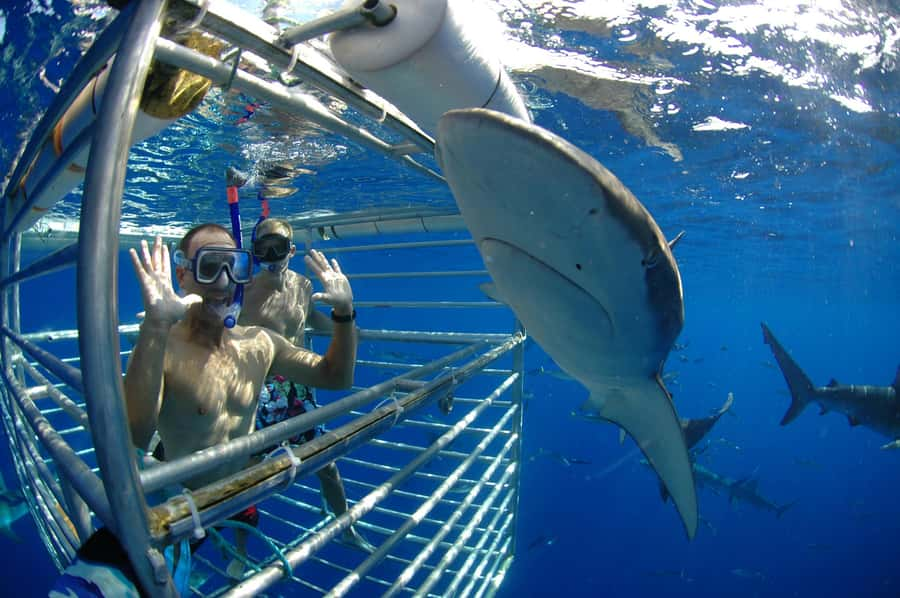
The listed duration is two hours. That includes the harbor check-in, safety briefing, boat ride, time at the cage, and return, although the exact balance can vary with conditions.
Because hotel pickup is not provided, allow extra time around the official activity period. You need to reach the harbor 30 minutes before departure, and you may want time afterward to dry off, change clothes, and continue by car. Food and drinks are not included, so pack water and plan a meal separately.
Haleiwa is close to the harbor and makes a natural add-on. After the boat returns, you can explore local shops and other attractions in town. I would pair the shark experience with Haleiwa rather than trying to stack it with another fixed-time activity on the other side of the island. The boat schedule can be affected by weather, and open-ocean conditions can make the return take more out of you than expected.
If you are deciding between a morning or later departure, check the available start times when booking. The experience does not list a single fixed departure time. Choose the slot that gives you enough driving time and does not force you to rush from the boat to your next reservation.
Is $97 a fair price?
At $97 per person, the cost sits in a reasonable range for a two-hour wildlife boat experience. You are paying for the boat ride offshore, the cage encounter, snorkel equipment, the safety talk, local crew, shark education, and a conservation contribution.
The value depends on what you want. If you only want a quick view of a shark, $97 may feel high. If you want a guided ocean experience that combines wildlife, local culture, research, and conservation, the price makes more sense.
There are also extra costs to remember. Hotel transport, food, and drinks are not included. You may need to pay for fuel or other transport to the harbor, and you should budget for a meal in or near Haleiwa. The reserve-now, pay-later feature is useful for a trip where weather can affect the schedule.
The strongest value comes from the chance to see wild sharks from a protected viewing position without needing scuba training. The weakest value comes if you are uncomfortable in rough water or expect a guaranteed animal show. In that case, the cost is harder to justify.
Who should book this North Shore experience?
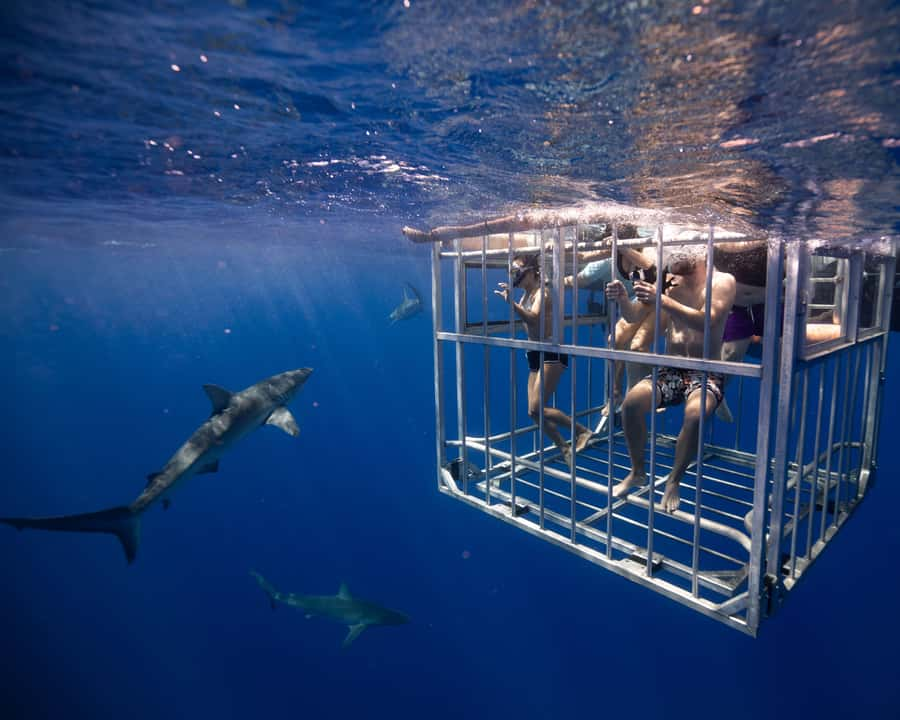
I would recommend it to adults and older children who are comfortable in the water, curious about marine life, and happy with a little uncertainty. It suits you particularly well if you want an activity that feels different from a beach day and you are interested in the conservation message.
It is also a good fit for people who do not want to learn scuba skills. You use a mask and snorkel at the surface, so the activity is more accessible than a scuba excursion, though it is still physically and mentally demanding for anyone uneasy in the ocean.
I would hesitate if you are prone to seasickness, have back problems, use a wheelchair, or weigh more than the published limit. The information gives two different weight limits, 331 pounds and 350 pounds, or about 150 and 159 kilograms. Because those figures conflict, confirm the current limit before paying.
The age restrictions are also listed in several forms, excluding children under 2, under 3, under 4, and under 5. Treat the practical limit as under 5 unless the operator confirms otherwise. Babies and very young children are not a good match for this boat and cage setting.
You should also skip the trip if you expect to touch or feed marine life. Neither is allowed. The experience is based on observation, not interaction.
Practical packing advice for a smoother trip
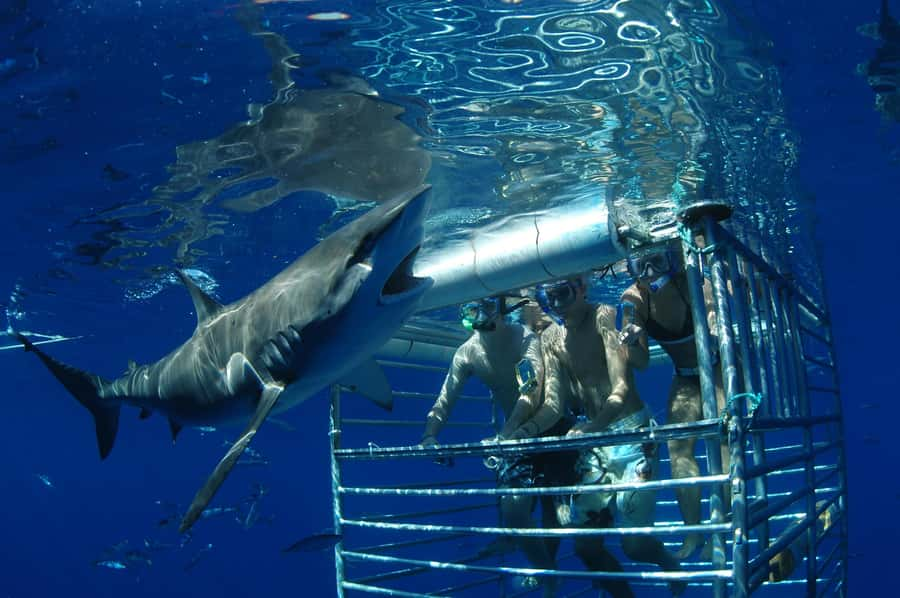
Bring a swimsuit, towel, sunscreen, hat, and water. These are not luxury extras. You will be exposed to sun and spray, and the boat trip takes you into open water.
Pack a camera only if you can use it without a flash and without ignoring instructions. Leave alcohol, drugs, sharp objects, weapons, smoking materials, and prohibited mobility equipment at home. Surfboards, skateboards, scooters, skates, and non-folding wheelchairs or strollers are also not allowed.
Wear what you can manage easily before and after the water portion. The provided information does not specify changing facilities, so do not assume you can rely on them. A towel and a simple change of clothes will make the return to Haleiwa much more comfortable.
Most of all, bring patience. Shark sightings happen in the animals’ environment, and the sea may be moving. The goal is to watch respectfully, not to force a particular photograph or performance.
Should you book the shark cage experience?
Book it if you want a close view of Galapagos and sandbar sharks, prefer snorkeling to scuba, and can handle a boat ride in open water. The combination of a floating cage, local crew, Hawaiian cultural context, and conservation message gives the two-hour trip more depth than a standard sightseeing cruise.
Skip it if seasickness is a serious problem, you need guaranteed timing, or you are not comfortable in the water. Weather can cancel the outing, and the waves may be rough.
For the right person, this is a memorable North Shore activity with a clear purpose: watch sharks in their natural setting, learn why they matter, and leave with a better understanding of an animal that is too often reduced to a movie villain. Pair it with Haleiwa, keep your schedule flexible, and treat the ocean conditions as part of the decision.
FAQ
How long does the shark cage experience last?
The activity lasts two hours. You should also allow time to arrive 30 minutes before the start and to travel to and from the harbor.
Do I need scuba experience?
No. Scuba experience is not required. You use a mask and snorkel while observing sharks from a floating cage at the surface.
What types of sharks might I see?
The experience is designed for sightings of Galapagos sharks and sandbar sharks.
Where does the boat go?
The boat travels about 3 miles offshore from Oahu’s North Shore into the open ocean.
Is hotel pickup included?
No. Hotel pickup and drop-off are not included. The meeting point can vary depending on the option booked.
What happens if the weather is poor?
The activity is subject to weather conditions and may be rescheduled if conditions are not suitable. You can cancel up to 24 hours in advance for a full refund.
What should I bring?
Bring a hat, swimsuit, towel, camera, sunscreen, and water. Flash photography, touching marine life, feeding animals, smoking, alcohol, and drugs are not allowed.
Newly logged dives around the USA
- Panama City Beach: Beginners Scuba Diving Tour★ 4.6 · 23 reviews
- Oahu: Wreck & Reef Scuba Dive for Certified Divers★ 4.8 · 17 reviews
- Oahu Night Dive: Adventure for Certified Divers★ 3.6 · 6 reviews
- Oahu: Cageless Shark Dive Adventure★ 4.9 · 60 reviews
- Oahu: Shallow Reef Scuba Dive for Certified Divers★ 5.0 · 11 reviews
- Oahu: Beginner SCUBA Dive at Electric Beach★ 4.8 · 10 reviews
- Kauai: Morning 2 Tank Boat Dive for Experienced Divers★ 5.0 · 5 reviews
- Miami Beach: Guided 2-Tank Reef and Wreck Dive Trip★ 4.8 · 13 reviews
Shark Dives & Cage Diving, side by side.
Swim with Whale Sharks in the Ningaloo Reef: 3 Island Shark Dive
Read our review →
From Hermanus or Cape Town: Shark Cage Diving Experience
Read our review →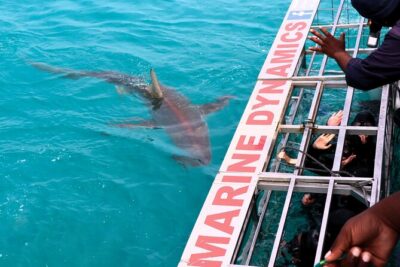
Shark Cage Diving and Viewing with transport from Cape Town
Read our review →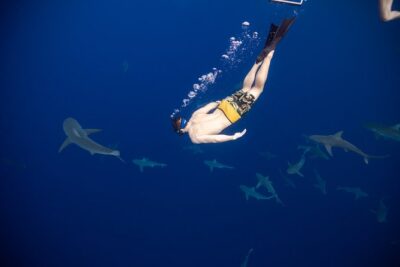
Safe and Educational Shark Dive from Haleiwa: Sharks Guaranteed
Read our review →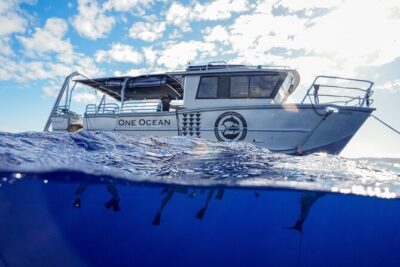
Dive with Sharks in Hawaii: Shark Tour from Haleiwa
Read our review →Lists this dive is on