Review · MAUI
Maui: Eco-Friendly Conservation Scuba Dive Certified Divers
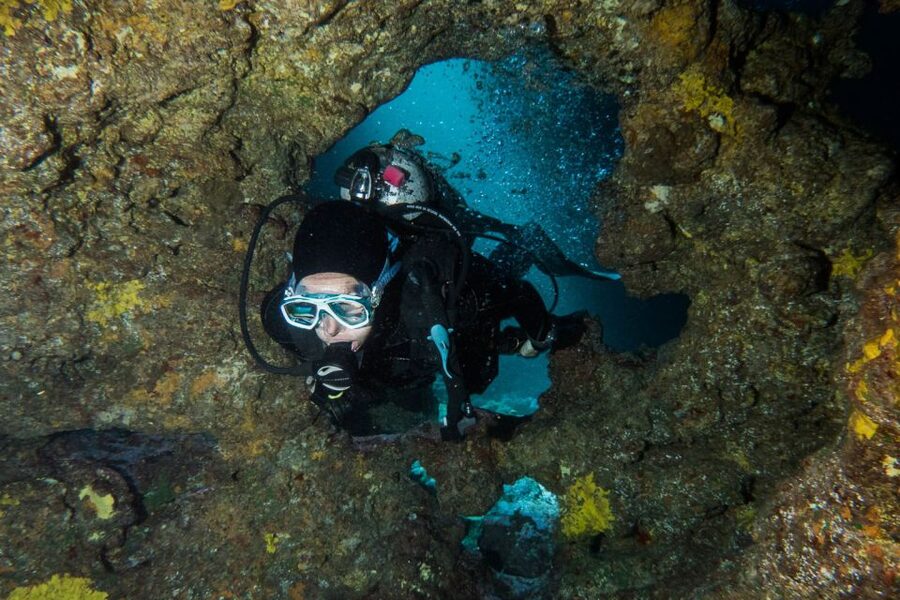
The most useful feature here is the workshop-style underwater session. You do not simply swim around Maui’s reefs and point at fish. You choose a subject, then work with your instructor on coral ecology, sea turtles, fish identification, shark education, reef cleanup, or buoyancy. I like that personal focus, and I like the four-to-one maximum because it gives your instructor room to watch your skills and answer questions.
The main drawback is practical rather than scenic: you must already hold an Open Water Certification, and the meeting point is confirmed only the day before. There is no hotel pickup, and you cannot fly within 24 hours after the session, so this needs careful planning in your Maui schedule.
Key points to know before booking
- Small groups matter: No more than four participants are assigned to one instructor.
- Choose your subject: Focus on coral reefs, turtles, sharks, fish, cleanup work, or buoyancy.
- Useful for rusty certified participants: Gabby has worked patiently with someone returning to scuba after time away.
- Wildlife can be excellent: Maui sightings have included turtles, white-tip sharks, eels, trumpet fish, and tropical reef fish.
- Two reported sites: Kahekili Beach and Mala Pier were used on one two-session morning, though your exact location is not guaranteed.
- Plan around flight rules: You must wait at least 24 hours after scuba activity before flying.
A reef outing with a purpose
Many underwater excursions give you a set route and a few facts about the animals. This one is built around learning. You still get time among Maui’s coral reefs and tropical fish, but the instructor uses the session to connect what you see with the health of the ocean.
That difference matters. A sea turtle becomes more than a memorable photograph when you learn about its place in the reef system. A patch of coral becomes easier to understand when your guide explains how reef life depends on it. Fish identification also becomes more rewarding because you begin looking at behavior, shape, and habitat instead of seeing one blur of colorful movement.
You start at the dive shop, where you meet your certified English-speaking instructor and select one or more subjects. The format is flexible, so you can steer the session toward what interests you most. You might want a basic introduction to coral reef ecology, or you might prefer to work on buoyancy and learn how better control helps protect the reef.
This is a good match for certified scuba participants who want more than a standard sightseeing outing. It is also useful if your certification is current but your confidence needs a little attention. The session is not described as a certification course, so you should arrive with the required Open Water qualification already in hand.
More Dives for Certified Divers in the USA
- 2 Tank Lanai Cathedral Scuba Dive Via Boat for Certified Divers
★ 5.0 · 548 reviews - Wreck and Bridge Span Dive for Certified Divers
★ 5.0 · 521 reviews - Certified Diver: 2-Tank Deep Wreck and Shallow Reef Dive Off Oahu
★ 5.0 · 331 reviews
Choosing your workshop topic
The available subjects cover both natural history and practical scuba skills. You do not need to treat them as separate lessons. A good instructor can connect them as the session develops.
Coral reef ecology gives you the broadest picture. You learn how the reef functions as a home for fish and other marine life, and why careful movement matters around coral. This topic suits anyone who wants to understand what they are seeing rather than simply collect photographs.
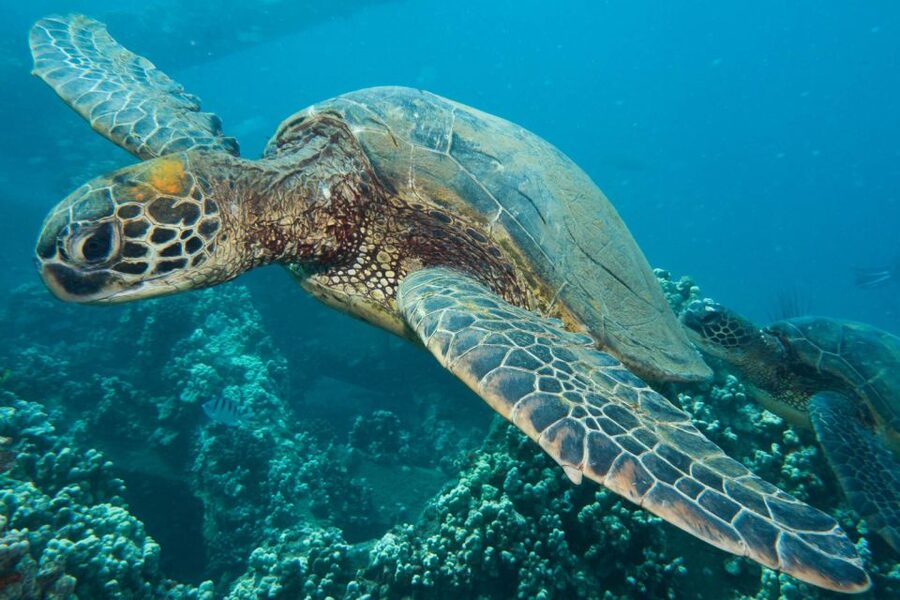
Sea turtle education focuses on one of Maui’s most familiar marine animals. Turtles are among the wildlife you may encounter, but sightings are never guaranteed. The value of this subject does not depend on finding one. It gives you a better way to observe marine life with care and respect.
Shark education adds useful context to an animal that often gets more fear than facts. The outing can include instruction about sharks and their role in the ocean. One recent session at Mala Pier included white-tip sharks, though that sighting should be treated as a fortunate possibility, not a promise.
Interactive fish identification turns the reef into a moving field guide. You may see trumpet fish, eels, tropical fish, and other species, then discuss what you have found with your instructor. This is particularly helpful if you enjoy nature but have trouble remembering fish names after the boat or shoreline session ends.
Reef cleanup gives the experience a hands-on conservation angle. The supplied details do not specify the exact cleanup task or equipment, so ask the operator what is planned for your date. Still, the topic makes clear that the session is not only about observing the reef. It is also about learning how your actions affect it.
Buoyancy work is perhaps the most practical choice. Better buoyancy helps you move with less effort and reduces the chance of touching coral or stirring up the bottom. If you have not been in the water for a while, this may be the most useful lesson of the day.
From the shop to Maui’s clear water
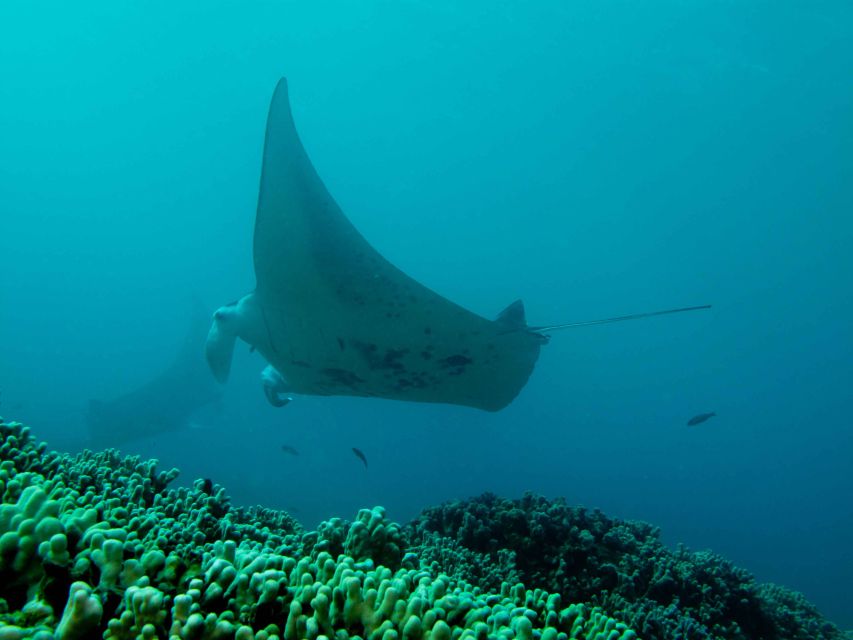
After the workshop discussion, you gear up and head to the selected underwater site. The exact meeting point and guide’s name are provided the day before, so do not build a tight schedule around a guessed location. Contact the operator to confirm the time and place.
The activity lasts three hours. That time includes meeting your instructor, preparing your equipment, the underwater portion, and a conversation afterward. It is long enough to give the subject some room, but short enough to fit into a larger Maui itinerary if you leave sensible space around it.
There is no hotel pickup or drop-off. You will need to arrange your own way to the meeting point, and this makes advance confirmation especially important. The details supplied do not specify transportation between the shop and the water, so ask when you confirm the location if that affects your planning.
The small-group limit is one of the strongest practical features. With no more than four participants per instructor, you are less likely to be lost in a crowd. Your guide can watch your position, talk with you about what you are seeing, and adjust the lesson to your comfort and interests.
That small ratio also helps if participants have different goals. One person may want fish identification while another needs buoyancy practice. A private session would offer even more control, but this four-person limit gives you a useful middle ground without the cost of a fully private outing.
What you might see below the surface
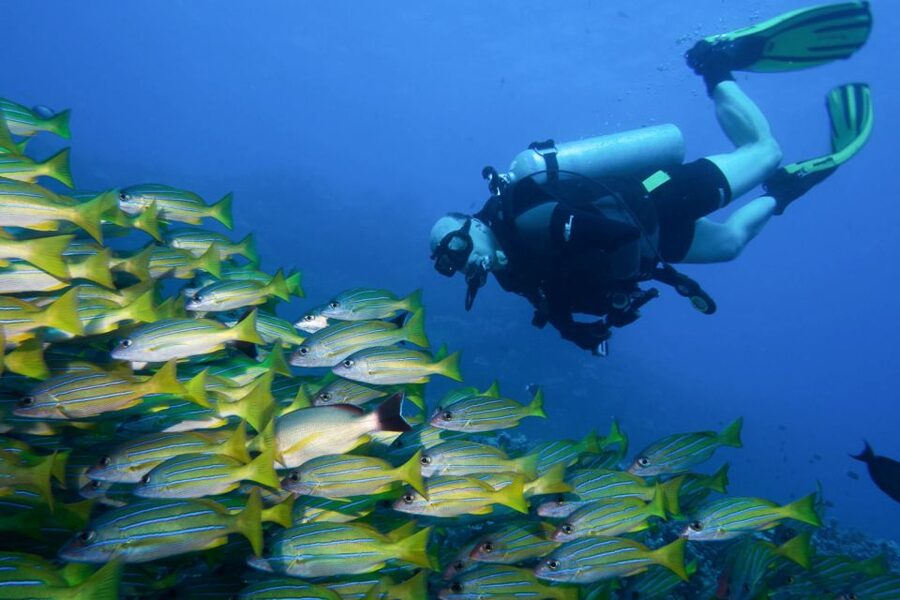
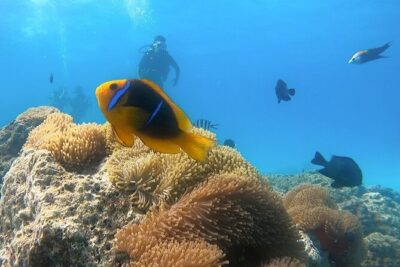
Maui’s underwater appeal comes from the mix of coral formations and tropical fish. The experience is set up to explore reefs near Lahaina, with clear blue water listed as part of the setting. You may observe sea turtles and a range of Hawaiian fish in their natural habitat.
Specific sightings from previous outings give you a helpful sense of possibility. One morning with instructor Ashley included Kahekili Beach and Mala Pier. The group saw white-tip sharks, a family of fluke, eels, trumpet fish, many turtles, and other tropical fish. Mala Pier was especially active and scenic on that outing.
Those details are useful, but they should not be treated as a wildlife guarantee. Ocean conditions, timing, and animal behavior can change. The strongest reason to book is the combination of instruction and reef time, not a promise of a particular shark, turtle, or fish.
Ashley is described as deeply informed about reef behavior and the wider ecosystem. Gabby has also led the activity, and her calm, patient approach helped a participant who had not been underwater for a long time. The two names give you a sense of the personal instruction available, but your guide may be someone else.
Same water, a different dive:
- First-Time Scuba Diving in Honolulu + Free Videos
★ 5.0 · 3,123 reviews - Oahu Shark Dive
★ 5.0 · 2,903 reviews - Oahu: Shark Cage Dive on the North Shore
★ 4.8 · 1,485 reviews - Shark Cage Diving on Oahu’s North Shore
★ 5.0 · 1,391 reviews
Why buoyancy and conservation belong together
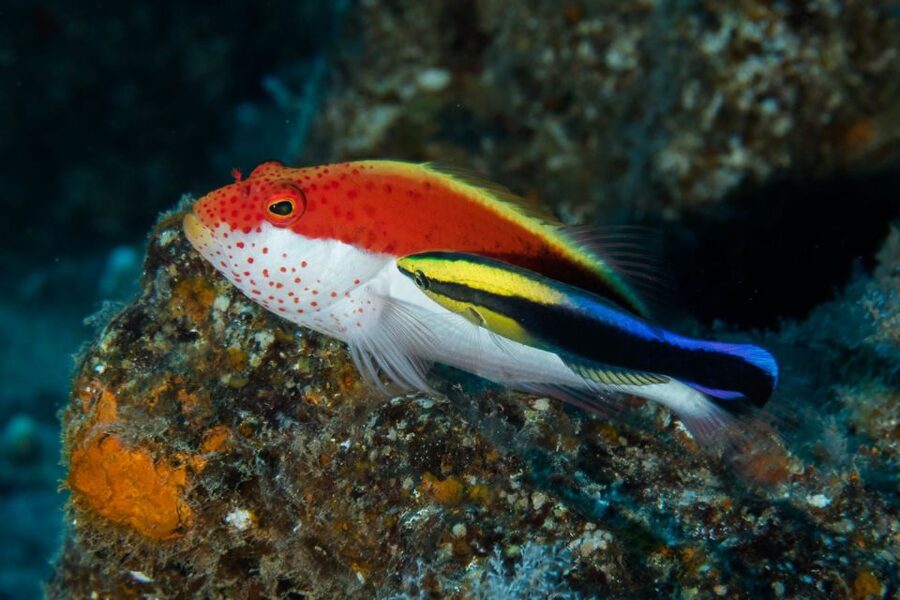
The environmental message works best when it connects to a skill you can use right away. Buoyancy is a clear example. If you control your depth and body position, you can look closely at the reef while reducing accidental contact with coral.
This is not just a technical exercise. It changes how you experience the water. You spend less energy correcting your position and more time observing fish, coral, and the structure of the reef. Your instructor can point out ways to improve your movement while explaining why those habits protect the site.
The citizen science element adds another layer. You learn how ordinary scuba participants can notice, record, and share information that supports research and conservation. The information provided does not promise a specific research project or formal data submission, so you should ask your instructor what citizen science work is included on your date.
Still, the idea is valuable. You leave with practical ways to think about your future underwater outings. That might mean improving buoyancy, avoiding contact with coral, learning fish behavior, or paying closer attention to marine conditions.
How the $199 price measures up
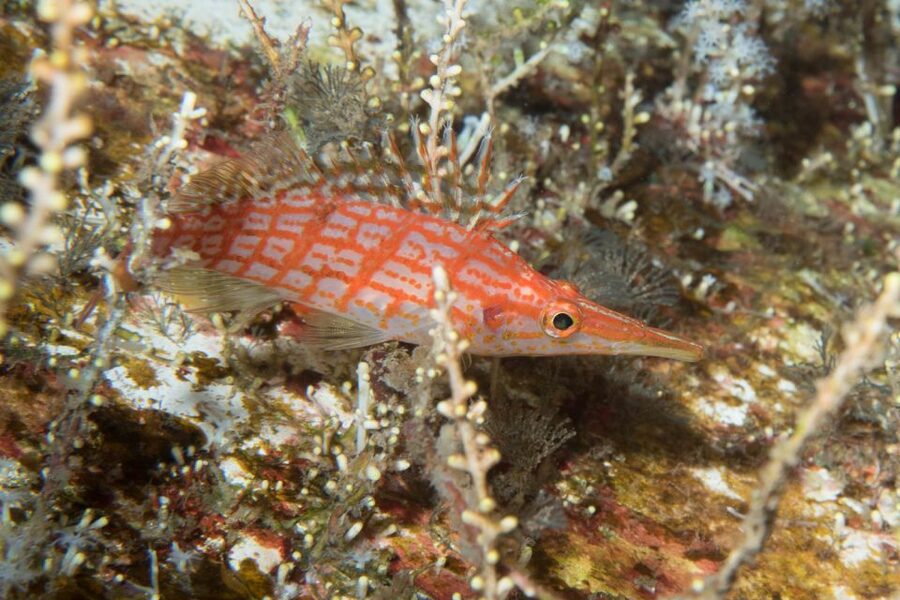
At $199 per person, this is not the cheapest way to spend three hours in Maui’s water. The price makes more sense if you value instruction, a small group, and a focused conservation lesson rather than only wanting time in the ocean.
You are paying for an eco-focused scuba experience with a maximum of four participants per instructor. That ratio is important. A larger group may cost less, but you could get less individual attention, especially if you want help with buoyancy or have questions about reef life.
The price also includes the educational side of the activity. Coral ecology, turtle education, fish identification, shark education, reef cleanup, and buoyancy work give the session more substance than a simple wildlife swim. If you already enjoy marine biology or want to become a more careful scuba participant, that added focus improves the value.
The calculation is less favorable if you want a guaranteed wildlife encounter, hotel transportation, or a full-day outing. None of those is included. You should also factor in the 24-hour no-fly rule, which may affect your final day on Maui or your arrival day if you are planning onward air travel.
Who will get the most from this session
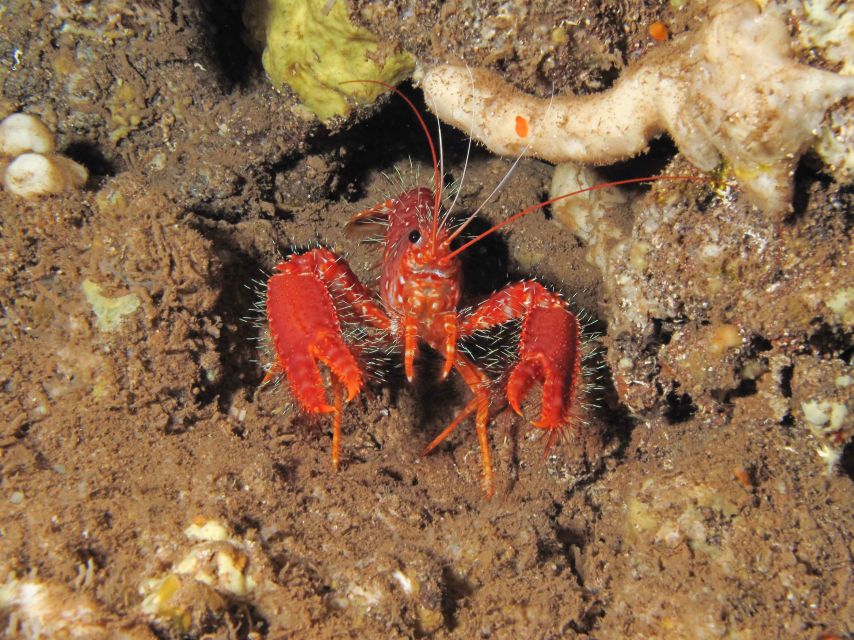
I would recommend this for certified scuba participants who want to sharpen their habits and learn more about Maui’s marine environment. It suits curious people who enjoy asking questions and paying attention to animal behavior.
It is also a good option for someone returning to scuba after a long break. Gabby’s patient instruction, as described for one recent outing, suggests that the small format can help you regain comfort without being rushed. You should still be honest about your experience and concerns before entering the water.
Families or groups with different interests may also benefit if everyone meets the certification requirement. One person can focus on turtles, another on fish, and another on buoyancy, with the instructor shaping the lesson around the group.
I would be more cautious about booking if you want a fixed itinerary, a guaranteed site, or a large sightseeing program with transportation included. The exact location comes later, and the activity expects you to manage your own arrival.
Timing, certification, and flight planning
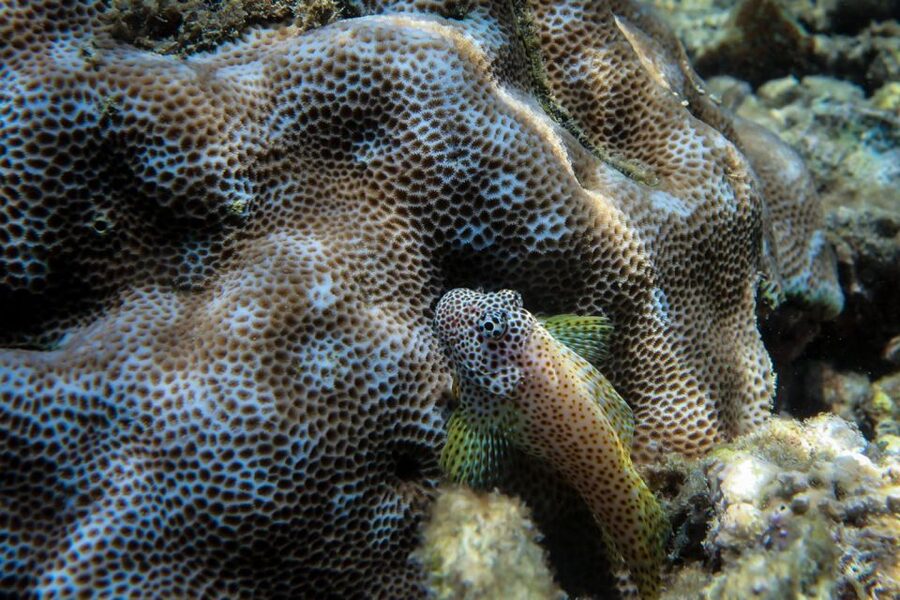
Bring proof of your Open Water Certification. It is a firm requirement, not a suggestion. You will also complete a waiver before the activity.
The 24-hour flying restriction deserves attention. Do not schedule this session shortly before a flight, even if the three-hour duration looks easy to fit into your last morning. Give yourself the required time after scuba activity.
Cancellation is flexible if your plans change. You can cancel up to 24 hours in advance for a full refund, and you can reserve now while paying later. Availability and starting times vary, so confirm the schedule before building the rest of your day around it.
My call on the Extended Horizons experience
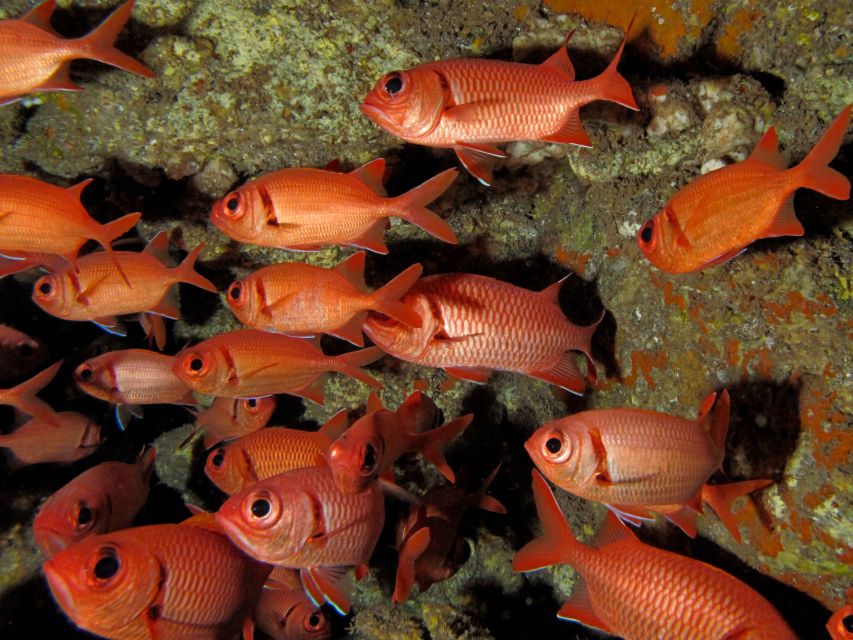
I would book this if you are already certified and want your Maui scuba time to teach you something useful. The four-person limit, personal subject choice, and conservation focus give it more purpose than a basic reef sightseeing session.
Choose it especially if buoyancy needs work, you are returning to the water, or you want to understand turtles, sharks, coral, and fish in context. Skip it if you need hotel pickup, a guaranteed wildlife list, or a session that fits immediately before a flight.
The best approach is to contact Extended Horizons the day before, confirm the meeting point and instructor, and ask which workshop topics and site are planned. With that small bit of preparation, you can arrive ready to learn, observe, and treat Maui’s reef with greater care.
FAQ
Do I need scuba certification to join?
Yes. Proof of an Open Water Certification is required before you participate.
How long does the experience last?
The activity lasts three hours.
How many people are assigned to one instructor?
The group is limited to four participants per instructor.
What subjects can I study?
You can focus on coral reef ecology, reef cleanup, sea turtle education, shark education, interactive fish identification, or buoyancy skills.
Is hotel pickup included?
No. Hotel pickup and drop-off are not included.
Where does the activity meet?
The meeting point and guide’s name are provided the day before the session. Contact the operator to confirm the location and time.
Can I fly after the activity?
You cannot fly within 24 hours after scuba activity.
What should I bring?
Bring proof of your diving certification. You must also complete a waiver before the activity.
Can I cancel for a refund?
Yes. You can cancel up to 24 hours in advance for a full refund. You can also reserve now and pay later.
Newly logged dives around the USA
- Panama City Beach: Beginners Scuba Diving Tour★ 4.6 · 23 reviews
- Oahu: Shark Cage Diving Experience★ 4.6 · 46 reviews
- Oahu: Wreck & Reef Scuba Dive for Certified Divers★ 4.8 · 17 reviews
- Oahu: Cageless Shark Dive Adventure★ 4.9 · 60 reviews
- Oahu: Shallow Reef Scuba Dive for Certified Divers★ 5.0 · 11 reviews
- Oahu Night Dive: Adventure for Certified Divers★ 3.6 · 6 reviews
- Oahu: Beginner SCUBA Dive at Electric Beach★ 4.8 · 10 reviews
- Kauai: Morning 2 Tank Boat Dive for Experienced Divers★ 5.0 · 5 reviews
Dives for Certified Divers, side by side.
Two-Tank Morning Dive Trip for Certified Divers
Read our review →
2 Tank Lanai Cathedral Scuba Dive Via Boat for Certified Divers
Read our review →
Wreck and Bridge Span Dive for Certified Divers
Read our review →
Two-Tank Dive for Certified Diving in St Thomas
Read our review →
Diving for Certified Divers, 2 Tanks Sosúa Bay
Read our review →
Certified Diver: 2-Tank Deep Wreck and Shallow Reef Dive Off Oahu
Read our review →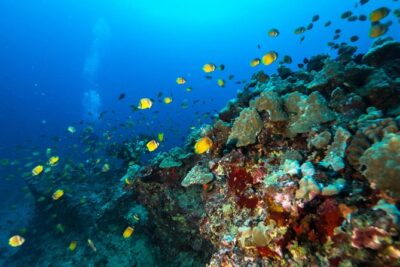
Certified Diver: 2-Tank Shallow Reef Dives off Oahu
Read our review →