
Review · GREECE
Heraklion: Try Scuba Diving
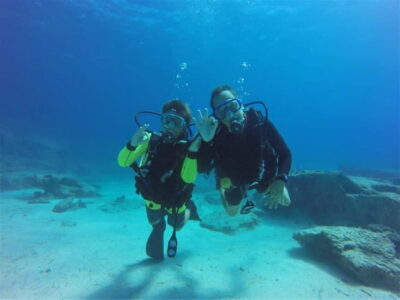
The most memorable part of this Heraklion experience is simple: you breathe underwater for the first time. After a short lesson, you practise with your equipment in a pool or shallow water, then swim under an SSI instructor for about 30 minutes, never going deeper than 5 meters.
I like the small groups, capped at six people, and the calm teaching style. I also like that the program works for complete beginners and includes equipment, insurance, refreshments, and pickup from a long list of resort areas. The main consideration is timing: the booking information says two hours, while the full program description allows about two and a half hours.
Key points
- First-time friendly: Learn basic skills before entering deeper water, with an instructor beside you throughout.
- A gentle 30-minute underwater session: The maximum depth is 5 meters, making this an introduction rather than a full certification course.
- Small groups matter: A maximum of four students per instructor allows for closer supervision.
- Pool or shallow sea practice: Conditions can be kept simple while you learn mask, breathing, and equipment skills.
- Useful hotel pickup: Free transport covers Heraklion and many nearby resort towns, with morning pickup and afternoon return.
- Patient multilingual instruction: English, French, Greek, and German are available. Jo, also called Johannes, has been praised for explaining each step slowly and clearly.
Breathing Underwater for the First Time
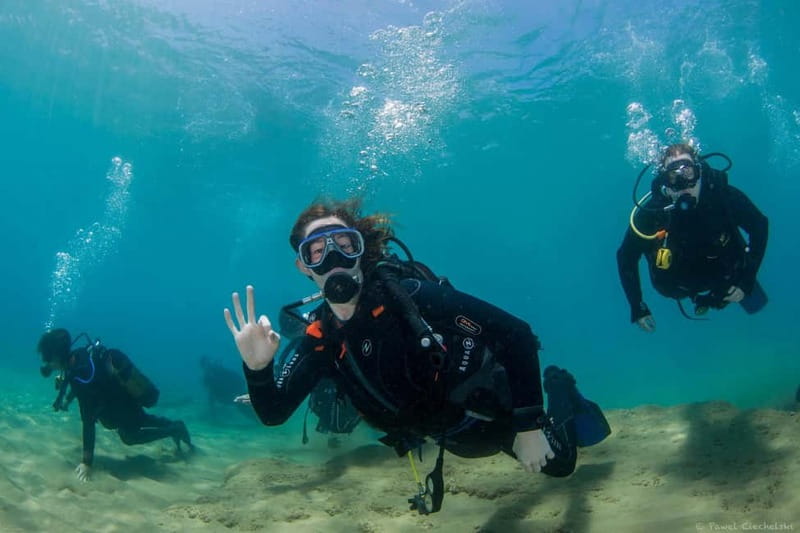
Scuba can look complicated from the beach. There is a mask, a tank, a regulator, a buoyancy jacket, weights, fins, and plenty of unfamiliar straps. This experience breaks that pile of equipment into manageable steps.
You begin with about 30 minutes of theory led by a professional instructor. That lesson is important, not filler. You learn what the equipment does, how to breathe through the regulator, and what basic skills you need before moving away from the surface.
The first breath through a regulator often feels strange. Your brain expects air to come from above, not from a mouthpiece. The program gives you time to get used to that sensation before asking you to swim around.
The instruction is offered in English, French, Greek, and German. If you are nervous, ask for the language in which you can follow safety directions most easily. A calm explanation is worth more than a fast one when you are handling unfamiliar equipment.
More Discover Scuba Diving in Greece
- Try a DIVE, discover scuba diving in Mykonos
★ 5.0 · 216 reviews - Athens East Coast: Discover Scuba Diving in Nea Makri
★ 4.9 · 124 reviews - Discover Scuba Diving in the Caldera of the Volcano in Santorini
★ 5.0 · 105 reviews
Practising Skills Before the Sea
After the theory session, you practise in the center’s pool or in confined water, meaning shallow water directly in front of the center. This is one of the strongest parts of the program because you can focus on the basics without the pressure of a full open-water outing.
The exact practice setting may depend on conditions and the instructor’s plan. In either case, you work through a few basic scuba skills before the 30-minute underwater session. The goal is not to make you an expert in one morning. It is to help you feel comfortable with breathing, movement, and the equipment.
You wear a shorty or 5mm wetsuit, depending on what is suitable, along with a mask, snorkel, fins, buoyancy control device, regulator, tank, weights, and weight belt. Full-foot and open-heel fins are listed among the available equipment. That is useful if you arrive without any personal gear.
This practice period also gives the instructor a chance to see how you respond. If you need another explanation or a slower pace, the small-group format should make that easier. Several participants specifically appreciated the patient, pressure-free approach, with Jo and Johannes singled out for clear instruction and a good sense of humor.
The 5-Meter Underwater Session
Once you have practised the basics, you enter the water for the main part of the experience. The session lasts about 30 minutes and reaches a maximum depth of 5 meters.
That depth is deliberately modest. You are not signing up for an advanced expedition or a certification course. You are getting a controlled introduction to the sensation of swimming underwater while an SSI instructor supervises you.
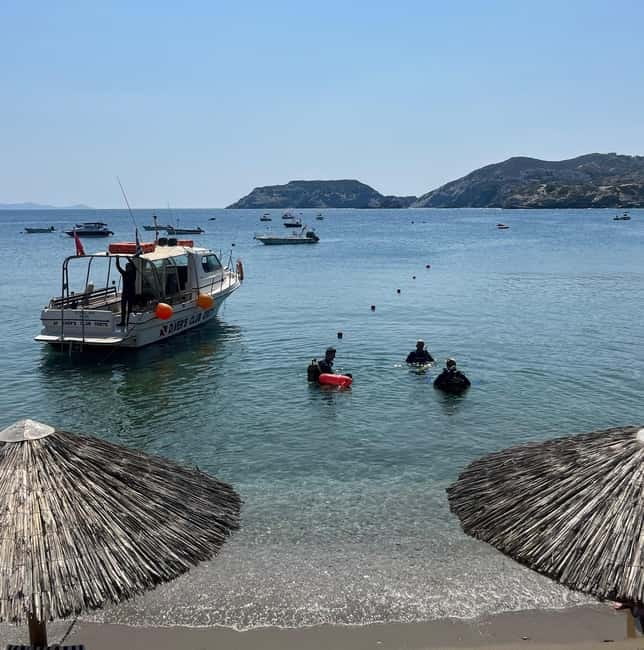
The setting may be the pool or the sea in front of the center. When sea conditions are suitable, the program can take place in a beautiful cove or shallow coastal water. One family with teenagers enjoyed learning the basics in a cove before spending a good amount of time underwater there.
You should expect the instructor to remain close and guide you through the session. The point is to enjoy the freedom of moving through the water while remembering the simple skills you just learned. You will have time to look around, but this is primarily a first experience, not a sightseeing cruise with a long list of marine-life stops.
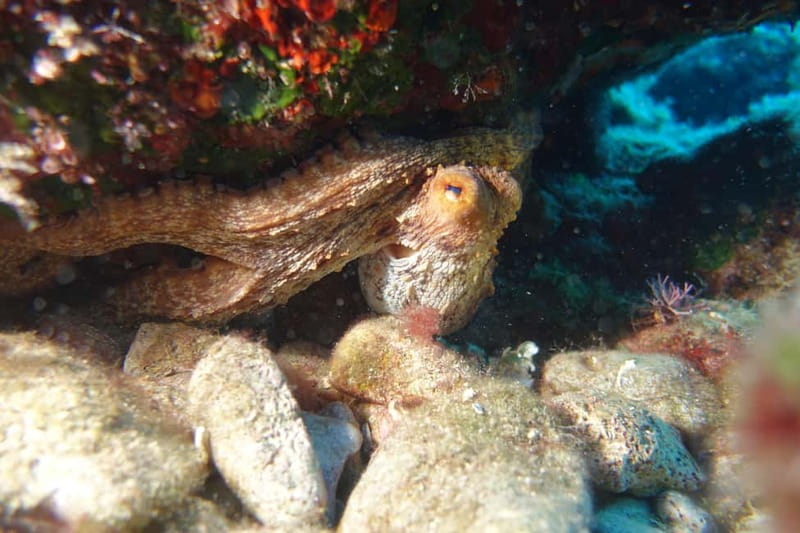
That distinction helps set expectations. If your main goal is to see particular fish, reefs, or underwater sights, ask about current conditions before booking. The supplied details promise an introduction and a supervised session, not a specific marine-life encounter.
Why the Small Group Makes a Difference
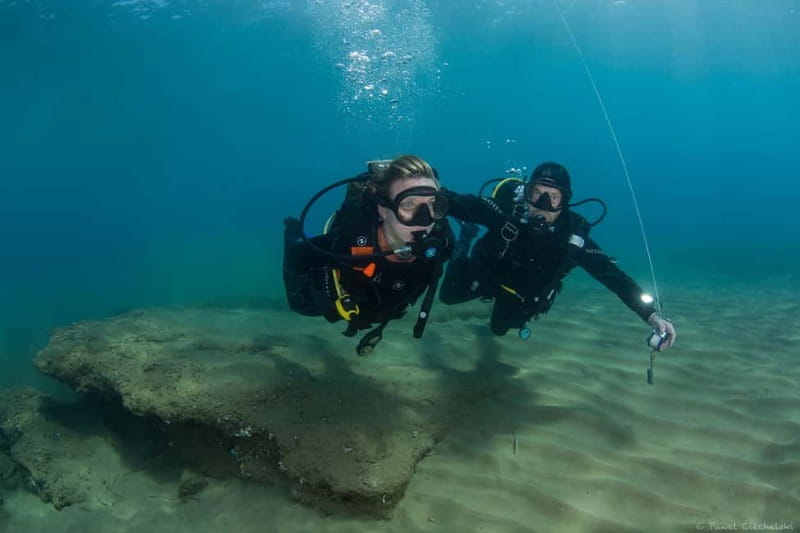
The course allows a maximum of six participants, with no more than four students per instructor. Those numbers are more meaningful here than they might be on a standard sightseeing trip.
New scuba participants often need individual help with a mask, regulator, fin position, or breathing rhythm. Four students per instructor gives the professional a better chance to notice when someone is uncomfortable or needs a skill explained again.
The group limit also helps keep the mood calmer. A first underwater experience can be exciting, but it can also bring nerves, especially if you have never used a regulator before. Personal attention matters more than speed.
Families can use the small group well. The program accepts participants from age 10, so older children and teenagers may join if they meet the health and swimming requirements. A family of four with teenagers aged 14 and 17 enjoyed the activity together, which makes this a practical option for families seeking something beyond beach time.
Still, small does not mean private. You may share the instructor with other beginners, and the pace will need to suit the group. If one participant needs extra time, the schedule may feel less brisk for everyone else.
Same water, a different dive:
- Santorini: Scuba Diving Experience in Caldera for Beginners
★ 4.9 · 597 reviews - Heraklion: Scuba Diving Experience for Beginners _Beach
★ 4.7 · 549 reviews - (Full day)Scuba Diving in Rhodes
★ 5.0 · 466 reviews - Heraklion: Beginner Scuba Diving Lesson with PADI Instructor
★ 4.9 · 355 reviews
Equipment, Insurance, and What You Pay For
The price is $76 per person. For that amount, you receive the instructor, the confined-water session, a full equipment rental package, weights, tank or tanks, wetsuit, refreshments during the surface interval, eLearning, and DAN Diving Insurance.
That is a strong package for a first attempt because you do not need to buy or bring specialist gear. The included equipment covers the pieces that would otherwise add cost and planning: mask, snorkel, fins, buoyancy control device, regulator, wetsuit, tank, and weight belt.
The price also reflects the small group size and professional supervision. You are paying for instruction and a controlled introduction, not just access to equipment. For someone curious about scuba but unwilling to commit to a certification course, $76 is a reasonable way to test the waters, literally.
Photos and videos are not included. Bring a charged smartphone if you want to use it before or after the session, but do not assume that personal phone use underwater will be part of the program. If underwater images matter to you, ask about the separate HD photo and video option before arrival.
The program includes DAN Diving Insurance, which is a useful extra for a water activity. You should still answer all health questions honestly and contact the provider if you are unsure about your suitability.
Hotel Pickup Across Crete’s North Coast
Free transfers are offered from Heraklion and a wide group of nearby resorts, including Agia Pelagia, Ammoudara, Analipsi, Anissaras, Fodele, Gouves, Hersonissos, Karteros, Kokkini Hani, Koutouloufari, Lygaria, Malia, Mononaftis, Piskopiano, and Stalis.
The outbound transfer runs between 8:00 and 9:30 in the morning. The return to your hotel or pickup point begins at 4:00 in the afternoon. This makes the experience easier to fit into a beach holiday, especially if you are staying outside central Heraklion and do not have a car.
The long return window is worth noting. The actual scuba program takes about two to two and a half hours, but the transport schedule may make this a fuller day. Ask for the precise pickup time and expected return when you book.
Transport received a 91 percent perfect score, and the arrangement removes a common nuisance: finding the center, parking, and arranging a taxi after an unfamiliar water activity. Still, shared transfers can take time, so do not schedule a tight afternoon appointment.
Who Should Book This Experience?
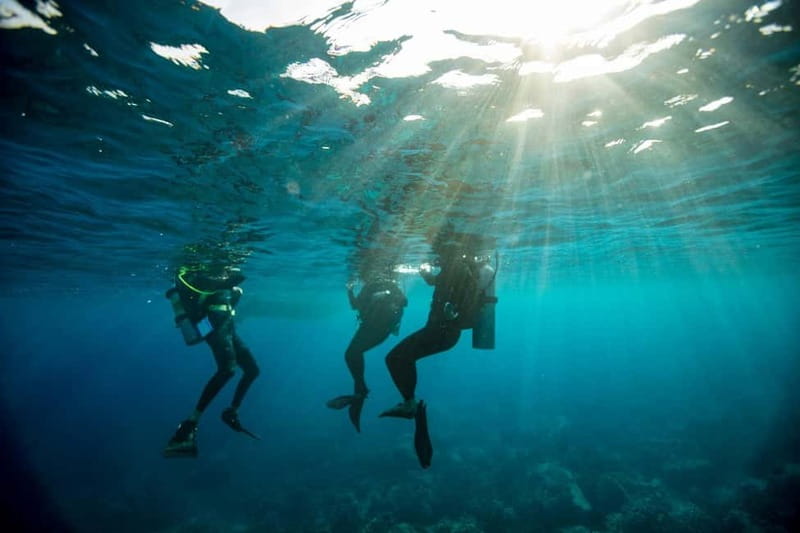
This program suits adults and children aged 10 or older who can swim, feel reasonably comfortable in water, and want to try scuba without taking a certification course.
It is also a good match for a nervous beginner. The teaching style described by the staff is unhurried and supportive. One participant who had previously felt stress about scuba returned to the activity and found the calm guidance from Przemek and Jenna made the experience relaxing rather than frightening.
The program is not suitable for non-swimmers, pregnant women, people with mobility impairments, claustrophobia, heart problems, respiratory issues, epilepsy, a cold, recent surgery, or other pre-existing medical conditions. These restrictions are not minor paperwork. The equipment and breathing demands require you to be honest about your health.
Alcohol and drugs are not allowed. Wear beachwear, and bring a charged smartphone if you want it for ordinary photos or contact during the day.
Timing, Refunds, and a Small Practical Catch
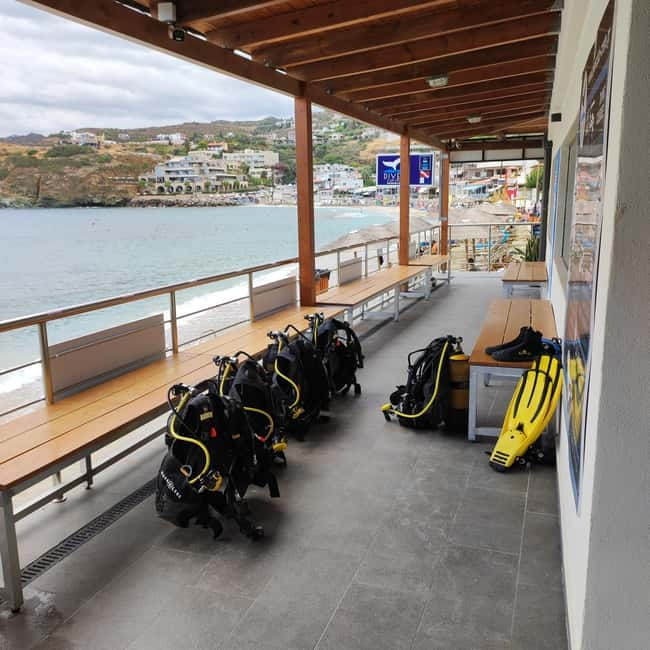
The activity is advertised with a duration of two hours, but the detailed program takes approximately two and a half hours when the theory session, practice, and 30-minute underwater session are counted. I would allow extra time rather than planning a close connection afterward.
Starting times depend on availability. Morning transfers are built into the service from the listed areas, but you should check the exact meeting and return details before committing to another activity.
You can cancel up to 24 hours in advance for a full refund. The reserve-now, pay-later option also helps if your Crete plans are still shifting. That flexibility is useful for a sea-based activity, since conditions and personal comfort can affect your plans.
The Teaching Style to Expect
The strongest feature here is not a dramatic route or a long list of underwater sights. It is the human side of the instruction.
Jo, also known as Johannes, is described as friendly, patient, humorous, and especially good at explaining the process in German. Przemek and Jenna are also associated with a calm, reassuring approach. The important point for you is that the course is built around steady guidance rather than pressure to perform.
That matters if your first attempt does not feel natural right away. You may need time to adjust your breathing or get comfortable with the mask. A good instructor will treat that as part of the lesson, not as a failure.
The staff’s language range is another practical advantage. English, French, Greek, and German are available, giving many participants a better chance of understanding safety instructions without relying on gestures.
Should You Book It?
Book this experience if you want a short, supervised introduction to scuba with equipment, insurance, small groups, and hotel pickup included. It is especially well suited to families with older children, first-timers, and anyone who wants to test the activity before pursuing certification.
Think twice if you are a non-swimmer, have one of the listed medical conditions, dislike close-fitting equipment, or expect a long open-water excursion with guaranteed marine life. The 5-meter limit keeps the program approachable, but it also means this is a first taste, not a full scuba course.
At $76, the value is strongest for beginners who appreciate instruction and convenience. The patient staff, four-student instructor limit, and included gear make the price easier to justify. Just allow up to two and a half hours for the program, confirm your transport time, and arrive ready to learn at a relaxed pace.
FAQ
How long does the Try Scuba program take?
The activity is listed as two hours, while the full program description says approximately two and a half hours. This includes about 30 minutes of theory, practice in a pool or shallow water, and a 30-minute underwater session.
How deep will I go?
The maximum depth is 5 meters. The program is designed as a supervised introduction for beginners.
Is the experience suitable for complete beginners?
Yes. You learn basic scuba skills before entering the main underwater session, and an SSI instructor supervises you throughout.
How many people are in each group?
The course is limited to six participants, with a maximum of four students per instructor.
What equipment is included?
The package includes a mask, snorkel, fins, buoyancy control device, regulator, full scuba equipment rental, weights, weight belt, tank or tanks, and either a shorty or 5mm wetsuit.
Is hotel pickup available?
Yes. Free pickup is offered from Heraklion and many nearby areas, including Agia Pelagia, Ammoudara, Hersonissos, Malia, Stalis, Gouves, Lygaria, and others listed by the provider. Morning transfers run between 8:00 and 9:30, with return transfers beginning at 4:00.
Who should not take part?
The experience is not suitable for children under 10, pregnant women, non-swimmers, people with mobility impairments, claustrophobia, heart or respiratory problems, epilepsy, a cold, recent surgery, or other pre-existing medical conditions. Alcohol and drugs are also prohibited.
Newly logged dives around Greece
- Scuba Diving in the Volcanic Caldera/shorelines of Santorini★ 4.6 · 5 reviews
- From Athens: Scuba Diving at the Blue Hole★ 4.9 · 5 reviews
- Scuba diving for beginners in crystal clear sea of Halkidiki★ 4.8 · 13 reviews
- Scuba Diving Beginners/Experts Pefkos Lindos Rhodes Greece★ 4.8 · 22 reviews
- Santorini: Scuba Diving★ 4.8 · 35 reviews
- Mykonos: Scuba Diving Mini Program for Beginners★ 4.9 · 46 reviews
- PADI Scuba Diving Program for Beginners in Peloponesse★ 5.0 · 3 reviews
- Naxos: Discover Scuba Diving – Your first experience diving★ 5.0 · 27 reviews
Discover Scuba Diving, side by side.
Cyprus: Introductory Scuba Lesson and Dive with Transfer
Read our review →
Half-Day Scuba Diving Tour – Discover Scuba Diving!
Read our review →Lists this dive is on