
Review · GREECE
Scuba diving for beginners in crystal clear sea of Halkidiki
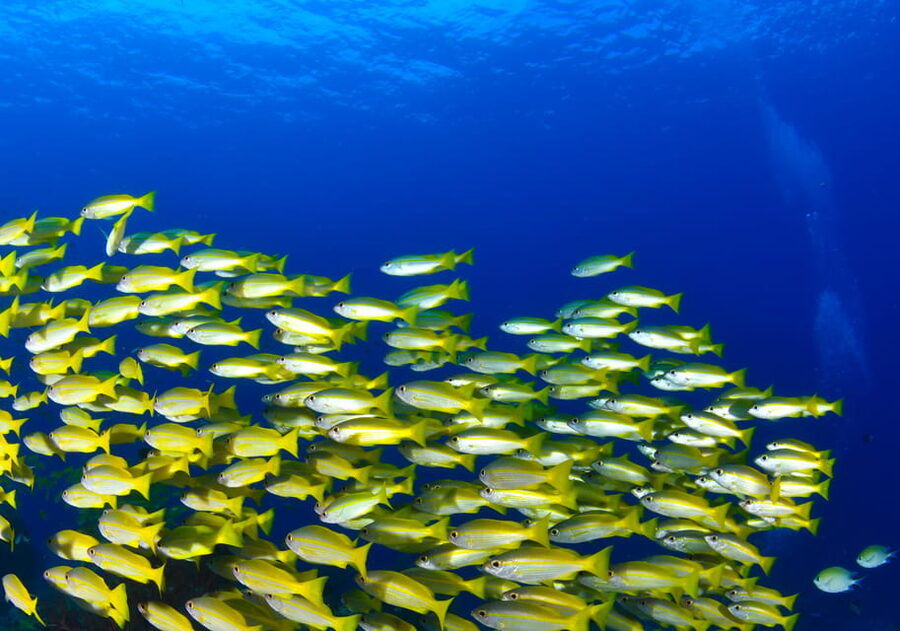
Halkidiki’s underwater world is the real draw here. You begin with simple training in shallow water at Porto Valitsa Bay, then move slowly toward reefs, sponges, corals, and marine life at a depth that feels right for you. It is a gentle first step into scuba, not a rushed test of nerve.
I like the patient approach and the choice of one or two sessions. I also like that equipment rental, theory, practical training, and the sea session are included in the $106 price. The main drawback is that the morning and afternoon sessions can become busy, and one person reported waiting longer than expected.
Quick take: what makes this experience useful
- Shallow-water start: You practice breathing and movement from the beach before going farther out.
- Patient instruction: Your instructor gives you time to get used to the regulator and equipment.
- One or two sessions: You can decide after the first session if you want another 30 minutes underwater.
- Seven possible sites: The center can choose among seven local spots, with reefs, walls, caves, springs, bubbles, and marine life.
- Three-hour format: The experience includes theory, safety instruction, equipment, practical training, and the sea session.
- Good first taste of scuba: You do not need prior experience, though you must be at least 8 and not pregnant.
Starting at Triton Scuba Diving Center
Your meeting point is the Triton Scuba Diving Center in Central Macedonia. The center runs two organized sessions each day, at 9:00 and 13:30. Check the available start time when you book, since the overall experience lasts about three hours.
You will need to make your own way to the center. Hotel transfers from the Kassandra peninsula are not included, so plan that part before setting out. This matters more than it might seem: arriving calm and on time gives you space to listen, ask questions, and get comfortable before entering the water.
The center works in English, Greek, and Russian. That is helpful during safety instruction, where clear communication matters. You should be able to understand how to breathe through the regulator, how to equalize your ears, and how to signal to your instructor before heading into the bay.
Bring swimwear, a towel, sunglasses, a hat, and sunscreen. You will spend time both at the center and outside near the water, so a dry change of clothes is sensible, even though it is not listed as required.
More Scuba Diving for Beginners in Greece
- Santorini: Scuba Diving Experience in Caldera for Beginners
★ 4.9 · 597 reviews - Heraklion: Scuba Diving Experience for Beginners _Beach
★ 4.7 · 549 reviews - Heraklion: Beginner Scuba Diving Lesson with PADI Instructor
★ 4.9 · 355 reviews
The first 20 minutes: safety before scenery
The formal safety briefing lasts about 20 minutes. This is not filler. For a beginner, it is the part that makes the rest of the experience feel manageable.
You will learn the basic rules of scuba and how to use the equipment. One especially useful point is ear equalization. A beginner can feel pressure quickly while going down, and the instructors explain how to manage it, including a method that helped one participant equalize with the mouth open.
Do not be shy about asking for another explanation. The program is designed for first-timers, and the instructors allow time to adjust. You are not expected to remember everything perfectly after one quick talk. The practical exercises in shallow water reinforce what you have just heard.
The most important skill is breathing through the regulator. It feels strange at first, even for confident swimmers. The equipment changes how you move and breathe, so a slow start is valuable. The instructors carry the heavy tank for you while you get organized, which removes one awkward task from the process.
Porto Valitsa Bay and the shallow-water practice
The sea session takes place at Porto Valitsa Bay, one of the local spots used by the center. The program begins from the beach in shallow water, rather than asking you to start in open water at once.
Here you practice the basics. You get used to breathing through the regulator, moving with the scuba equipment, and staying calm in the water. The goal is not speed. Your instructor stays beside you and lets you take the time you need.
That slow adjustment is one of the strongest parts of the experience. If you feel nervous, the shallow starting point gives you a chance to settle your breathing before going farther. If you feel comfortable right away, you can gradually explore more of the bay.
The water is described as crystal clear, and visibility is a major reason this works well as a first underwater experience. You can focus on your breathing and surroundings without fighting poor sightlines. Even so, conditions in the sea can change, so the instructor chooses the most suitable spot and depth for the group.
Reefs, sponges, corals, and marine life
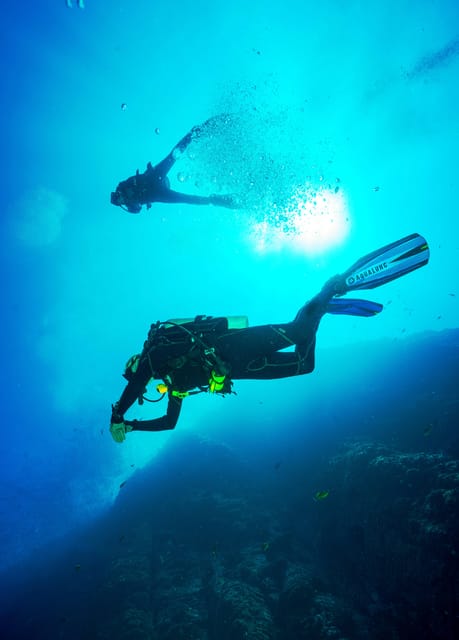
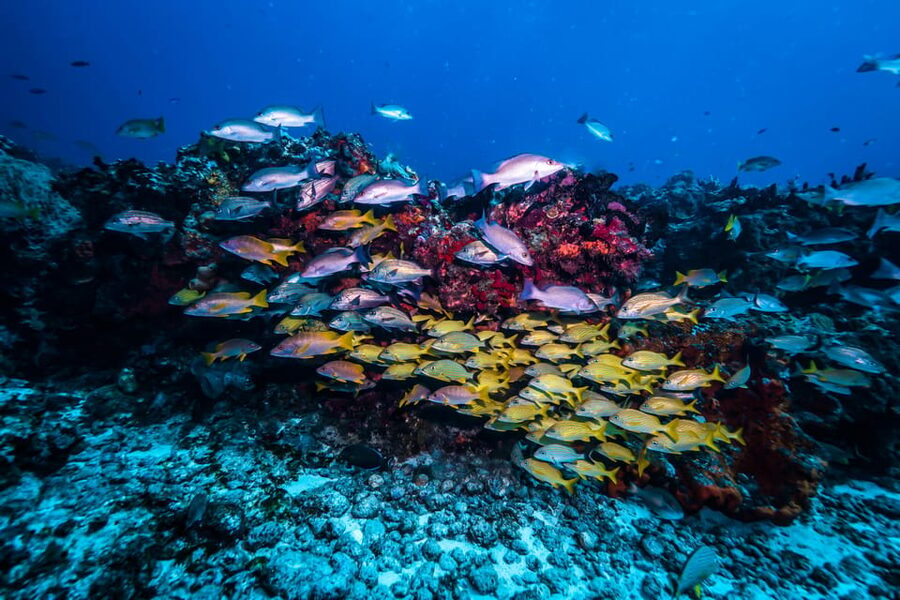
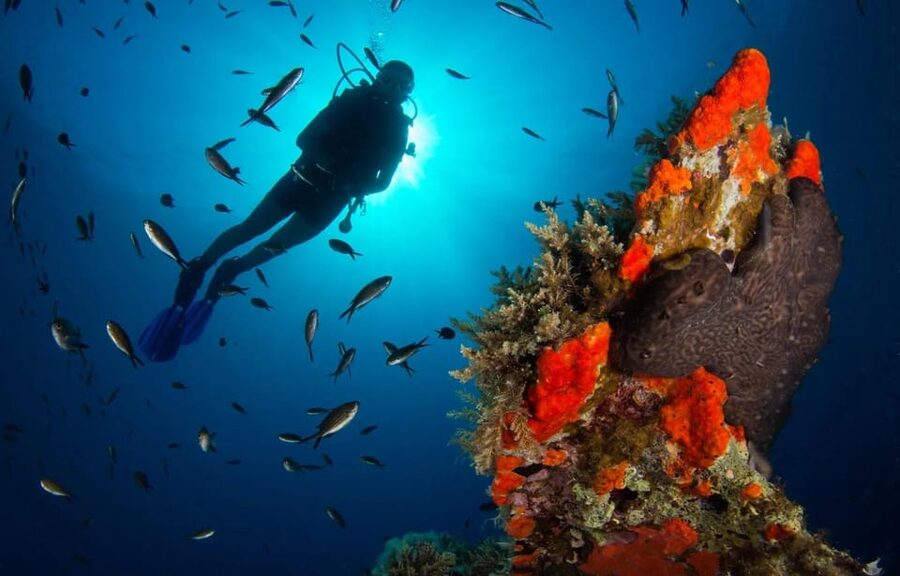
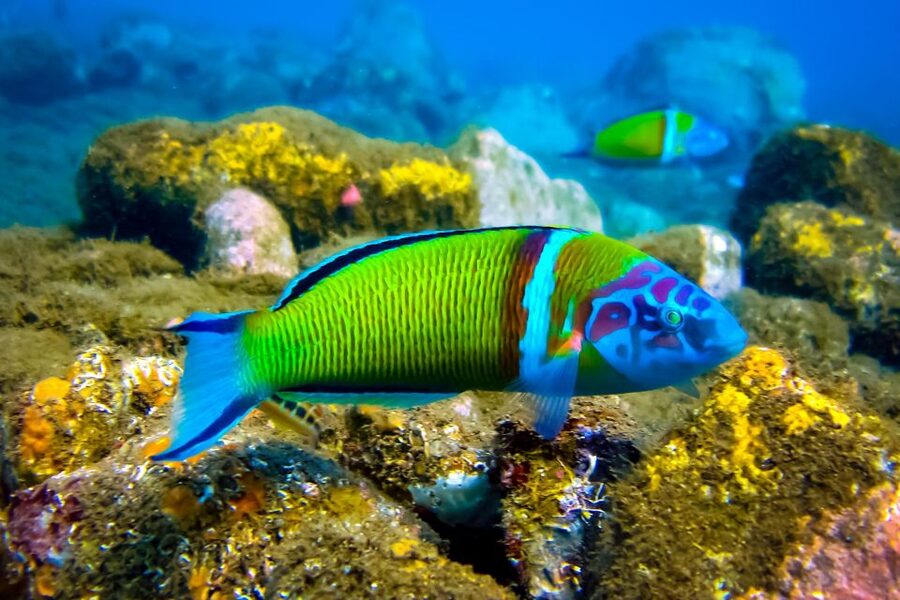
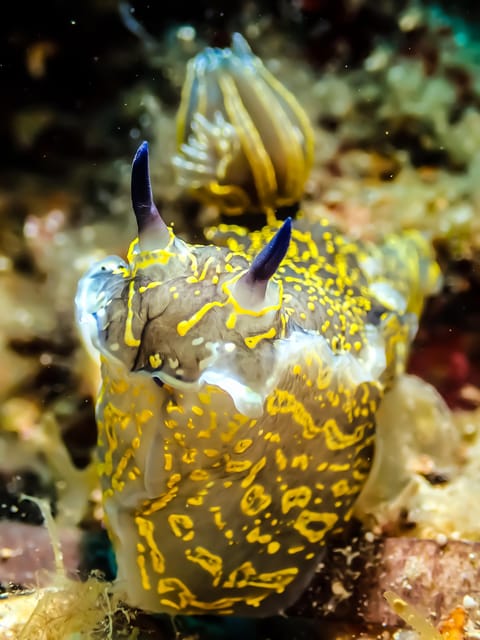
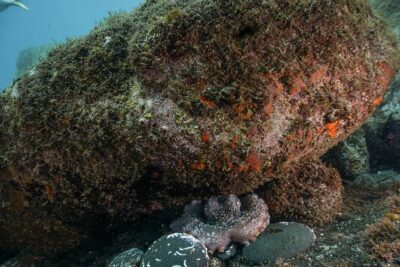
Once you are ready, the session moves into underwater exploration. The local reefs are home to sponges, corals, and other marine life. The center has seven possible sites, each with different features, including walls, caves, springs, and bubbles.
You should not expect a long expedition or a technical scuba trip. This is a beginner program, and the instructor gradually takes you to a depth where you feel comfortable. That makes the experience less about covering distance and more about learning how it feels to be part of the underwater setting.
The calm can be surprising. On land, you are thinking about schedules, phones, and daily tasks. Underwater, your attention narrows to breathing, hand signals, movement, and what is around you. That quiet focus is one reason a short session can feel substantial.
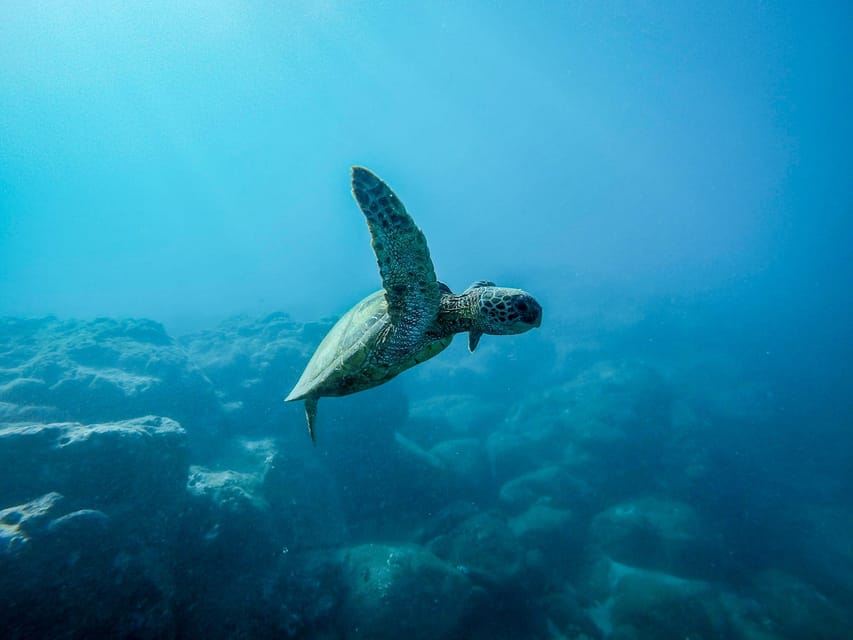
Marine life also gives you something to watch while you learn. You may find yourself looking at sponges and corals one moment, then checking your breathing or position the next. The instructor remains the key reference point, so keep your attention on their signals rather than drifting away to inspect something interesting.
Same water, a different dive:
- (Full day)Scuba Diving in Rhodes
★ 5.0 · 466 reviews - Rhodes: Diving Adventure for Beginners and Experts
★ 4.6 · 237 reviews - Try a DIVE, discover scuba diving in Mykonos
★ 5.0 · 216 reviews - Heraklion: Scuba Diving Experience for First-Timers
★ 4.8 · 203 reviews
One session or two?
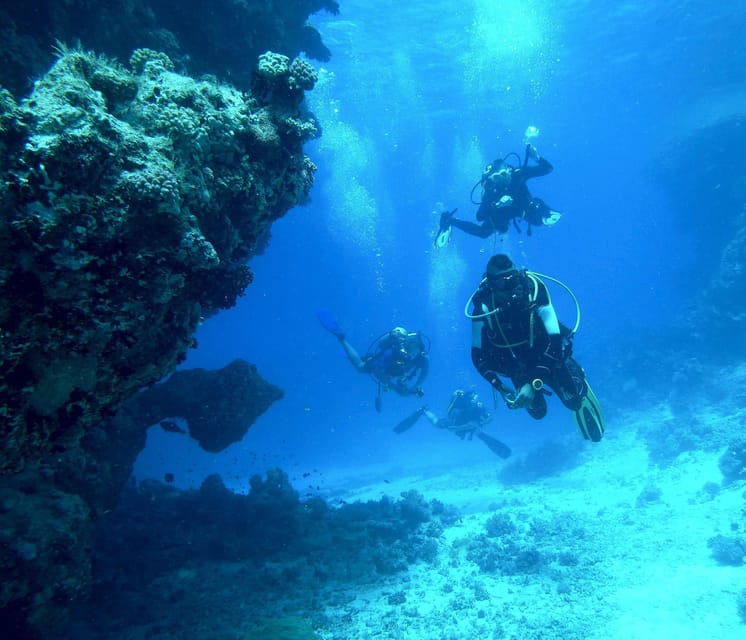
The program includes one or two sea sessions on the same day. You can decide about the second one after the first, which is a useful arrangement for beginners.
A first session often goes quickly because part of your attention is spent learning the equipment. One participant described 30 minutes underwater as passing almost instantly and chose an extra 30 minutes. That option gives you time to enjoy the surroundings after the initial nerves settle.
The second session is not essential for everyone. If you are tired, uncomfortable, or simply satisfied, one is enough for a first introduction. If you have found your rhythm and want more time near the reefs, the extra session provides better value than trying to rush everything into the first half-hour.
Ask the center how the second session affects the day’s timing when you arrive. The supplied details confirm that you can choose after the first session, but they do not set out a separate schedule for the additional time.
How the three-hour schedule works
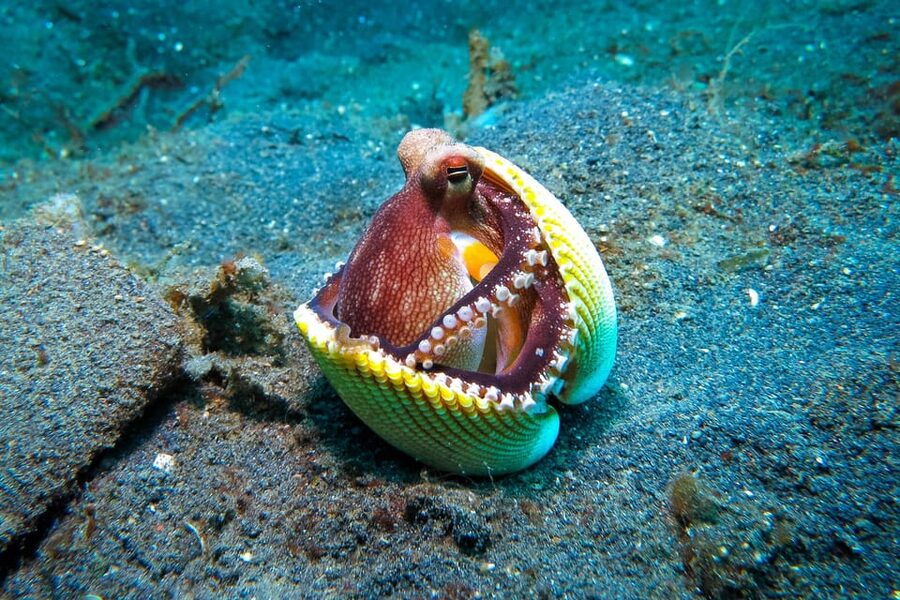
The stated duration is three hours, covering the safety briefing, theory, practical instruction, equipment use, and the sea portion at Porto Valitsa Bay. The schedule is not just three hours of underwater time.
A sensible outline looks like this:
- Arrival and preparation at the center
- A theory lesson covering basic scuba points
- A 20-minute safety briefing
- Equipment setup and transfer to the bay
- Shallow-water exercises from the beach
- Gradual underwater exploration
- Return to Triton Scuba Diving Center
The exact amount of time underwater depends on how quickly you become comfortable and whether you choose one or two sessions. This is important when planning the rest of your day. Do not book a tight appointment immediately afterward, especially if you want the second session or if the group takes longer to get ready.
One person experienced a wait, so the schedule may not move with perfect clockwork. That is a fair trade for a program that gives beginners time instead of pushing everyone through the same routine.
What the $106 price covers
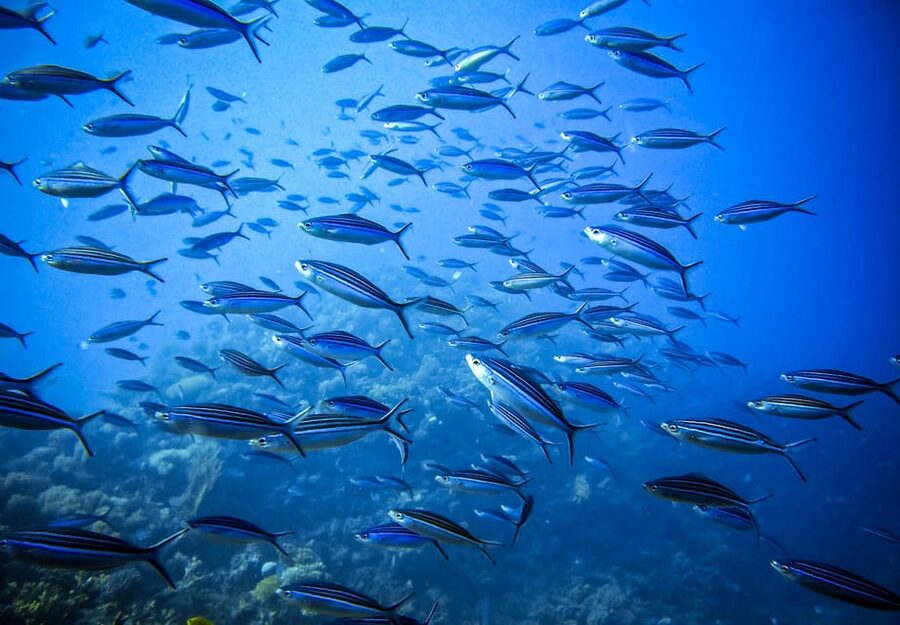
At $106 per person, this is not the cheapest way to spend three hours by the sea, but the price includes the parts a first-timer would otherwise need to arrange separately.
Included are:
- Daily equipment rental
- Theory lesson
- Practical lesson
- Safety instruction
- The sea session
- Instructor support
You do not need to own scuba equipment or hold a scuba certification for this beginner program. That makes the price easier to assess. You are paying for instruction and equipment as well as access to the water.
Underwater photos and videos cost extra and are not included. If having a record of the experience matters to you, ask about that before entering the water. You should also remember that transfers from hotels on the Kassandra peninsula are not included, so your total cost may be higher if you need transport.
The ability to choose a second session after the first improves the value. You can decide based on how you feel rather than paying for a longer package before knowing if scuba suits you.
The instructors and the beginner experience
The strongest pattern in the available feedback is the quality of the instruction. The instructors are described as friendly, clear, professional, and careful with people who have never used scuba equipment before.
That matters more than flashy scenery. Clear water helps, but a calm instructor is what lets you enjoy it. You need someone who can explain the regulator, help with ear pressure, watch your signals, and avoid rushing you.
The instructors speak English, Greek, and Russian. No individual guide names are provided, so you should not expect to request a particular instructor by name. The center’s approach is consistent with a first-contact program: explain the basics, practice close to shore, and move farther only when you are ready.
The equipment can feel cumbersome on land. Once you are in the water, your instructor helps you manage it. One participant specifically appreciated that the tank was carried for them, a small detail that makes the beginning less awkward.
Who should book this experience?
This suits you if you are curious about scuba but have never tried it. It is also a good fit if you want a short introduction rather than a full certification course.
The gradual format works well for people who need time to adjust. You can practice in shallow water, ask questions, and decide after the first session if you want more. It is also suitable for families with older children, since the minimum age is 8. A 15-year-old and a parent enjoyed the experience together, though the provided information does not spell out separate age requirements for every participant.
You should think twice if you dislike waiting, want a private schedule, or expect three continuous hours underwater. This is a teaching session, not a fast sightseeing boat trip. The day includes briefings, preparation, equipment handling, and practical training.
Pregnant women cannot take part. Children under 8 are not accepted. If you have other health concerns, the supplied information does not provide a medical policy, so ask the center directly before booking.
Useful preparation before you enter the water
Wear swimwear that stays comfortable under equipment. Bring a towel, sunscreen, hat, and sunglasses. The sun can be strong around the bay, and the briefing and preparation take place before and after the sea session.
Listen closely to the ear-equalizing instructions. Do not force your ears. If you feel pressure, tell the instructor and slow down. The whole point of this program is to let you adjust safely.
Take your time with the regulator. Your first few breaths may feel unfamiliar, but the shallow-water practice gives you a controlled place to get used to it. Keep your attention on the instructor’s signals, breathe steadily, and resist the urge to hurry toward the reef.
If you want photos or video, ask about the extra cost and how the service works before the session begins. The experience includes equipment and instruction, but not underwater media.
Cancellation is free up to 24 hours before the start time, and you can reserve now and pay later. Those policies are useful if your Halkidiki plans may shift, though they do not remove the need to arrange your own transport to the center.
Should you book the Halkidiki scuba experience?
Book it if you want a careful first taste of scuba in clear water, with shallow-water training and the option to add a second session once you know how you feel. The patient instruction, multilingual support, and included equipment make the $106 price reasonable for a one-time introduction.
Skip it if you want a private, tightly timed outing or if you are hoping for hours of uninterrupted underwater sightseeing. Allow extra time for preparation and possible waiting. For most beginners, though, the gradual start is the right choice. You get to learn the basics, meet the sea at your own pace, and decide for yourself if scuba deserves a place in future summers.
FAQ
Where does the scuba experience begin?
It begins at Triton Scuba Diving Center in Central Macedonia, Greece. You return to the same center after the sea session.
How long does the experience last?
The scheduled duration is three hours. This includes the theory lesson, safety briefing, practical training, equipment use, and the sea session at Porto Valitsa Bay.
What time does the experience start?
There are two organized sessions each day, one at 9:00 and another at 13:30. Check availability for the date you want.
Do I need previous scuba experience?
No. This is a beginner program and serves as a first contact with the underwater world. You receive theory and practical instruction before exploring the bay.
Can I choose two sessions?
Yes. The program includes one or two sessions on the same day, and you can decide about the second after completing the first.
What languages do the instructors speak?
Instruction is available in English, Greek, and Russian.
What is included in the $106 price?
The price includes daily equipment rental, a theory lesson, a practical lesson, safety instruction, and the sea session.
What should I bring?
Bring sunglasses, a hat, swimwear, a towel, and sunscreen. Underwater photos and videos are not included.
Newly logged dives around Greece
- Scuba Diving in the Volcanic Caldera/shorelines of Santorini★ 4.6 · 5 reviews
- From Athens: Scuba Diving at the Blue Hole★ 4.9 · 5 reviews
- Scuba Diving Beginners/Experts Pefkos Lindos Rhodes Greece★ 4.8 · 22 reviews
- Santorini: Scuba Diving★ 4.8 · 35 reviews
- Mykonos: Scuba Diving Mini Program for Beginners★ 4.9 · 46 reviews
- PADI Scuba Diving Program for Beginners in Peloponesse★ 5.0 · 3 reviews
- Naxos: Discover Scuba Diving – Your first experience diving★ 5.0 · 27 reviews
- Naxos: Discover Scuba Dive with Nima Dive Center★ 5.0 · 3 reviews
Scuba Diving for Beginners, side by side.
First-Time Scuba Diving in Honolulu + Free Videos
Read our review →
Beginner Scuba Diving with Turtles and Videos, San Juan
Read our review →
Intro Diving 2 Stops For Beginners with Pick-up and Lunch – Hurghada
Read our review →
Intro Diving Beginner and Discover Red Sea Underwater
Read our review →
Beginner Scuba Diving Experience with Video Package in Honolulu
Read our review →
Tenerife: Beginner’s Dive at a Spot with Turtle Sightings
Read our review →Lists this dive is on