Review · PHILIPPINES
Bohol: Discover Scuba Diving – No Experience Needed
Panglao’s clear, warm water gives you a gentle introduction to scuba, with an instructor beside you from the first breath to the final climb back onto the boat. The session moves from classroom basics to shallow-water practice, then into a 30-minute open-water experience at beginner-safe depths.
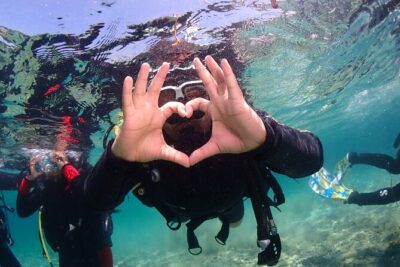
I like the patient, step-by-step setup, and I like that underwater photos and videos are included rather than treated as an extra surprise. The equipment, boat ride, marine fees, and instruction are also bundled into the $104 price.
The main consideration is time. Three hours is enough to try scuba, not enough to earn a certification or explore at length. You also need basic swimming skills, and transport to the dive center is not included unless arranged separately.
Key Points at a Glance
- Designed for first-timers: No license, certification, or previous scuba experience is required.
- Practice comes before the sea: You receive a one-hour theory lesson followed by one hour of shallow-water skills work.
- Thirty minutes underwater: A professional instructor stays close during the guided ocean session.
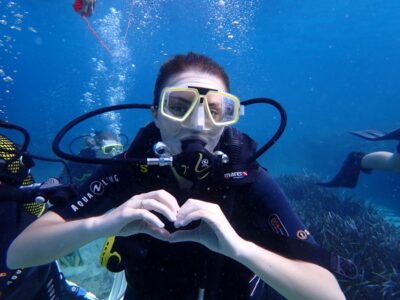
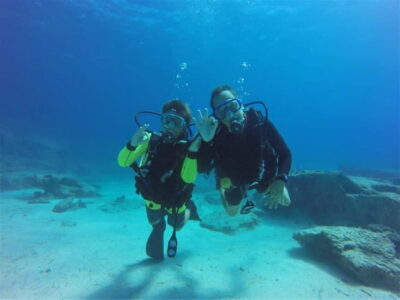
- Photos are included: Underwater pictures and videos give you a record of your first attempt.
- Small-group format: The group is limited to 10 people, with instruction available in English, Korean, and Tagalog.
- Bring basic water confidence: Swimming skills are recommended, even though formal scuba experience is not.
A First Scuba Session in Panglao
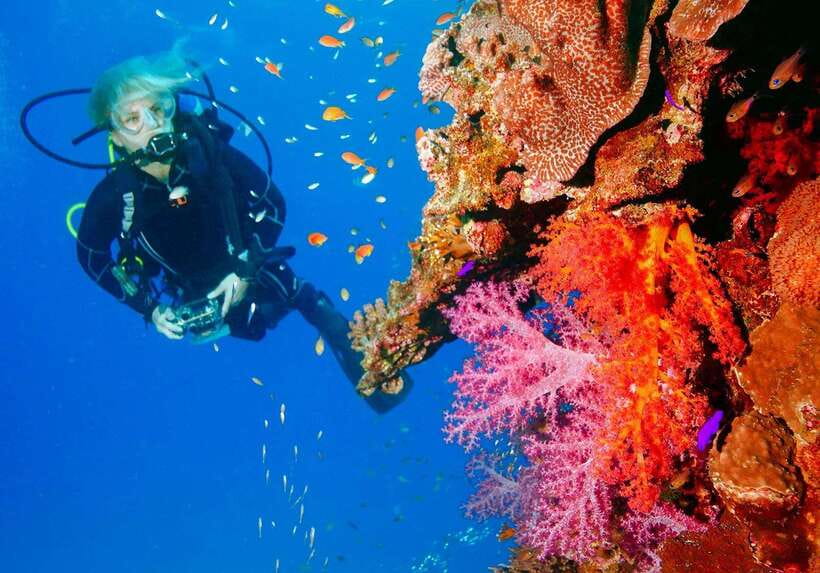
This experience is built around a simple idea: let you try scuba without asking you to commit to a full certification course. In one half-day, you learn the main rules, handle the equipment, practice in shallow water, and then head out for a guided sea session.
I like this order because it takes some of the mystery out of the activity. You are not expected to climb aboard a boat with no idea how to breathe through a regulator or communicate underwater. The first part gives you the basic tools, and the second part lets you test them in calm, shallow water before the real outing begins.
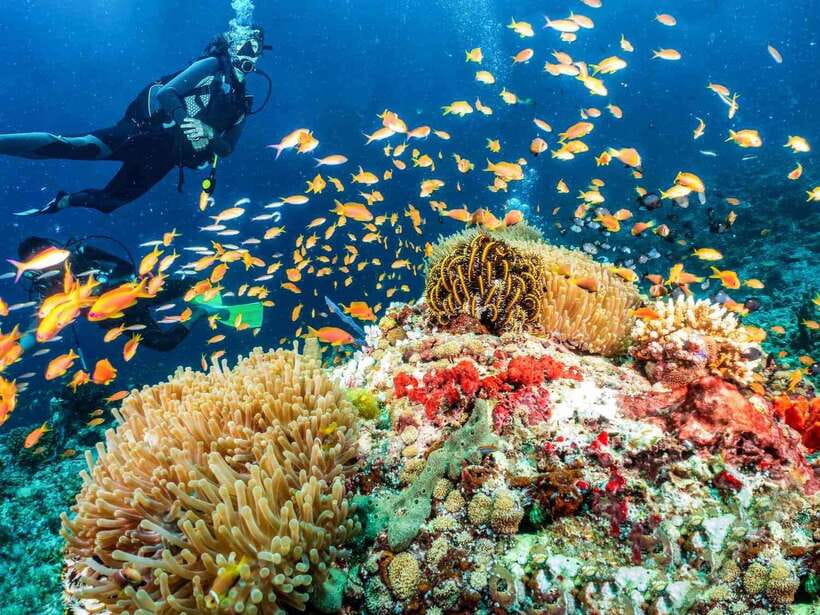
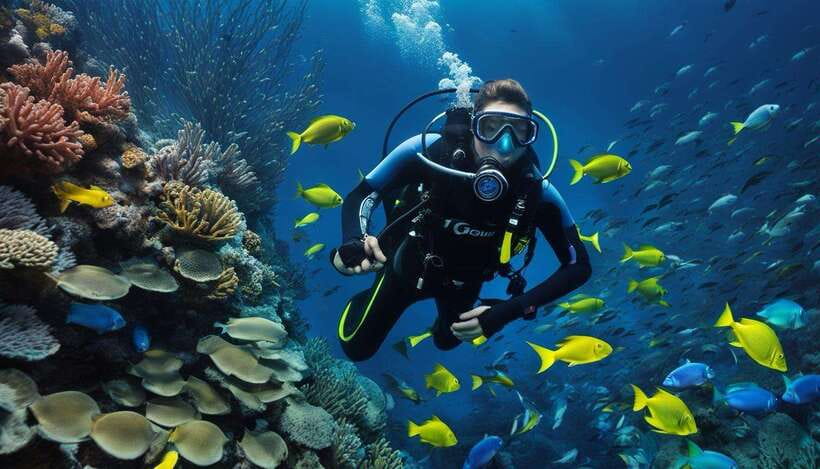
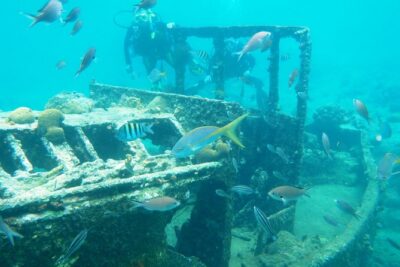
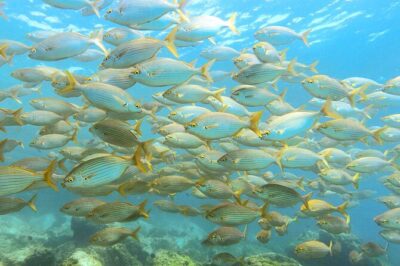
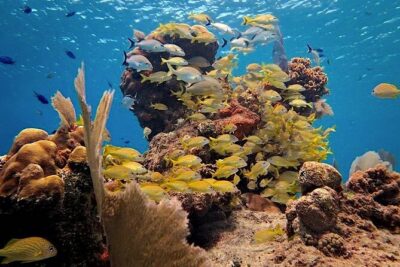
Panglao, on Bohol, is a practical place for this sort of introduction. The water is warm and clear, and the sea life can include coral, tropical fish, and, on some outings, sea turtles. Marine conditions can vary, so no particular animal sighting is promised, but the setting gives you a good chance to see why this corner of the Philippines is popular for beginner scuba.
The experience lasts about three hours. That sounds short, but much of the time is spent getting comfortable with breathing, movement, and safety procedures. The actual open-water portion lasts around 30 minutes, which is a reasonable first session for someone still learning how to manage the equipment.
More Discover Scuba Diving in the Philippines
- WaterColors – Discover Scuba Diving in Boracay
★ 5.0 · 127 reviews - Boracay: Introduction to Scuba Diving Experience
★ 4.8 · 104 reviews - El Nido: Discover Scuba Diving with Manta Rays in Sibaltan
★ 4.7 · 24 reviews
The One-Hour Lesson Before You Enter the Water
The first hour covers theory and includes a video. You learn basic hand signals, breathing techniques, and safety rules. These are not decorative details. Underwater, you cannot simply explain a problem in ordinary speech, so hand signals give you a clear way to communicate with the instructor.
You also learn how to equalize your ears as you descend. One useful tip from the experience is to equalize your nose often while going down, rather than waiting for pressure to build. This is the kind of small instruction that can make the first attempt more comfortable.
The lesson is intended to be easy to follow, which matters if you are nervous or have never handled scuba equipment. You will be introduced to items such as the mask, regulator, wetsuit, and related gear before using them in the water.
The theory portion should not be treated as a formality. Pay close attention to the safety guidance and ask questions before you leave shore. The better you understand the equipment on land, the more attention you can give to the fish and coral later.
Shallow Water Practice Builds Confidence
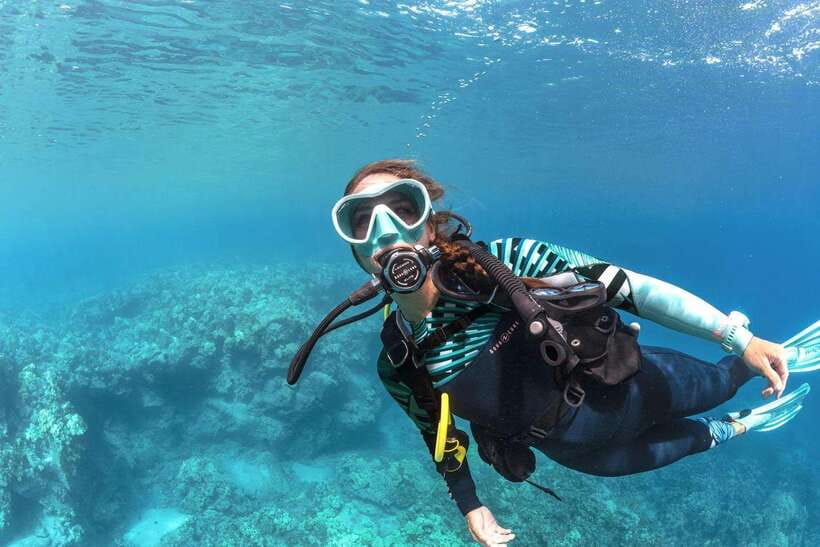
After the lesson, you spend about an hour practicing skills in shallow water with a professional instructor. This is the most important confidence-building part of the session. You get a chance to become familiar with breathing through the regulator and moving while wearing scuba equipment before entering the open sea.
For a first-timer, the shallow-water practice also gives you a useful pause. You can notice how the mask fits, how the regulator feels, and how your body responds to breathing underwater. If something feels awkward, this is the right time to speak up.
The instructors are described as patient and helpful, and the structure allows them to adjust the pace to your comfort level. That matters more than speed. A rushed introduction can turn a promising first attempt into an uncomfortable one, while a calm lesson gives you room to settle down.
Basic swimming skills are recommended. You do not need a license or earlier scuba training, but you should be comfortable enough in the water to follow instructions and manage yourself with assistance. This is not presented as a swimming lesson, so anyone who feels uneasy in open water should consider that carefully before booking.
The 30-Minute Open-Water Session
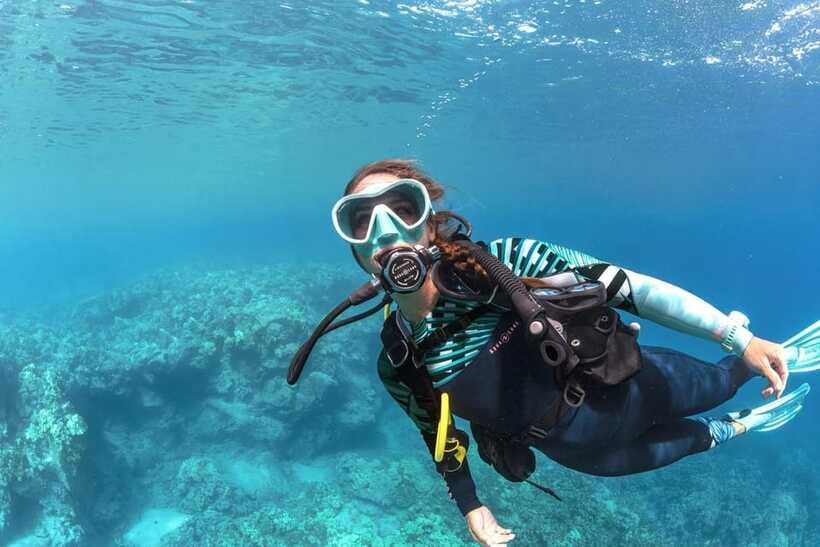
Once you are ready, you take a boat out for the guided ocean session. The sea portion lasts around 30 minutes and stays within beginner-safe depths. Your instructor remains close throughout, rather than sending you off to manage the experience alone.
That close supervision is the heart of this activity. You can focus on breathing, posture, and looking around while your instructor monitors the pace. If you need help, the instructor can respond directly and remind you about basic techniques.
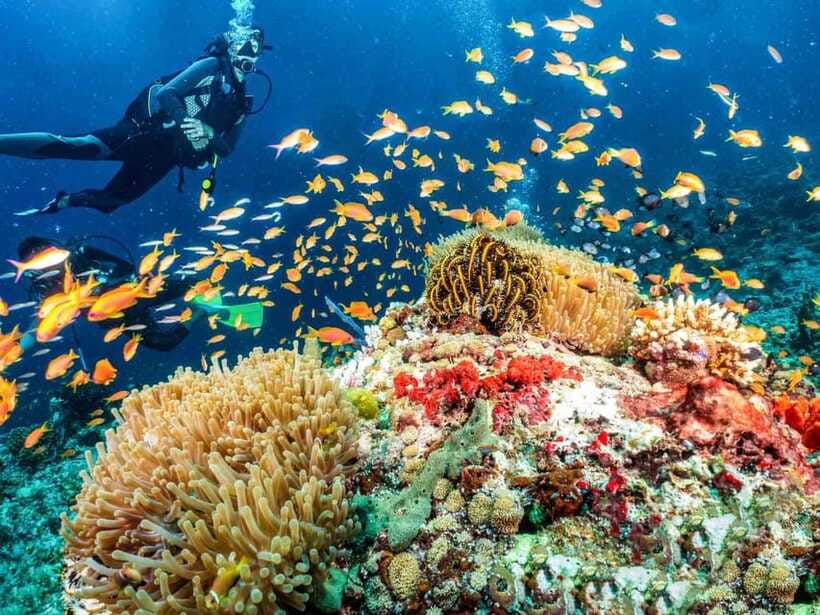
The underwater setting may include coral reefs and tropical fish. Sea turtles are possible on some outings, but they are not guaranteed. I appreciate that distinction because it keeps expectations realistic. The main value is learning how to function underwater, with marine life as a welcome bonus.
The session is long enough to give you a genuine taste of scuba, but short enough for a first attempt. You will not have hours to roam or cover a large area. That limitation is not necessarily a weakness. Beginners often have plenty to think about during the first few minutes, and a shorter session helps keep the experience manageable.
If you are hoping for an advanced reef expedition, this is not the right product. If you want to find out how scuba feels before paying for a certification course, the format makes good sense.
Same water, a different dive:
- Boracay: Helmet Diving Experience with Photos and Videos
★ 4.7 · 155 reviews - Cebu: Beach Scuba Diving Experience
★ 4.9 · 130 reviews - Cebu: Scuba Diving Experience beach entry in Mactan
★ 5.0 · 45 reviews - Boracay: Island Hopping with Crystal Kayak & Helmet Diving
★ 4.6 · 34 reviews
What Is Included in the $104 Price
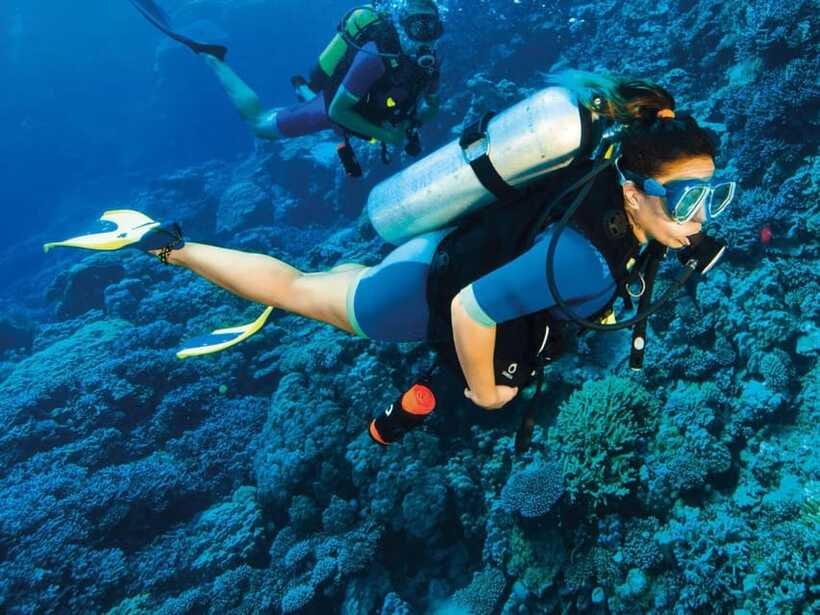
The cost is $104 per person. At first glance, that is a substantial amount for a three-hour activity, but the price includes several items that can otherwise add up:
- One hour of scuba theory with video
- One hour of shallow-water skills practice
- Around 30 minutes in open water
- A professional instructor
- Wetsuit, mask, regulator, and other required equipment
- Boat transportation
- Marine fees
- Underwater photos and videos
That bundle gives the price reasonable value for a first-time experience. You are not renting equipment separately or paying a marine fee at the end. The included photographs also matter because they let you keep a record without needing to buy the optional GoPro service.
A GoPro is not included. If recording your own footage is essential, you should plan for that extra cost or rely on the complimentary photos and videos. The included media is a practical bonus, especially since managing a camera can distract you from learning during your first underwater session.
Transportation to and from the dive center is also not included. It can be organized if requested, but you should settle that point before the day of the activity. This is the main extra logistics issue in an otherwise fairly simple package.
Small Groups and Instructor Support
The group is limited to 10 participants. That is not a private lesson, but it is smaller than a large boatload of first-timers. Group size can affect how quickly everyone moves through the lesson, so a cap of 10 gives the instructor a better chance to keep track of beginners.
The session is available in English, Korean, and Tagalog. Choose the language in which you can best understand safety instructions and ask questions. Clear communication matters here, especially when learning hand signals and equipment procedures.
The instructor stays with you during the ocean portion. This is one of the strongest reasons to choose this format instead of an informal tryout. You are not simply given equipment and pointed toward the water. The activity is structured around guidance, practice, and close supervision.
The available feedback also points to patience as a major strength. One first-timer found the staff helpful when feeling intimidated, while another specifically appreciated the reminders about equalizing and the effort made to take underwater photos and videos. Those details suggest that the support is practical, not just a quick safety briefing.
Who Will Enjoy This Experience
I would recommend this to an adult or older child who is curious about scuba but does not yet know if a certification course is worth the time and cost. It gives you a real underwater session, not only a lesson in a swimming pool.
It is also a good fit for someone who wants a guided activity with a clear beginning and end. The three-hour schedule works well if you are fitting scuba around other plans in Bohol.
You should be comfortable with the following:
- Listening carefully to safety instructions
- Wearing a mask, regulator, and wetsuit
- Practicing in shallow water
- Using basic swimming skills
- Spending about 30 minutes in the sea with close instructor guidance
This may not suit you if you want a private, advanced, or lengthy reef outing. It may also be a poor match if you are not comfortable in water or want to control the pace without a group structure.
Practical Tips for a Smoother Session
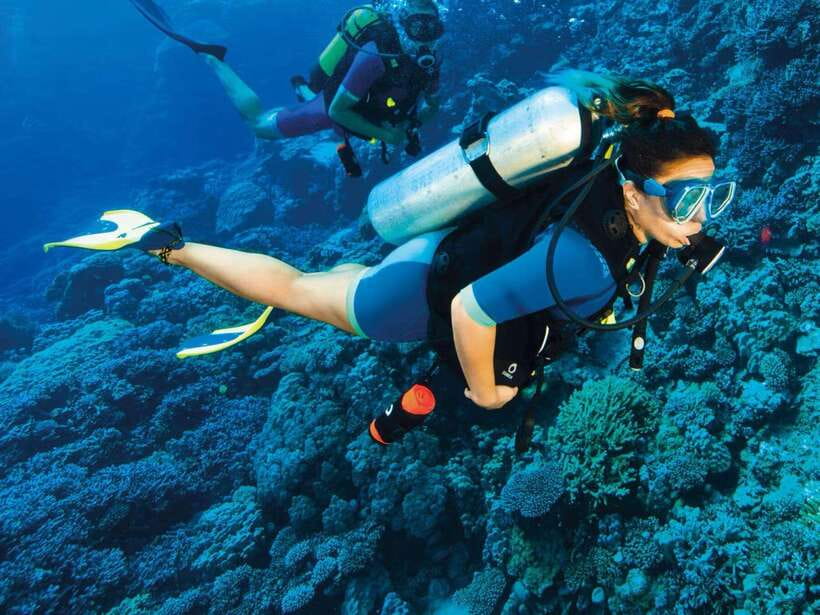
Arrive ready to listen and ask questions. The theory hour is not something to rush through. Pay close attention to the hand signals, breathing guidance, and equalizing advice, then use the shallow-water hour to practice until the equipment feels familiar.
Tell the instructor early if you feel anxious or uncomfortable. The activity is designed for beginners, and the pace can be adjusted to your comfort level. Speaking up during practice is much easier than trying to solve a problem once you are in open water.
Remember that your own camera is not part of the package. The experience includes underwater photos and videos, but a GoPro is excluded. If you want to use one, ask in advance about the arrangements rather than assuming it will be provided.
Plan for the activity to take three hours, plus any time needed to reach the meeting point. Since transport to and from the dive center is not included, confirm whether you need to arrange it separately.
Finally, keep your expectations focused on the experience itself. Coral, fish, and even sea turtles may appear, but wildlife is never fully predictable. Your success should be measured by becoming comfortable with scuba and completing a guided ocean session, not by checking off a particular animal.
Booking Flexibility and Timing
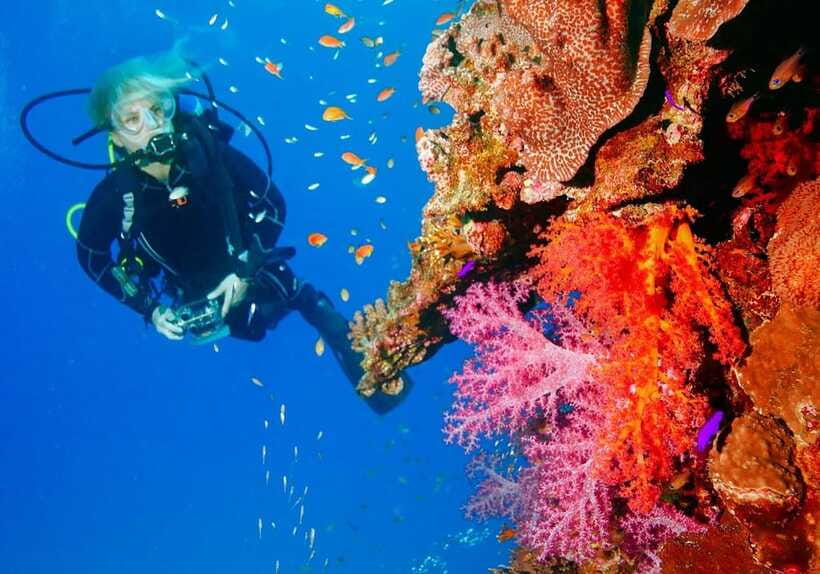
You can cancel up to 24 hours before the activity for a full refund. That is useful if your Bohol plans are still shifting, especially because weather and water conditions can affect sea activities.
The reserve-now-and-pay-later option also gives you flexibility. You can secure a place without paying immediately, then settle the cost later under the booking terms.
Starting times vary, so check availability before choosing your date. The small-group limit may make early planning worthwhile if you are visiting during a busy period.
The activity is offered by Panglao Island Tour. Instructor support is available in English, Korean, and Tagalog, giving you a practical way to choose the session that best fits your needs.
Should You Book This First-Time Scuba Experience?
Book it if you want a genuine first taste of scuba in Bohol without taking a certification course. The best parts are the one-hour lesson, the shallow-water practice, the instructor’s close supervision, and the included equipment, boat ride, marine fees, and underwater media.
At $104, the value is strongest for someone who would otherwise need to arrange several of those elements separately. The main limits are the short 30-minute ocean session, the lack of included transport to the center, and the fact that sea turtles or particular reef scenes cannot be promised.
I would choose this for a curious beginner who can swim, wants patient guidance, and prefers a carefully managed half-day activity. I would choose a longer certified course instead if you already know you want to pursue scuba seriously. For a first try, though, this Panglao session gives you enough time to learn, practice, and decide if underwater exploration is for you.
FAQ
Do I need a scuba license or previous experience?
No. The activity is designed for first-timers, and no license, certification, or prior scuba experience is required.
Do I need to know how to swim?
Basic swimming skills are recommended. Formal scuba experience is not required, but you should be comfortable enough in the water to follow instructions.
How long is the open-water session?
The guided ocean session lasts around 30 minutes and stays within beginner-safe depths.
What happens before the ocean session?
You receive one hour of scuba theory with a video, followed by one hour of shallow-water skills practice with a professional instructor.
Is equipment included?
Yes. The price includes the main scuba equipment, including a wetsuit, mask, regulator, and related gear.
Are underwater photos and videos included?
Yes. Complimentary underwater photos and videos are included. A GoPro is not included.
Is transportation included?
Boat transportation and marine fees are included. Transportation to and from the dive center is not included, but it can be organized if requested.
More Scuba Diving for Beginners in the Philippines
- Scuba Diving in Boracay: SSI Basic Diver for Beginners
★ 5.0 · 20 reviews - Scuba Diving in Boracay: SSI Basic Diver for Beginners
★ 5.0 · 10 reviews - First-Time Scuba Diving in Honolulu + Free Videos
★ 5.0 · 3,123 reviews - Beginner Scuba Diving with Turtles and Videos, San Juan
★ 5.0 · 1,743 reviews
Newly logged dives around the Philippines
- Moalboal : Scuba Diving Sardine Run and Turtle Chasing★ 5.0 · 2 reviews
- Scuba Diving in Boracay: SSI Basic Diver for Beginners★ 5.0 · 10 reviews
- Panglao: Napaling Reef and Sardines Freediving Experience★ 4.9 · 16 reviews
- Panglao: Helmet Diving Experience with Photos and Videos★ 5.0 · 3 reviews
- Panglao Bohol: Try Scuba Diving at Napaling and Sardines★ 5.0 · 4 reviews
- Cebu: Oslob Whaleshark Scuba Diving & Sumilon Sanctuary★ 4.5 · 8 reviews
- Moalboal: Scuba Diving and Pescador Island Hopping★ 3.8 · 3 reviews
- Cebu: Moalboal Scuba Diving, Sardines Run & Pescador Snorkel★ 3.5 · 8 reviews
Discover Scuba Diving, side by side.
Cyprus: Introductory Scuba Lesson and Dive with Transfer
Read our review →