
Review · CROATIA
Pula: Introduction to Scuba Diving
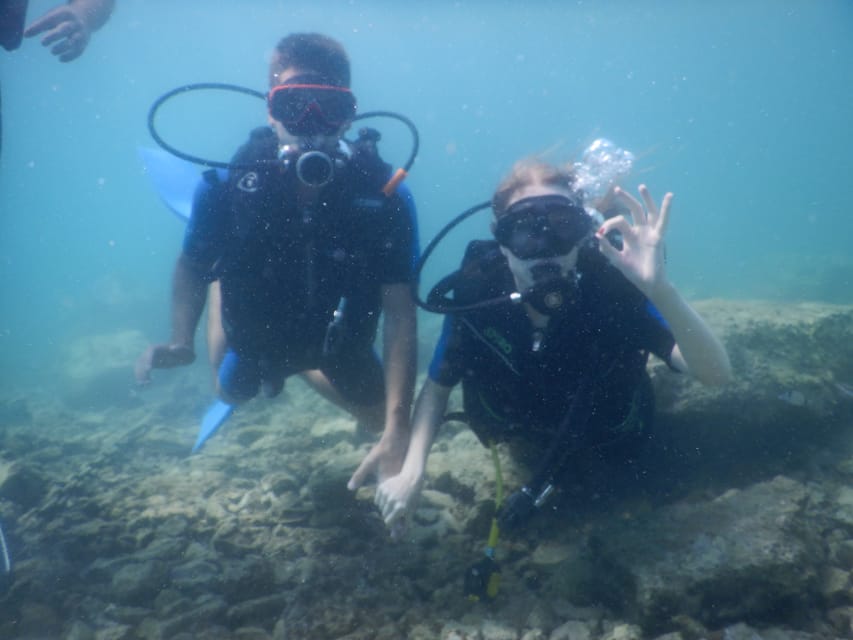
Pula’s Adriatic coast gives you a gentle first taste of scuba diving, with an instructor beside you from the first breath to the last. You learn basic breathing, underwater hand signals, and safety before moving down to a maximum of 7 to 8 meters. The goal is not a certification. It is a calm, supervised introduction to the sea below the surface.
I like two things right away: patient instruction for nervous beginners, and the chance to see small Adriatic creatures such as octopus and seahorses. Guides including Johannes, Nef, Yoan, Sergei, and Marin have helped first-timers settle in, including children and adults who were unsure at first.
The main consideration is that this is a short introductory session, not a full scuba course. Your underwater time is advertised at up to 30 minutes, and weather can change the plan. If you want certification, this is only the first step.
Key points to know before you book
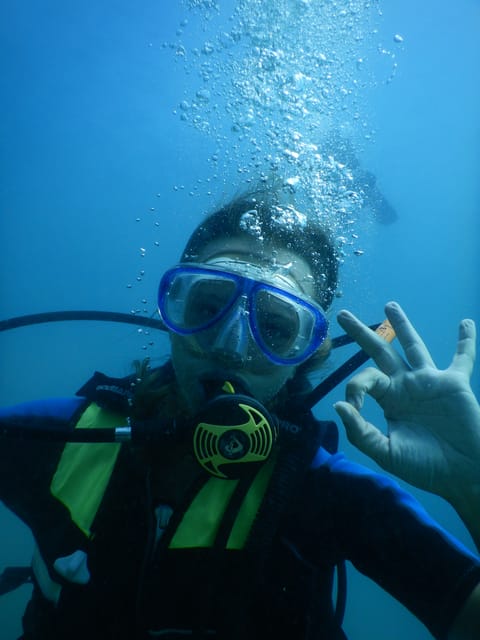
- You learn on land first: Expect a medical questionnaire, equipment fitting, safety instructions, breathing practice, and underwater hand signals before entering the sea.
- The maximum depth is 7 to 8 meters: That is enough for a real look beneath the surface while keeping the session suitable for beginners.
- Your instructor stays central to the experience: Johannes, Nef, Yoan, Sergei, and Marin are among the instructors who have guided recent sessions.
- The underwater visit lasts up to 30 minutes: Some sessions may run longer according to reports, but you should plan around the stated maximum.
- The standard age limit is 10: Children must be accompanied by an adult, while a separate program is available for children aged 8 to 10.
- The $100 price covers the basics: Training, an instructor, and all necessary equipment are included, but food and drinks are not.
Starting at Orca Diving Centre in Verudela
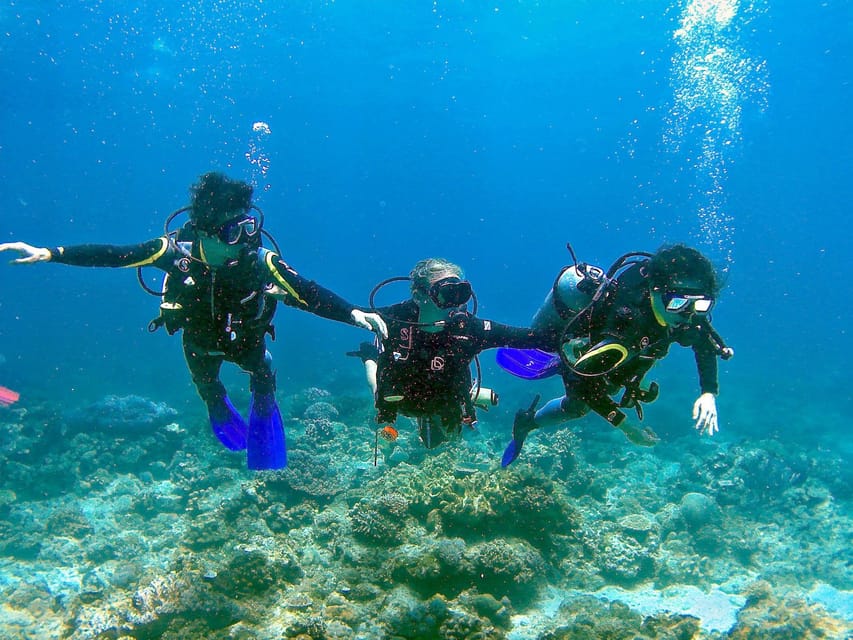
You begin at Orca Diving Centre, at Verudela 17 in Pula. This is both the meeting point and the place where the activity ends, so you do not need to arrange a separate return transfer.
Bring swimwear and leave pets at home. Food and drinks are not included, so eat and hydrate before you arrive if needed. The supplied information does not specify a fixed total duration on land, so leave enough room in your day for the briefing, equipment preparation, and underwater session rather than scheduling a tight follow-up.
You first complete a medical questionnaire. This is a sensible early check, not a formality to rush through. Scuba equipment and pressure changes are not suitable for everyone, and the course is not recommended for pregnant women.
The center offers instruction in English, German, Italian, French, and Croatian. That matters in a beginner lesson, where a clear explanation can make the difference between feeling relaxed and feeling lost. If you have a preferred language, ask for it when booking or on arrival.
More Discover Scuba Diving in the world
- Discover Scuba Diving
★ 5.0 · 1,676 reviews - Barcelona: PADI Discover Scuba Diving
★ 4.7 · 1,016 reviews - Discover Diving in Curacao
★ 5.0 · 886 reviews
Learning to breathe and communicate underwater
The first lesson focuses on breathing through the regulator and using the equipment correctly. You also learn the hand signals that let you communicate underwater, where ordinary conversation is impossible.
This part may feel more important than the sea visit itself. New scuba users often need a few minutes to trust the equipment and get used to breathing in a new way. The instructors are expected to guide you slowly, rather than push you straight into deeper water.
Safety practice comes before exploration. You receive an explanation of how to behave underwater, what the signals mean, and how to respond to your instructor. The exact teaching style can depend on the person leading your session. Johannes, Nef, Yoan, Sergei, and Marin have all been singled out for calm, clear, or patient help, while one family felt a particular instructor could have explained things more strongly.
That mixed detail is useful. Orca has several instructors, and your experience may depend partly on who leads your group. The overall setup is designed for beginners, but do not hesitate to ask for another explanation if a signal or breathing step is unclear.
Getting comfortable in the Adriatic
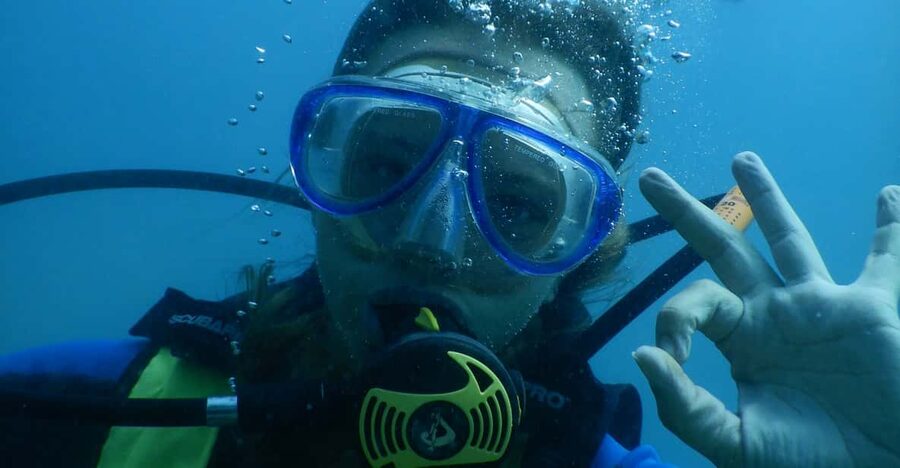
Once your briefing and equipment check are complete, you slowly enter the water. The instructor remains close as you get used to breathing and moving with the gear.
You are not expected to manage a long, demanding underwater route. This is an introductory program, with a maximum depth of 7 to 8 meters and a maximum advertised underwater time of 30 minutes. That limit keeps the session approachable for people who have never used scuba equipment before.
The shallow depth also makes this a reasonable choice for families with older children, couples, and friends who want to try something new without committing to a full course. You still need to be comfortable following instructions and using the equipment, but you do not need previous scuba experience.
Several people have found the first few minutes the hardest, especially when a partner or child felt uncertain. The most useful feature of the session is the instructor’s calm presence. Nef has been praised for being patient and reassuring, while Sergei has been noted for explaining information in small, easy-to-follow parts. Marin worked one-on-one with an 11-year-old during a family session, which gave the child close support while the older participants continued with their own instructor.
Looking for octopus and seahorses at 7 to 8 meters
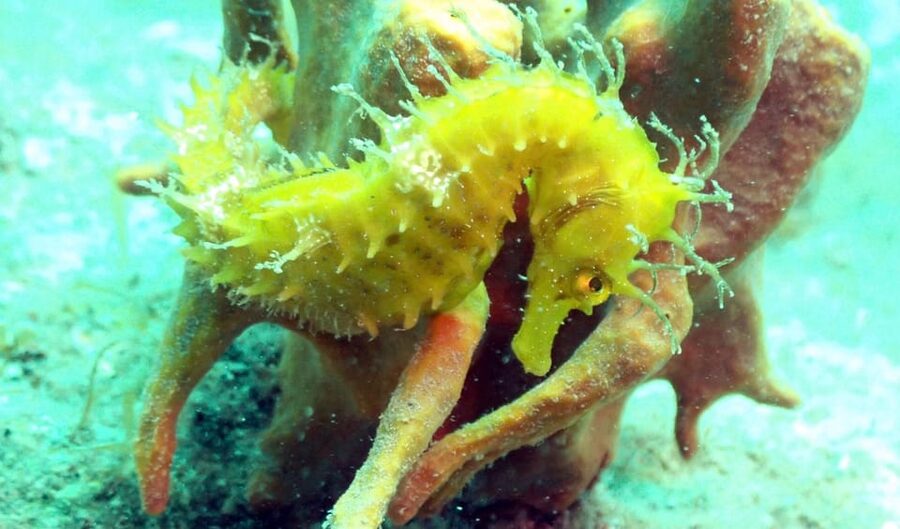
The underwater part gives you a chance to search the Adriatic seabed for marine life. Octopus and seahorses are specifically mentioned as possible sightings. They are not guaranteed, so think of them as a bonus rather than a promise.
At this depth, the appeal is the change in viewpoint. You are not simply floating on the surface with a mask. You are learning to control your breathing, move with the equipment, and look carefully for creatures that can be easy to miss.
One participant reached 9.6 meters, but the stated limit for the program is 7 to 8 meters. Treat that deeper report as an exception, not something to expect or request. Your instructor decides what is suitable based on conditions, comfort, and safety.
The underwater portion is advertised as lasting up to 30 minutes. A few sessions have lasted more than 40 minutes, but that is not the dependable standard. Plan on the published limit, and consider any additional time a possible variation rather than part of the deal.
More scuba diving around the world
- Great Barrier Reef Snorkeling and Diving Cruise from Cairns
★ 4.5 · 3,714 reviews - First-Time Scuba Diving in Honolulu + Free Videos
★ 5.0 · 3,123 reviews - Oahu Shark Dive
★ 5.0 · 2,903 reviews - Southern Tenerife: 50-Minute Submarine Dive
★ 4.8 · 2,216 reviews
What the $100 price really includes
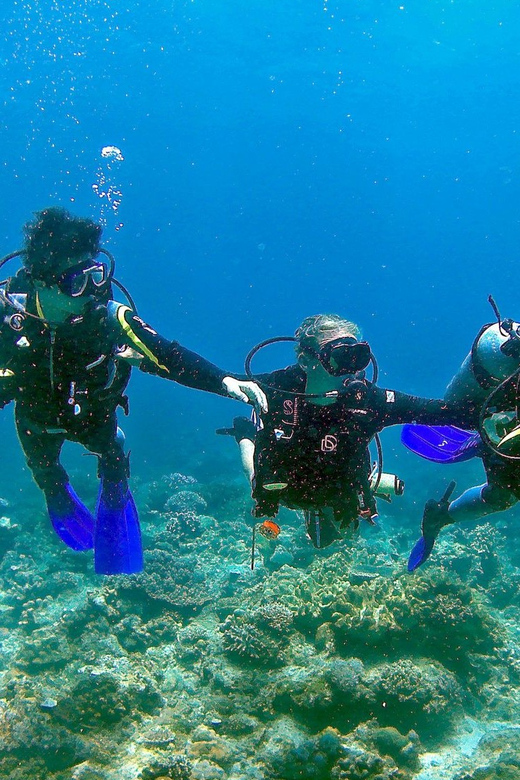
At $100 per person, this is not the cheapest way to spend a morning in Pula. It is also more than a basic snorkel rental. The price includes an instructor, training, and the scuba equipment needed for the session, which means you are paying for supervision and instruction as much as for access to the water.
For a first attempt, that package makes sense. Buying or renting individual pieces, learning the hand signals on your own, and figuring out how to use the regulator would not give you the same level of guidance. The value is strongest if you are curious about scuba but not ready to sign up for a longer qualification course.
The price is less compelling if you already have scuba experience or want a full half-day underwater outing. This program is clearly built as an introduction. You get a taste of the activity, not a certification and not a long exploration.
Food and drinks are not included. Since no transport from hotels is listed either, you should make your own way to Verudela 17 and plan for your own refreshments. The reserve-now, pay-later option can help if your plans are still shifting, and cancellation is allowed up to 24 hours before the activity for a full refund.
Choosing the right instructor and pace
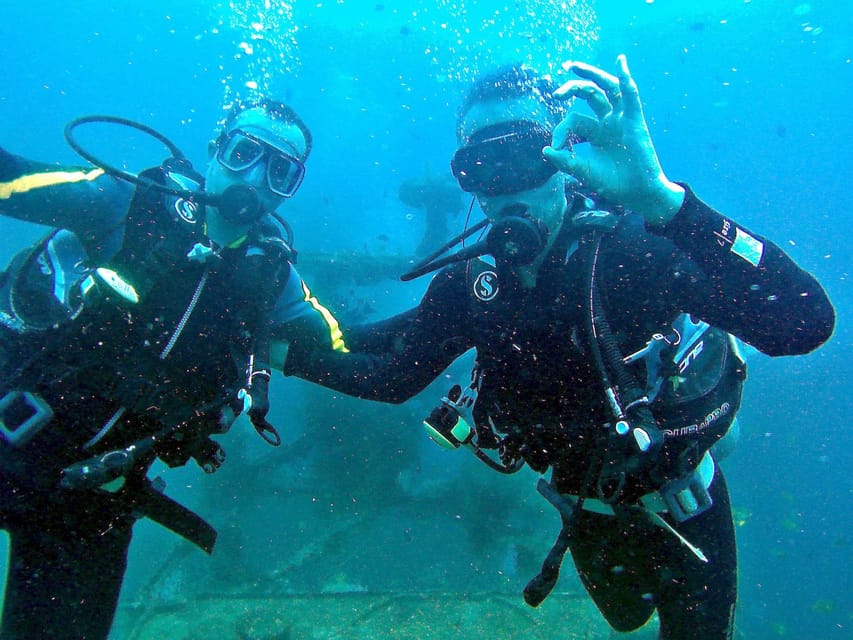
The strongest pattern in the feedback is the importance of the instructor’s manner. Nervous beginners have succeeded because their guides stayed calm, explained each step, and allowed them time to adjust.
Johannes has helped hesitant participants reach the seabed and complete the course with confidence. Nef has been praised for combining patience with a light, friendly manner. Yoan gave precise instructions and helped new participants feel secure, while Sergei focused on short, simple explanations before getting people into the water. Marin provided close support for a younger child.
These details do not mean every session will feel identical. If you are anxious, say so before entering the water. Tell the instructor if you need to pause, repeat a hand signal, or spend more time practicing your breathing. A good beginner session should feel controlled, not rushed.
One comment raised a concern about matching instructors to the beginner level. That is worth keeping in mind, especially if you are bringing a child or someone who is uneasy in water. The center has several instructors, so clear communication at the start is your best way to get the support you need.
Is this a good family activity?
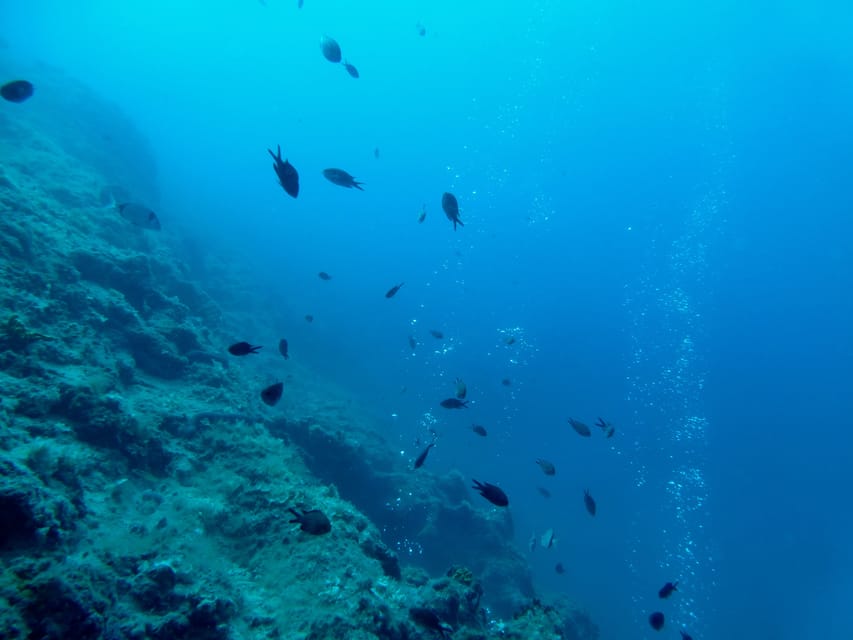
The course can work well for families, but the age rules matter. Children must be at least 10 for this standard program and must be accompanied by an adult. For children aged 8 to 10, Orca offers a separate introduction program, so ask about that rather than assuming the regular session is suitable.
The strongest family example involved an 11-year-old who was initially hesitant. Close attention from the instructor helped the child take part, while other family members had their own guidance. That suggests the activity can suit mixed-age groups when the instructors can give younger participants enough individual care.
Pregnant women should not book this course. The activity is also subject to weather conditions, which can affect whether the session runs as planned. Those limits are normal for a sea-based activity, but they make flexible scheduling wise.
Weather, comfort, and realistic expectations
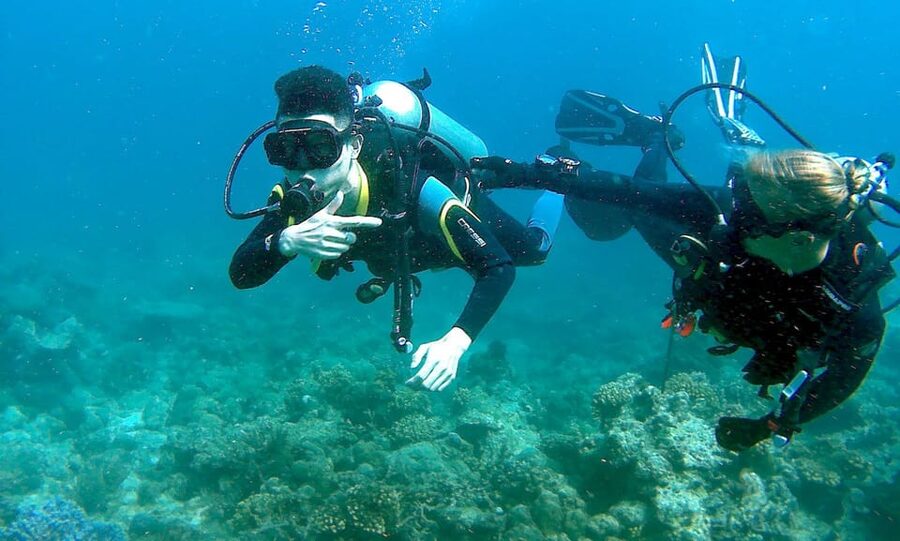
The course depends on the weather, so the sea conditions can lead to changes. No detailed threshold for cancellation or rescheduling is provided, and you should ask the center if the forecast looks poor.
You should also expect some waiting and preparation on land. The underwater portion is limited, but the full activity includes the questionnaire, equipment, briefing, and practice. Wear swimwear and arrive ready to listen carefully.
This is not a high-adrenaline attraction. The best part is the gradual transition from uncertainty to control. You learn to breathe, recognize signals, and move underwater with an instructor nearby. If you prefer fast action or a long itinerary, the short format may feel limited. If you want a manageable first step, it is well judged.
Who will enjoy this Pula scuba session?
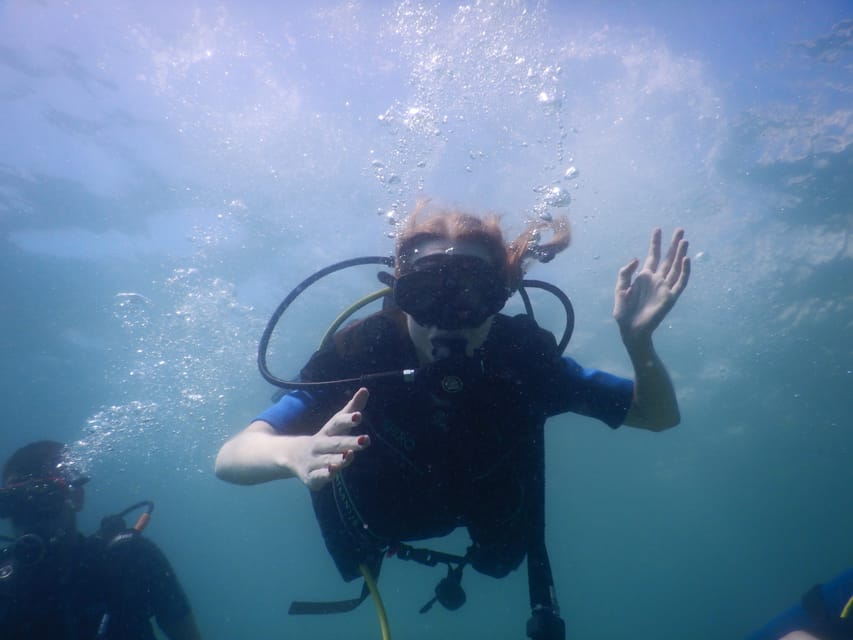
I would recommend it to:
- First-time scuba users who want a supervised introduction
- Adults who feel nervous and want patient, close instruction
- Families with children aged 10 and older
- Couples or friends looking for something beyond surface swimming
- People considering a future scuba certificate
- Visitors who want to spend part of a day on the Adriatic without committing to a full course
I would be more cautious about booking it if you already hold scuba qualifications, want a long underwater route, or dislike activities that depend on weather. It is also not suitable for pregnant women or children under 10 in the standard program.
Should you book it?
Book this Pula session if you want a short, guided introduction with equipment and training included. The $100 cost is reasonable when you value patient instruction and the reassurance of a professional beside you, especially if you are unsure about breathing underwater.
Do not book it expecting certification, guaranteed seahorses, or a long underwater expedition. Ask about the instructor, explain any nerves early, and plan around the stated 30-minute maximum. For a first taste of scuba along the Istrian coast, Orca offers a practical and family-friendly starting point.
FAQ
Where does the scuba introduction begin and end?
It begins and ends at Orca Diving Centre, Verudela 17, 52100 Pula, Croatia.
How deep will I go?
The program reaches a maximum depth of about 7 to 8 meters. One reported session reached 9.6 meters, but you should plan on the published limit.
How long is the underwater session?
The stated maximum underwater time is 30 minutes. Some sessions may last longer, but extra time is not guaranteed.
Is previous scuba experience required?
No. This is an introductory program that includes training, breathing instruction, safety guidance, hand signals, and equipment.
What languages are available?
Instruction is available in English, German, Italian, French, and Croatian.
What is the minimum age?
Children must be at least 10 years old for the standard program and must be accompanied by an adult. A separate introduction program is available for children aged 8 to 10.
What should I bring, and what is not allowed?
Bring swimwear. Pets are not allowed, and food and drinks are not included.
Newly logged dives around the world
- Phu Quoc: Scuba Diving Experience for All Levels★ 4.9 · 31 reviews
- Moalboal : Scuba Diving Sardine Run and Turtle Chasing★ 5.0 · 2 reviews
- From Alanya: Scuba Diving Tour with Hotel Transfers★ 3.7 · 3 reviews
- Scuba Diving in Colombo★ 5.0 · 2 reviews
- Scuba Diving in the Volcanic Caldera/shorelines of Santorini★ 4.6 · 5 reviews
- Fuerteventura: Introductory Dive in La Lajita with Pickup★ 4.9 · 68 reviews
- Kemer Scuba Diving with Expert Diving Option★ 4.2 · 45 reviews
- Phuket: Coral Reef Scuba Diving Experience at G Beach Club★ 4.9 · 32 reviews
Discover Scuba Diving, side by side.
Cyprus: Introductory Scuba Lesson and Dive with Transfer
Read our review →
Half-Day Scuba Diving Tour – Discover Scuba Diving!
Read our review →Lists this dive is on