
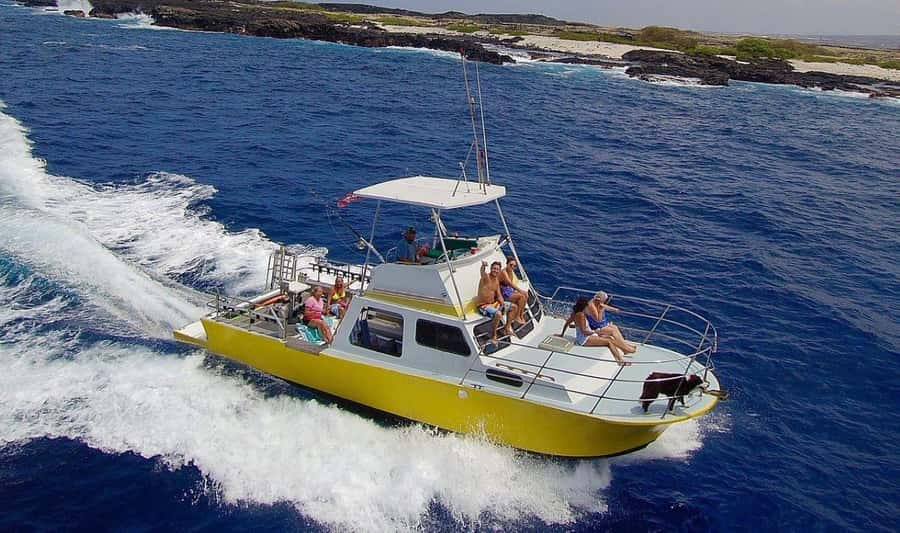
Review · USA
Kailua-Kona: Night Manta Snorkel or Dive
Kona’s nighttime manta encounter puts you above or beside some of the ocean’s most graceful feeders. The boats anchor over a sandy area about 30 feet deep, lights draw plankton into the water, and manta rays glide through the glow with wingspans reaching 15 feet.
I like the calm, sheltered bay, which makes this less intimidating than an open-water outing. I also like the clear split between the two options: snorkelers float above while scuba participants sit on the seafloor, giving both groups a good view of the feeding show.
The main catch is that this is still an ocean activity, not a guaranteed wildlife performance. You need to be comfortable in the water, and people prone to seasickness or with back problems should choose another Kona evening plan.
Key details before you book
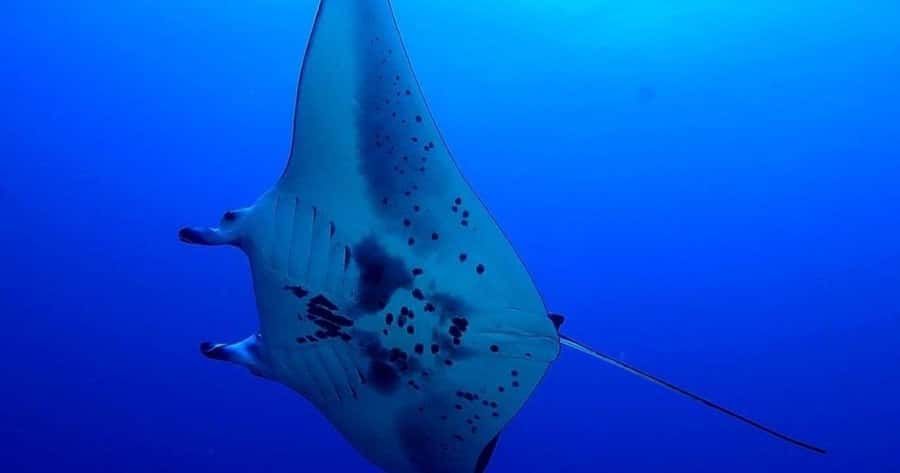
- Manta rays feed around the boat lights: Plankton gathers near the glowing water, bringing the rays close to the viewing area.
- The viewing area is about 30 feet deep: Scuba participants settle on the sandy bottom while snorkelers watch from above.
- Snorkeling and scuba are separate options: Snorkeling gear is included, but scuba gear costs an extra $40 if you select that option.
- The outing lasts two hours: That includes the boat-based trip and time in the water.
- The crew has earned strong marks for friendliness and control: Recent feedback specifically praised the captain and crew for being capable, kind, and organized.
- Bring your own towel and basic supplies: Towels, pickup, snacks, water, and a waterproof camera are not included, though light snacks and some non-alcoholic drinks are provided.
Why Kona’s manta show is so unusual
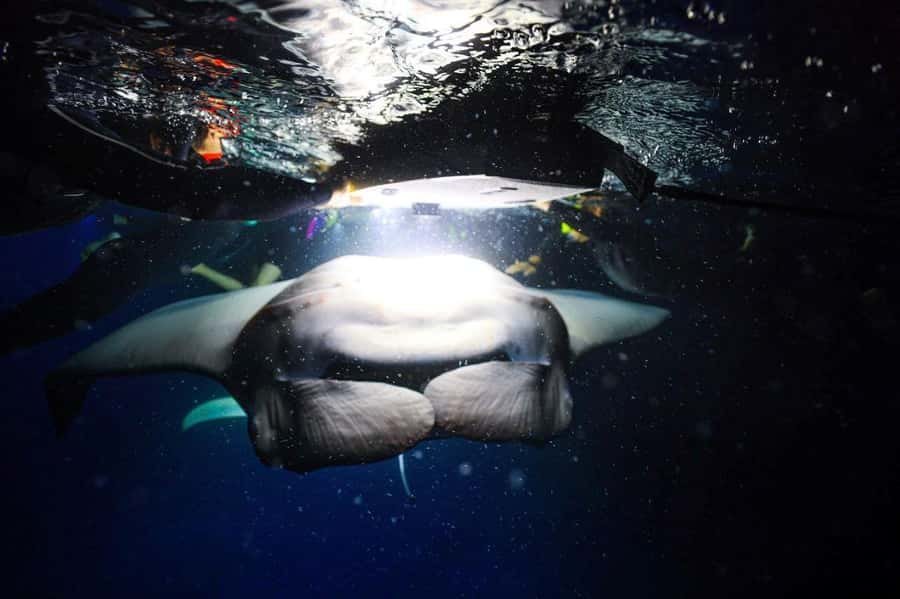
The appeal here is not simply spotting a ray in the distance. The activity is built around a nightly feeding area where bright lights attract plankton. Manta rays then sweep through the illuminated water, turning and flipping as they collect mouthfuls of their tiny food.
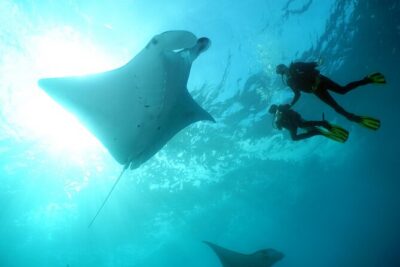
That feeding behavior gives you something to watch beyond a quick animal sighting. The rays can glide close to the snorkelers and scuba participants, making broad, graceful passes before looping back for another mouthful. Their size adds to the drama. Local mantas can reach wingspans of about 15 feet and weigh more than 1,000 pounds.
You are not touching or chasing the animals. The rule is simple: keep your hands off marine life and plants. That matters both for the creatures and for the quality of the encounter. The rays come to the plankton-rich light on their own terms, and your job is to remain still and observe.
More manta ray dives in the USA
- One Tank Manta Night Dive and Snorkel
★ 5.0 · 56 reviews - 5 Fun Dives in Nusa Lembongan (for certified divers) – Swim with a Mola Mola
★ 5.0 · 205 reviews - Scuba Diving in Nusa Penida – Manta Point
★ 5.0 · 198 reviews
The two-hour outing, from boat to feeding area
The experience takes place in a calm, sheltered bay near Kailua-Kona. You travel by boat to the viewing area, where boats anchor over a sandy patch that slopes to roughly 30 feet.
The sheltered setting is a practical advantage. Calm water makes it easier to hold your position and watch the animals, especially if you are new to nighttime snorkeling. Still, calm does not mean completely effortless. You are in the ocean after dark, and you should be honest with yourself about your swimming comfort before booking.
Once the boat is positioned, the two formats separate naturally. If you choose snorkeling, you float above the scuba participants and look down into the lit water. If you choose the scuba option, you settle on the sandy bottom and look upward and around as the manta rays pass nearby.
The difference is mostly one of perspective. Snorkelers get a bird’s-eye view of the rays as they roll beneath them. Scuba participants are closer to the bottom and may watch the rays sweep through the viewing area at eye level. Neither position is automatically better. Your choice should depend on your water comfort, not on the idea that one option is more exciting.
Watching the rays perform their feeding loops
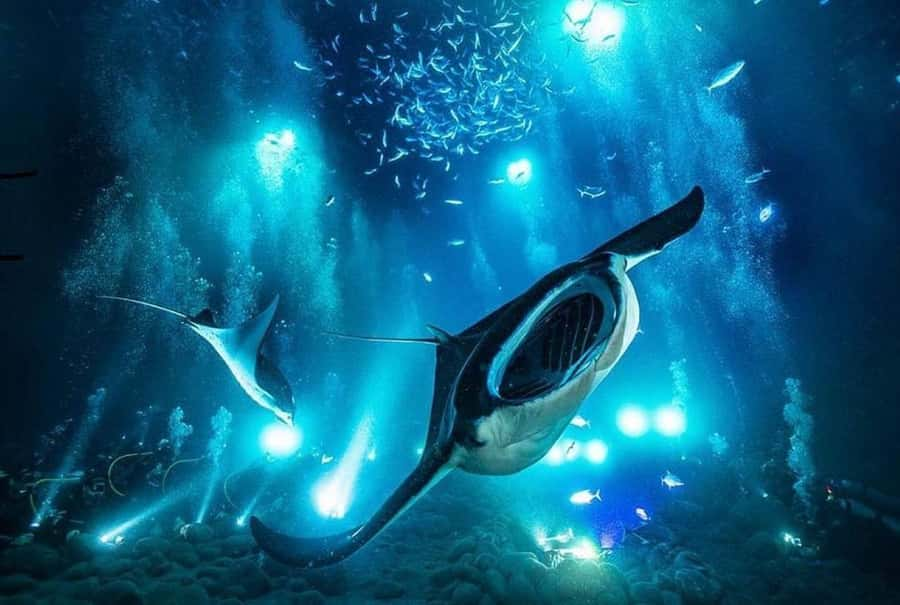
The most memorable part comes when the mantas arrive. They do not simply cruise past once. They make repeated passes, turning through the illuminated water as they feed on plankton.
Their movements can look almost choreographed, though there is no trained performance here. Each flip is a practical feeding motion, allowing the ray to collect plankton while gliding through the light. That gives you a chance to settle in and observe patterns rather than panic over one brief sighting.
For you, the best approach is patience. Keep your body calm, follow the rays with your eyes, and avoid reaching toward them. A waterproof camera can be useful, but it should not distract you from the spectacle. Bring one only if you already know how to use it in low-light water.
The encounter is often described as one of the top underwater experiences in the Hawaiian Islands. That reputation makes sense when you consider the combination of darkness, lights, calm water, and giant animals moving close by. At the same time, no wildlife outing can promise the exact number of animals or the same level of activity every night.
Snorkeling or scuba: which option fits you?
The snorkel option is the straightforward choice for anyone who can swim and wants to watch from above. You use the included snorkeling gear and float at the surface while the rays move beneath you. Because snorkelers are positioned over the viewing area, you can still get a strong view without sitting on the bottom.
The main limitation is that you must be comfortable floating in open water at night. Non-swimmers are not suited to this activity, and the operator also advises against booking if you have back problems or are prone to seasickness.
The scuba option gives you a lower viewpoint on the sandy seafloor. It may appeal to certified or suitably prepared scuba participants who want to be closer to the action from below. Scuba equipment is not included, so you need to budget an additional $40 for rental equipment on site.
For most people comparing the choices, snorkeling offers the simpler value. The basic price is $129 per person, and the core viewing position is already included. The scuba option makes sense when the bottom-level viewpoint is important to you and you are prepared for the added rental cost.
More Snorkeling in the USA
- Manatee Snorkel Tour from American Pro Diving Center
★ 5.0 · 265 reviews - VIP Aloha Nui Snorkel Adventure w/ optional SCUBA from Lahaina
★ 5.0 · 136 reviews - Snorkel Or Dive The Amazing Rainbow River Florida
★ 5.0 · 116 reviews - Florida Keys: Scuba Diving & Snorkeling Reef Trip
★ 5.0 · 4 reviews
What the $129 price includes
At $129 per person, this is not a casual beach rental. You are paying for a two-hour boat-based wildlife outing with access to a famous manta feeding area and snorkeling equipment.
The included gear helps keep the base cost manageable. You also receive light snacks and some non-alcoholic drinks, useful after time in the water. But the inclusions are limited, so do not arrive expecting a full meal, towels, hotel transport, or an open bar.
The value depends heavily on how much you want this specific encounter. If swimming with manta rays is high on your Kona list, the price is reasonable for a focused evening activity. If you are only mildly interested in marine life, the extra costs and water requirements may make it less appealing.
Remember the small add-ons. You need your own towel, water, snacks if you want more than the light offerings, and a change of clothes. Pickup is not included, so you are responsible for getting to the departure point. The supplied information does not give a meeting address, so confirm that detail before you finalize your day.
What the crew adds to the experience
The captain and crew are an important part of any nighttime boat outing. Recent feedback praised them for being capable, friendly, and in control, with one particularly positive note about how they kept the activity fun. Another five-star comment specifically praised the captain and crew as kind.
That is useful information because the setting can feel unfamiliar. You are boarding a boat, entering dark water, and watching large wild animals nearby. A steady crew can make the process feel less stressful, especially when participants are moving between the boat, the surface, and the sandy bottom.
No individual crew names are provided, so I would not expect to book a particular guide. The praise focuses on the team as a whole. One serious complaint involved a same-day cancellation, so I would keep a little flexibility in your Kona schedule rather than placing this activity immediately before an important flight or fixed reservation.
Practical packing for a night on the water
Wear your swimwear under your clothes and bring a full change of clothes for afterward. A towel is essential because it is not included.
Pack water and any snacks you know you will want. Light snacks and some non-alcoholic drinks are supplied, but the operator still recommends bringing your own food and water. That is sensible after time in the ocean.
Biodegradable sunscreen is the right choice if you use sunscreen before the outing. A waterproof camera is allowed and can help you record the experience, though darkness and moving animals make underwater photography tricky.
The no-touch rule applies to both marine life and plants. Keep your hands to yourself, avoid standing or grabbing anything underwater, and let the animals control the distance.
Who should skip this activity
This is not a good fit for non-swimmers. It is also not recommended for people with back problems or anyone prone to seasickness.
You should also think carefully about your comfort with nighttime water activities. The bay is sheltered and described as calm, but you still need to enter the ocean after dark and remain there while watching the rays. If that idea causes real anxiety, a land-based Kona activity may be a better use of your evening.
The experience suits confident swimmers, snorkelers who enjoy wildlife encounters, and scuba participants who want a close view from the sandy bottom. It can also suit a mixed group because snorkelers and scuba participants can share the same feeding area from different positions.
Cancellation and scheduling advice
The activity lasts two hours, but the available start times vary. Check the schedule carefully before booking so the outing fits your dinner plans and other evening activities.
You can cancel up to 24 hours in advance for a full refund. The reserve-now, pay-later option also helps if your Hawaii plans are still moving around. I would still avoid stacking this tightly against another paid reservation, especially because one recent booking was canceled on the same day.
That cancellation does not define every outing, but it is a reminder that ocean activities depend on operating conditions and company decisions. Keep a backup plan for the evening, particularly if this is your only scheduled manta encounter.
My verdict on Torpedo Tours’ Kona manta outing
I would book this if you are a capable swimmer and want a focused, high-impact wildlife experience rather than a broad sightseeing cruise. The setup is easy to understand, the bay is sheltered, the manta behavior is genuinely special, and the captain and crew have received strong praise for being friendly and capable.
I would choose snorkeling for the best value unless you specifically want the lower viewpoint and are ready to pay the additional $40 for scuba equipment. Bring a towel, water, snacks, dry clothes, and a waterproof camera, then leave plenty of room in your schedule in case plans shift.
Book it when manta rays are near the top of your Kona wish list. Skip it if you are a non-swimmer, prone to seasickness, dealing with back trouble, or hoping for a guaranteed animal show. For the right person, watching these huge rays loop through the lights can be the evening you remember longest from Hawaii.
FAQ
How long is the manta snorkel or scuba activity?
The activity lasts two hours.
How much does the experience cost?
The listed price is $129 per person.
Is snorkeling gear included?
Yes. Snorkeling gear is included in the price.
Is scuba equipment included?
No. If you select the scuba option, equipment can be rented on site for $40.
How deep is the viewing area?
The boats anchor over a sandy area that reaches approximately 30 feet deep.
What do the manta rays come to eat?
The boat lights attract plankton, and the manta rays come to feed on it.
Can non-swimmers participate?
No. The activity is not suitable for non-swimmers.
What should I bring?
Bring swimwear, a change of clothes, a towel, snacks, water, a waterproof camera, and biodegradable sunscreen.
Can I cancel for a refund?
Yes. You can cancel up to 24 hours in advance for a full refund.
More evening trips around the USA
- Certified Diver: 2-Tank Night Dive
★ 5.0 · 61 reviews - Oahu Night Dive: Adventure for Certified Divers
★ 3.6 · 6 reviews - 2 Days & 1 Night – 2 Dives in Lembongan/Penida (for certified divers)
★ 5.0 · 76 reviews - Scuba Diving Kata Beach Night Dive for Certified Divers
★ 4.5 · 14 reviews
Newly logged dives around the USA
- Panama City Beach: Beginners Scuba Diving Tour★ 4.6 · 23 reviews
- Oahu: Shark Cage Diving Experience★ 4.6 · 46 reviews
- Oahu: Wreck & Reef Scuba Dive for Certified Divers★ 4.8 · 17 reviews
- Oahu: Cageless Shark Dive Adventure★ 4.9 · 60 reviews
- Oahu: Shallow Reef Scuba Dive for Certified Divers★ 5.0 · 11 reviews
- Oahu Night Dive: Adventure for Certified Divers★ 3.6 · 6 reviews
- Oahu: Beginner SCUBA Dive at Electric Beach★ 4.8 · 10 reviews
- Kauai: Morning 2 Tank Boat Dive for Experienced Divers★ 5.0 · 5 reviews
Manta Ray & Mola Dives, side by side.
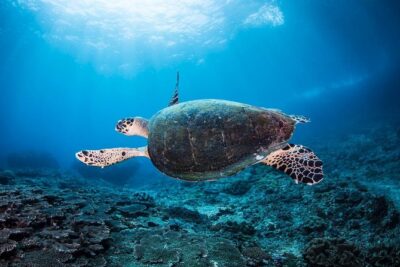
5 Fun Dives in Nusa Lembongan (for certified divers) – Swim with a Mola Mola
Read our review →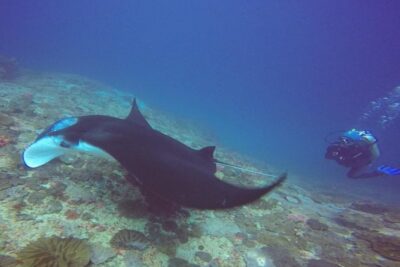
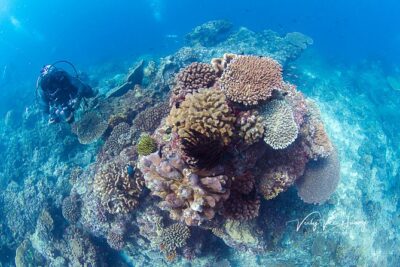
Bali Diving Day Trip-Manta Point/Tulamben Shipwreck-Fun Dive
Read our review →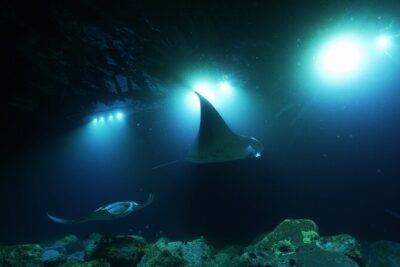

Manta Dive Gili Trawangan: Discover Scuba Diving
Read our review →
Scuba Diving Nusa Penida Manta Point 3 dives for certified divers
Read our review →
El Nido: Discover Scuba Diving with Manta Rays in Sibaltan
Read our review →Lists this dive is on