
Review · MALDIVES
Maldives: Discover Scuba Diving
The Maldives puts its best scenery below the surface, and this two-hour beginner scuba session gives you a practical first taste without signing up for a full certification course. You begin at Furuba Beach with equipment instruction and shallow-water practice, then head to a reef site with an instructor.
I like the small groups of four or fewer, which should make it easier to ask questions and get individual help. I also like the clear structure: briefing, practice, then open-water exploration with tropical fish and coral, and perhaps a ray or turtle. The main consideration is that this is not suitable for non-swimmers, and the short schedule leaves little room for a slow, hesitant start.
Key points to know before booking
- Meet at Furuba Beach 30 minutes early: The extra time matters because you need to get ready before the two-hour session begins.
- Practice comes before open water: You first learn breathing, equalizing, and basic equipment use in shallow water.
- Small groups keep instruction personal: No more than four participants share the session with an English-speaking instructor.
- The $100 price covers the essentials: Equipment, instruction, permits, and the guided underwater session are included.
- You need to be a swimmer: This introductory activity is not suitable for non-swimmers or uncertified divers looking for a certified-dive outing.
- Leave marine life alone: Touching animals, plants, or coral is not allowed, and flash photography is also prohibited.
Starting at Furuba Beach with a proper briefing
Plan to arrive at the dive center 30 minutes before the scheduled start. Furuba Beach is the stated meeting and return point, so you are not left guessing where the activity begins or ends.
The first part is about getting comfortable, not rushing toward the reef. Your English-speaking instructor explains how the equipment works and reviews basic safety rules. You learn to use the mask, fins, buoyancy control device, regulator, and tank. You also practice breathing through the regulator and equalizing pressure in your ears.
Those skills may sound simple on land. Underwater, they are the difference between enjoying the session and feeling flustered. The shallow-water practice gives you a controlled place to stop, ask for help, and repeat a skill before moving farther from shore.
The small group limit is especially useful here. With no more than four people, the instructor can watch how each person handles the equipment. If you are nervous about breathing through a regulator or managing your mask, this is the part of the session where you want clear, patient attention.
The operator does not provide individual guide names in the available details, but a professional certified instructor leads the activity. One verified booking praised the staff for being well organized and for maintaining strong safety standards. That is exactly what you want from a first underwater experience: calm instruction and careful preparation before scenery takes over.
More Discover Scuba Diving in the world
- Discover Scuba Diving
★ 5.0 · 1,676 reviews - Barcelona: PADI Discover Scuba Diving
★ 4.7 · 1,016 reviews - Discover Diving in Curacao
★ 5.0 · 886 reviews
Learning the equipment before entering open water
The package includes the basic equipment you need: mask, fins, buoyancy control device, regulator, and tank. A wetsuit is also available if needed, depending on water temperature.
You do not need to bring personal scuba gear, which makes this a simple option for someone testing the activity while on holiday. You should still bring your own swimwear, towel, and sunscreen. Food and drinks are not included, so plan those around the two-hour schedule.
The instructor will show you how the regulator supplies air and how the buoyancy equipment helps you manage your position in the water. You also receive guidance on equalizing, an essential skill for handling pressure as you descend.
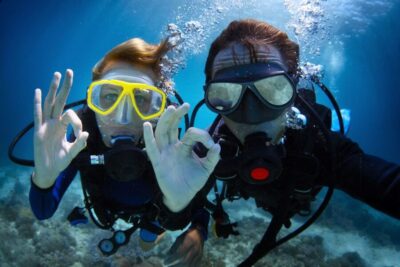
Do not treat the briefing as a formality. Listen closely to the hand signals and safety instructions. Underwater, speaking is not possible, so simple signals matter. The course is designed for beginners, but beginner-friendly does not mean casual. You still need to follow directions, stay with the instructor, and respect the rules around marine life.
Flash photography is not permitted. Underwater photographs and videos may be arranged for an additional fee, but they are not part of the $100 price. I would focus first on breathing and comfort. A camera is a poor substitute for paying attention when you are learning a new skill.
Shallow-water practice that builds confidence
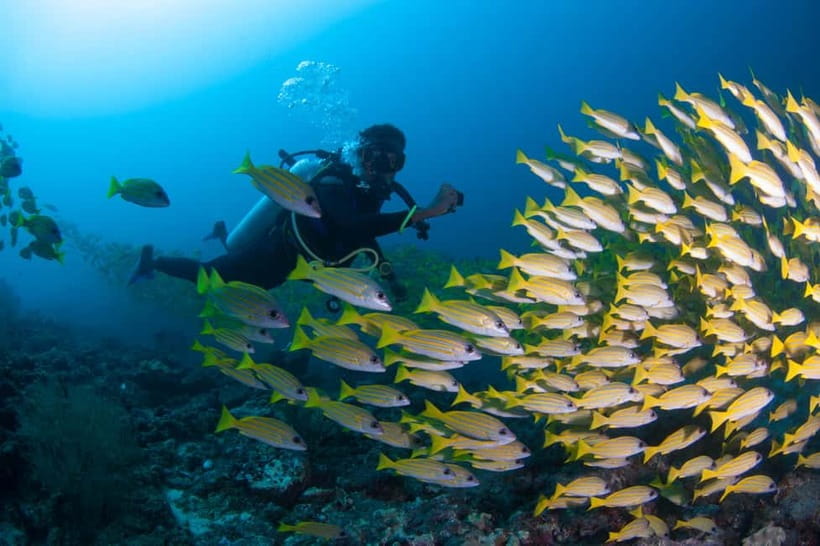
The controlled practice section is one of the most useful parts of the experience. You get time to test the mask, regulator, fins, and buoyancy equipment in shallow water before moving to the open-water portion.
This is where you find out how the gear feels. You can practice breathing steadily, clear your head if the mask feels uncomfortable, and work on equalizing as instructed. The instructor can correct small problems before they become larger ones.
For a first-time participant, the shallow-water work may be more valuable than the reef itself. It gives you a chance to settle your breathing and understand how to move without fighting the equipment. You may also discover that you prefer to take things slowly. That is useful information, especially if you are considering a future certification course.
The session has a fixed two-hour duration, so do not expect a long classroom lesson followed by an extended underwater visit. The exact time spent in shallow water and open water is not specified. Your instructor will decide when you are ready to continue, with safety taking priority over a strict minute-by-minute plan.
If you are not a confident swimmer, this is not the place to test that ability for the first time. Non-swimmers are not accepted. The activity is also not meant for certified divers seeking an advanced or independent outing. It is for a beginner who wants a supervised introduction.
Reaching the reef for the open-water session
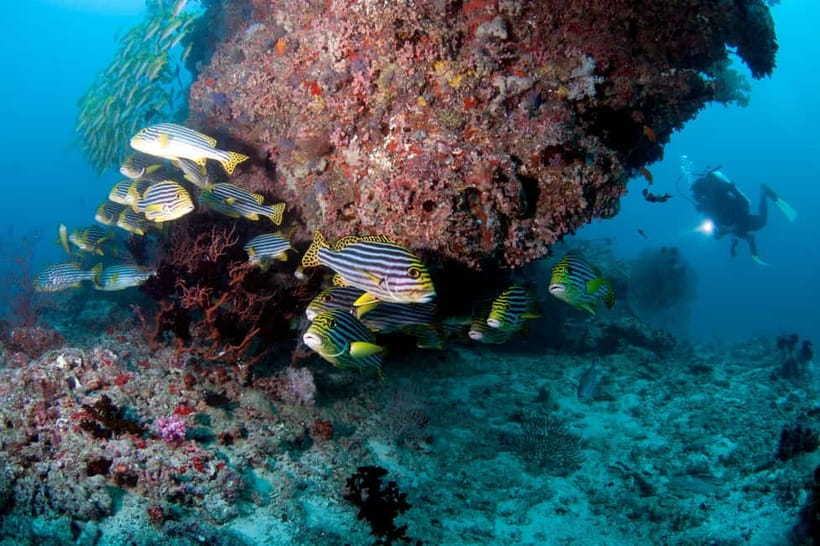
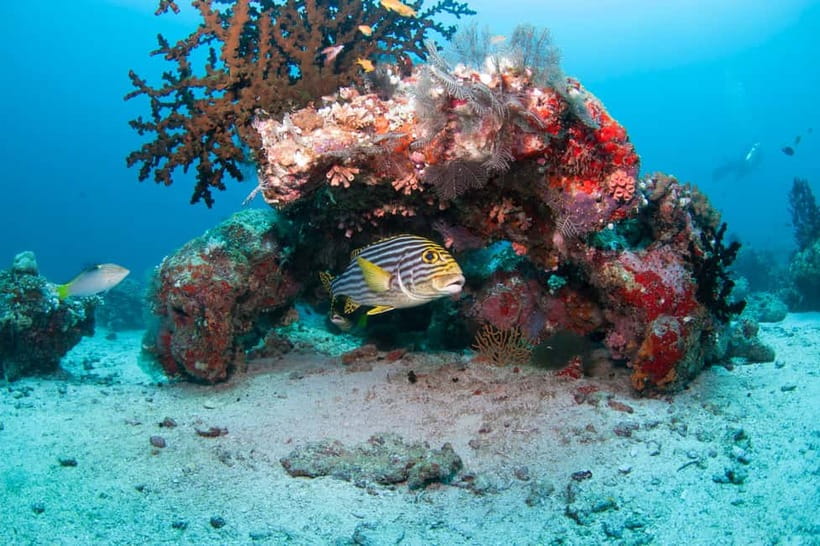
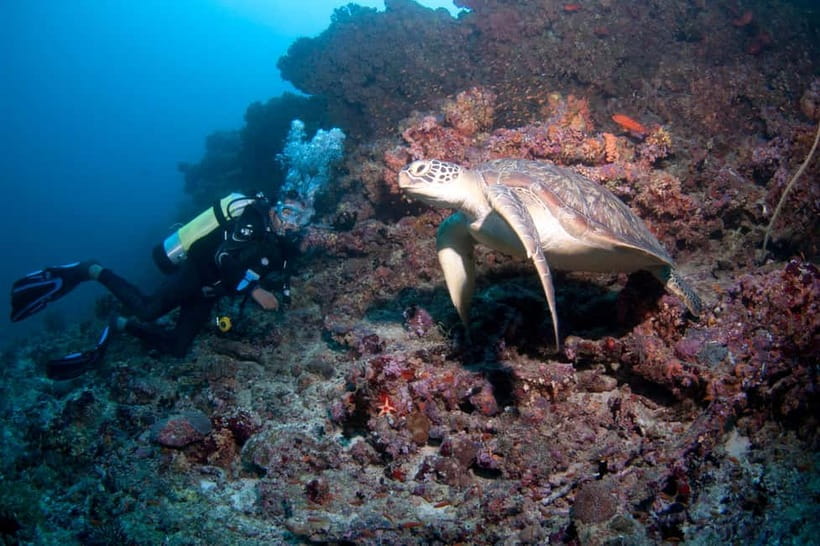
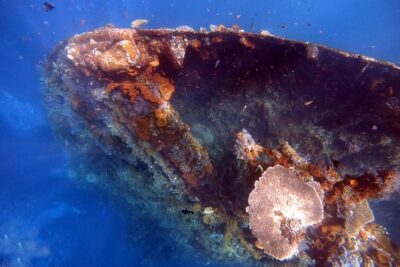
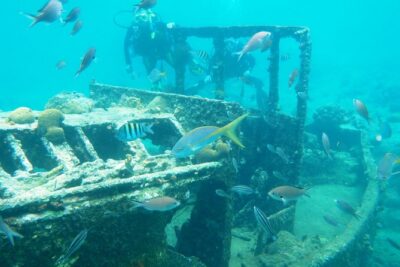
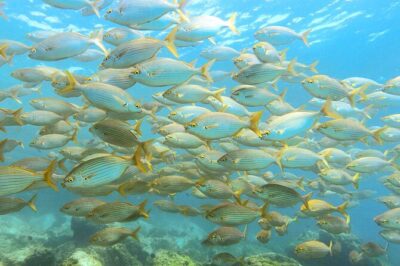
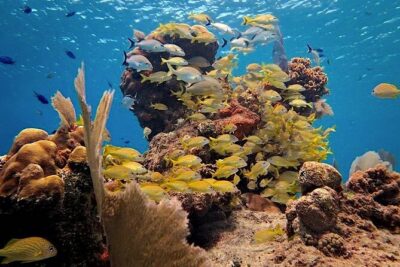
After the practice period, you head out for a guided open-water session at one of the Maldives dive sites. The setting is the main attraction: clear water, coral reefs, tropical fish, and the possibility of seeing larger marine animals such as rays or turtles.
The details do not identify one fixed reef site or promise a particular species. That is worth keeping in mind. Marine life is never a guaranteed checklist, and the exact underwater setting can vary. You should book this for the chance to explore a Maldivian reef, not for a guaranteed turtle photograph.
The instructor remains with you throughout the guided portion. That matters because you are still learning how to control your breathing, buoyancy, and position in the water. You are not being sent off to explore alone.
A first scuba session often feels less like sightseeing and more like learning to move in a new environment. Your attention may be divided between the reef, your air supply, your equipment, and the instructor’s signals. That is normal. Even if you see only a modest amount of marine life, you are gaining a practical sense of what scuba requires.
The coral reef setting adds real appeal. You may see schools of tropical fish and colorful coral, with the possibility of rays or turtles. The rules are strict for a good reason: do not touch animals, plants, or coral. Keep your hands to yourself and let the underwater world remain undisturbed.
More scuba diving around the world
- Great Barrier Reef Snorkeling and Diving Cruise from Cairns
★ 4.5 · 3,714 reviews - First-Time Scuba Diving in Honolulu + Free Videos
★ 5.0 · 3,123 reviews - Oahu Shark Dive
★ 5.0 · 2,903 reviews - Southern Tenerife: 50-Minute Submarine Dive
★ 4.8 · 2,216 reviews
Why the small group matters underwater
A group limit of four is one of the strongest features of this activity. Scuba instruction is easier when you are not lost in a large crowd, especially during the first equipment checks and shallow-water exercises.
You can ask questions without competing with a busload of beginners. The instructor can watch each participant more closely and respond if someone needs help equalizing or adjusting equipment. That does not guarantee a private lesson, but it is a much more personal format than a large group.
Small groups also help with communication. Underwater, you rely on hand signals and the instructor’s position. Staying close to a compact group makes it easier to follow directions and maintain awareness of the people around you.
The tradeoff is that the experience depends on the other participants in your group. If one person needs extra time, the schedule may feel slower. That is not necessarily a problem for a beginner, but it is worth knowing if you want a fast-paced underwater outing.
The strongest practical signal from the available feedback is the praise for organization and safety standards. One verified participant, Julio from the United States, gave the activity five out of five and specifically highlighted the staff and safety procedures. With only two ratings available, I would treat that as encouraging rather than a large statistical verdict. Still, organization is exactly the quality that matters most during a first session.
What the $100 price really covers
At $100 per person, the value depends on what you would otherwise need to rent or arrange separately. The price includes full scuba equipment, a wetsuit if needed, a certified instructor, the safety briefing, shallow-water training, the guided open-water session, and necessary permits and fees.
That is a fair amount packed into a two-hour introduction. You are not simply paying for access to the water. You are paying for instruction, equipment, supervision, and a structured first attempt.
Transport needs clarification before you book. The package information says transport to and from the dive location may be included, while the exclusions also say transportation is not included unless specified. Ask the operator exactly what is covered for your departure point and reef location. Do not assume that transportation from your resort is part of the price.
Underwater photos and videos cost extra. Personal items, meals, snacks, and insurance are also outside the stated price. If you want a record of the session, ask about camera arrangements before arriving, but keep the main purpose in mind: learning to manage yourself underwater.
The reserve-now, pay-later option gives you some planning flexibility. Free cancellation is available up to 24 hours before the activity for a full refund. Those terms are useful if your island plans are still changing, but you should still check the exact booking conditions at the time you reserve.
Who will get the most from this session
This experience suits a swimmer who is curious about scuba but does not want to commit to a full certification course. It is also a good fit for someone who wants a guided introduction during a Maldives holiday and prefers a small group.
You will probably appreciate it most if you:
- Have never used scuba equipment and want a supervised first attempt
- Can swim and are comfortable being in open water
- Want an instructor-led session rather than independent exploration
- Value a small group of no more than four people
- Are happy to follow strict safety and environmental rules
- Want to see a Maldivian reef without taking a full certification course
It is not suitable for non-swimmers. It is also not the right product for certified divers who want a more advanced or independent outing. The program is introductory by design.
If you are uneasy about breathing underwater, that does not automatically rule it out. The shallow-water training is meant to help you get used to the equipment. But be honest about your comfort level before booking, and tell the instructor if you need more time.
Practical details to sort out before you go
Meet at the dive center 30 minutes before the activity begins. The full session lasts two hours and returns to Furuba Beach.
Bring swimwear, sunscreen, and a towel. Food and beverages are not provided. Insurance is not included unless your package states otherwise, so check your travel insurance before committing to an underwater activity.
The instruction is in English. The group is limited to four participants. Alcohol and drugs are prohibited, as are weapons, sharp objects, nudity, flash photography, and touching marine life.
The environmental rules deserve more than a quick glance. Do not touch animals, coral, or plants. Even a gentle touch can damage delicate marine life or put you in an unsafe position. Your job is to observe and follow the instructor.
Because transport details are not fully clear, confirm them before arrival. Ask whether pickup from your accommodation is included or if you need to reach Furuba Beach yourself. Also ask how underwater photos are arranged if that matters to you.
Should you book the Maldives Discover Scuba Diving session?
Book it if you can swim, want a careful first scuba experience, and like the idea of exploring a Maldivian reef with a certified instructor. The small group, equipment package, shallow-water practice, and clear safety structure give the $100 price solid value.
Skip it if you are a non-swimmer, want a long reef outing, or already hold certification and expect an advanced session. The two-hour format is an introduction, not a full course or a major underwater expedition.
For a curious beginner, this is a sensible way to find out if scuba suits you. Arrive early, listen closely, ask for help when you need it, and treat the reef as a place to observe rather than touch.
FAQ
Do I need previous scuba experience?
No. The session is designed for beginners and does not require prior scuba experience or certification.
Do I need to know how to swim?
Yes. The activity is not suitable for non-swimmers.
How long does the activity last?
The scuba session lasts two hours. You should also arrive at the dive center 30 minutes before the scheduled start time.
Where does the activity begin and end?
The meeting and return point is Furuba Beach.
What equipment is included?
The package includes a mask, fins, buoyancy control device, regulator, and tank. A wetsuit is included if needed, depending on water temperature.
Is an instructor included?
Yes. A professional certified instructor leads the briefing, shallow-water practice, and guided open-water session. Instruction is in English.
How many people are in each group?
The activity is limited to four participants.
Are underwater photos or videos included?
No. Underwater photos and videos are not included, but they may be arranged for an extra fee.
Is transportation included?
Transportation to and from the dive location may be included if specified in your package. Confirm the details before booking because it is otherwise listed as an extra.
Newly logged dives around the world
- Phu Quoc: Scuba Diving Experience for All Levels★ 4.9 · 31 reviews
- Moalboal : Scuba Diving Sardine Run and Turtle Chasing★ 5.0 · 2 reviews
- From Alanya: Scuba Diving Tour with Hotel Transfers★ 3.7 · 3 reviews
- Scuba Diving in Colombo★ 5.0 · 2 reviews
- Scuba Diving in the Volcanic Caldera/shorelines of Santorini★ 4.6 · 5 reviews
- Fuerteventura: Introductory Dive in La Lajita with Pickup★ 4.9 · 68 reviews
- Kemer Scuba Diving with Expert Diving Option★ 4.2 · 45 reviews
- Phuket: Coral Reef Scuba Diving Experience at G Beach Club★ 4.9 · 32 reviews
Discover Scuba Diving, side by side.
Cyprus: Introductory Scuba Lesson and Dive with Transfer
Read our review →
Half-Day Scuba Diving Tour – Discover Scuba Diving!
Read our review →Lists this dive is on