
Review · TAIWAN
Kenting, Taiwan|PADI Basic Diving License Course|Taiwan Diving Open Water Course
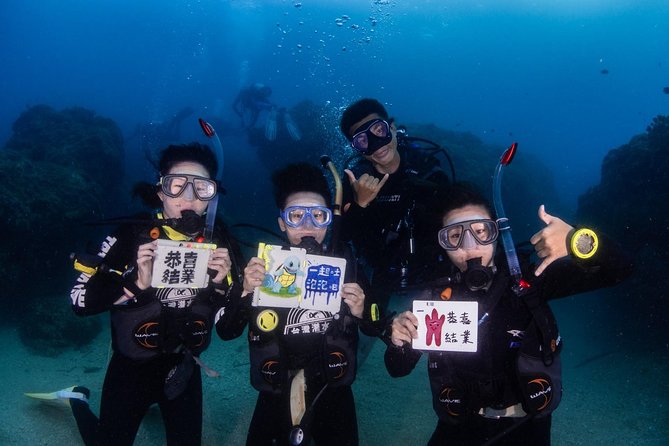
Kenting’s PADI Open Water course gives you three full days to learn the basics properly, not just a quick dip in the sea. You start in confined water, then move into four supervised sea sessions around Kenting National Park, reaching no deeper than 18 meters during training. Small classes and a 1:3 coach-to-student ratio make this a good fit if you want time to ask questions.
I like the practical setup, especially the Suunto ZOOP dive computers, buoyancy bags, lunch, insurance, and underwater camera. I also like that English teaching can be arranged, with instructors such as Alan, Octopus, Paul, Ryan, Caty, Japon, and Vincent associated with the teaching team.
The main drawback is the three-day commitment. The course is active and starts early, and the $83 price does not include accommodation. Weather can also change the schedule, so do not build a tight onward itinerary around the final session.
Key points to know before booking
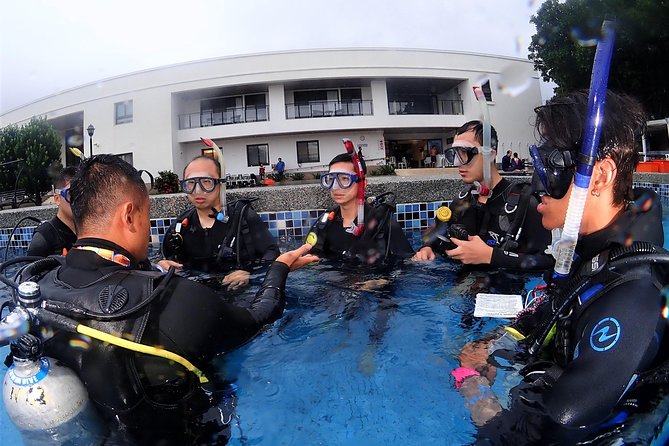
- Three days of progressive training: Confined-water practice comes first, followed by four sea sessions.
- 1:3 coach-to-student ratio: You get more direct attention than in a large class.
- English instruction available: Request an English-language course when booking.
- Training depth capped at 18 meters: This is a beginner qualification, not an advanced course.
- Lunch and scuba equipment included: You still need to bring a swimsuit and an ID photo.
- Underwater photos included in the course setup: The instructor carries a camera during the fourth sea session.
What this PADI course really teaches you
The PADI Open Water certificate is the standard starting point for recreational scuba. Once you complete the course, you can use the certification to rent equipment and tanks or hire guides for recreational trips in other parts of the world.
That certificate is useful, but it is not a guarantee that you are ready for every kind of sea condition. Your training reaches a maximum of 18 meters, while the recommended recreational limit after certification is 40 meters. I would treat the certificate as permission to keep building experience, not as the end of your education.
The course teaches basic underwater skills, equipment use, safety procedures, and how to manage yourself below the surface. You will also spend time discussing what happened during each session. That review matters. New participants often need help with buoyancy, breathing, ear pressure, and staying calm while handling equipment. A patient coach can make a bigger difference than a fancy boat or dramatic scenery.
More PADI Courses in the world
- Barcelona: PADI Discover Scuba Diving
★ 4.7 · 1,016 reviews - PADI Open Water Diver Course
★ 5.0 · 626 reviews - Tossa de Mar: PADI Discovery Scuba Diving in Costa Brava
★ 4.7 · 392 reviews
Day one: equipment, confined water, and the first skills
Your first morning begins with registration and equipment allocation. The published schedule allows time from 8:30 to 10:00 for forms and fitting equipment, though the meeting information gives an 8:00 start. Confirm the exact arrival time before you go.
Bring your swimsuit and an ID photo. An electronic file is acceptable, and there is no stated size limit. You should also arrive ready to spend most of the day in practical instruction rather than sightseeing.
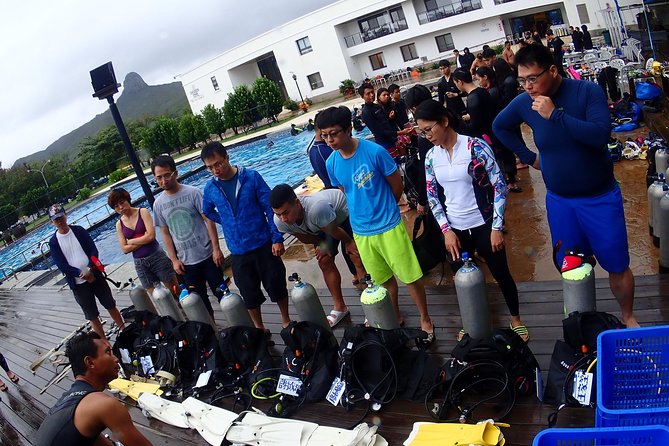
From 10:00 until noon, you work in confined water. After lunch, the session continues from 1:00 to 5:00. This is the least glamorous part of the course, but it is where the important habits form.
You will learn how to use the scuba equipment and practise basic movements under close supervision. The confined-water setting gives you room to stop, ask questions, and repeat a task without the added pressure of open sea conditions. That slow pace is one of the strongest reasons to choose this course over a rushed introductory session.
The instructors use Suunto ZOOP computer watches throughout the course. A computer gives you information about your underwater time and depth, helping you understand how recreational scuba is managed. You also use a buoyancy bag during the second open-water session. This adds a practical skill for later trips, when controlling your position in the water becomes central to comfort and safety.
Lunch is supplied each day. That sounds minor, but a full day in the water takes energy. Having lunch arranged means you do not need to leave the centre in search of food between sessions. It also keeps the day moving, although anyone with special dietary needs should confirm what is available before booking.
Day two: the first sea sessions around Kenting
Day two starts at 8:30. The morning includes one or two sea training sessions, running until noon. This is the point where classroom and confined-water practice meet real conditions.
The sea introduces variables that a controlled practice area cannot fully copy. You may need to adjust to visibility, movement in the water, and the feeling of managing your equipment in a larger setting. The course is designed to bring you into this stage gradually, rather than sending you straight into a demanding session.
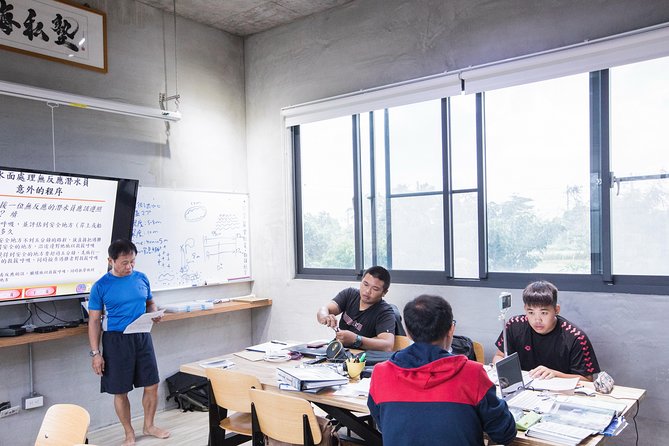
After lunch, from 1:30 to 5:00, you discuss the skills and review the day’s work. This afternoon block is not wasted time. It gives you a chance to identify what felt easy, what felt awkward, and what needs another attempt on day three.
The small class format matters most here. With a maximum ratio of one coach to three participants, your instructor has a better chance of seeing how you are moving and responding. If you struggle with a skill, you are less likely to be lost in a crowd. That does not remove the need to pay attention, but it gives you a better safety net.
Kenting National Park is the setting for the course. The available information does not promise a particular reef, fish species, or visibility level, so you should not book this solely for a specific underwater sight. The value is the structured training and the chance to learn in local sea conditions.
Day three: four sea sessions and the final certificate
The last day begins at 8:30 and includes the third and fourth sea sessions in the morning, from 8:30 until noon. These sessions give you more time to repeat the core skills and gain confidence in the water.
An underwater camera is used during the fourth session. That means you may leave with photographs of your first certified underwater experience, rather than relying entirely on memory. The camera is a pleasant extra, but it should not distract you from staying focused on your instructions and equipment.
Lunch follows from 12:00 to 1:30. The afternoon includes another skills discussion from 1:30 to 4:00. At 4:00, the course schedule allows time for the wall certificate and completion until 6:00.
The daily plan is subject to actual conditions. Sea state, weather, and training progress can affect the timing. Do not schedule a flight, long bus ride, or other fixed appointment immediately after the planned finish. A little flexibility is wise.
More scuba diving around the world
- Great Barrier Reef Snorkeling and Diving Cruise from Cairns
★ 4.5 · 3,714 reviews - First-Time Scuba Diving in Honolulu + Free Videos
★ 5.0 · 3,123 reviews - Oahu Shark Dive
★ 5.0 · 2,903 reviews - Southern Tenerife: 50-Minute Submarine Dive
★ 4.8 · 2,216 reviews
The teaching style and English option
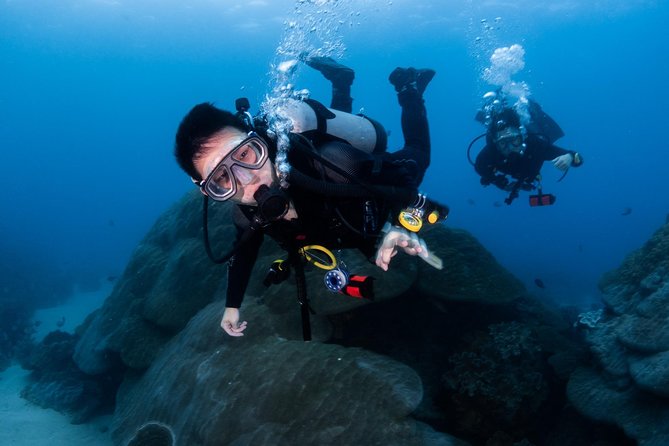
The course is built around small-group instruction, with a stated coach-to-student ratio of 1:3. That is especially helpful if you are nervous, have never used scuba equipment, or prefer to learn by repeating a movement several times.
English instruction can be arranged. Request it clearly when booking rather than assuming the assigned instructor will automatically teach in English. The teaching team has included coaches such as Alan, Octopus, Paul, Ryan, Caty, Japon, Vincent, Hank, PT, Rabbit, Fat, and Small Grade. Your exact instructor may depend on the date and availability.
The strongest pattern in the feedback is praise for patient, careful teaching. Names such as Paul, Alan, Octopus, Ryan, Caty, Japon, and Vincent are linked with clear instruction and supportive coaching. I would still judge the course by its structure rather than by a particular name, since staff assignments can change.
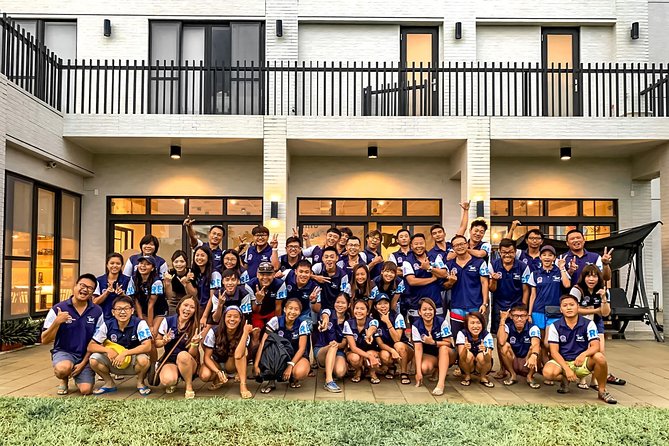
The centre also has a reputation for clean facilities and friendly staff. Some feedback refers to hostel rooms, breakfast, an audio room, evening food, and a pleasant place to relax. Those details may relate to accommodation at or near the centre, but lodging is not included in this course price. Ask directly if you want to stay there, and budget separately.
What the $83 price includes
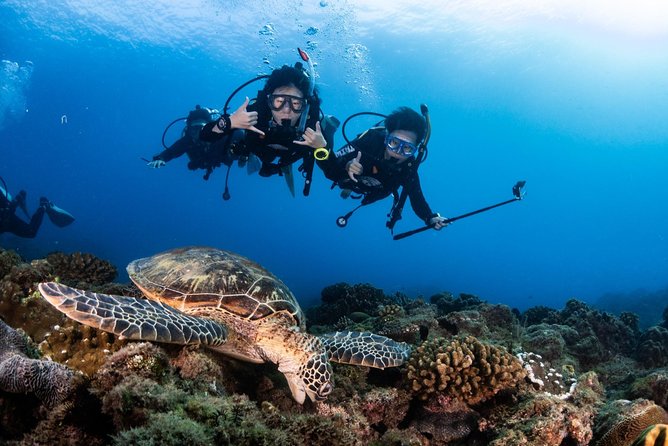
At $83, this is a strong value if you want an actual certification course rather than a single trial session. The price covers scuba equipment, diving insurance, and lunch during the course. It also includes the instruction and practical sessions needed for the PADI Open Water qualification.
You are getting three days of training, not simply a few hours in the water. The equipment package is important because buying or renting masks, tanks, buoyancy gear, and computers separately could quickly change the cost of a beginner course.
The included computer watch is another useful touch. You learn with the same kind of information you will use on later recreational trips, rather than treating your first session as a one-off attraction.
The price does not include accommodation. You also need to arrange your own transport to the Taiwan Dive Center in Hengchun. The meeting address is No. 55-60, Daguang Road, Hengchun Township, Pingtung County. The activity ends back at the meeting point.
The location is described as Kaohsiung in the booking information, but the actual meeting point is in Hengchun, in Pingtung County near Kenting. Check the map carefully before booking. These are not interchangeable bases for a quick morning outing.
Health, age, and what to bring
You must be at least 10 years old and in good health. If you have a medical condition, seek approval from your doctor before taking the course.
The stated health warnings include respiratory conditions involving the bronchi or chest, diabetes, epilepsy, recent illness or surgery within one month, and ear disease or ear surgery. These conditions do not automatically tell you whether you can take the course, but they do mean you should obtain medical clearance before arriving.
Bring:
- A swimsuit
- An ID photo, either printed or electronic
- Any medical approval you have been advised to obtain
- Enough personal items for a full day around the water
The centre supplies scuba equipment, so you do not need to purchase a personal kit for this course. You should still expect a physically active schedule. The course uses much of each day, and you may feel tired by the evening.
Who should book this experience
I would recommend this course to a first-time participant who wants a recognized qualification and can give three days to the process. It also suits friends who want to learn together, since the small groups allow everyone to work at a measured pace.
It is a good choice if you value instruction over speed. The schedule has long teaching blocks, repeated practice, afternoon discussions, and several supervised sea sessions. You will not simply arrive, put on equipment, and spend a few minutes below the surface.
It can also suit an English-speaking participant, provided you request English instruction in advance. The centre has experience arranging English teaching, but the request matters.
I would hesitate if your schedule allows only one afternoon, if you need accommodation included, or if you dislike changing plans around weather. This is a certification course, so it asks more of you than a casual sightseeing activity.
Practical booking advice
The course is confirmed at booking, and most people can participate if they meet the age and health requirements. The activity has a maximum group size of 20, although the more useful figure for your personal attention is the stated 1:3 coach ratio.
Weather is a real factor. If poor conditions force cancellation, you are offered another date or a full refund. The standard cancellation rule is strict: the experience is non-refundable and cannot be changed for personal reasons. Only book when you can protect all three days.
The schedule may also change because of actual sea conditions or training needs. Keep your final evening free if possible. You will have a better experience if you treat the course as the main event rather than trying to squeeze it between other Kenting plans.
Should you book the Kenting PADI course?
Book it if you want a serious first qualification, a small class, arranged English instruction, and a price that includes equipment, insurance, and lunch. The patient teaching style, Suunto computers, buoyancy practice, and underwater photographs give the course useful extras without turning it into a luxury product.
Skip it if you want a quick introduction, need accommodation bundled into the price, or cannot accept a weather-related schedule change. For a three-day beginner course in Kenting, though, the combination of close coaching and repeated sea practice makes this a sensible choice for building real confidence.
FAQ
How long is the PADI Open Water course?
The course lasts approximately three days. The schedule includes confined-water instruction on day one, sea sessions on days two and three, skills discussions, and certificate completion.
What is the maximum training depth?
The maximum depth during training is 18 meters. After certification, the recommended recreational limit is 40 meters.
Is English instruction available?
Yes. English teaching can be arranged. Request an English-language course when booking.
What age do I need to be?
You must be at least 10 years old.
What equipment is included?
Scuba equipment is included. The course also uses Suunto ZOOP computer watches and buoyancy bags during training.
Are meals included?
Lunch is provided during the course. Accommodation is not included.
Where does the course meet?
You meet at Taiwan Dive Center, No. 55-60, Daguang Road, Hengchun Township, Pingtung County, Taiwan 946. The activity ends at the same meeting point.
What should I bring?
Bring a swimsuit and an ID photo. An electronic ID photo is acceptable, and there is no stated size limit.
What happens if the weather is poor?
If poor weather causes cancellation, you can choose another date or receive a full refund. The normal cancellation policy is otherwise non-refundable and does not allow changes for personal reasons.
Newly logged dives around the world
- From Alanya: Scuba Diving Tour with Hotel Transfers★ 3.7 · 3 reviews
- Phu Quoc: Scuba Diving Experience for All Levels★ 4.9 · 31 reviews
- Moalboal : Scuba Diving Sardine Run and Turtle Chasing★ 5.0 · 2 reviews
- Scuba Diving in Colombo★ 5.0 · 2 reviews
- Scuba Diving in the Volcanic Caldera/shorelines of Santorini★ 4.6 · 5 reviews
- Fuerteventura: Introductory Dive in La Lajita with Pickup★ 4.9 · 68 reviews
- Kemer Scuba Diving with Expert Diving Option★ 4.2 · 45 reviews
- Phuket: Coral Reef Scuba Diving Experience at G Beach Club★ 4.9 · 32 reviews
PADI Courses & Certification, side by side.
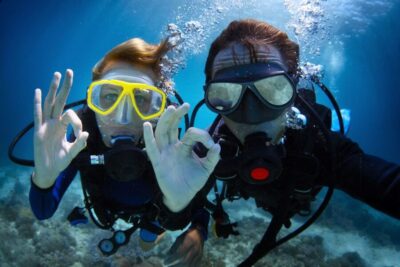
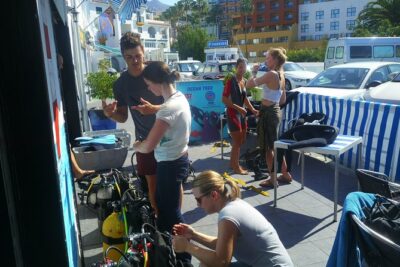
Tossa de Mar: PADI Discovery Scuba Diving in Costa Brava
Read our review →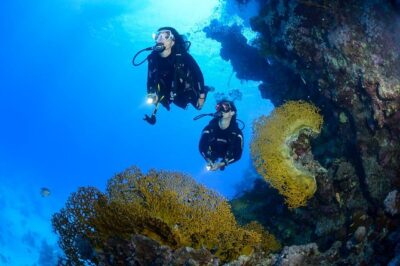
Full-Day Beginner Scuba Course with Private Tuition, Racha Yai
Read our review →
Heraklion: Beginner Scuba Diving Lesson with PADI Instructor
Read our review →
Discover Scuba Diving with No Certification in St Thomas
Read our review →
Try Dive – PADI Discover Scuba Diving in Tenerife
Read our review →
Lists this dive is on