Review · COZUMEL
Discover Scuba Diving
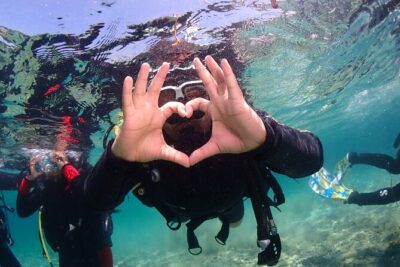
Cozumel makes a first scuba outing unusually easy: you learn the basics, practice in shallow water, then head onto a reef with a PADI instructor watching you closely. Guides such as Gael, Claudia, Renata, and Guillermo are praised for calm instruction, clear signals, and patience with children and nervous beginners.
I like the private group format, which keeps the lesson personal, and I like that all scuba and snorkeling equipment is included. The shore-based setting at Tikila Beach also means you avoid a long boat ride before finding out how comfortable you are underwater.
The main caution is simple: scuba can be harder than it looks. One group of four had only one person continue, and another participant lost valuable time after a late start and a problem with the weights. Arrive early, read the medical form carefully, and speak up the moment something feels wrong.
Key things to know before you book
- Your first underwater session happens under direct supervision: You do not need previous training or certification.
- The reef is reached from shore at Tikila Beach: This keeps the outing simple and limits time spent getting to the water.
- Instruction is the heart of the outing: Expect hand signals, equipment guidance, mask and regulator practice, and a careful introduction to breathing underwater.
- The typical underwater portion lasts about 40 to 45 minutes: Depths reported by participants range from roughly 20 to 40 feet.
- Snorkel gear remains available afterward: You can stay in the water and look around after the scuba portion.
- Cruise passengers need to plan the walk: The meeting point is at F2MH+GP in San Miguel de Cozumel, outside the main port area.
What this Cozumel scuba introduction is really like
This is not a certification course. It is a carefully supervised introduction for people who want to try scuba without committing to several days of lessons.
You begin at the Dive Boutique Cozumel meeting point in San Miguel. The activity lasts about two and a half hours, though the exact time in the water can vary with group readiness, weather, and the pace of instruction. Since this is a private activity, only your group participates, although a family or booking group may still have more than one instructor.
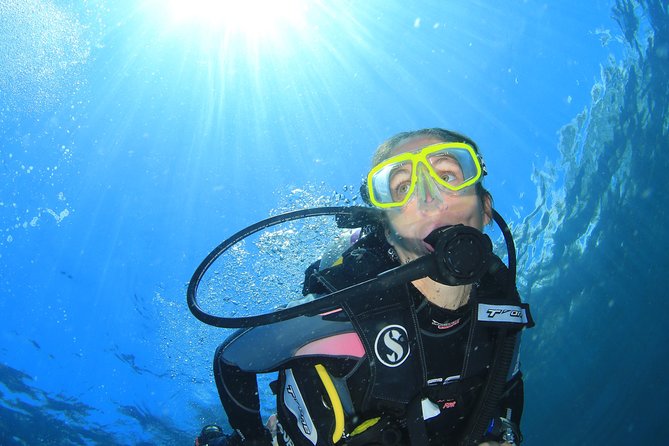
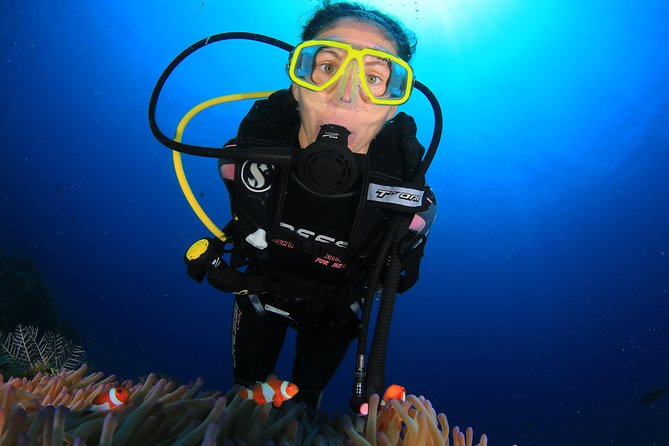
The first job is fitting equipment. Staff provide the scuba gear, mask, fins, buoyancy vest, tank, and related items needed for the session. Snorkeling equipment is included too. Several families found the staff helpful during sizing, which matters more than it sounds. An uncomfortable mask or poorly fitted fins can make your first minutes underwater needlessly stressful.
After the equipment fitting, your instructor explains how the system works and how to communicate below the surface. You should expect practical instruction rather than a quick safety speech. The training covers breathing through the regulator, clearing your ears, using hand signals, managing the mask, and replacing the mouthpiece if needed.
You will also learn how to clear water from your mask underwater and how to add or release air from the vest. These skills are not decorative extras. They are what let you stay calm when a little water enters the mask or your body position changes.
More Discover Scuba Diving in Cozumel
- Discover Scuba Diving in Cozumel Paradise Reef
★ 5.0 · 686 reviews - PADI Discover Scuba Diving Tour in Cozumel
★ 4.5 · 67 reviews - Discover Scuba Diving in Cozumel
★ 5.0 · 27 reviews
Meeting the instructors and learning at your pace
The strongest part of this outing is the human attention. Gael is repeatedly singled out for patience and clear instructions, especially with families and first-time participants. Claudia and Ramon helped make one birthday outing comfortable and fun, while Renata spent about 45 minutes explaining the details before entering the water.
Other instructors named by participants include Bruno, Pachi, Marcello, Bethany, Guillermo, and a French instructor whose name was not recorded. The important point is not to request a particular person unless the operator confirms availability. Instead, expect the instructor assigned to your group to lead the lesson and remain directly responsible for your safety.
A good instructor will not rush you from one skill to the next. If you are uneasy breathing through the regulator, you can use the shallow-water practice to settle your breathing before going farther. One family specifically appreciated that the instructor waited until everyone felt ready before continuing.
This patience is especially valuable for children and older first-timers. The minimum age is 10, and families with children ages 10, 12, 13, 14, and 17 all used the program. The activity can work well for a mixed-age family, but do not assume every child, teenager, or adult will be comfortable. Swimming ability and enthusiasm help, yet neither guarantees that scuba will feel natural on the first try.
From the beach to Cozumel’s reef
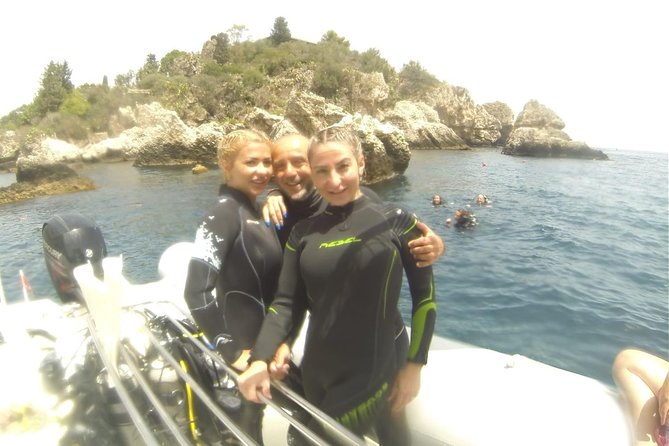
The water entry is from the shore at Tikila Beach. You begin in shallow water, where the instructor can check your mask, breathing, buoyancy, and comfort before leading you farther out.
That shore entry is one of the best features for a beginner. If you panic in deep water, the problem is harder to manage. Here, your first practice takes place close to land, where the instructor can focus on your technique and confidence.
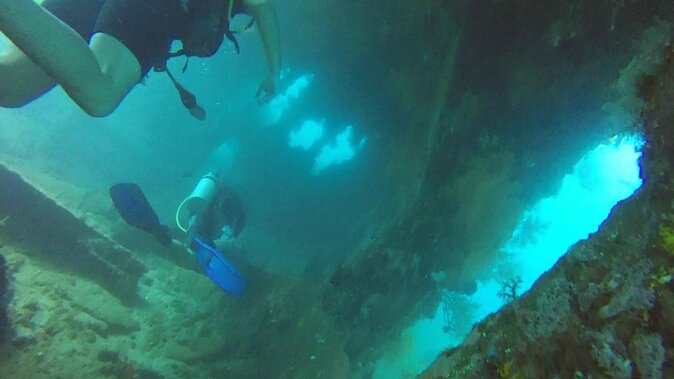
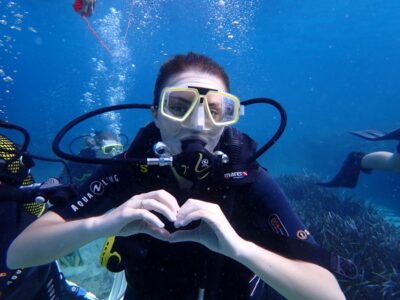
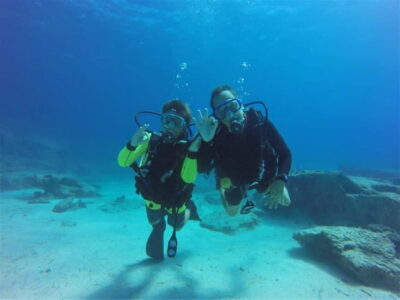
Once the group is ready, you move beyond the practice area to explore the reef. Reports describe underwater time of roughly 40 to 45 minutes, with depths ranging from about 20 to 40 feet. Your actual depth and route depend on conditions, your comfort, and the instructor’s judgment, so do not book this expecting a fixed route or a guaranteed animal sighting.
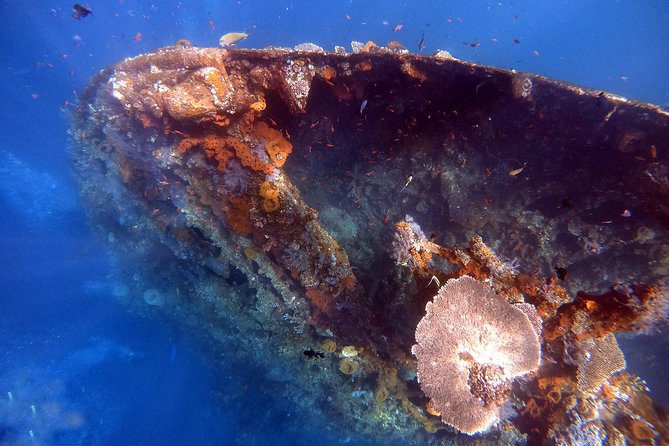
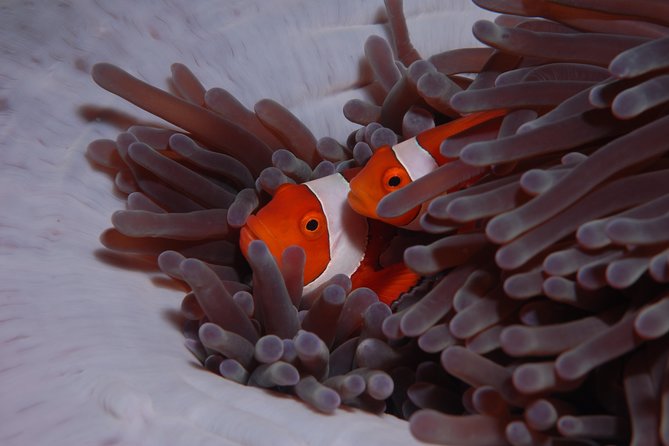
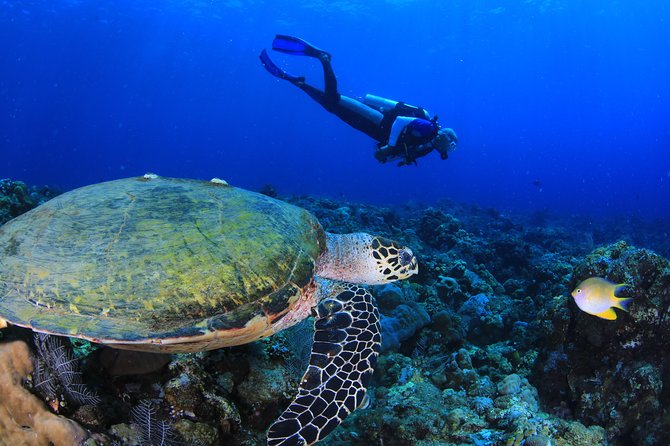
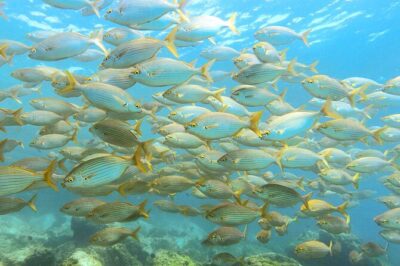
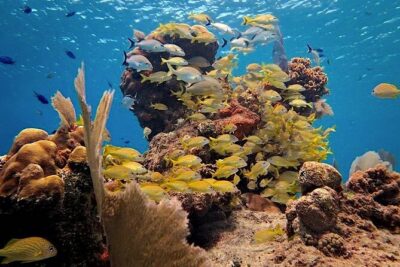
The marine life can be excellent. You might see parrot fish, angel fish, lobster, moray eels, squid, sea cucumbers, stingrays, and other reef creatures. One participant saw a very large spotted eagle ray, while another described an assortment of fish and coral along the route.
The reef is the payoff, but it is not the whole point. Your first session is also about learning to control your breathing, maintain your position, and communicate underwater. If you spend part of the outing concentrating on those basics, you have not missed the experience. You are learning the skills that make future scuba outings more enjoyable.
How long will you actually be underwater?
The advertised length is about two hours and 30 minutes. That includes arrival, paperwork, equipment fitting, instruction, practice, the reef session, and returning equipment.
Do not read that as two and a half hours underwater. The actual reef portion has been about 40 to 45 minutes for several groups, while the training and preparation can take close to an hour. One participant had only about 40 minutes underwater after a late start and felt shortchanged, while other groups described a longer session that matched their expectations.
This is why arriving on time matters. One cruise group was delayed by about 30 minutes and received flexibility after messaging the shop. You should not count on that kindness, particularly if the delay comes from a ship schedule or a slow taxi ride.
Arrive with enough time to complete the medical statement and get fitted. If you receive online training material before the outing, finish it before leaving home. One family had to complete the PADI material at the shop because the link arrived shortly before departure and they were already traveling without reliable service.
More Discover Scuba Diving in Mexico
- Cozumel: Discover Scuba Diving for Non-Certified Divers
★ 5.0 · 3 reviews - Cozumel: Discover Scuba Diving
★ 5.0 · 3 reviews - Discover Scuba Diving & Beach Club with Transportation In Riviera Maya
★ 5.0 · 239 reviews - Discover Scuba Diving in Tulum
★ 5.0 · 111 reviews
The value of $95 per person
At $95, this is a reasonable way to test scuba without paying for a full certification program. The cost includes the necessary equipment, instruction, and a supervised underwater session. You also get access to snorkeling gear afterward.
The value is strongest if you are on a cruise or have only a short stay in Cozumel. A first attempt through a shore-based program lets you find out if you enjoy scuba before spending more on certification, equipment, and future boat outings.
The price does not appear to include underwater photographs or video. A photographer at the shop offered those services to some groups for an additional fee. Uncertified participants may not be allowed to carry their own camera, so ask about the photo option before entering the water if having a record matters to you.
For a family, the total price can add up quickly. Still, the private format and personal instruction make this a better value than a rushed mass lesson, especially if you have children or a nervous beginner in your group. The most important value is not the number of reef animals you see. It is having an instructor who can slow the lesson down and help you decide if scuba is for you.
Planning the walk from the cruise port
The meeting point is F2MH+GP in San Miguel de Cozumel, and the activity ends there. Cruise passengers should study the directions carefully because the shop and the water entry are not necessarily the same place in the way a first-time visitor might expect.
Some cruise passengers found the shop about two walking blocks from outside the Royal Caribbean port. Another family estimated a walk of about 15 minutes from the port area. Those descriptions can both be useful depending on the pier, exit, and exact route, but you should allow extra time rather than cutting it close.
A taxi is another option. If your ship arrives at Langosta Pier, the meeting point can be reached by cab. Send a message to the operator if your ship is delayed, but treat that as a courtesy rather than a guarantee.
The activity is offered in English. Public transportation is nearby, and service animals are allowed. Most people can participate, but everyone must complete the required medical statement. A yes answer may require clearance from a medical doctor, so do not wait until the morning of the outing to discover that your health history needs additional approval.
What can go wrong, and how to avoid it
The most useful criticism concerns timing and buoyancy control. One participant arrived early but still began late because other people were delayed and an instructor had to return for forgotten equipment. That left less time underwater.
You can reduce the risk by arriving early, confirming the meeting point, and sending a message if you are delayed. If your ship has a tight return schedule, leave a generous cushion after the planned finish.
The same participant felt there were too many weights in the buoyancy system and struggled to stay off the bottom. This should be addressed immediately. If you are sinking, floating too high, or constantly adding air, tell the instructor and ask for a check before moving into deeper water.
Do not try to be agreeable when you are uncomfortable. A calm, direct conversation about the mask, breathing, ears, weights, or buoyancy can protect both your safety and your enjoyment. The best instructors will want that information.
Finally, understand that not everyone finishes the session. One family of four had only one person able to continue, despite the instructor’s patience. That is not a failure. Scuba places unusual demands on breathing and comfort, and it is sensible to stop if your body or mind says no.
Snorkeling after the scuba session
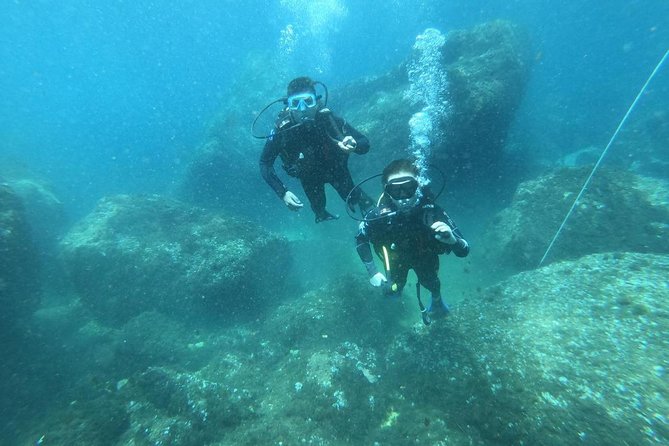
After you complete the supervised scuba portion, you may use the snorkeling equipment to enjoy the clear water before leaving for your next activity.
This is a nice extra for families with mixed interests. Someone who decides not to continue with scuba may still be able to sit near the water or snorkel, depending on their comfort and the operator’s guidance. A family also described an older relative watching from the shore while the rest of the group went into the water.
The snorkeling option also helps you make better use of the visit. If the scuba session feels short because instruction takes time, you can continue seeing the shoreline from above the surface rather than packing up immediately.
Who should book this activity?
I would choose this for a first-time scuba attempt, particularly if you are traveling with family members ages 10 and up. It suits people who want a controlled introduction, direct instructor attention, and a chance to see Cozumel’s reef without first completing a full certification.
It is also a good fit for cruise passengers who want a shore-based activity near San Miguel. The short travel time to the meeting point is useful, but the walking directions deserve careful attention.
I would think twice if your schedule is tight, if you expect a guaranteed long underwater session, or if you are uncomfortable completing the medical requirements. It is also not ideal for someone who wants a fully independent scuba outing. This is a supervised beginner session, not a chance to explore alone.
The activity has a 5 out of 5 rating from 139 reviews and is recommended by 99 percent of customers. Those numbers match the main pattern here: patient instructors, clean and included equipment, and a strong family focus. They do not remove the need to prepare or accept that scuba may not suit everyone.
FAQ
Do I need previous scuba training?
No. The activity is designed for beginners and does not require previous scuba training or experience. You will learn the basics and complete the underwater session under the direct supervision of a PADI instructor.
What is the minimum age?
The minimum age is 10. Children and teenagers have participated, but each person must be comfortable following instructions and completing the required medical statement.
What equipment is included?
All necessary scuba and snorkeling equipment is included. After the scuba session, you may use the snorkeling equipment before leaving for your next activity.
Where does the activity meet?
The meeting point is F2MH+GP, San Miguel de Cozumel, Quintana Roo, Mexico. The activity ends back at the meeting point.
Do I need to complete a medical form?
Yes. Every participant must complete the required Medical Statement. If you answer yes to a question, you may need clearance from a medical doctor before taking part.
Can I cancel for a full refund?
Yes, if you cancel at least 24 hours before the experience start time. Cancellations or changes made within 24 hours are not accepted for a refund. If poor weather causes the operator to cancel, you will be offered another date or a full refund.
Should you book it?
Book it if you want a patient, shore-based first taste of scuba and you are willing to give the instruction its proper time. The strongest reasons are the small private format, included equipment, careful beginner training, and easy access to Cozumel’s reef from Tikila Beach.
Before booking, make sure your group understands that scuba can feel demanding at first. Arrive early, complete the paperwork and online training, allow extra time from the cruise port, and ask about photo costs if you want underwater pictures.
For $95, this is a sensible introduction to Cozumel’s underwater world. Just treat it as a learning session with a reef reward, not as a guaranteed marathon underwater.
Newly logged dives around Cozumel
- Puerto Morelos: Scuba Diving for Beginners – 2 Dives★ 5.0 · 5 reviews
- From Cozumel: Double Tank Scuba Diving for Certified Divers★ 5.0 · 6 reviews
- From Cozumel: Chankanaab Cozumel Scuba Diving★ 4.9 · 20 reviews
- Cozumel: Discover Scuba Diving for Non-Certified Divers★ 5.0 · 3 reviews
- Cozumel: Discover Scuba Diving★ 5.0 · 3 reviews
- Cozumel: SeaTrek Underwater Helmet Diving Experience★ 4.9 · 11 reviews
- Discover Scuba Diving in Cozumel★ 5.0 · 27 reviews
- PADI Discover Scuba Diving Tour in Cozumel★ 4.5 · 67 reviews
Discover Scuba Diving, side by side.
Cyprus: Introductory Scuba Lesson and Dive with Transfer
Read our review →