
Review · ITALY
Napoli: Dive or Discover Scuba Diving in the Park of Baia
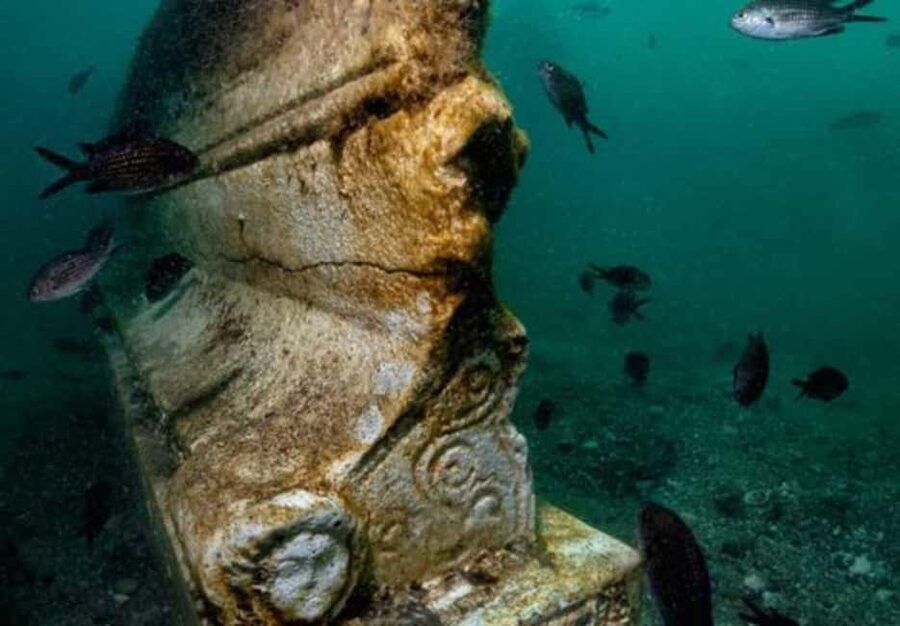
Baia’s Roman ruins are not behind glass or roped off on dry land. They rest beneath the sea, where volcanic ground movement slowly lowered ancient villas about four meters below the surface. You learn the basics, board a small boat, and explore this quiet underwater city with an instructor close beside you.
I like two things right away: the small groups of up to four and the gentle support for first-time scuba participants. Instructors such as Andrea, Camilla, Alessandro, and Carlo have earned praise for calm explanations, clear English, and patient help with equipment. I also like that the $53 price includes the boat, full equipment, insurance, instruction, showers, and refreshments.
The main consideration is time. Your underwater visit lasts about 45 minutes, and you see only one of Baia Park’s several routes. The water, weather, medical form, and your comfort with breathing underwater can all shape the day, so this is best treated as a first taste rather than a full archaeological tour.
Key Points at a Glance
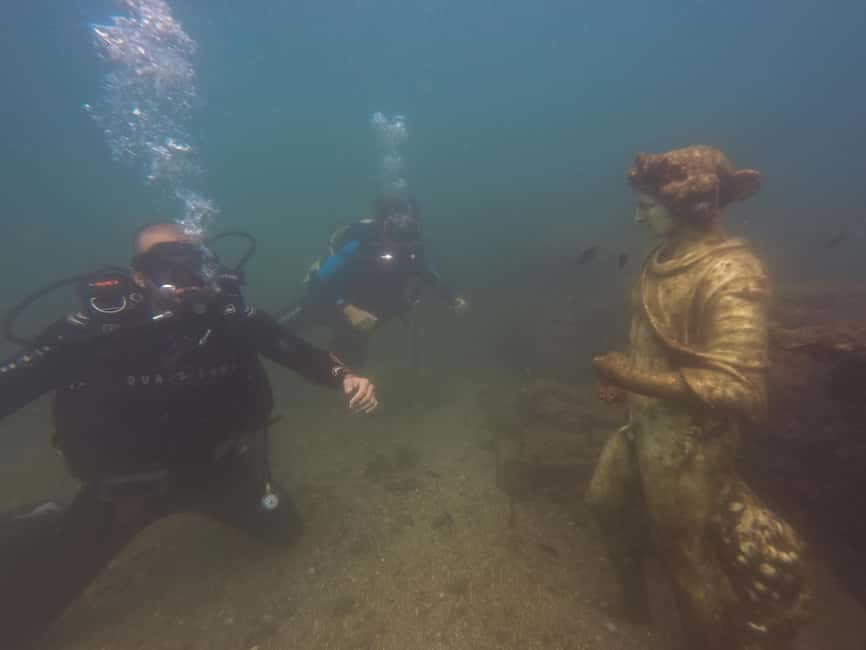
- Roman villas four meters underwater: See mosaics, marble floors, statues, and ancient structures preserved beneath Baia’s sea.
- Built for first-time participants: No scuba license is required, and the minimum age is 10.
- Small groups matter: A maximum of four participants allows close help from your instructor.
- About 45 minutes below the surface: The underwater visit follows one route selected by the archaeological park.
- $53 covers the essentials: Instruction, e-learning, equipment, tank refill, insurance, boat transport, and post-activity refreshments are included.
- Easy to add to a Naples trip: The center is at Via Lucullo 110, near the Temple of Venus and the entrance to Baia pier.
Why Baia’s Sunken City Is Worth Seeing
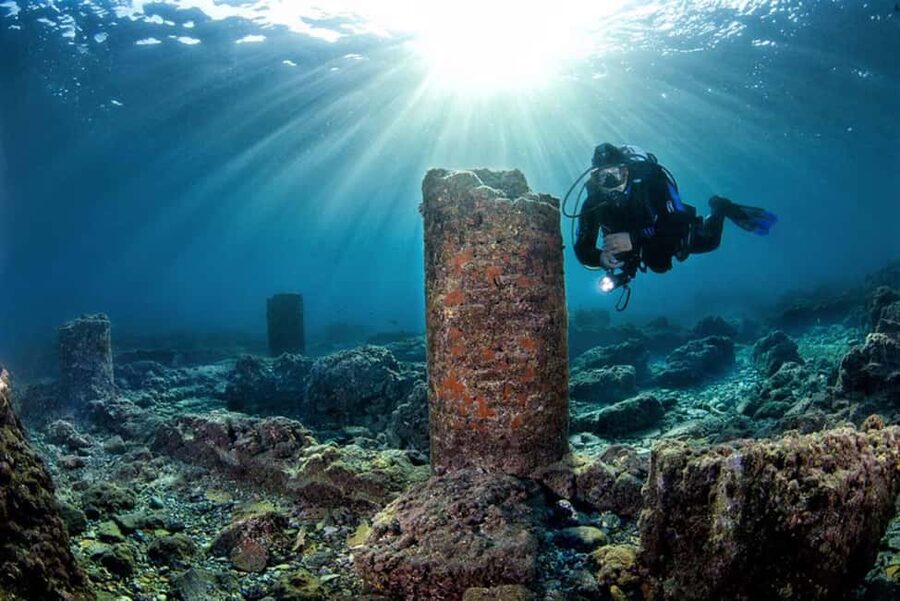
Baia was a Roman resort town where emperors and senators came for luxury, leisure, and seaside villas. The area sat within the Phlegraean Fields, a volcanic zone still shaped by slow movement beneath the ground.
That movement is called bradyseism. Over many years, the land gradually sank, leaving Roman buildings that once stood near the shore beneath the water. The villas are now preserved in an unusual setting: sunlight filters down over mosaic floors, fish move through broken structures, and plants grow across parts of the old stonework.
This is not simply a swimming session with some ruins nearby. The underwater setting changes how you see the archaeology. A marble floor is no longer just a flat surface in a museum. It becomes part of a silent street or villa, viewed while you float above it and hear only your own breathing.
The marine life adds another layer. You might see fish moving around statues, bowls, and fragments of architecture. One especially memorable scene described by a participant involved an orange-striped fish swimming into a statue’s bowl before moving away. Encounters like that are part of the appeal, but the main focus remains the ancient city.
More Discover Scuba Diving in Italy
- Exciting PADI Discover Scuba Diving Experience Isola Bella Marine Park Taormina
★ 5.0 · 96 reviews - Sea Baptism Scuba Experience in Polignano a Mare
★ 5.0 · 87 reviews - Try Scuba Diving and Underwater Roman Ruins in Baia from Naples
★ 4.5 · 66 reviews
Starting at Via Lucullo 110
You meet at the Sea World Diving Baia center at Via Lucullo 110, near the Temple of Venus and the entrance to the Baia pier. Look for the PADI flags around the center.
Plan your route before the day begins. The center is reachable by bus, with a stop directly in front and a ticket costing about €2.50. You can also arrive by train, followed by a walk of about 15 minutes, or take a taxi from Naples, which is estimated at roughly €70.
Transport to the center is not included, so this is an important cost and timing detail. If you are staying in Naples, the bus or train is likely the more practical choice. A taxi may suit you if you have heavy luggage, limited time, or a group sharing the fare.
The meeting point is close to the pier, which keeps the day simple once you arrive. You should bring swimwear, a towel, sunscreen, a sun hat, and clean clothes for afterward. The center provides showers and changing rooms, so you do not need to return to your accommodation wet and salty.
The First Hour: Medical Form and Scuba Basics
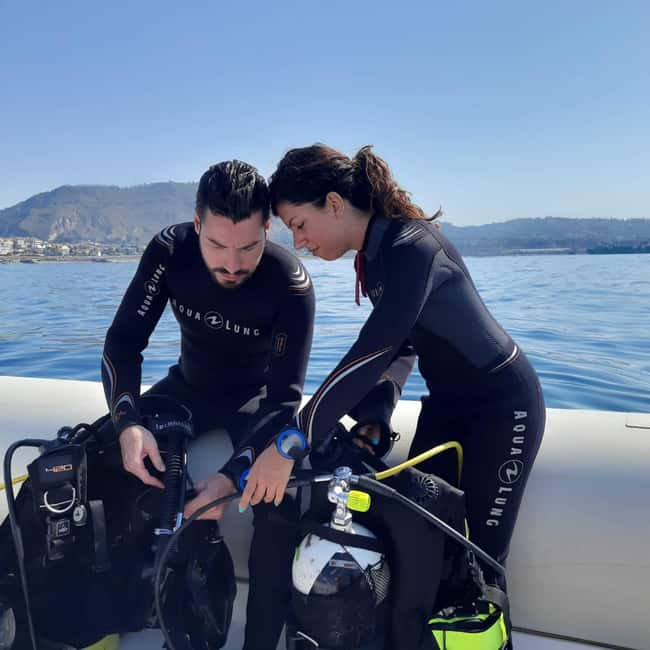
Before the practical session, you receive access to a short online lesson. It remains available to you after the activity, which is useful if you want to review the basics or continue toward a PADI Open Water Diver course.
You also complete a medical form. Most people will not need additional paperwork, but the answers can show that a medical examination is required. Complete the form promptly after booking so you do not discover a problem at the last minute.
At the center, an instructor gives you a short in-person lesson. You learn what the equipment does, how to behave in the water, and the basic habits that help you stay safe and relaxed. The aim is not to turn you into an expert in one morning. It is to give you enough understanding to breathe comfortably, follow instructions, and enjoy the site.
That calm preparation matters. First-time scuba participants often need time to adjust to the sensation of breathing through a regulator. The instructors have been praised for explaining each step clearly, helping with equipment, and staying patient when someone feels nervous.
The minimum age is 10, but children under 10 cannot participate. Pregnant women are also not permitted. Alcohol and drugs are not allowed, and touching marine life is prohibited.
Taking the Boat to Baia Park
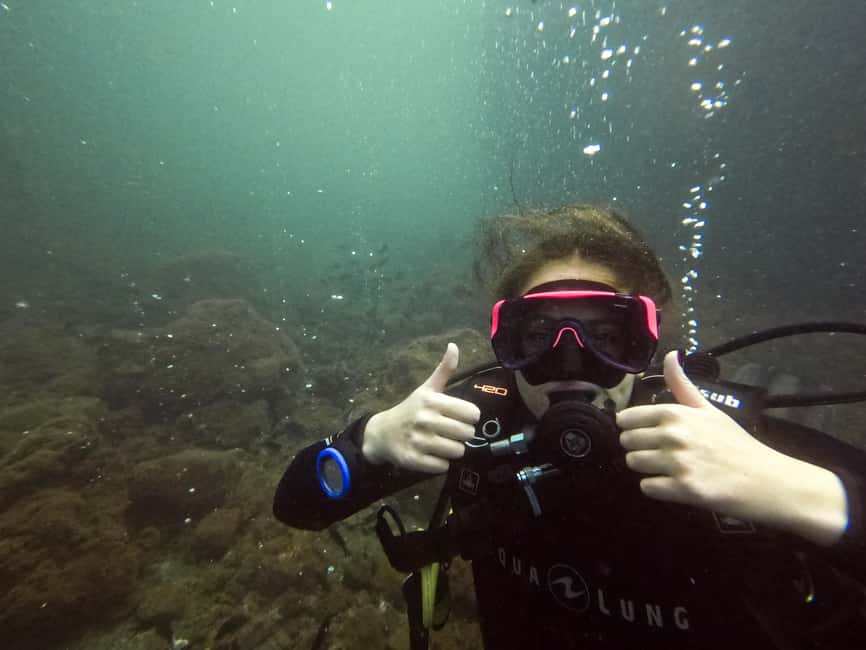
Once the group is ready, you travel by boat to the Submerged Archaeological Park of Baia. The boat transfer is included in the price and provides a natural break between the lesson and the underwater visit.
Baia Park has several visit routes, each lasting about an hour. You see one route during this activity, not the entire park. If you have a preference for certain ruins or features, tell the staff in advance. They will try to arrange the route, but the final plan can change due to weather and conditions at sea.
This flexible arrangement is worth understanding. You are not buying a fixed museum-style tour with every monument guaranteed. You are entering an active marine archaeological area, so safety and conditions come first.
The visible coastline also helps place the ruins in context. Structures that are underwater today once belonged to a Roman resort community built around the shore. The site makes the area’s volcanic story easy to grasp without a long lecture.
Same water, a different dive:
- Polignano a Mare boat tour emotions, caves, diving and appetizers
★ 5.0 · 1,022 reviews - Catania: Gulf Scuba Diving Tour with Marine Biologist
★ 4.9 · 212 reviews - Diving for patented divers
★ 5.0 · 175 reviews - Diving for certified divers with PADI 5* Diving Resort – Taormina
★ 5.0 · 167 reviews
Forty-Five Minutes Among Mosaics and Marine Life
The underwater visit lasts about 45 minutes. During that time, your instructor stays beside you and, for first-time participants, may hold your hand to provide support. That close guidance is one of the strongest reasons to choose this activity if you have never used scuba equipment.
You follow one of the park’s prepared routes. Along the way, you may see ancient mosaics, marble floors, statues, and other remains of Roman villas and structures. The ruins have been preserved by the sea, but they are not presented as perfectly intact buildings. Expect fragments, partial statues, floor patterns, and walls softened by time and water.
The experience works best if you are comfortable moving slowly. You are not rushing from one monument to the next. You pause, look, listen to your breathing, and allow the instructor to point out features. The underwater silence is part of the attraction.
Marine life shares the site with the archaeology. Fish move through the ruins, and thin plants can cover some surfaces. That mixture of ancient construction and living sea life gives the visit its character. You are seeing a Roman city as an underwater habitat, not just as a set of abandoned stones.
Visibility and weather can affect the visit. The supplied information does not promise a particular water temperature or level of visibility, so pack for a marine activity and keep your expectations flexible. The plan may change if meteorological conditions make the scheduled route unsuitable.
Returning to the Center
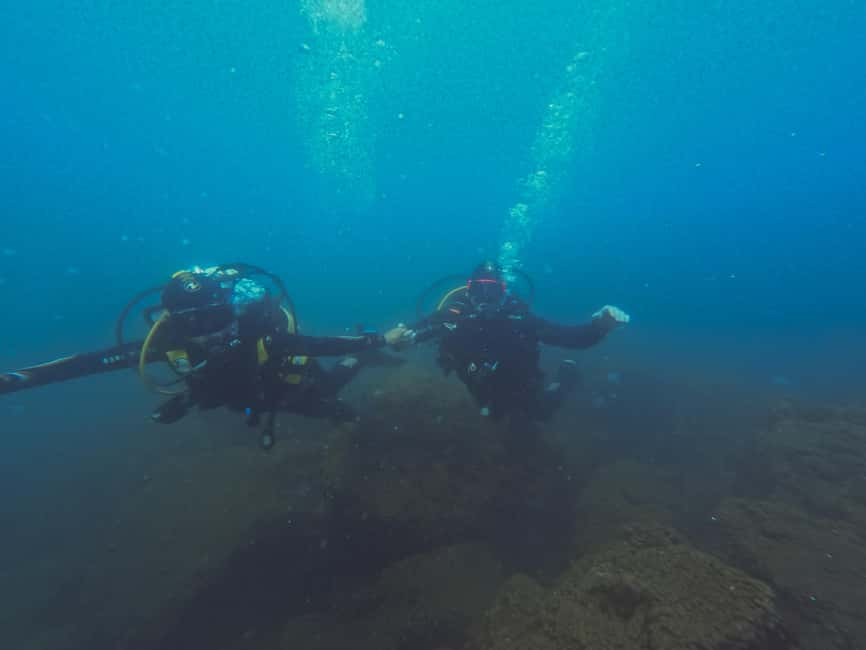
After the underwater session, the boat returns you to the diving center. You can use the showers and changing rooms, then have post-activity refreshments.
The schedule allows roughly an hour for the class, an hour for the archaeological visit, and an hour for a break or return arrangements. In practice, plan on three to four hours from start to finish. Starting times vary, so check availability when booking.
The experience includes a participation certificate. For a Discover Scuba participant, it counts as the first dive of a PADI Open Water Diver course, and the record can be recognized by PADI centers beyond this operator. It does not make you a certified diver, but it can give you a useful first step if you decide to continue training.
If you want lunch afterward, the center can arrange a meal at a partner restaurant for €35 per person. The menu includes ten appetizer tastings, a first course, a second course, wine, water, and dessert. This is optional and separate from the $53 activity price.
What the $53 Price Really Includes
At $53 per person, this is a strong value if you need the full first-timer package. You receive the e-learning lesson, classroom instruction, equipment rental, tank refill, personal medical insurance, boat transport, a personal instructor, changing facilities, a certificate, and refreshments.
The price is especially fair for visitors who do not own equipment. Buying or renting each piece separately would complicate a short holiday activity, while the included instructor keeps the experience accessible to beginners.
The price does not include transportation to Baia. Add the cost of a bus, train connection, or taxi when comparing this with activities based in central Naples. Entrance to other archaeological sites seen from a distance is also separate, with costs of about €5 for places such as Baia Castle or the Baths of Baia.
The Temple of Venus can be viewed from outside, but it is currently closed to public visits. Do not expect this activity to include a general admission ticket for every nearby ruin.
Free cancellation is available up to 24 hours before the scheduled time, and you can reserve now and pay later. Those terms help if your Naples plans are still moving around, though weather can still affect the schedule.
Who Will Enjoy This Most
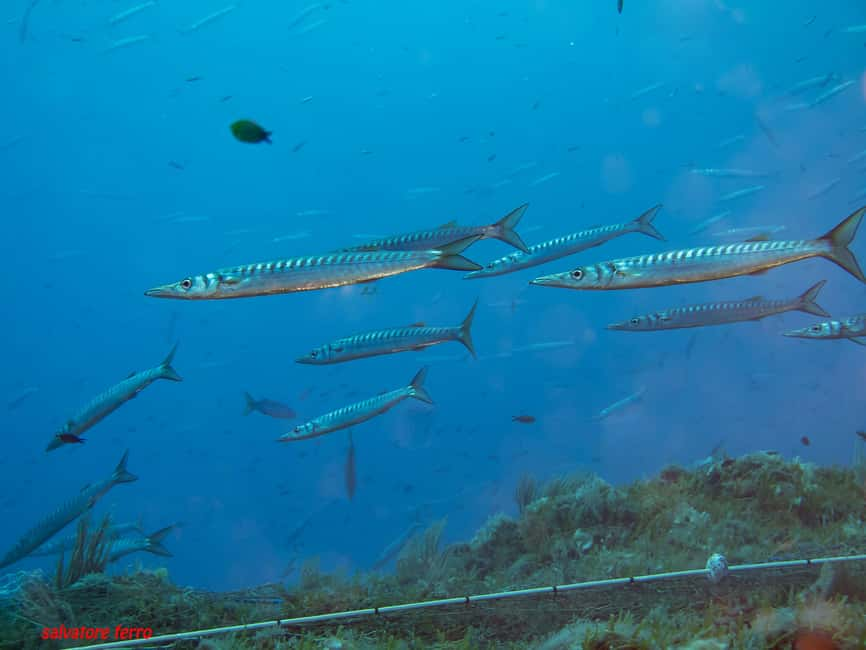
This is a good match for you if you are curious about scuba but do not yet hold a license. The instructors keep close to first-time participants, and the small group limit makes it easier to ask questions or request a slower pace.
It also suits certified divers who want a guided visit to Baia’s underwater ruins. Be careful when booking, though. The Discover Scuba option is for people without certification, while certified participants should choose the separate option for licensed divers.
Families can consider it for children aged 10 and older, provided the child meets the program requirements and feels ready for the water. The activity is listed as wheelchair accessible, but you should still discuss your specific needs with the center before arrival.
This is less suitable if you want a long archaeological excursion, a full day on the water, or a guaranteed view of every major monument. The underwater route lasts about 45 minutes, and only one of the park’s routes is visited.
Guides, Languages, and Personal Support
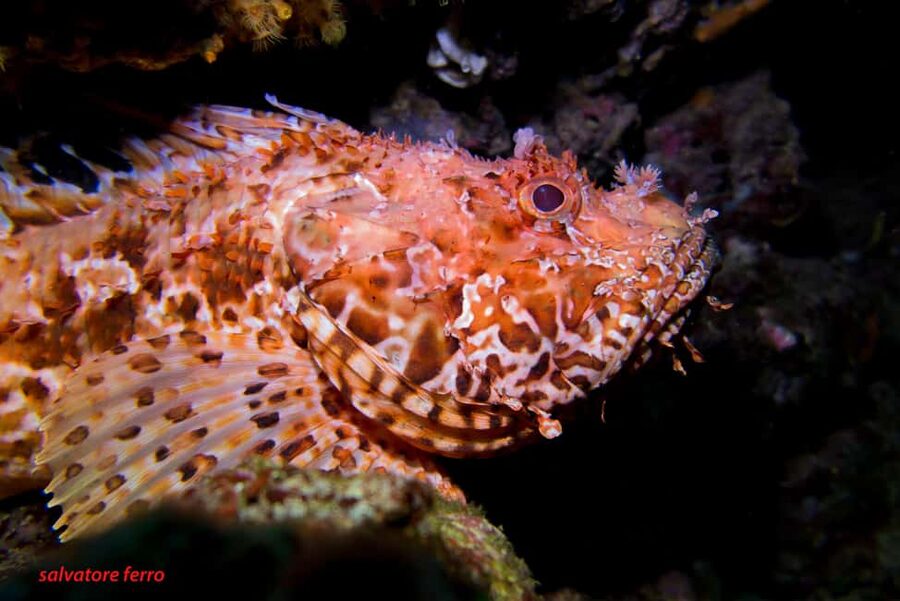
Instruction is available in English, Italian, and Spanish. English-speaking participants have had smooth communication with the staff, including during equipment setup and underwater explanations.
Andrea is particularly associated with calm, patient instruction for first-time participants. Camilla has been praised for taking extra time to explain both history and technique, including helping with transport arrangements when someone was running late. Alessandro has been involved in guiding and boat support, while Carlo has also led sessions.
Names and staff assignments can change, so you should not book expecting one specific instructor. Still, the pattern is clear: patient instruction and personal attention are central to the experience.
The maximum group size of four is a real advantage. It reduces waiting and gives the instructor more time to watch each participant. That matters more here than it would on a simple boat ride because comfort and breathing control can affect the whole session.
Should You Book the Baia Underwater Ruins Experience?
Book it if you want a rare mix of Roman archaeology, marine life, and a gentle first scuba session. The $53 price covers nearly everything you need, and the personal guidance makes the experience approachable even if you feel unsure at first.
You should skip it if you dislike being in the water, need a fixed archaeological route, or want a much longer underwater visit. Also allow extra time and money for reaching Baia from Naples.
For the right person, this is an unusually memorable way to see Roman history. You do not just look at a mosaic or statue. You watch fish pass over it while an instructor helps you take your first breaths below the surface. That combination is what makes this small-group experience worth considering.
FAQ
Is a scuba license required?
No. The Discover Scuba program is designed as a first try and does not require certification. Certified divers should choose the separate option for certified participants.
What is the minimum age?
The minimum age is 10. Children under 10 cannot take part.
How long does the experience last?
The activity takes about three to four hours overall. The underwater visit lasts approximately 45 minutes.
What languages are available?
Instruction is available in English, Italian, and Spanish.
What does the $53 price include?
It includes online learning, an in-person lesson, full scuba equipment, tank refill, personal medical insurance, an instructor, boat transport, showers, changing rooms, a participation certificate, and post-activity refreshments.
Where do I meet the group?
You meet at the diving center at Via Lucullo 110, near the Temple of Venus and the entrance to the Baia pier. PADI flags mark the center.
How do I reach the diving center from Naples?
You can take a bus, with a stop directly in front of the center, or arrive by train and walk about 15 minutes. A taxi from Naples costs roughly €70.
What should I bring?
Bring swimwear, a towel, a sun hat, sunscreen, and clean clothes for afterward. The center supplies the scuba equipment.
Can I choose which ruins I see?
Baia Park has several visit routes, and the activity visits one route at a time. You can share your preference with the staff, who will try to accommodate it. Weather and sea conditions may require a change.
Can I cancel the booking?
You can cancel up to 24 hours in advance for a full refund. You can also reserve now and pay later.
Newly logged dives around Italy
- Scuba Diving Experience in Porto Cesareo★ 4.3 · 10 reviews
- Sardinia, La Maddalena Archipelago: First Dive Experience★ 5.0 · 5 reviews
- San Domino, Tremiti: try scuba, first diving experience★ 5.0 · 4 reviews
- Polignano a Mare: Scuba Experience with certification★ 5.0 · 4 reviews
- Marina di Campo: Try diving on the island of Elba★ 4.4 · 9 reviews
- Baptism of the Sea Scuba Experience in Polignano a Mare★ 4.9 · 13 reviews
- Cagliari: horseback riding with sunrise dive★ 4.5 · 2 reviews
- Cagliari: Discover scuba diving for Beginners★ 5.0 · 8 reviews
Discover Scuba Diving, side by side.
Cyprus: Introductory Scuba Lesson and Dive with Transfer
Read our review →
Half-Day Scuba Diving Tour – Discover Scuba Diving!
Read our review →Lists this dive is on