Review · LANZAROTE
Lanzarote: Try Scuba Diving – Atlantic Museum (no-certified)
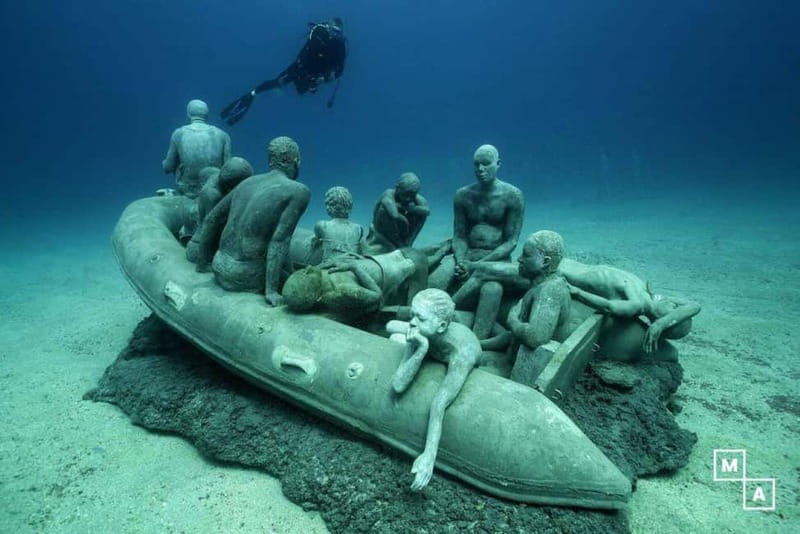
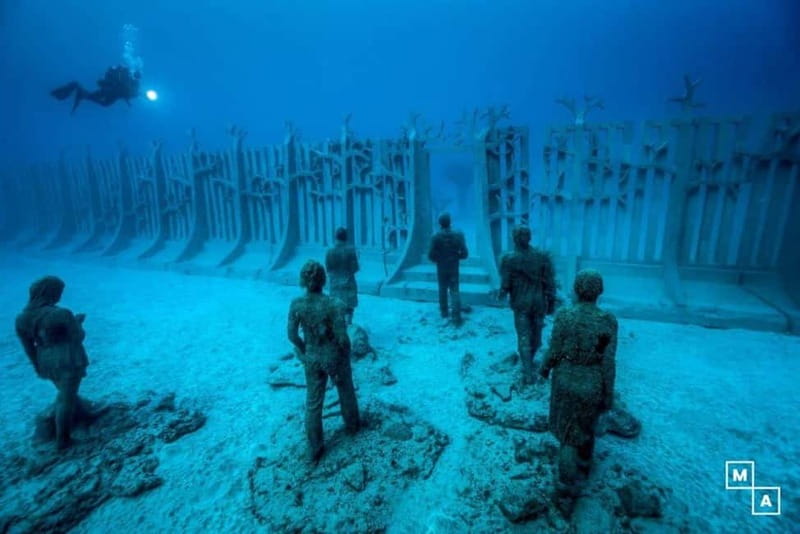
The star of this seven-hour outing is Lanzarote’s Atlantic Museum, where sculptures sit below the sea rather than behind glass. You first learn the basics in the calm, confined waters of Flamingo Beach, then use those skills to visit the underwater collection with a professional instructor.
I like the gradual format: two practice sessions at the beach give you time to get comfortable, and the small beginner setup can mean one instructor for one or two people. I also like that insurance, gear, water, and a snack are included. The main drawback is simple: you must be able to swim, and this is not suitable for people with heart problems.
Key points to know before booking
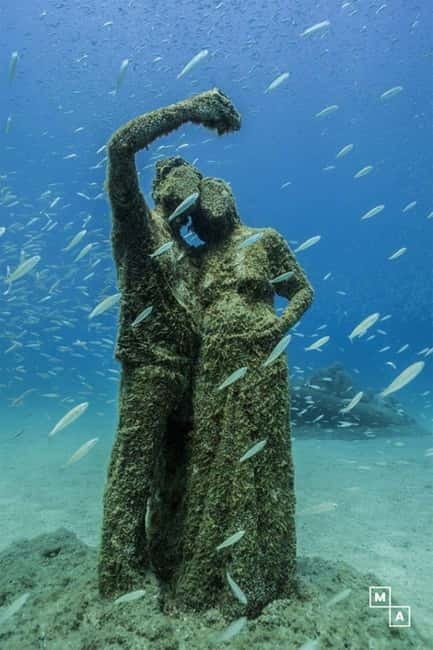
- The Atlantic Museum is the main event: You visit an underwater sculpture collection with an instructor after practicing basic skills.
- Flamingo Beach comes first: Two sessions in confined water help you work on buoyancy, breathing, and basic control.
- Personal attention is a strong feature: The beginner groups may be as small as one instructor for one person or two people.
- The day lasts seven hours: This is a full activity, not a quick introductory session squeezed between beach plans.
- Useful extras are included: Equipment, insurance, water, and a snack are part of the price.
- Swimming ability is required: Non-swimmers and people with heart problems should not book.
Why the Atlantic Museum makes this more than a first lesson
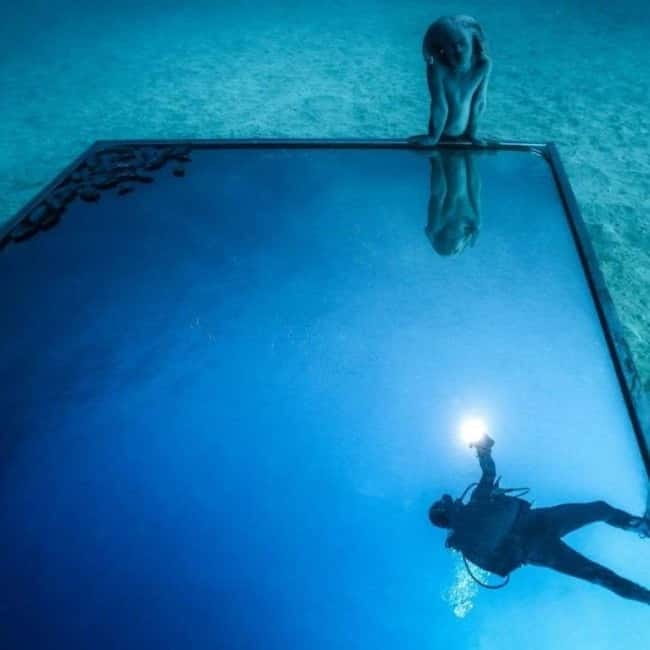
Many first-time scuba outings focus only on the mechanics of breathing underwater. This one gives you a clear reason to keep learning: the chance to visit the Atlantic Museum off Lanzarote’s coast.
The museum is not a conventional indoor collection. Its sculptures are placed underwater, so your visit combines basic scuba practice with an unusual art experience. You are not simply swimming around for a few minutes. You are learning how to move safely, then using those skills to see something that cannot be reached from land.
That order matters. The museum session comes after practice at Flamingo Beach, not before. For a beginner, this is a sensible arrangement. You get time to become familiar with the equipment and the feeling of breathing underwater before the more memorable part of the day.
Your instructor remains with you throughout the activity. The tour is offered in Spanish and English, which is useful when instructions involve breathing, buoyancy, equipment, and safety. Those details are easier to manage when explanations are clear and immediate.
More Discover Scuba Diving in Lanzarote
- Lanzarote Introductory Scuba Diving Experience
★ 5.0 · 766 reviews - Try Scuba Diving with 2 Ocean Dives
★ 5.0 · 242 reviews - Puerto Del Carmen: Try Scuba Diving with 2 Dives and Photos
★ 4.9 · 140 reviews
Flamingo Beach is your underwater classroom
The day begins at the diving center, where you meet the instructor and receive the necessary equipment. The available information does not specify individual equipment brands or the exact fitting process, so you should expect standard preparation rather than a particular model or personal gear preference.
From there, you head to Flamingo Beach for the first underwater session. This is the confined-water portion of the experience, designed to help you practice before visiting the museum.
You work on basic scuba skills, including buoyancy and general control in the water. Buoyancy is especially important for a beginner. It helps you avoid sinking too quickly, rising without meaning to, or using your hands constantly to stay in place.
The first session is where you find out how comfortable you are with the equipment. You may need a little time to adjust to breathing through the regulator and to moving in a new way. That is normal for a first attempt, and the point of the beach session is to give you room to practice.
The second session at Flamingo Beach lets you continue working on those skills while looking at local marine life. This combination is useful because you are not practicing in an empty training area with nothing to notice. You get a chance to observe the underwater surroundings while applying what you have learned.
You are told not to touch marine life or plants. That rule protects the environment and also helps you develop good habits from the start. Keep your hands relaxed, follow the instructor, and let the fish and plant life remain undisturbed.
The beach portion is also the most important part for anyone who feels nervous. The underwater museum may sound exciting, but you will enjoy it far more if you take the practice sessions seriously. Do not rush through the first lesson because you are eager to reach the sculptures.
How the two beach sessions prepare you
The itinerary includes two sessions at Flamingo Beach before the museum visit. The exact length of each session is not provided, so you should think of them as two stages of preparation rather than two fixed, timed classes.
During the first session, expect to focus on getting comfortable with the equipment and the water. Your instructor can guide you through the basic techniques and help you improve your control.
The second session gives you more time to use those techniques while observing marine life. This is where the experience begins to feel less like a lesson and more like a proper underwater outing.
The small group arrangement may be one of the biggest benefits here. Personal attention is particularly useful when you are new to scuba, since small adjustments in breathing or body position can make a large difference. The available feedback describes personal care at a ratio of one instructor to one beginner, or at most one to two.
That does not mean every booking will have exactly that ratio, so treat it as a possible group size rather than a guarantee. Still, the format is clearly aimed at beginners who need close guidance, not certified participants looking for an independent technical session.
You must be able to swim. This is not a seated underwater attraction or a ride where the equipment does all the work for you. If you are not comfortable in the water, choose a land-based activity instead.
Meeting marine life without disturbing it
Flamingo Beach gives you a chance to see marine life before the museum portion begins. The information provided does not identify particular fish, plants, or animals, so it would be misleading to promise a specific sighting.
What you can count on is an introduction to the underwater setting around the beach. The value is partly visual and partly practical. You learn to pay attention to what is around you while keeping your body position and breathing under control.
That is a good lesson for any first scuba experience. The sea is not an aquarium arranged for easy viewing. Conditions can change, and marine life does not perform on request. An instructor can help you understand how to behave in the water, but no one can guarantee a particular animal encounter.
The no-touch rule is important here. Do not reach for plants or animals to steady yourself. If you need help with your position, ask the instructor and correct your movement through proper technique.
You should also bring sunscreen for the time spent above water, along with water to stay comfortable. A snack and water are included, but the practical instructions still ask you to bring water, so carrying your own supply is sensible.
More Discover Scuba Diving in Spain
- Discover Scuba Diving in Lanzarote (Costa Teguise)
★ 5.0 · 112 reviews - Puerto del Carmen: Try Scuba Diving for Beginners
★ 4.9 · 83 reviews - Lanzarote: Small-Group Discover Scuba Diving Costa Teguise
★ 5.0 · 14 reviews - Lanzarote: Beginner Try Scuba Diving Costa Teguise (2 dives)
★ 5.0 · 12 reviews
Visiting Lanzarote’s Atlantic Museum underwater
After the beach practice, you head to the Atlantic Museum for the final underwater visit. This is the part that gives the experience its distinctive character.
The museum places art below the surface, creating a setting that feels very different from a gallery. The underwater environment becomes part of the visit. Instead of walking from one room to another, you move through the water under the guidance of your instructor.
For a beginner, this can be both exciting and demanding. You need to keep an eye on your breathing, stay aware of your position, and follow instructions while taking in the sculptures. That is why the earlier beach practice is more than filler. It gives you a basic foundation for enjoying the museum without focusing only on the equipment.
The exact artwork list and route are not included, so do not book this expecting a named collection or a guaranteed viewing order. The reliable promise is an underwater museum visit led by a professional instructor.
The museum session is best suited to someone who likes unusual cultural experiences but does not want a standard museum day. You get art, marine surroundings, and a first taste of scuba in one outing.
What the seven-hour schedule means
Seven hours is a substantial part of your day. The time includes preparation at the diving center, equipment use, two beach sessions, and the museum visit. You should not plan a tightly timed second activity immediately afterward.
The long format is helpful for beginners because learning underwater skills takes patience. A short session might leave you just as you begin to feel comfortable. Here, the beach practice and museum visit are arranged as one extended experience.
It may feel like a lot if you are mainly interested in seeing the museum and have little patience for instruction. In that case, remember that the training is essential. You cannot safely appreciate the underwater collection without first learning how to manage the equipment and follow the instructor.
A snack and water are included, which is useful during a full day around the water. You should still bring swimwear, a towel, a change of clothes, sunscreen, and water. Dry clothes matter more than you may expect after repeated time in and around the sea.
The $253 price: who gets good value
At $253 per person, this is not a low-cost beach activity. The price makes more sense if you value the full package: a seven-hour schedule, professional instruction, equipment, insurance, two sessions at Flamingo Beach, the marine life encounter, and the Atlantic Museum visit.
You are also paying for a beginner-friendly structure rather than simply hiring equipment. The instructor’s attention is a central part of the experience, especially when the group may be as small as one or two beginners per instructor.
That personal guidance is where the value is strongest. If you are learning scuba for the first time, having someone nearby to explain techniques and help you stay calm can be more useful than saving money on a larger group.
The price is harder to justify if you already hold certification and want a more advanced or independent outing. This experience is designed for people without certification, and much of the day is devoted to practice and instruction.
It also may not suit someone who wants a quick introduction lasting an hour or two. You are committing most of a day, so the best value comes when you genuinely want to try scuba and visit the underwater museum.
What to bring and what to leave at home
Pack swimwear, a towel, a change of clothes, sunscreen, and water. The operator supplies the scuba equipment, and a snack and water are included, but your own basics will make the day easier.
Tell the provider about any medical condition in advance. The instructions specifically identify heart problems as a reason not to take part, and the activity is not suitable for non-swimmers.
You may also purchase a souvenir photograph made with a GoPro camera for 30 euros. That cost is not included, so decide before the session whether an underwater picture matters to you. If you want the photo, ask about it early rather than waiting until the end.
Avoid touching plants or marine life. This is both a safety rule and a basic courtesy to the underwater environment.
How the experience feels for different beginners
If you are curious but nervous, the beach-first structure should help. You get a controlled introduction before reaching the museum, and the close instructor support can make the first underwater session less intimidating.
If you are already comfortable in water but have never used scuba equipment, you may find the practice portion straightforward, though you still need to follow every instruction. Swimming ability is required, but the activity is not presented as a certification course.
If you want a social group outing, the small format may feel quieter than a large boat-based excursion. That can be a plus if you want personal help, but less appealing if you are looking for a lively group atmosphere.
If you are mainly interested in underwater art, the museum gives the day a strong focus. If you are mainly interested in marine life, the beach sessions may be just as important, since they provide the chance to observe the local underwater setting before the museum visit.
The instructor team has been praised for being welcoming, organized, informative, and reassuring. Those qualities matter more than flashy presentation when you are learning a new skill. You need calm explanations and practical help, especially during the first attempt.
Should you book this Atlantic Museum experience?
Book it if you can swim, have no disqualifying heart condition, and want a full introduction to scuba rather than a quick photo opportunity. The strongest reasons are the small beginner setup, the two practice sessions at Flamingo Beach, and the unusual chance to see an underwater museum.
Skip it if you are a non-swimmer, uncomfortable with spending seven hours on a water activity, or looking for an advanced session for certified participants. The $253 cost is substantial, but it includes the equipment, insurance, instruction, snack, water, beach practice, and museum visit.
For the right person, this is a thoughtful first step into scuba, with a memorable destination waiting after the basics are in place.
FAQ
Is this activity suitable for people without scuba certification?
Yes. It is designed as a try-scuba experience for people who are not certified, with professional instruction and practice sessions before the museum visit.
Do I need to know how to swim?
Yes. Swimming skills are required, and the activity is not suitable for non-swimmers.
How long does the experience last?
The activity lasts seven hours.
What languages are spoken by the instructors?
The live tour is available in Spanish and English.
What is included in the price?
The price includes insurance, a snack, water, and scuba equipment.
Where do I practice before visiting the museum?
You practice in the confined waters of Flamingo Beach, where you work on basic skills and observe marine life.
How many underwater sessions take place at Flamingo Beach?
The experience includes two sessions at Flamingo Beach before you visit the Atlantic Museum.
Can I buy photographs from the experience?
Yes. A GoPro souvenir photograph is available for 30 euros. It is not included in the activity price.
What should I bring?
Bring swimwear, a change of clothes, a towel, sunscreen, and water. You should also inform the provider about any medical condition in advance.
Newly logged dives around Lanzarote
- Puerto del Carmen: Snorkeling Trip with Dive Instructor★ 4.9 · 93 reviews
- Puerto del Carmen: Try Scuba Diving for Beginners★ 4.9 · 83 reviews
- Puerto del Carmen: 2 Guided Scuba Dives (certified only)★ 5.0 · 3 reviews
- Puerto del Carmen: Try Scuba Diving from the beach★ 5.0 · 3 reviews
- Lanzarote: Small-Group Discover Scuba Diving Costa Teguise★ 5.0 · 14 reviews
- Lanzarote: Try Scuba Diving Experience★ 5.0 · 3 reviews
- Lanzarote: Diving Baptism in Puerto de Carmen 2 Dives★ 5.0 · 4 reviews
- Lanzarote: Scuba Diving for Beginners with 2 Dives★ 4.9 · 65 reviews
Discover Scuba Diving, side by side.
Cyprus: Introductory Scuba Lesson and Dive with Transfer
Read our review →