Review · SHARM EL SHEIKH
PADI Open Water Diver Course
The best part of this course is that it turns a Red Sea holiday into a lifelong scuba qualification. You learn the basics in a controlled setting, then practise them in the clear waters around Sharm el Sheikh, where coral and fish give the final lessons some real purpose.
I like two things here: the patient, calm teaching style reported from instructors including Mena, Amr, and Mohamed Abdelkarim, and the practical package, with equipment, hotel transfers, lunch, water, and soft drinks covered. The main consideration is time. Three full days is a serious commitment, and the online learning, manual, certification fee, and photographs cost extra.
Key points to know before booking
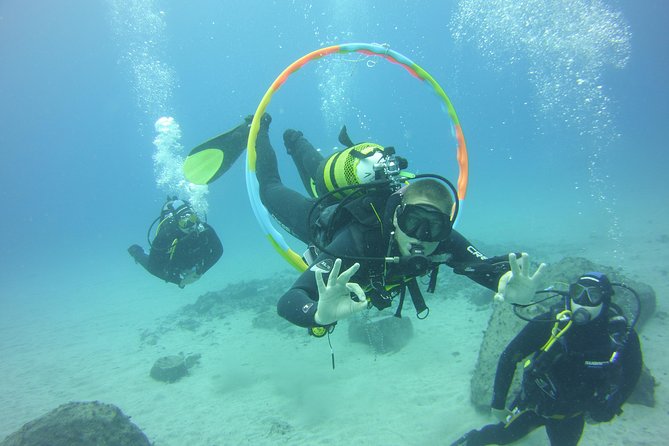
- Five theory sessions and five confined-water sessions build skills before you head into the Red Sea.
- Four open-water sessions lead to a PADI qualification recognized worldwide.
- Children aged 10 to 15 receive junior certification with a 12-meter depth limit.
- Equipment, hotel transfers, lunch, bottled water, and soft drinks are included.
- The course usually takes three days, though the stated duration allows three to four days.
- You must avoid flying for 24 hours after scuba activity and complete a health questionnaire before starting.
What this Sharm el Sheikh scuba course actually gives you
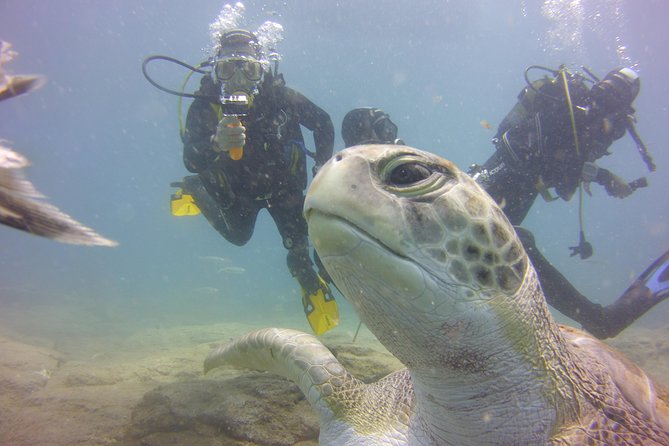
This is not a one-hour tryout with an air tank. It is a full PADI Open Water Diver course, designed to qualify you for independent recreational scuba activity to a maximum depth of 18 meters once you meet the requirements.
That distinction matters. You are not simply being led around underwater for a quick look. You learn how equipment works, how to control your breathing and buoyancy, how to respond to common problems, and how to plan a safe session with a buddy. The course combines classroom study, confined-water practice, and four sessions in the sea.
The certification is recognized worldwide, and the information provided says there are no renewal fees. That makes the $411.31 price easier to understand. You are paying for a lasting qualification, not just a holiday activity. Still, the listed price does not include the PADI certification and manual or the e-learning material, so check the final total before committing.
The course is run by PADI professional instructors at Pyramids Diving Center. Instructor quality matters greatly in beginner scuba training, and the strongest pattern here is patient instruction. Mena is described as taking time to repeat explanations until students understood not only what to do, but why. Mohamed Abdelkarim is praised for clear instructions and reassurance when students struggled. Amr is noted for a calm, relaxed manner, including with a ten-year-old student.
You cannot choose a particular instructor based on the information provided, but names connected with the center include Mena, Amr, Mohamed Abdelkarim, Farid, Shiref, Hani Hendy, and Khaled Shabben. The important point is not the name alone. It is the center’s apparent focus on patient guidance, a quality that can make the difference between feeling tense underwater and beginning to feel in control.
More PADI Courses in Egypt
- PADI Scuba Diver (PSD)
★ 5.0 · 116 reviews - Hurghada, Professionals Diving in Open Water Tour with Lunch
★ 4.3 · 80 reviews - Hurghada: 3-Day PADI Open Water Diving Course
★ 4.6 · 78 reviews
How the three-day training is structured
The course includes five theory sessions, five confined-water sessions, and four open-water sessions. The exact order and daily timetable can vary, but the structure gives you a useful picture of how the training progresses.
You start with the ideas that make scuba safe. The theory sessions cover the principles you need before using the equipment in open water. You learn how your body responds underwater, why pressure matters, and how to use the gear properly. The material is not just background reading. It explains the reasons behind the procedures you will later practise.
This is also where the excluded e-learning matters. Since the online material is not included, ask how you will receive it and when you need to complete it. Some people prefer studying ahead of time, while others want the instructor to explain everything in person. Either way, do not treat the theory as a formality. The more comfortable you are with the basics, the more attention you can give to breathing, buoyancy, and the reef itself.
The confined-water sessions come next or run alongside the theory work. These sessions let you practise skills in a controlled environment before dealing with the open sea. You learn how to assemble and use the equipment, clear a mask, manage your air supply, and respond to basic underwater problems. The supplied information does not identify the exact training site, so you should not assume it will be a swimming pool rather than a sheltered area.
Five confined-water sessions may sound like a lot, but that repetition is useful. A first attempt at a skill can feel awkward. Repeating it with an instructor nearby gives you a chance to understand the movement rather than simply copy it once. This is especially valuable if you are nervous, have never used scuba equipment, or need instructions repeated in a different way.
The final stage is four open-water sessions in the Red Sea. This is where the course becomes more than a classroom exercise. The water around Sharm el Sheikh is known for coral and marine life, and the supplied feedback describes healthy coral, many fish, and attractive reef locations. You are practising real skills in a setting that feels like the reason you came to Egypt in the first place.
Why the Red Sea makes a good classroom
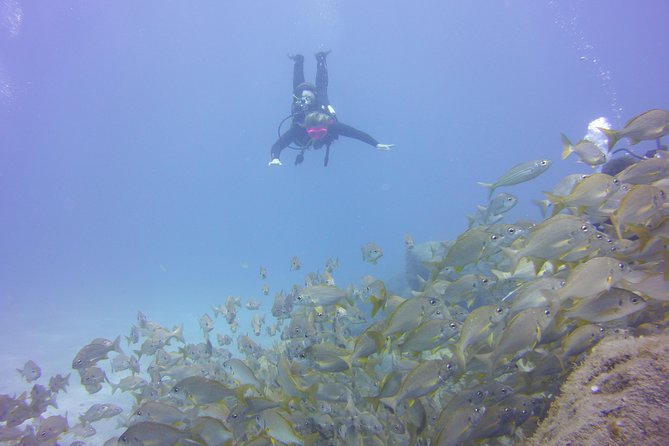
The Red Sea is the course’s major advantage. You could earn this qualification in many places, but learning around Sharm el Sheikh gives the practical sessions a memorable setting.
The information provided refers to beautiful reef areas and, in other center excursions, locations such as Ras Nasrani. It also describes boat trips with several stops, clean and spacious boats, and enough time for multiple underwater sessions. Those details relate to the center’s wider activities, so you should confirm the exact boat and site plan for your course. Still, they show the kind of Red Sea operation the center runs.
The four open-water sessions are important because they allow you to apply classroom skills in changing conditions. Visibility, currents, entry points, and marine life can make the sea feel different from confined water. Your instructor should guide you through that transition step by step.
There is a practical limit to the scenery, however. You are there to qualify, not simply to admire coral. The instructor may need to pause the sightseeing to check equipment, practise an emergency procedure, or repeat a skill. That is a good thing. A safe course sometimes feels less like an excursion and more like a lesson with fish nearby.
One useful planning point comes from the center’s broader training advice: some people prefer boat sessions over shore training. If your schedule allows, ask how the four open-water sessions are arranged and which sites are planned. A boat-based day can give you access to different reef areas and make the day feel more like a full Red Sea outing, while shore access may involve less time on a boat and a simpler routine. The exact plan is not stated, so confirm it before booking.
The instructors matter more than the coral
A beginner course succeeds or fails on instruction. The reef may be beautiful, but if you feel rushed or ignored, the experience will be poor.
The strongest descriptions connected with this center focus on calm, patient teaching. Mena is associated with one-to-one instruction and careful repetition. Mohamed Abdelkarim is described as reassuring students through difficult moments and waiting for them to demonstrate skills properly. Amr is praised for encouraging younger students and helping them feel confident.
That is exactly what you want from a first scuba course. You should be able to signal that you are uncomfortable, ask for an explanation again, and take the time needed to perform a skill correctly. A good instructor does not make you feel embarrassed for being nervous.
The course has a maximum group size of 15 people. That is not the same as a guaranteed class size or a one-to-one lesson. If personal attention is important to you, ask about the instructor-to-student ratio and whether a private course is available. The center has provided one-to-one training in some cases, but the standard booking details do not promise it.
The list of instructors is fairly broad, so your experience may depend partly on who leads your group. The common thread in the available information is not one single personality, but a repeated emphasis on clear explanations, patience, safety, and encouragement.
Same water, a different dive:
- Discover Scuba Diving
★ 5.0 · 1,676 reviews - Sharm El Sheikh: Ras Mohamed & White Island Dive & Snorkel
★ 4.9 · 1,280 reviews - Hurghada: Snorkeling 6 x 1 to Orange Bay w Diving & Massage
★ 4.9 · 1,266 reviews - Intro Diving 2 Stops For Beginners with Pick-up and Lunch – Hurghada
★ 5.0 · 1,146 reviews
What is included for the $411.31 price
At $411.31 per person, this course is best judged as a qualification package rather than a sightseeing trip.
The price includes:
- A PADI professional instructor
- Required scuba equipment
- Five confined-water sessions
- Four open-water sessions
- Five theory sessions
- Lunch and soft drinks on board the boat
- Bottled water
- Hotel pickup and drop-off in an air-conditioned vehicle
That is a useful bundle. Equipment rental alone can add up, and hotel transfers remove the need to arrange transport to the center or marina. Lunch and drinks also make the longer training days easier.
The costs left outside the package are important. PADI certification and the manual are excluded, as is e-learning material. Souvenir photographs are available to buy, but they are optional. Ask for the full additional cost of the certification, study materials, and any required paperwork before paying.
The course offers good value if you already want a qualification and expect to scuba again. If you only want to see the reef once, a shorter introductory session may suit you better. It will not provide the same certification, but it will require less study and less time.
Age limits, health rules, and flight planning
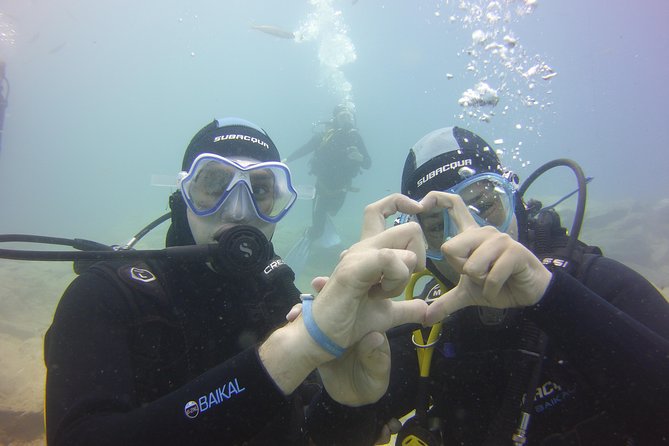
The minimum age is 10. Children aged 10 to 15 receive junior certification and are limited to 12 meters. At age 15, the supplied information says the diver can be certified to 18 meters as an adult.
That makes the course suitable for families, but parents should think about more than the minimum age. A child must be comfortable following instructions, managing equipment, and communicating underwater. The center’s instructors have worked successfully with younger students, including a ten-year-old, but every child is different.
The course is not suitable for pregnant women or people with back problems, heart complaints, or other serious medical conditions. You complete a health questionnaire before scuba activity, and conditions such as asthma or heart problems may prevent participation. If you have any doubt, consult your doctor before booking rather than waiting until the morning of the course.
Flight timing is another easy mistake. Scuba activity within 24 hours of flying is not recommended. Leave a full buffer after the final session before your return flight. This course takes three days, or possibly four, so do not squeeze it into the last part of a short holiday.
You also need a current valid passport on the day. Weather can affect the sea sessions. If poor conditions force cancellation, you are offered an alternative date or a change of activity. The general cancellation policy is strict: the experience is non-refundable and cannot be changed for personal reasons, so plan carefully.
What the daily routine may feel like
Expect an early start at about 8:30 a.m. Hotel pickup is offered in an air-conditioned vehicle, which is helpful in Sharm el Sheikh’s heat and removes the hassle of finding the center yourself.
A course day can include transport, classroom work, equipment preparation, confined-water practice, or sea sessions. Boat days may also include lunch and soft drinks on board. The details of the daily order are not specified, so you should ask for the timetable after booking.
Do not plan a full evening schedule around the course. Learning new equipment and procedures takes concentration, and the sea sessions can be tiring even when they are enjoyable. Give yourself room to rest, especially during the first two days.
The maximum group size is 15, and the course is available by mobile ticket. Confirmation is provided at booking. The center is also near public transportation, though hotel pickup is the easier choice if it is available for your accommodation.
Who should book this course
I would recommend it to you if you want a real start in scuba rather than a quick underwater photo opportunity. It suits adults who can give three or four days to study and practice, families with children aged 10 and above, and holidaymakers who expect to use the qualification again elsewhere.
It is also a good fit if you value supportive instruction. People who feel uncertain in the water should not assume they are poor candidates. A patient teacher such as Mena, Amr, or Mohamed Abdelkarim can help, but you still need to be honest about your comfort level and medical history.
I would think twice if your holiday is short, your return flight is soon after the course, or you only want one casual reef outing. The strict cancellation terms also make this a poor choice for an uncertain schedule.
Should you book the PADI Open Water Diver course?
Book it if the qualification is the point of your trip. You receive a worldwide PADI certification, five theory sessions, five confined-water sessions, and four Red Sea sessions, with equipment and basic day costs included. The patient approach associated with the instructors is a major plus for first-timers.
Before paying, confirm the extra cost for e-learning, the manual, and certification. Ask whether your sea sessions use a boat, shore access, or both, and check the instructor-to-student ratio. If you can protect a full 24 hours before flying and commit to the training, this is a practical way to begin scuba in one of the world’s best-known reef regions.
FAQ
How long does the PADI Open Water Diver course take?
The course is described as taking about three days, with a stated duration of three to four days. It includes five theory sessions, five confined-water sessions, and four open-water sessions.
What is included in the price?
The price includes a PADI professional instructor, required scuba equipment, five confined-water sessions, four open-water sessions, five theory sessions, lunch and soft drinks on board the boat, bottled water, and hotel pickup and drop-off in an air-conditioned vehicle.
Are the study materials and certification included?
No. The PADI certification and manual are excluded, as is the e-learning material. Souvenir photographs are also available at an additional cost.
Can children take this course?
Yes. The minimum age is 10. Participants aged 10 to 15 receive junior certification and can go to a maximum depth of 12 meters. At age 15, they can be certified to 18 meters as an adult.
Can I fly immediately after the course?
No. Scuba activity within 24 hours of flying is not recommended. Plan your course so that at least 24 hours remain between the final session and your flight.
What happens if bad weather cancels the course?
If poor weather prevents the activity, you are offered an alternative date or a change of activity. Personal cancellations are non-refundable and cannot be changed under the stated policy.
Newly logged dives around Egypt
- Museum Diving Experience in the Red Sea★ 4.7 · 15 reviews
- Makadi Bay: Snorkelling and Diving Island Trip★ 4.5 · 20 reviews
- Hurghada: Scuba Diving cruise with lunch & pickup★ 4.1 · 32 reviews
- Hurghada: PADI Diving Courses packages★ 5.0 · 3 reviews
- Hurghada: Yacht Trip 2 islands, Diving & Snorkeling W Lunch★ 4.9 · 13 reviews
- Hurghada: 1 day DIVING Refrechment, Check Dives and Dolphins★ 4.5 · 4 reviews
- Hurghada: Orange Bay Snorkeling cruise and optional diving★ 3.6 · 7 reviews
- Hurghada: 1, 2, 3, 4, or, 5-Day Scuba Diving Package★ 4.2 · 90 reviews
PADI Courses & Certification, side by side.
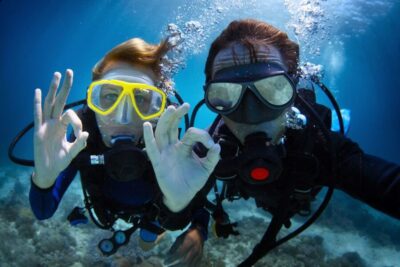
Tossa de Mar: PADI Discovery Scuba Diving in Costa Brava
Read our review →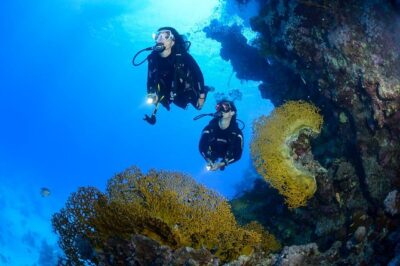
Full-Day Beginner Scuba Course with Private Tuition, Racha Yai
Read our review →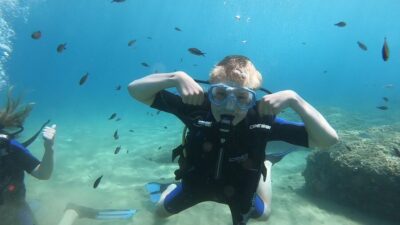
Heraklion: Beginner Scuba Diving Lesson with PADI Instructor
Read our review →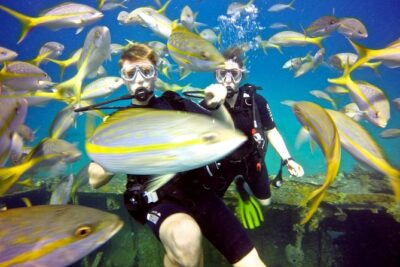
Discover Scuba Diving with No Certification in St Thomas
Read our review →
Try Dive – PADI Discover Scuba Diving in Tenerife
Read our review →