Review · PLAYA DEL CARMEN
Discover Scuba Diving Course in Playa del Carmen with Two Coral Reef Dives
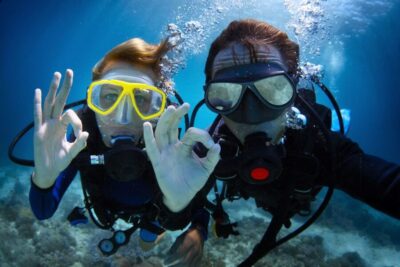
Playa del Carmen’s best introduction to scuba starts in a classroom and pool, then moves to two shallow coral reefs for 40 minutes each. You learn basic safety, practice with the equipment, and get a real taste of breathing underwater without signing up for a full certification course.
I like the patient, close coaching, especially for first-timers who need time with ear pressure or buoyancy. I also like the sensible half-day format: pool practice in the morning, then reef time after lunch. The main drawback is that this is not a certification, and the ocean portion can feel stressful if you struggle with breathing, ear regulation, or staying neutrally buoyant.
Key points to know
- Two different reefs: You visit separate shallow reef sites, with about 40 minutes at each.
- Morning practice matters: Classroom and pool work cover equipment, safety, breathing, and basic skills before you enter the sea.
- Patient instruction: Past sessions have included instructors such as Alma, Jack, Geovanni, and Sam, with extra help for nervous beginners.
- Good for first-timers: No previous scuba experience is required, but you must be at least 10 and in reasonable physical health.
- Small group size: The maximum is eight people, which allows more room for personal coaching.
- Extra cost to plan for: The $169 price excludes the $20 marine park and boarding fee per person.
A first taste of scuba in Playa del Carmen
This is a tryout, not a license. That distinction matters. You will learn enough to handle basic equipment and take part in supervised reef sessions, but you will not finish with an independent scuba certification.
For many people, that is exactly the point. A full course takes more time, study, and commitment. This experience lets you find out if you enjoy the feeling of moving underwater before investing in one. You can also bring a child or teenager aged 10 or older, provided they are in reasonable physical health.
The day runs from about 8:00 a.m. to 4:00 p.m. The morning is devoted to theory and pool practice. After a break, you head out for two reef sessions in the afternoon. It is a long day, but the rhythm makes sense: learn on land, practice in controlled water, then use those skills in the sea.
More Discover Scuba Diving in Mexico
- Discover Scuba Diving & Beach Club with Transportation In Riviera Maya
★ 5.0 · 239 reviews - PADI Discover Scuba Diving Program in the Riviera Maya
★ 5.0 · 67 reviews - PADI Discover Scuba Diving in Playa del Carmen
★ 4.5 · 61 reviews
Starting at Scuba Libre at 8:00 a.m.
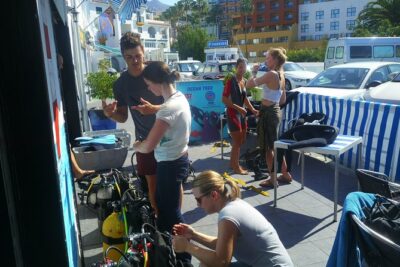
You meet at Scuba Libre on Calle 4 Norte, between Fifth Avenue and the federal maritime zone in central Playa del Carmen. The activity returns to this same meeting point at the end of the day.
The location is near public transportation, which helps if you are staying in central Playa del Carmen. The meeting time is early, so give yourself enough time to arrive without rushing. A calm start is useful when you are about to handle unfamiliar equipment.
The group limit is eight people. That is one of the more important details here. New scuba students often need individual help with masks, breathing, buoyancy, and ear pressure. A small group gives the instructor a better chance to notice when you need help instead of leaving you to copy the person beside you.
The experience is offered in English. Confirmation is provided when you book, and the ticket is mobile, so you can keep the booking on your phone.
Morning theory and pool work from 8:00 to 11:00
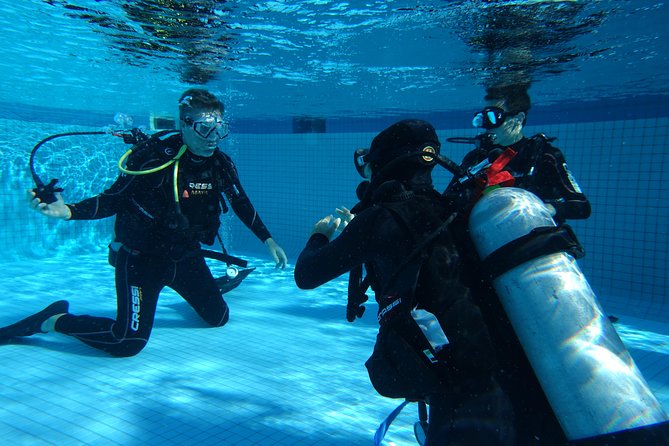
The classroom section covers the basic safety rules and the equipment you will use. You learn what each piece does and how to move with it in the water. That may sound simple, but the gear feels unusual at first, and getting comfortable with it is a major part of the day.
The key lesson is breathing through the regulator. You will find out how it feels to breathe underwater and practice the basic skills used during every scuba session. Pool work gives you a controlled place to adjust before the sea adds waves, current, marine life, and a much larger view.
This is also the best time to speak up. If your mask feels wrong, your breathing seems hard, or you feel nervous, tell the instructor. Past instruction has included patient coaching for people who had trouble regulating their ears or maintaining neutral buoyancy. Alma, in particular, was praised for taking time with a student whose ears would not equalize.
Ear pressure is a common concern for beginners. You should not force the issue. Follow the instructor’s method, move slowly, and say when something feels wrong. The aim is to build control and comfort, not to prove that you can descend quickly.
The pool session also helps you understand buoyancy. New students often expect to float naturally in the right position, but staying level takes practice. One person described breathing too hard and struggling to find neutral buoyancy during the ocean portion. That is a useful warning: the sea may feel harder than the pool, and needing extra coaching is normal.
A break before the afternoon reef sessions
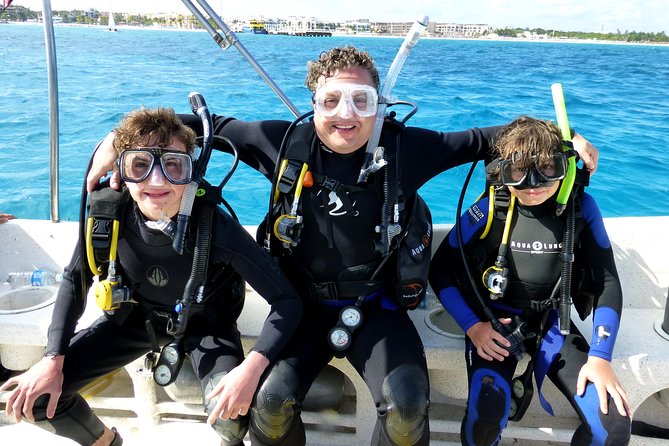
The morning ends around 11:00 a.m., leaving a break before the afternoon water time. The supplied schedule places the reef portion between about noon and 4:00 p.m.
You should treat the break as useful preparation rather than dead time. Eat sensibly, drink water, and gather your focus before heading back into the water. Water is included during training and on board during the reef sessions, but food is not listed as part of the package.
This split schedule also keeps the morning from becoming one long block of instruction. You have time to absorb the basic skills before trying them in open water.
More Discover Scuba Diving in Playa del Carmen
- Discover Scuba Diving in Playa del Carmen – 2 dives
★ 5.0 · 7 reviews - Playa del Carmen: Discovery Scuba Diving – Non Certified
★ 5.0 · 2 reviews
Two 40-minute sessions on different coral reefs
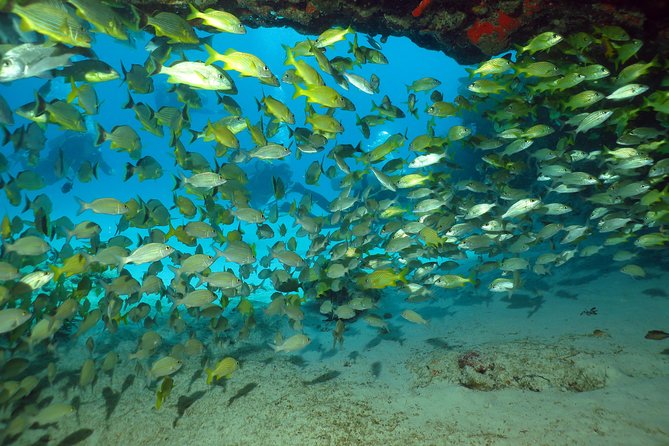
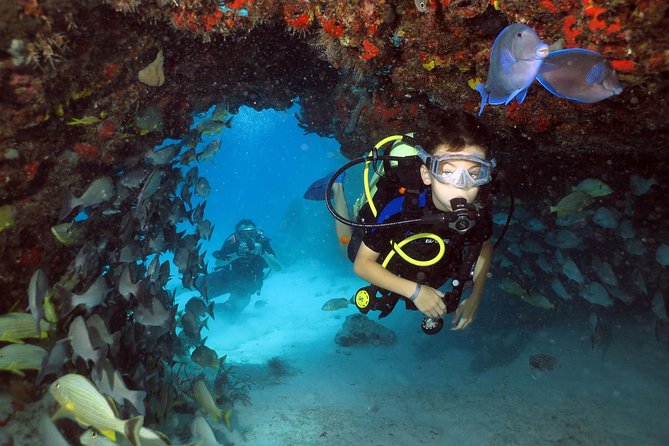
The main attraction is the chance to visit two different shallow reefs, with each underwater session lasting about 40 minutes. That gives you more than a brief demonstration. You have time to settle your breathing, practice your position in the water, and look around once the first-minute nerves fade.
The reef environment may include corals and marine life such as turtles, moray eels, groupers, barracudas, crabs, and shrimp. Past sessions have also included schools of tropical fish, manta rays, and large eels. Wildlife is never guaranteed, but the range gives you a good idea of what you might encounter.
Visiting two sites adds variety. If the first session is mostly about getting comfortable, the second gives you a better chance to enjoy the surroundings. You may also find that buoyancy and breathing feel more natural by the second reef.
The water has been described as clear and blue, with coral and fish visible around the reef. Keep your expectations practical, though. This is a beginner experience in shallow water, not a technical expedition or a promise of a particular animal sighting.
Your PADI professional accompanies you throughout the reef portion. That supervision is central to the experience. You are not expected to find your way around alone or manage the session without help.
What the instructors do well
The strongest part of this experience is the human guidance. The equipment and reef sites matter, but a calm instructor can determine whether a first attempt feels exciting or overwhelming.
Past instruction has featured Jack as the main instructor, assisted by Geovanni with buoyancy coaching. Alma has been praised for patience when a student had trouble with ear pressure, while Sam received strong marks for explaining equipment and skills clearly.
Those details point to the kind of help you should expect: repeated explanations, hands-on guidance, and a willingness to slow down when needed. They do not mean every session will have those same instructors, so treat the names as examples rather than a guaranteed roster.
The overall rating is 4.8 from 18 ratings, with 94 percent of participants recommending the experience. That is a strong result, though the sample is still fairly small. The praise focuses most heavily on instructor professionalism, patience, and the variety of sea life.
The real challenge: breathing, ears, and buoyancy
Scuba looks easy once an experienced person is doing it. For a beginner, several new tasks arrive at once. You are breathing through a regulator, wearing unfamiliar equipment, controlling your body position, and trying to pay attention to the reef.
Some people find the first ocean session stressful. One past participant had trouble breathing calmly and maintaining neutral buoyancy. The ocean itself was beautiful, but the physical skills took attention away from the scenery.
That does not make the experience a poor choice. It tells you to allow room for a learning curve. If you are anxious, say so early. The instructors can only help with a problem they know about.
Ear pressure is another practical issue. If you have trouble equalizing, do not push through pain. Follow the instructions and remain patient. The experience requires reasonable physical health, and you should be comfortable communicating clearly with the instructor throughout the day.
This is a better choice for someone who wants a genuine first attempt than for someone who wants a quick photo opportunity. You need to listen, practice, and accept that the first few minutes may feel awkward.
What the $169 price includes
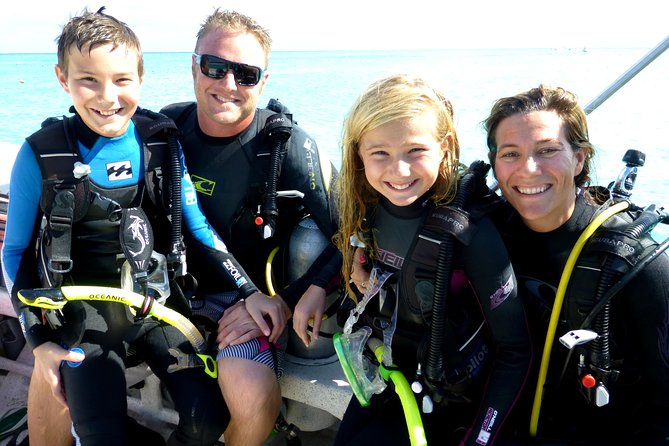
The listed price is $169 per person. That includes the instructor, all necessary scuba equipment, and water during the training and reef sessions.
For a full day with classroom work, pool practice, two supervised reef sessions, equipment, and a small group cap, the package offers solid value if you are specifically curious about scuba. You are paying for instruction and supervision as much as for time in the water.
The price does not include photos. You can buy them separately if available. It also excludes the $20 boarding and marine park fee per person.
There is one extra charge worth checking carefully. If you want to take the course at Sandos Hotel, a $15 boarding fee applies. The standard meeting point is Scuba Libre in central Playa del Carmen, so confirm which arrangement applies to your booking.
When comparing this with a longer certification course, remember that this session does not qualify you to scuba independently. Its value is in the trial experience and the chance to decide if formal certification is worth pursuing later.
Who should book this experience
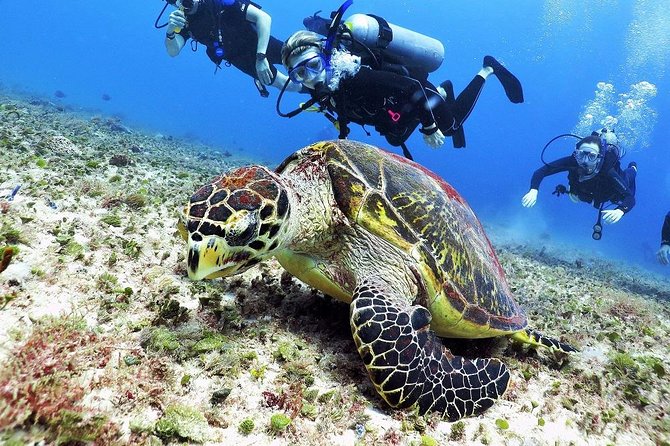
I would recommend it to adults and children aged 10 or older who are curious about scuba but do not want to commit to a full course yet. It also suits families looking for something more active than a standard beach day, provided every participant meets the health requirement.
It is a good match if you value patient teaching and want plenty of structure. The classroom and pool work make the process less intimidating, and the group size gives the instructor a reasonable chance to offer personal help.
You may want to reconsider if you dislike being in close-fitting equipment, feel very uneasy about breathing underwater, or want a quiet, flexible day. The schedule is fixed, the day is long, and the ocean portion can be demanding for a first attempt.
It is also not the right product if your main goal is a certification. You would need a separate training program for that.
Practical details before you book
Bring your booking confirmation on your phone and arrive at Scuba Libre for the 8:00 a.m. start. The activity ends back at the same meeting point.
The tour is offered in English and accepts a maximum of eight participants. It is near public transportation, and most people can participate if they are in reasonable physical health.
The experience requires good weather. If poor conditions cause the operator to cancel, you will be offered another date or a full refund. If you cancel for another reason or ask to change the booking, the payment is non-refundable and cannot be changed.
Because the tour is often booked about 15 days ahead, I would not leave it until the last minute if your Playa del Carmen schedule is tight. That also gives you time to check the marine park fee, photo costs, and any hotel boarding charge.
Should you book the Playa del Carmen scuba introduction?
Book it if you want a serious but approachable first look at scuba. The strongest reasons are the morning pool preparation, two separate reef sessions, small group size, and careful instructor support. The marine life can include turtles, eels, rays, fish, and other reef animals, though sightings vary.
Skip it if you want certification, a short activity, or a completely relaxed swim. You need to be ready for equipment, ear pressure, buoyancy practice, and a full eight-hour schedule.
For a first attempt, this gives you a fair test of the sport. If you finish the second reef wanting more, you will have a clearer idea of whether a full certification course is your next step.
FAQ
What is included in the Playa del Carmen scuba experience?
The price includes a professional instructor, all necessary scuba equipment, and water during the training and on board during the reef sessions.
Is previous scuba experience required?
No. The activity is designed as an introduction, and no previous scuba experience is required.
Does this experience provide scuba certification?
No. Discover Scuba Diving is an introduction to scuba, not a certification course.
How old must participants be?
The minimum age is 10 years old.
How long does the experience last?
The activity lasts approximately eight hours, beginning at 8:00 a.m. and ending around 4:00 p.m.
How many reef sessions are included?
You take part in two shallow reef sessions at two different locations. Each lasts about 40 minutes.
What extra fees are not included?
A $20 boarding and marine park fee applies per person. Photos are available to purchase separately. A $15 boarding fee applies if you choose the course at Sandos Hotel.
What happens if bad weather cancels the activity?
If poor weather causes cancellation, you will be offered a different date or a full refund. The experience is otherwise non-refundable and cannot be changed after booking.
More Reef Diving in Mexico
- Two reef discovery dives with professional instructor (no experience necessary)
★ 5.0 · 103 reviews - Playa del Carmen: Guided Reef Diving for Certified Divers
★ 4.6 · 7 reviews - Discover Scuba Diving in Cozumel Paradise Reef
★ 5.0 · 686 reviews - Scuba Diving Under Water Museum and Reef for beginners
★ 5.0 · 189 reviews
More PADI Courses in Mexico
- PADI Open Water Diver Course in the Riviera Maya
★ 5.0 · 47 reviews - Learn to Scuba Dive in Cabo San Lucas with PADI
★ 4.5 · 157 reviews - Scuba Diving with a 5-Star PADI Center in Puerto Vallarta
★ 4.5 · 135 reviews - PADI Discover Scuba Diving for divers without certification
★ 5.0 · 77 reviews
Newly logged dives around Playa del Carmen
- Scuba Dive in Playa del Carmen – 2 Dives (Certified divers)★ 3.3 · 3 reviews
- Playa del Carmen: Discovery Scuba Diving – Non Certified★ 5.0 · 2 reviews
- Playa del Carmen: Guided Reef Diving for Certified Divers★ 4.6 · 7 reviews
- Playa del Carmen: Cenote Diving for Certified Divers★ 5.0 · 2 reviews
- Discover Scuba Diving in Playa del Carmen – 2 dives★ 5.0 · 7 reviews
- PADI Open Water Diver Course in the Riviera Maya★ 5.0 · 47 reviews
- Cozumel Dive Package – Certified Divers from the Riviera Maya (4 dives)★ 4.5 · 51 reviews
- Cancun: MUSA Diving for certified divers morning dive trip★ 4.9 · 7 reviews
PADI Courses & Certification, side by side.
Tossa de Mar: PADI Discovery Scuba Diving in Costa Brava
Read our review →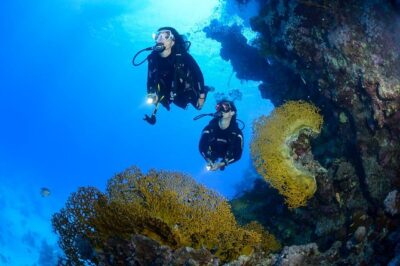
Full-Day Beginner Scuba Course with Private Tuition, Racha Yai
Read our review →
Heraklion: Beginner Scuba Diving Lesson with PADI Instructor
Read our review →
Discover Scuba Diving with No Certification in St Thomas
Read our review →
Try Dive – PADI Discover Scuba Diving in Tenerife
Read our review →