Review · OAHU
Incredibly Fun Coral Reef Giant Sea Turtles 4hour Boat Scuba Tour
The big draw here is simple: you leave the Waikiki shore and practice scuba in the open Pacific, with a real boat, two tanks, and time around Oahu’s coral reefs. I like the warm Hawaiian water and the chance to see large green sea turtles at close range. I also like the patient instructors, especially Josh, Chad, Olga, and Red, who are repeatedly praised for helping nervous beginners stay calm.
The main caution is that the ocean controls the show. Rain can reduce visibility to 10 or 15 feet, and the reef may look modest on a poor-weather day. You also need to handle the medical paperwork early, arrive on time, and leave at least 18 hours between this activity and your flight.
Key points to know before booking
- Two ocean sessions from a boat: This is not a short pool lesson or a 40-minute beach introduction.
- Strong fit for beginners: You receive equipment, instruction, and underwater guidance before exploring.
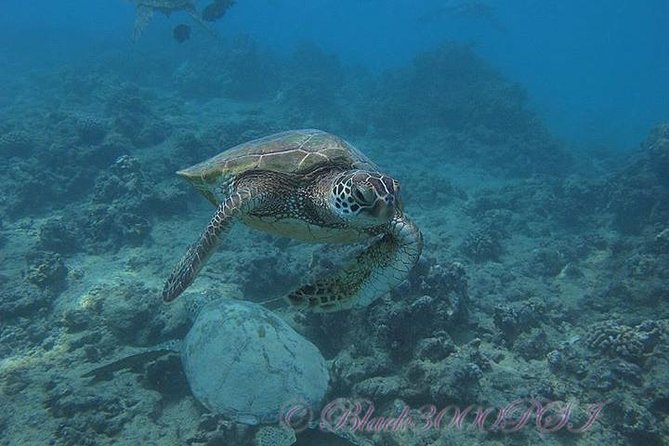
- Turtles are the star: Green sea turtles are commonly the most memorable sight, with fish, eels, rays, octopus, and occasional sharks also possible.
- Maximum of 16 people: The boat can carry up to 16, with small instructional groups arranged for safety.
- Medical rules matter: Some health conditions require written approval from a doctor before check-in.
- Plan around your flight: Do not schedule this within 18 hours of flying after the shallow 40 to 60-foot sessions.
What this Oahu scuba experience actually offers
At $299 per person, this is not a bargain-priced snorkel outing. You are paying for a four-hour boat operation, two tanks, full equipment rental, instruction, safety checks, water, snacks, and access to ocean sites that are not reachable from a normal beach lesson.
That price makes more sense if you are new to scuba or have not used a tank in years. You get a proper introduction without signing up for a full certification course. Certified participants can also use the first session as a refresher before spending more time over the reef.
I would not book this expecting a certification. This is an introductory experience for non-certified participants, not a substitute for an Open Water course. You will learn basic skills and practice them underwater, but the goal is a safe taste of ocean scuba, not a formal license.
The activity is offered in English, uses a mobile ticket, and begins at Waikiki Dive Center, 424 Nāhua Street in Honolulu. It ends back at the same meeting point. The total outing lasts about four hours, though the exact time in the water depends on the group, air use, weather, and boat operations.
More Reef Diving in Oahu
- Certified Diver: 2-Tank Deep Wreck and Shallow Reef Dive Off Oahu
★ 5.0 · 331 reviews - Certified Diver: 2-Tank Shallow Reef Dives off Oahu
★ 5.0 · 278 reviews - Certified Divers: Best 2-Tank Wrecks & Reef Boat Dive All Inclusive From Waikiki
★ 5.0 · 41 reviews
Getting ready at Waikiki Dive Center
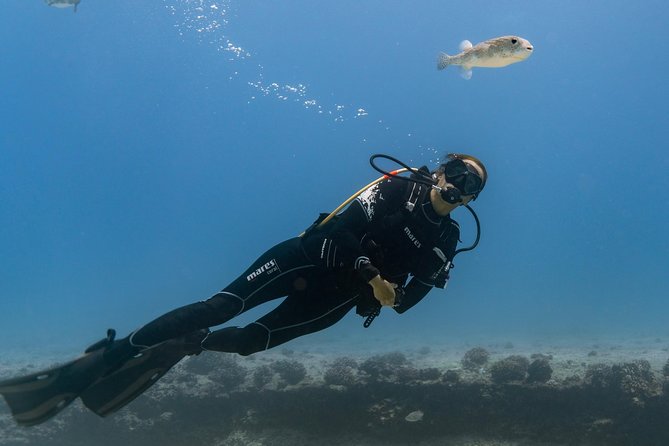
Your morning begins with check-in and equipment preparation. You provide your shoe size and T-shirt size when booking, which helps the crew prepare rental gear. Full equipment is included, along with drinking water and snacks. Lunch is not included, so eat beforehand or plan food for after the activity.
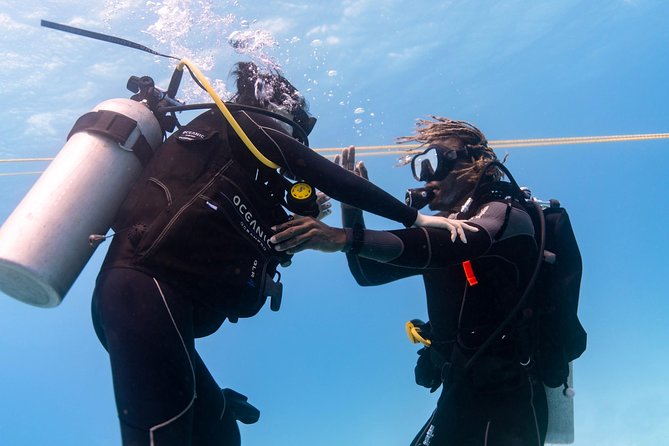
Beginners receive a short lesson before boarding. One detailed account describes about 20 minutes of instruction at the shop, followed by a quick ride to the docks. That is not a long classroom course, but it covers the basic skills you need to breathe from the regulator, manage your equipment, and respond to common problems underwater.
The quality of this briefing matters. Several participants had never used scuba equipment before, and the best experiences came from instructors who explained each step clearly and stayed close in the water. Josh is often singled out for patient teaching, while Chad helped one nervous first-timer move from early difficulty to feeling comfortable by the end.
If you feel unsure, speak up before entering the water. One less positive account came from a new diver who found the instructions rushed and the hand signals confusing. The practical lesson is clear: ask for a slower explanation, repeat the signals, and tell your instructor exactly what worries you. The crew cannot fix a concern you keep quiet.
Boarding the large boat for open-ocean practice
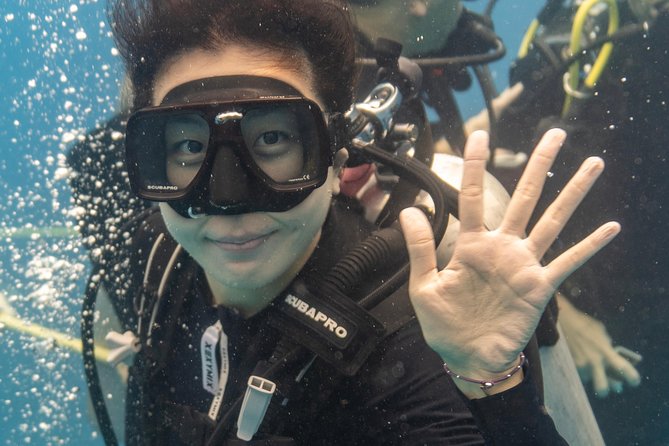
The boat ride takes you away from the beach and into the open ocean. The operator describes the vessel as Oahu’s largest scuba boat, and the trip is designed around real ocean sessions rather than a brief shoreline demonstration.
That change in setting is important. In the ocean, you deal with waves, current, visibility, depth, and other people moving nearby. For a first-timer, this can feel more serious than a pool lesson, but it also gives you a more honest sense of what scuba in Hawaii is like.
The boat carries up to 16 participants. That number is worth noting, since a full boat can feel active during equipment setup. The crew separates people into smaller groups, and the operator says instructional groups are kept below six participants per instructor. Private instruction is available at an extra cost if you want more personal attention.
A companion who does not scuba can still come along, based on the experience details. One captain, Yoshi, is praised for keeping a non-diving friend comfortable and occupied, and Captain Steve is described as helping a companion learn to snorkel. Confirm those arrangements when booking, since the supplied information does not state a separate passenger price or guarantee a particular captain.
The first session: skills before sightseeing
The first underwater session is where you get your bearings. A common format is to follow a rope down to roughly 40 to 60 feet while practicing the basic skills introduced at the shop.
That depth is shallow by scuba standards, but it is still deeper than many people expect for a first attempt. Your instructor checks your equipment, watches your breathing and movement, and helps you settle into the sensation of breathing underwater.
This part can feel slow compared with the reef exploration later. That is a good thing. The first session gives you a chance to clear your mask, manage the regulator, use underwater signals, and understand how your body moves with the equipment. One participant described having a regulator knocked loose by another diver’s arm and being able to retrieve it because the skill had been taught beforehand.
Some first-timers take to scuba quickly. Others need time to control their breathing or feel comfortable descending. The crew has received strong praise for patience, but the experience is still physically and mentally demanding. You should have moderate fitness, remain sober, and be willing to follow safety instructions without rushing.
Certified divers should not expect a technical outing. The sites are described as shallow reef locations, and the emphasis is on a relaxed introduction rather than advanced profiles or challenging conditions. If you have not used scuba equipment for 10 or 15 years, the first session can serve as a useful refresher.
More Reef Diving in the USA
- Oahu: Wreck & Reef Scuba Dive for Certified Divers
★ 4.8 · 17 reviews - Oahu: Shallow Reef Scuba Dive for Certified Divers
★ 5.0 · 11 reviews - Miami Beach: Guided 2-Tank Reef and Wreck Dive Trip
★ 4.8 · 13 reviews - Florida Keys: Scuba Diving & Snorkeling Reef Trip
★ 5.0 · 4 reviews
The second session: turtles, reef fish, and lucky sightings
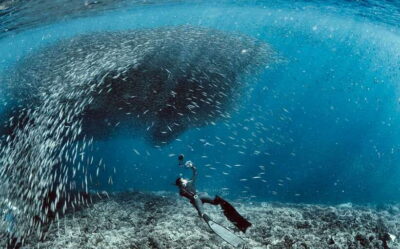
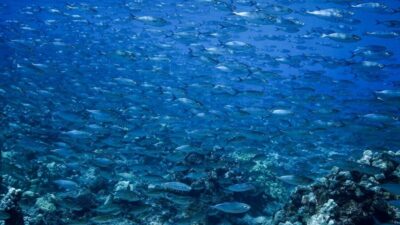
After changing tanks, you return to the water for the longer exploration. This is the part most people hope will deliver the classic Oahu scene: green sea turtles resting near the reef, fish moving through coral, and sunlight filtering down from the surface.
Turtles are the most reliable headline attraction. Reports from this operation include several large turtles, including one that swam from beneath the reef toward the surface close to the group. You may also see eels, sea urchins, starfish, needlefish, and small reef fish.
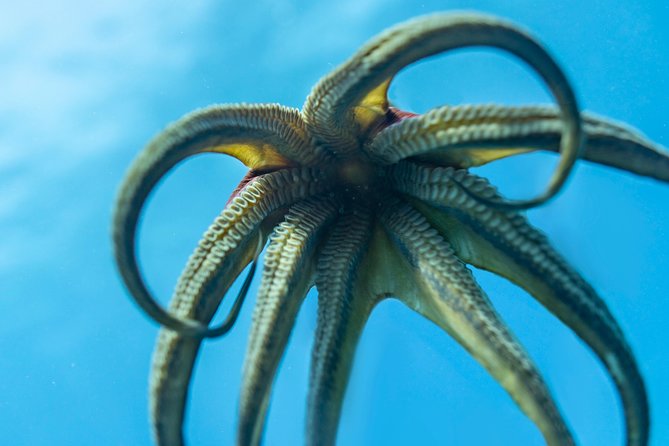
Less predictable sightings include octopus, eagle rays, reef sharks, and dolphins. One outing included an eagle ray feeding, a shark, and two eels. Another included a small octopus and what was thought to be a tiger shark. Treat these as fortunate extras, not promises.
The reef itself may not always be spectacular. One participant found the coral limited and saw much of the marine life around a large pipe. Another described the reef and fish as magnificent. Both impressions can be true because visibility, weather, site selection, and expectations shape the experience.
In clear conditions, the open water and animal encounters can feel extraordinary. In rainy weather, visibility may fall to 10 or 15 feet, making the seafloor harder to read and the reef less impressive. The operator sometimes cancels for unsafe weather, but a trip can still run in conditions that produce a disappointing view. If your schedule allows, leave room to move the activity to a better day.
The second session generally lasts about 30 to 45 minutes, depending partly on how quickly the group uses its air. That detail matters if you expect a fixed amount of underwater time. A slow air consumer may spend longer in the water than a first-timer who is still learning to breathe steadily.
The crew makes the largest difference
The strongest part of this experience is the human guidance. Names that come up repeatedly include Josh, Chad, Olga, Red, Yoshi, Steve, and Taylor. You cannot request every crew member, but you can ask whether a preferred instructor is working on your date.
Olga is praised for checking equipment often and making a new participant feel comfortable. Chad is noted for patience with a beginner who struggled at first. Josh receives particularly warm attention for clear instruction, humor, and close safety checks. Red is described as calm and helpful with first-time participants and returning divers.
The captains matter, too. Yoshi and Steve are praised for helping people on the boat, including companions who were not using tanks. That support can make the outing easier for a mixed group, though it is wise to confirm what your non-scuba companion can do before arriving.
Not every experience runs perfectly. There are reports of a confusing last-minute mix of certified participants and students, delayed departures, and one group returning earlier than expected after a second session was cut short. These accounts are not the norm in the supplied feedback, but they are useful warnings. Arrive early, confirm your check-in time, and ask how the groups will be organized before the boat leaves.
The strange itinerary list, explained
The listed locations include Waikiki, Honolulu, Oahu’s North Shore, Lanikai Beach, Diamond Head State Monument, Hanauma Bay Nature Preserve, and Ala Moana Beach Park. These are not a sightseeing route with stops at each attraction.
For this activity, the meaningful location is Waikiki Dive Center and the nearby ocean launch. The other place names function as broad Oahu references rather than promises that you will visit each beach, park, or lookout during the four-hour scuba outing.
That distinction matters when planning your day. You will not have time to tour Diamond Head, visit Hanauma Bay, relax at Lanikai Beach, and complete two ocean sessions in one morning. Schedule those as separate activities.
Safety, health, and flight timing
Every participant completes a health questionnaire before scuba. If you identify a condition that needs clearance, you must obtain a doctor’s consent and present it before check-in. Asthma, heart conditions, and other medical issues may affect eligibility, so do not wait until the morning of the trip to sort this out.
You must remain sober. Alcohol and anything that causes drowsiness, lethargy, or impaired judgment are not allowed before the activity. The operator can refuse participation for safety reasons, and the supplied terms state that no refund applies when a participant is denied within 24 hours or during the outing.
Do not fly within 18 hours after the shallow 40 to 60-foot sessions. The information also gives a 24-hour interval for deeper 60 to 100-foot scuba, although this particular experience is described as a shallow outing. If you have a flight, tell the operator before booking and build in extra time rather than trying to squeeze the activity into your final day.
Children must be accompanied by an adult. The activity requires moderate physical fitness, and the maximum group size is 16 people.
Price, cancellation, and practical value
At $299, the cost is high for a half-day activity, but the package includes the main costs that can quickly add up: tanks, equipment, boat transport, instruction, water, snacks, and two ocean sessions. For a first-timer who wants more than a beach demonstration, the price can be reasonable.
The value drops if you cannot complete the second session, if poor visibility limits what you see, or if you are hoping for a formal certification. Ask questions before booking so you understand the expected schedule and what happens if you cannot continue after the first session.
For parties of four or fewer, cancel at least 24 hours before the start time for a full refund. Changes made inside that window are charged in full. Arriving more than 15 minutes late can also lead to cancellation without a refund.
Groups of five or more and private charters have a stricter 21-day cancellation rule. Weather cancellations and cancellations caused by not meeting the minimum number of participants should result in a new date or a full refund, according to the supplied policy. Since weather decisions and payment processing can create confusion, keep your confirmation and contact the operator promptly if the boat is cancelled.
Who should book this Oahu experience?
I would choose this for a first-time scuba participant who wants real ocean practice, a family with older children, or a certified person returning after a long break. It also suits a couple where one person wants scuba and the other may prefer to stay on the boat or snorkel, provided the arrangements are confirmed ahead of time.
I would think twice if you dislike group instruction, have a tight flight schedule, or want dramatic coral walls and advanced underwater sites. A private instructor may be worth the additional cost if you are anxious, need more time with the equipment, or want to avoid the distractions of a mixed group.
Final call: book it for patient instruction and turtles
Book this tour if your goal is a safe first taste of open-ocean scuba with a strong chance of seeing sea turtles. The best value comes from the patient instructors, full gear package, two-tank format, and the chance to learn in Hawaii’s warm water rather than only practicing from shore.
Set realistic expectations. Marine life and visibility change, the reef may be modest, and the outing can feel rushed if you arrive late or keep quiet about confusion. Complete your medical paperwork early, leave 18 hours before flying, and reserve a weather-flexible day. With those details handled, this is a solid choice for beginners who want to find out if scuba is for them.
FAQ
How long does the scuba activity last?
The activity lasts approximately four hours and ends back at the Waikiki Dive Center meeting point.
Where does the experience begin?
It begins at Waikiki Dive Center, 424 Nāhua Street, Honolulu, Hawaii 96815.
Is scuba certification required?
No. Beginners and non-certified participants can join after completing the required instruction and health paperwork. Certified participants can also take part.
How many underwater sessions are included?
The experience is described as a two-tank shallow ocean activity, with sessions generally reaching about 40 to 60 feet.
What equipment is included?
Full equipment rental is included, along with water and snacks.
Is lunch included?
No. Lunch is not included.
Can children participate?
Children must be accompanied by an adult.
What medical paperwork is required?
All participants complete a health questionnaire. If your answers identify a medical concern, you must provide consent from a doctor before check-in.
How long should I wait before flying?
Do not schedule a flight within 18 hours after the shallow 40 to 60-foot scuba activity. The supplied information gives 24 hours after deeper 60 to 100-foot scuba.
What happens if bad weather cancels the activity?
If poor weather causes cancellation, you should be offered another date or a full refund.
What is the cancellation deadline?
For a full refund, cancel at least 24 hours before the scheduled start time. Changes or cancellations within 24 hours are not refunded. Parties of five or more and private charters have a 21-day cancellation policy.
More Diving with Turtles in Oahu
- Beginner Scuba Diving with Turtles and Videos, San Juan
★ 5.0 · 1,743 reviews - Tenerife: Your First Scuba Diving Experience in Turtle Area
★ 4.7 · 1,679 reviews - Tenerife: Beginner’s Dive at a Spot with Turtle Sightings
★ 4.7 · 627 reviews - Tenerife First Time Scuba Dive – Turtle Habitat, Small Groups
★ 4.5 · 456 reviews
Newly logged dives around Oahu
- Oahu: Wreck & Reef Scuba Dive for Certified Divers★ 4.8 · 17 reviews
- Oahu Night Dive: Adventure for Certified Divers★ 3.6 · 6 reviews
- Oahu: Cageless Shark Dive Adventure★ 4.9 · 60 reviews
- Oahu: Shallow Reef Scuba Dive for Certified Divers★ 5.0 · 11 reviews
- Waikiki: Honolulu Beginner Scuba Diving with Videos★ 4.7 · 94 reviews
- Certified Divers: Best 2-Tank Wrecks & Reef Boat Dive All Inclusive From Waikiki★ 5.0 · 41 reviews
- Certified Diver: 2-Tank Night Dive★ 5.0 · 61 reviews
- Oahu Open Water Shark Diving Experience★ 5.0 · 128 reviews
Diving with Turtles, side by side.
Beginner Scuba Diving with Turtles and Videos, San Juan
Read our review →
Tenerife: Your First Scuba Diving Experience in Turtle Area
Read our review →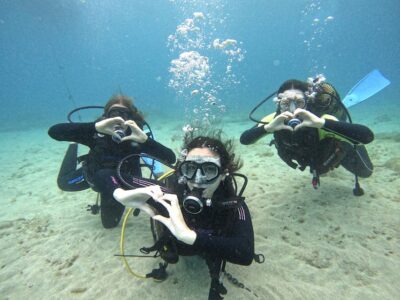
Tenerife: Beginner’s Dive at a Spot with Turtle Sightings
Read our review →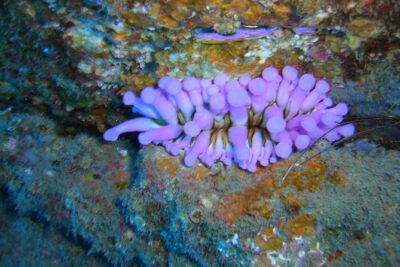
Tenerife First Time Scuba Dive – Turtle Habitat, Small Groups
Read our review →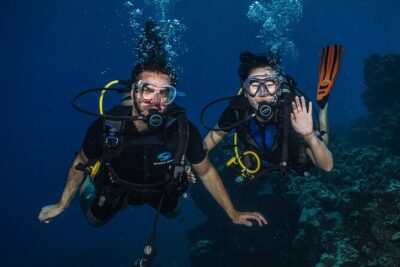
Small-Group Shark and Turtle Dive for Certified Divers
Read our review →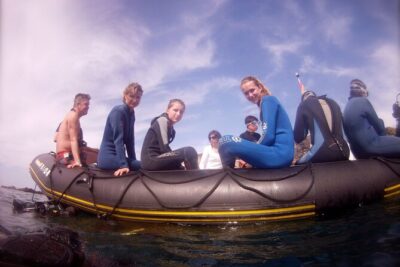
Maui: Small Group Shark & Turtle Scuba Dive from Shore
Read our review →