Review · CAPE TOWN
Cape Town: Shark Science SCUBA Diving Experience
The most unusual part of this SCUBA outing is its citizen-science purpose. You are not simply looking for sharks and taking pictures. You may photograph shark markings for Fin Spotter or record fish numbers on an underwater slate, giving Cape RADD useful information about False Bay.
I like the chance to see the Great African Sea Forest from inside the kelp, and I like the small-group limit of 10, which leaves room for careful instruction. The main caution is that the experience is shorter than the one-day label suggests, lasting about 3 to 3.5 hours, and the schedule uses both SCUBA and snorkeling language, so you should confirm the exact water plan before booking.
Key points to know before you book
- Shark science, not a staged animal encounter: You search for puffadder sharks, pyjama sharks, rays, fish, and octopus in their natural setting.
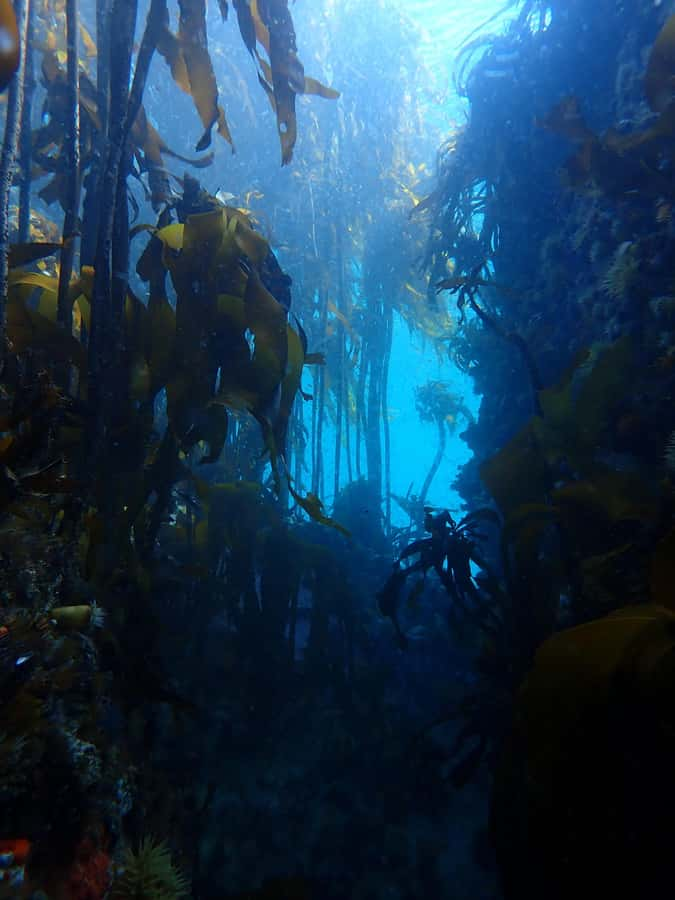
- Simon’s Town kelp forests: The underwater outing takes place around the sea bamboo kelp of False Bay, with possible penguin and sea otter sightings.
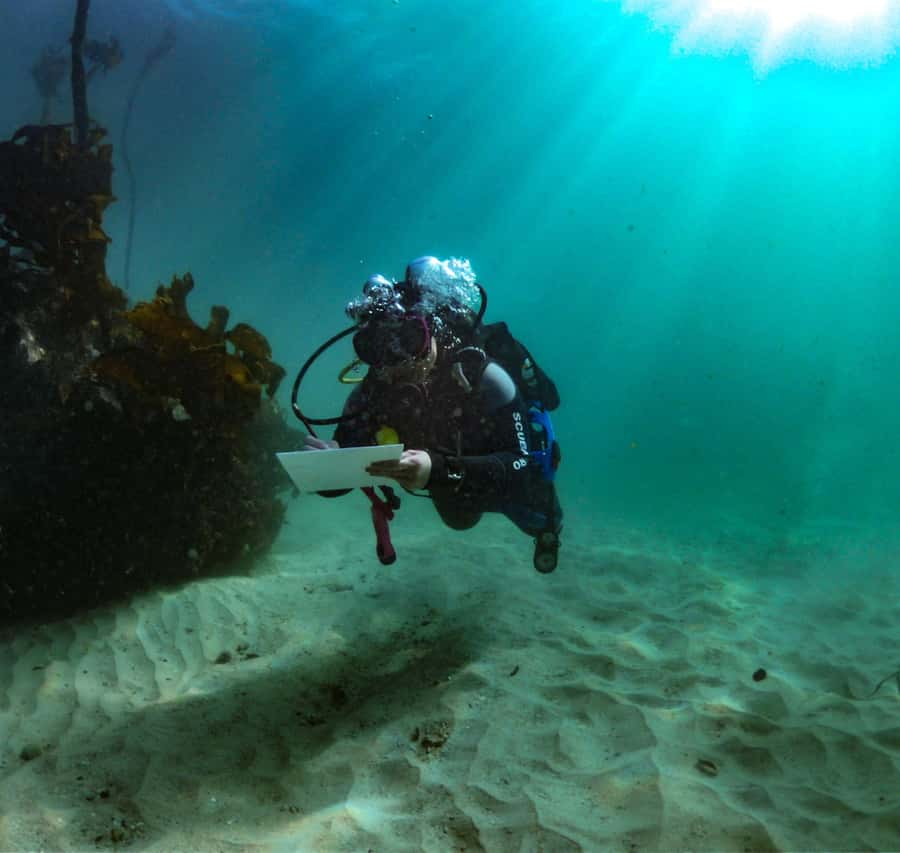
- Real conservation tasks: Photograph shark patterns for Fin Spotter or count fish with an underwater data slate.
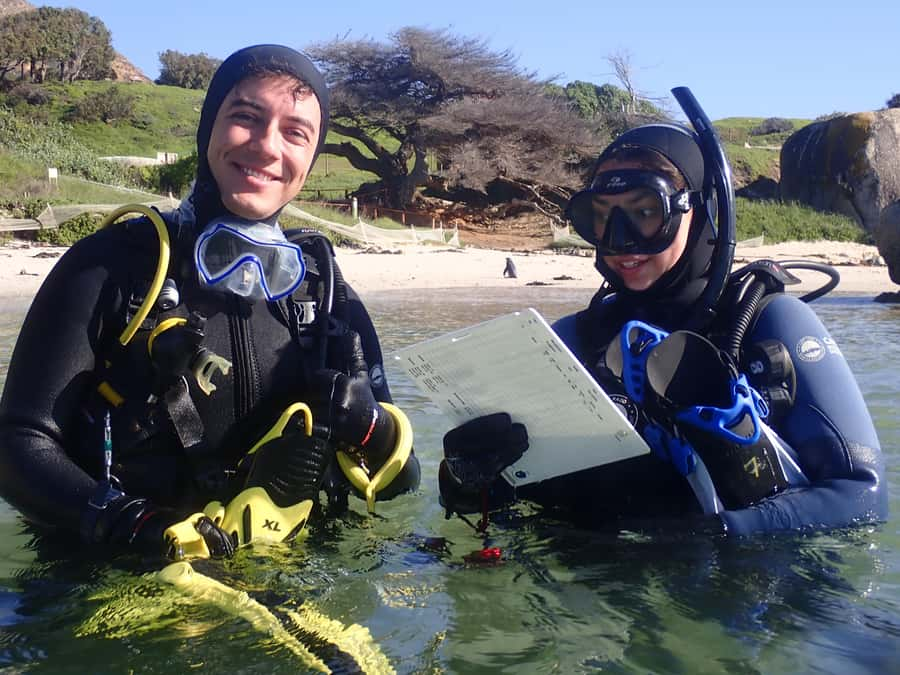
- Small group setting: Up to 10 people join the marine biologists, with English instruction.
- Short morning schedule: Meet around 9:30 a.m. and expect to finish near 12:30 or 1 p.m., in time for lunch.
- Certification required: You must already hold an open-water SCUBA qualification, and the outing is not suited to non-swimmers.
What this Simon’s Town experience is really about
Cape RADD’s outing puts the science first. You meet at the Ocean HUB in Simon’s Town, near the False Bay Yacht Club, then receive an introduction to the local marine ecosystem before entering the water. The goal is not to guarantee a shark sighting. The goal is to search carefully, observe what is present, and record useful information.
That distinction matters. Shark tours can sometimes feel like wildlife viewing with a conservation label attached. Here, the activities are more hands-on. You may photograph the individual patterns on a shark’s body and send those images to Fin Spotter. Those markings help researchers estimate population size and track movement patterns.
You may also collect fish abundance data with an underwater slate. That means noting what species you see and how many appear in the selected area. It is simple work, but it gives you a better reason to pay attention. Instead of rushing through the kelp, you look closely at the animals and their surroundings.
I like this format for people who want more than a quick underwater photo. You will still have time to enjoy the scenery, including the swaying sea bamboo kelp, but the experience gives your observation a purpose.
More Shark Dives in South Africa
- Shark Cage Diving and Viewing with transport from Cape Town
★ 4.5 · 576 reviews - Cape Town: Gansbaai Eco-Friendly Shark Cage Diving Cruise
★ 4.6 · 326 reviews - From Hermanus: Cruise with Shark Cage Dive and Lunch
★ 4.4 · 184 reviews
Meeting at the False Bay Yacht Club
The stated starting point is 117 St George’s Street, at the parking area of the False Bay Yacht Club, under the Seven Seas Club building. The meeting location is useful to know because this is not a hotel pickup tour. You must arrange your own way to Simon’s Town.
Plan to arrive ready for a morning in the water. Bring swimwear, a towel, sunscreen, water, snacks, and a hat. A warm drink is provided at the Cape RADD headquarters, but you should not rely on that as breakfast. The outing ends around lunchtime, not after a full day of activities.
The provider asks for a valid email address or phone number. Use a contact method you check regularly, since meeting details and any changes are sent through those details.
Once everyone is assembled, the day begins with a short safety briefing of about 20 minutes. This is an important part of the experience, not wasted time. Shore-entry SCUBA in a kelp forest requires you to understand how the group will move, how equipment will be checked, and how to avoid damaging marine life.
One particularly reassuring detail is the buddy check. Guide Mark is praised for checking the equipment carefully and making participants feel secure before entering the water. That practical attention is exactly what you want from an instructor-led outing.
Learning about the Great African Sea Forest
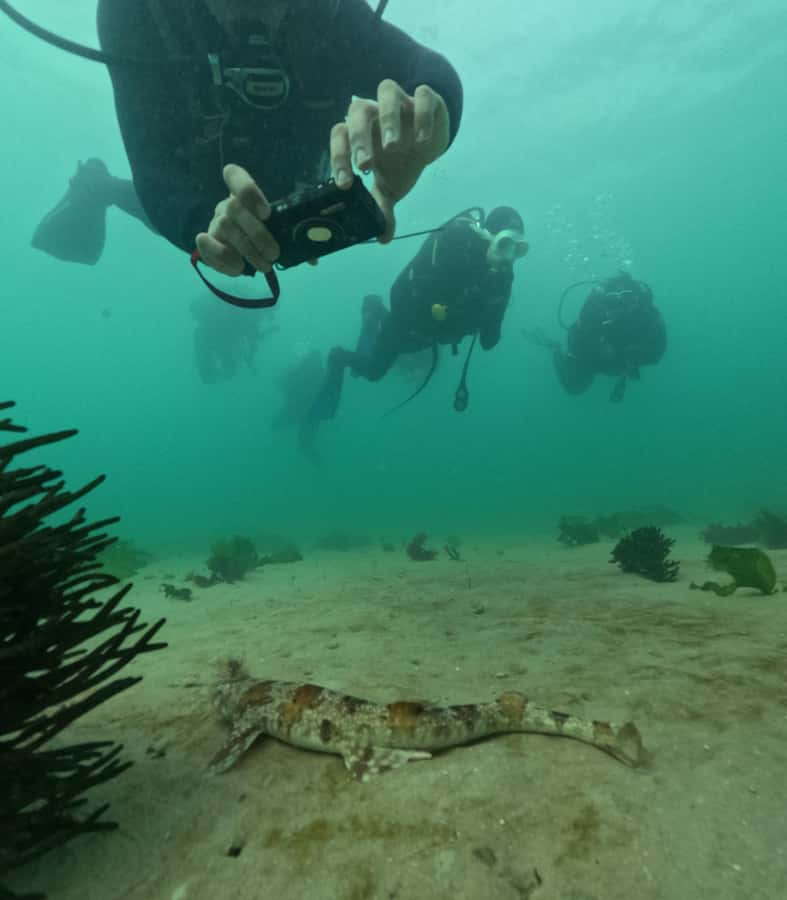
Before the water session, the marine biologists explain False Bay’s ecosystem and the role of South Africa’s kelp forests. The area is part of the Great African Sea Forest, a broad kelp ecosystem that shelters many kinds of marine life.
You will hear about the animals you may encounter and the science project behind the outing. The introduction is paired with complimentary tea or coffee, giving you time to settle in and understand the day’s objective.
The briefing is especially useful if you have only thought of kelp as underwater vegetation. The kelp creates a living habitat, not just a backdrop for photographs. It moves with the water and provides places for fish, sharks, rays, and smaller creatures to shelter.
The activity also asks you to treat the site carefully. Do not touch marine life or plants. That rule protects both the animals and the kelp, and it helps keep your visit from becoming a physical disturbance in a delicate ecosystem.
Entering the kelp forests near Simon’s Town
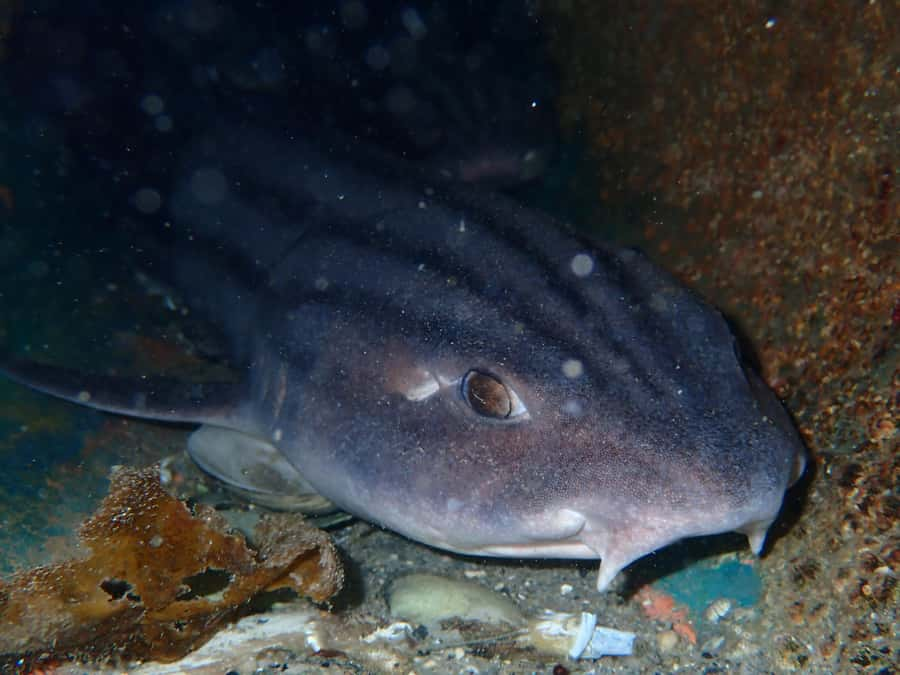
The main water session is described as a guided shore-entry SCUBA outing in predetermined sites around Simon’s Town. The schedule supplied for the experience calls this portion snorkeling, while the main description calls it SCUBA. Since you must hold a SCUBA certification and all diving equipment is included, clarify the exact format with Cape RADD before you pay.
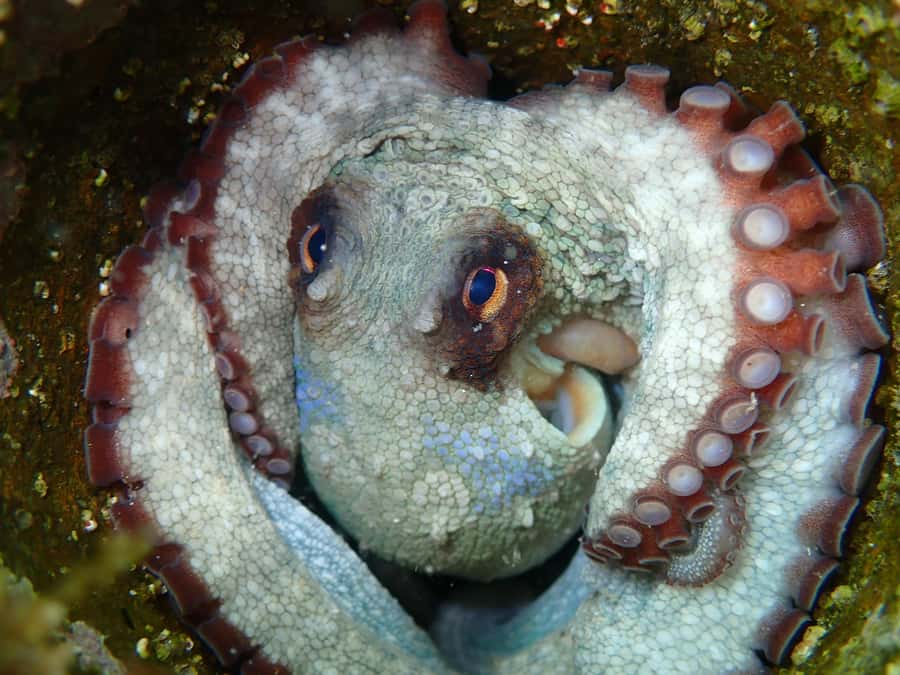
Once in the water, you search for species rather than following a fixed animal route. Potential sightings include puffadder sharks, pyjama sharks, stingrays, sea breams, octopus, and other fish. The wording is important: these are possibilities, not guaranteed sightings.
Puffadder sharks and pyjama sharks are among the more distinctive animals you might look for. The experience focuses on finding them in the kelp rather than attracting them with bait or placing you in an artificial viewing area. That makes a sighting feel more natural, but it also means conditions and luck play a part.
You may see penguins and sea otters at the selected sites. Again, treat these as possible additions to the outing rather than promises. The main attraction remains the kelp forest and its fish and shark habitat.
The water session lasts about an hour according to the schedule. That is enough time for a focused search, but it is not a long technical expedition. If you want several hours underwater, this will feel brief. If you prefer a compact morning activity that leaves the rest of your day open, the timing works well.
More Shark Dives in Cape Town
- CapeTown: Shark Cage Diving Experience with Scuba
★ 4.5 · 146 reviews - Shark Cage Diving Cape Town
★ 4.5 · 114 reviews - Cape Town: Shark Cage Dive
★ 4.7 · 46 reviews - Cape Town: Shark Cage Diving with Snacks and Soft Drinks
★ 5.0 · 21 reviews
Turning photographs into shark data
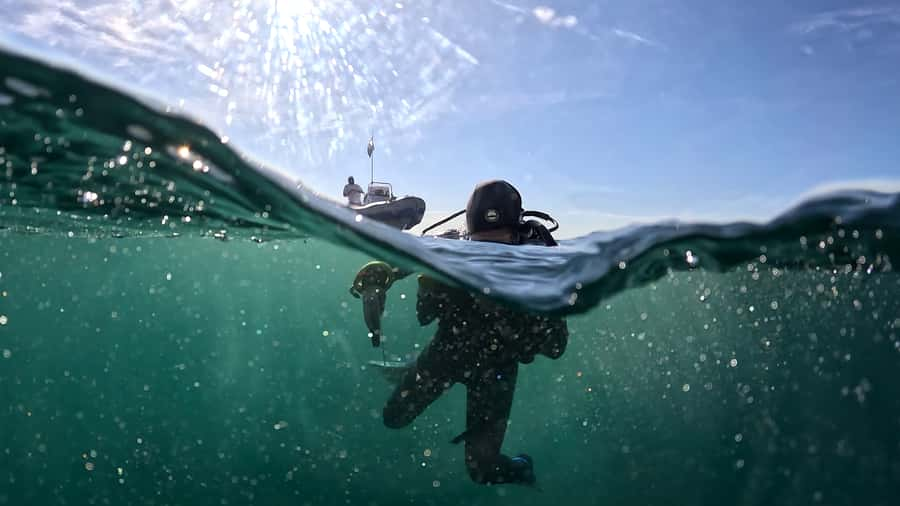
The Fin Spotter element gives the outing its strongest practical hook. If you find a shark, you can photograph its body markings and submit the images. Researchers use those patterns to help estimate shark numbers and understand movement through the area.
This also changes how you use your camera. You are not only trying to capture a dramatic animal portrait. You need a useful image of the markings, taken without touching the shark or chasing it. The guide can help explain what to photograph and how to behave around the animal.
You should bring patience. A shark may not appear immediately, and a good photograph may require careful positioning. The activity is better suited to someone who enjoys watching and recording than to someone who expects constant action.
The alternative task involves recording fish abundance on an underwater data slate. This can be rewarding if you enjoy marine biology, but it may feel like work to someone expecting a purely recreational SCUBA outing. That balance is worth understanding before booking.
The heated shower and coffee afterward
After the water session, you return to Cape RADD headquarters, rinse equipment, and use a heated outdoor shower. That warm rinse is a small but welcome comfort after a morning in the sea.
You then share stories, have a warm beverage, and enter the collected information into the database. This closing step helps connect the underwater observations with the conservation work. You are not simply told that your data matters. You take part in recording it.
The full experience lasts roughly 3 to 3.5 hours, with a planned finish around 12:30 to 1 p.m. The schedule includes about 20 minutes for the safety briefing, around one hour in the water, and about 15 minutes for coffee. The remaining time covers preparation, equipment, the science introduction, and data logging.
The short format is useful if you want to have lunch afterward or combine this with another Cape Peninsula plan. It also means the outing may feel rushed if the group needs extra time with equipment or if you want a long conversation with the marine biologists.
What the $178 price includes
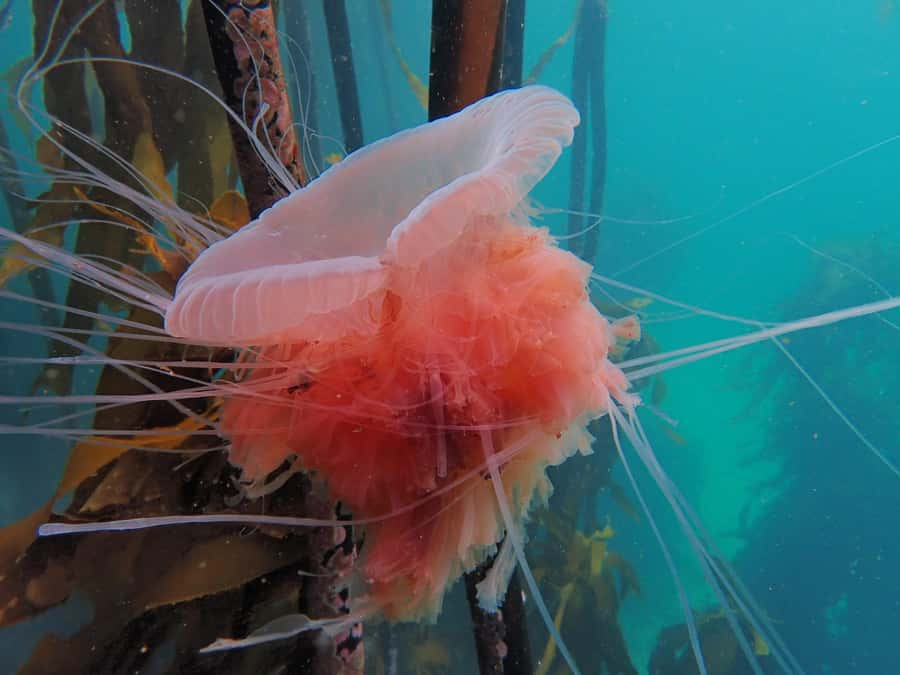
At $178 per person, this is not the cheapest way to spend a morning in Simon’s Town. The price includes the guided SCUBA outing, marine biology briefing, all diving equipment, access to the conservation tasks, and the chance to explore the kelp forests with an instructor.
The value depends on what you want from the experience. If you only want to swim through kelp and see marine life, a less specialized water activity may cost less. If you value instruction, equipment, and a direct connection to marine research, the price makes more sense.
You are also paying for a small group, capped at 10 people. One booking had only one participant, creating a very personal session. You should not assume every date will be private, but the group limit gives the instructors a reasonable chance to monitor equipment and explain the work.
Lunch and transport are not included. You should add the cost of reaching Simon’s Town and eating afterward when comparing this with other Cape Town activities.
The strongest parts of the instruction
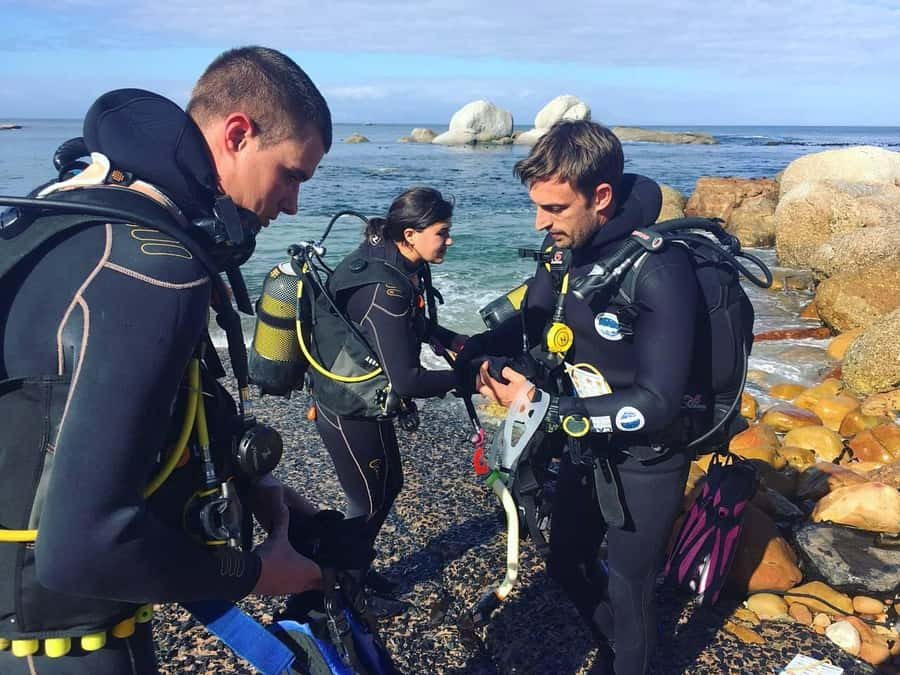
The most highly praised aspect is the care shown by the guide. Mark is specifically noted for answering questions, checking the equipment with a buddy system, and making participants feel comfortable. Those details matter more than a long speech about conservation. Good preparation is essential for a shore entry, especially in kelp.
The marine ecosystem lesson is another strong point. You learn why False Bay is worth protecting, then see part of that system from inside the water. That link between explanation and experience gives the morning more substance.
Still, communication after the outing has not always been dependable. One participant was promised photographs by email and did not receive them after following up. Another concern was that some expected items, including a certificate, were not provided and that the ending felt hurried.
That does not erase the strengths of the activity, but it gives you a useful tip: ask exactly what photographs, certificates, or follow-up material are included before entering the water. Do not treat a promised image as guaranteed unless the provider confirms the process.
Who should book this outing
This experience suits a certified SCUBA diver who wants a short, science-focused morning in False Bay. You should be comfortable swimming, handling standard equipment, and following instructions in an open-water kelp environment.
It is a good fit if you like wildlife but do not need a guaranteed encounter. You will have more fun if you can appreciate the search itself, the movement of the kelp, and the process of collecting useful observations.
It also suits people interested in conservation. The Fin Spotter photographs and fish counts give you a clear role, even if the animals are elusive.
The outing is not suitable for children under 10, non-swimmers, wheelchair users, or people with back or heart problems. You must already be certified for open-water SCUBA. English is the stated language.
Practical details that affect your day
Cape RADD offers free cancellation up to 24 hours before the activity and allows you to reserve now and pay later. Availability and start times can vary, so check the date carefully before making other plans.
Smoking is not allowed. You also may not touch marine life or plants. Bring your own towel, swimwear, snacks, sunscreen, water, and hat. All diving equipment is included, but personal comfort items are not.
The experience is advertised as valid for one day, but the actual program is a morning session. Think of it as a half-day activity with a planned finish before lunch, not a full-day expedition.
The biggest practical question is the SCUBA and snorkeling wording. The experience requires certification and describes a guided shore-entry SCUBA outing, but the schedule labels the water portion snorkeling. Contact Cape RADD to confirm what equipment, depth, and underwater tasks apply to your booking.
Should you book the Cape RADD shark science outing?
Book it if you are certified, curious about marine research, and happy to trade guaranteed sightings for a careful search in a real kelp forest. The chance to record shark markings or fish numbers gives the morning a purpose, and the small group setting plus careful equipment checks add confidence.
Think twice if you want a long underwater session, a guaranteed shark encounter, or polished follow-up photographs. The outing lasts only about 3 to 3.5 hours, and communication after the activity has not always been consistent.
For the right person, $178 buys more than equipment rental. It buys instruction, access to a remarkable False Bay habitat, and a small contribution to conservation data. Just confirm the exact water format and any promised extras before booking.
FAQ
Where does the experience begin?
Meet at 117 St George’s Street, in the parking lot of the False Bay Yacht Club under the Seven Seas Club building.
How long does the activity last?
The experience lasts about 3 to 3.5 hours. You should expect to finish around 12:30 to 1 p.m.
Do I need SCUBA certification?
Yes. You must be a qualified open-water SCUBA diver. The activity is not suitable for non-swimmers or people without certification.
Is transport included?
No. You are responsible for getting to the meeting point in Simon’s Town.
Is diving equipment included?
Yes. All diving gear is included in the price.
What animals might I see?
Possible sightings include puffadder sharks, pyjama sharks, stingrays, sea breams, octopus, fish, penguins, and sea otters.
Will I definitely see sharks?
No. The experience involves searching for sharks and other marine life in the kelp forests, but sightings are not guaranteed.
Can I take part in conservation research?
Yes. You may photograph shark patterns for submission to Fin Spotter or record fish abundance on an underwater data slate.
What should I bring?
Bring a hat, swimwear, towel, snacks, sunscreen, and water. A warm beverage is provided after the water session.
Newly logged dives around Cape Town
- Scuba Dive in Cape Town: 2 Dives for certified divers★ 5.0 · 12 reviews
- From Cape Town: Gans Bay Shark Cage Diving★ 5.0 · 2 reviews
- From Cape Town: 2-Day Garden Route Safari with Shark Diving★ 5.0 · 2 reviews
- From Cape Town: Shark Cage Diving and Penguin Tour★ 3.9 · 15 reviews
- Cape Town: Shark Cage Diving with Snacks and Soft Drinks★ 5.0 · 21 reviews
- Exhilarating Shark Cage Diving Experience in Cape Town★ 4.3 · 2 reviews
- Cape Town: Shark Cage Diving Tour (with Breakfast & Lunch)★ 4.8 · 5 reviews
- Cape Town: Shark Cage Dive★ 4.7 · 46 reviews
Shark Dives & Cage Diving, side by side.
Swim with Whale Sharks in the Ningaloo Reef: 3 Island Shark Dive
Read our review →
From Hermanus or Cape Town: Shark Cage Diving Experience
Read our review →
Shark Cage Diving and Viewing with transport from Cape Town
Read our review →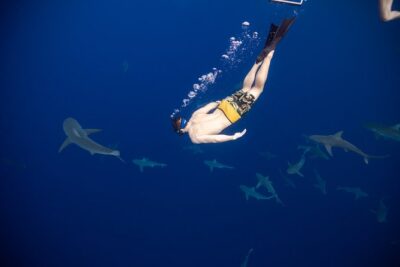
Safe and Educational Shark Dive from Haleiwa: Sharks Guaranteed
Read our review →