
Review · MALTA
St Julians: Discover Scuba Diving Experience
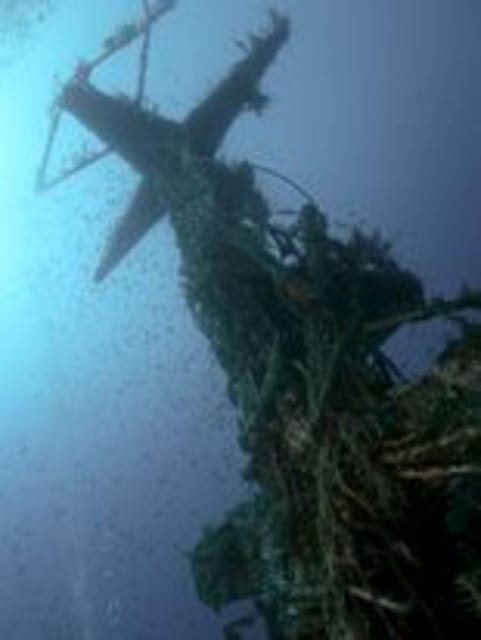
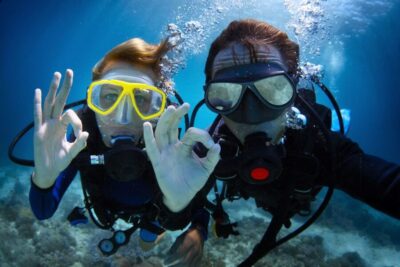
The most memorable part of this St Julian’s experience may be the moment you first breathe underwater. After a careful lesson and shallow-water practice, you spend about an hour exploring Malta’s marine life with an instructor close by. One session even reached a World War II wreck, though the exact underwater site can vary.
I like the patient teaching, especially for first-timers who feel nervous about breathing through a regulator. I also like the practical format: you learn mask and regulator skills, then use them in the sea rather than sitting through a long classroom course. The main consideration is medical fitness. Scuba is not suitable for everyone, and you must leave at least 12 hours between the session and a flight.
I also like the convenient meeting point at Divewise beside the Westin Dragonara Resort, plus the chance to reserve now and pay later. The experience costs $106 per person, which is fair if you want a guided introduction with equipment included, but it is not a substitute for a full certification course.
Key points to know before booking
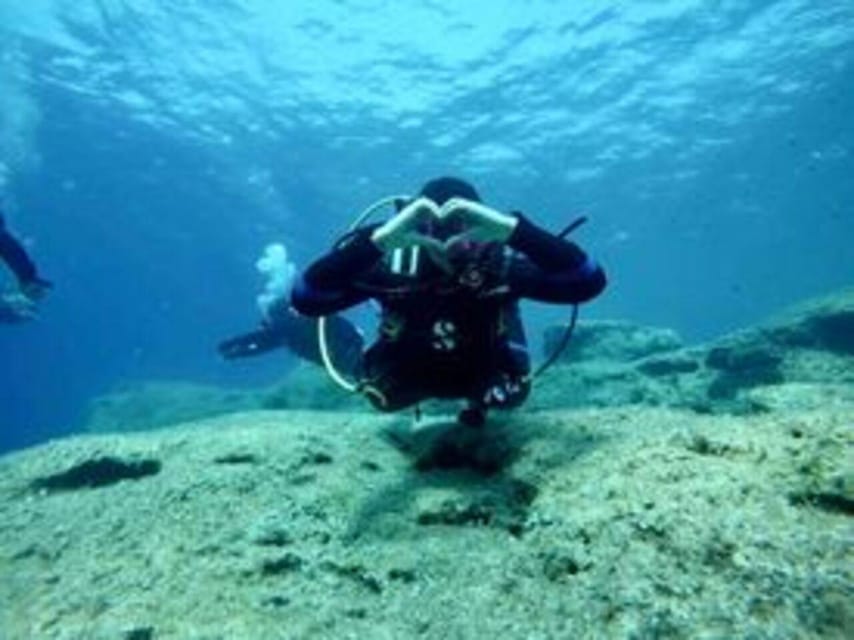
- A real beginner lesson: You learn equipment, hand signals, safety rules, mask clearing, and regulator procedures before entering deeper water.
- About one hour underwater: The main sea session follows roughly 30 minutes of instruction and practice.
- Patient instructors matter here: Guides including Nico, Mike, Jackson, Iona, and others are praised for calm explanations and allowing people to progress slowly.
- A possible wreck encounter: One outing included a World War II shipwreck, but the exact route and underwater sights are not guaranteed.
- Medical rules are important: Respiratory, heart, ear, sinus, neurological, blood-pressure, and recent-surgery concerns may require medical clearance or make the activity unsuitable.
- Plan around your flight: You need at least 12 hours out of the water before flying.
Why this St Julian’s session works for first-timers
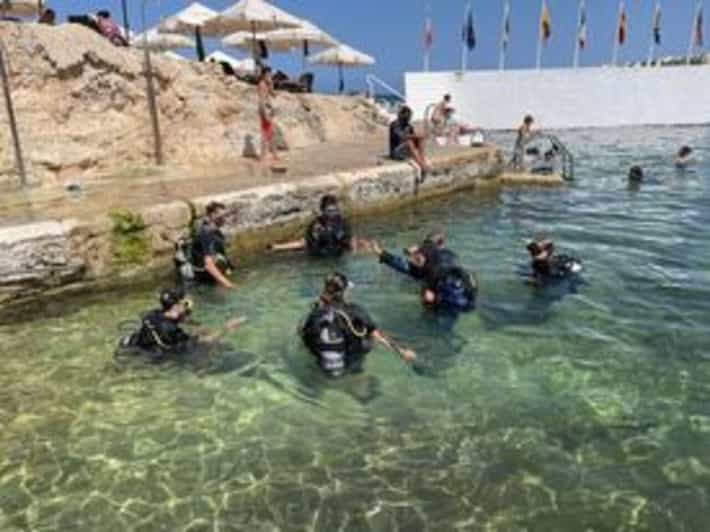
You do not need prior scuba experience for this activity. The session is built around a simple progression: listen, practise, get comfortable, then explore.
That order matters. Many people are fine with swimming but find underwater breathing strange at first. The instructor gives you time to adjust instead of treating the first few minutes as a race. This is especially helpful if you need to surface, reset your mask, or work out how the equipment feels.
The instruction covers the main pieces of beginner safety. You learn how the equipment works, how to communicate with hand signals, and what to do if water enters your mask or you lose contact with your regulator. You then practise these actions in shallow water, where you can concentrate without also worrying about depth.
You should expect a controlled lesson rather than a free-form swim. The instructor remains with you throughout the underwater portion and helps you move at a suitable pace. That close supervision is one of the strongest reasons to choose this over trying to arrange equipment or instruction separately.
More Discover Scuba Diving in the world
- Discover Scuba Diving
★ 5.0 · 1,676 reviews - Barcelona: PADI Discover Scuba Diving
★ 4.7 · 1,016 reviews - Discover Diving in Curacao
★ 5.0 · 886 reviews
Starting at Divewise beside the Westin Dragonara Resort
The meeting point is Divewise at the Westin Dragonara Resort in St Julian’s. Allow time to arrive ready for an activity, not just a sightseeing stop. You will need swimwear, beachwear, and drinks. Meals and personal expenses are not included.
The total booking length is 2.5 hours, although the stated activity schedule includes a 30-minute safety briefing and about one hour of scuba exploration. The extra time allows for preparation, equipment fitting, moving to the water, and returning to the centre.
This location also works well if you are staying in St Julian’s or nearby. One family session was described as only about 10 minutes by taxi from the cruise port, though your journey time will depend on traffic and where you are staying.
The available teaching languages are English, Spanish, French, Italian, Afrikaans, and Polish. That is useful for a technical activity where small misunderstandings can matter. Still, if you have a preferred language, confirm it when booking rather than assuming every session will be offered in all six languages.
The 30-minute briefing: what you actually learn
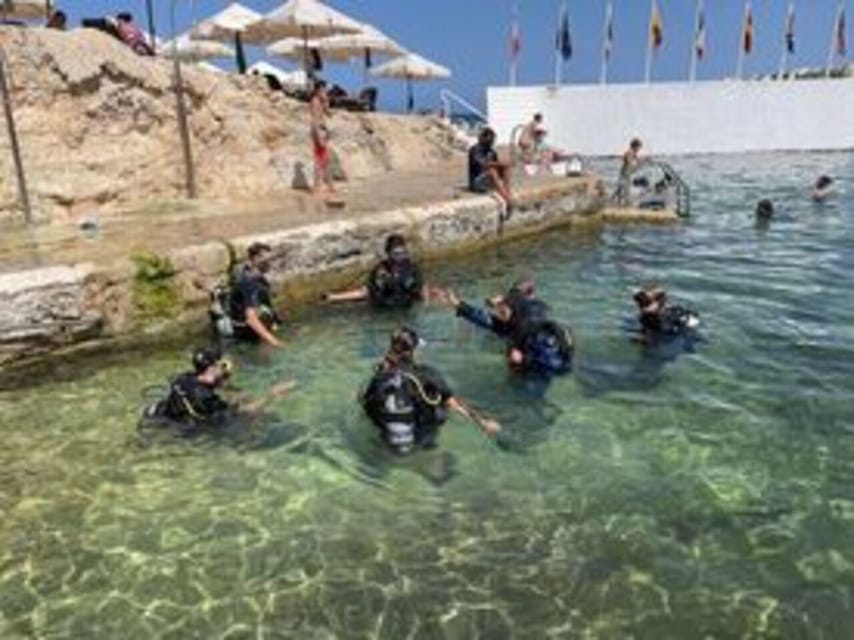
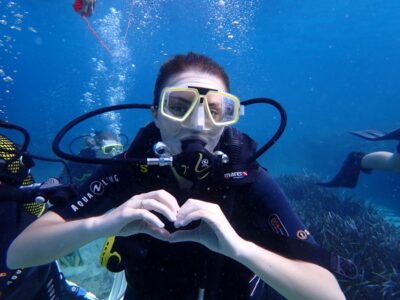
The first formal part is a safety briefing lasting around 30 minutes. You are introduced to the tank, regulator, mask, fins, wetsuit, and other basic equipment. The instructor also explains hand signals and the rules for staying safe underwater.
This is not filler before the main event. It is where you learn how to communicate without speaking and how to respond if something feels uncomfortable. For a first session, that knowledge can make the difference between enjoying the sea and spending the whole time worrying.
The practical exercises include clearing water from the mask and managing the regulator. These are basic actions, but they can feel awkward when you first try them. A good instructor will let you repeat them until they feel manageable.
The teaching style appears to be one of the strongest parts of the experience. Jackson helped a returning participant rebuild confidence after nine years away from scuba. Nico was praised for waiting while new participants adjusted to weights and buoyancy. Mike allowed a nervous beginner to surface several times and did not pressure him to go deeper.
That is exactly the approach I want for a first session. You should not be pushed beyond your comfort level simply because the clock is running.
Getting comfortable in shallow water
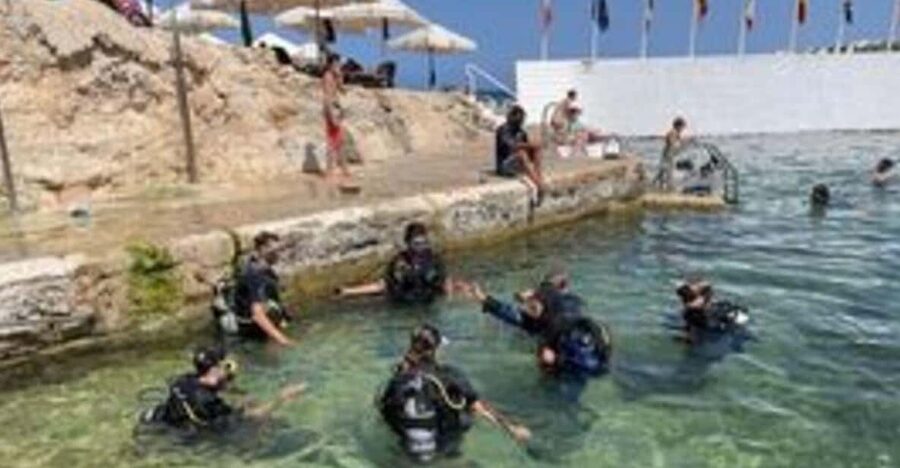
After the briefing, you put on your wetsuit, fins, mask, and tank. The first practical work takes place in a pool or calm, shallow area of the sea. The precise setting can depend on conditions and the day’s arrangement.
Shallow water is useful because you can focus on breathing, balance, and movement without trying to solve everything at once. Your instructor checks that you can use the equipment and manage the basic procedures before taking you farther from shore or below the surface.
This part may feel slow if you are already an experienced scuba participant. For a complete beginner, it is the heart of the lesson. You get the chance to discover how much air effort is needed, how the fins affect your movement, and how small body movements influence buoyancy.
The session also suits people returning to scuba after a long break. It does not assume that old skills are still automatic. The instructor can go back over the basics and watch how comfortable you are before continuing.
More scuba diving around the world
- Great Barrier Reef Snorkeling and Diving Cruise from Cairns
★ 4.5 · 3,714 reviews - First-Time Scuba Diving in Honolulu + Free Videos
★ 5.0 · 3,123 reviews - Oahu Shark Dive
★ 5.0 · 2,903 reviews - Southern Tenerife: 50-Minute Submarine Dive
★ 4.8 · 2,216 reviews
About one hour exploring Malta underwater
Once you are ready, the group moves on to the main underwater session, which lasts about an hour. Your instructor remains nearby, guides the route, and watches your comfort and safety.
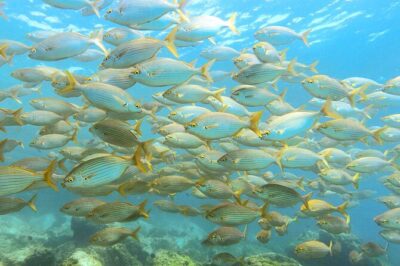
The appeal is not only the act of using scuba equipment. Malta is known for clear Mediterranean water and underwater sites with marine life and reef scenery, and this experience gives you a structured way to see that world. You may notice fish, rock formations, and reef areas, although the exact sights depend on the selected location and conditions.
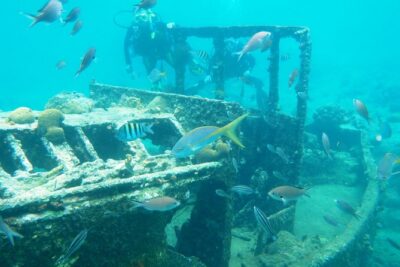
One particularly memorable session reached a World War II shipwreck off a Maltese canal. The wreck had been sunk by an Italian bomber, making it more than just an underwater object. It connected the natural setting with Malta’s wartime past.
You should not book on the assumption that every participant will visit that same wreck. The advertised experience promises guided underwater exploration, not a guaranteed wreck route. Still, the possibility adds interest, especially if you already enjoy maritime history.
The instructor’s presence is important here. You are not expected to navigate alone or remember every procedure while also looking around. The guide helps you move through the site and can bring your attention to marine life or features you might otherwise miss.
The people who make the session work
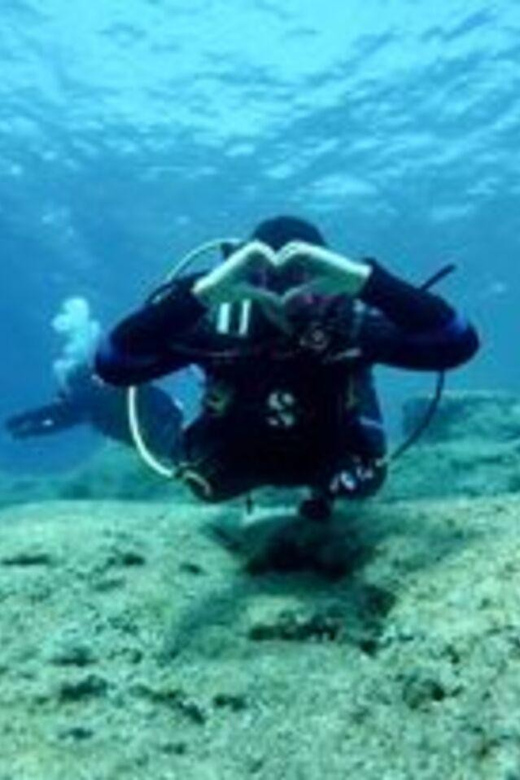
For a beginner activity, the instructor can matter more than the scenery. The available feedback points repeatedly to calm explanations, careful checks, and a willingness to stop when someone needs more time.
Nico, also called Nicholas, is praised for explaining each stage clearly and waiting until everyone felt fully comfortable before moving on. Iona is remembered for making the safety lesson easy to follow and for guiding the mask and regulator practice. Mike helped a nervous participant surface quickly when needed and later assisted with logging the session in the PADI app.
Other named instructors include Jackson, Henry, Yarik, Sam, Mark, and Craig. The exact guide depends on the date and group, so you cannot request a particular teaching style unless Divewise confirms availability. Still, the pattern is clear: this is a centre where beginner reassurance is treated as part of the job.
Teenagers can also take part from age 10, according to the suitability rules. Anyone under 18 needs a parent’s permission to enrol. A family session with children aged 12 and 14 included about an hour in the sea, but young participants still need to meet the same health and comfort requirements as adults.
Is $106 good value?
At $106 per person, this is a reasonable price for a guided first scuba session if you want equipment, instruction, and underwater supervision in one booking.
The cost covers the orientation, safety lesson, scuba equipment, and guided exploration with a certified instructor. You are paying for more than tank rental. You are paying for someone to fit the equipment, teach the procedures, monitor your comfort, and guide you underwater.
That makes the price easier to justify for a complete beginner. Arranging equipment and instruction separately would add complexity, and a first session is not the right moment to cut corners on supervision.
The value is weaker if you already hold a current certification and simply want an independent recreational outing. This session is designed as an introduction, so much of the first half repeats basic skills. For that reason, experienced participants may prefer a standard guided scuba trip or a formal certification course.
The activity also functions well as a test. If you are considering future training, this gives you a chance to find out whether you enjoy underwater breathing, equipment, and buoyancy before committing to a longer course.
Medical rules and flight planning
You need good physical and mental health for recreational scuba. The supplied medical questions ask about lung, breathing, heart, blood, ear, eye, sinus, neurological, psychological, and surgical conditions.
If you answer yes to any of the medical questions, you may need a doctor’s sign-off before taking part. The guidance also says not to participate if you are feeling ill, and a cold can make the experience unsuitable.
People with back problems, heart problems, respiratory issues, epilepsy, high blood pressure, recent surgery, or other pre-existing medical conditions may not be accepted. Read the medical questionnaire before paying, not the night before the activity.
Flight timing is equally important. You must remain out of the water for at least 12 hours before flying. If this is one of your last Malta activities before an airport transfer, check your schedule carefully. A morning session before an evening flight may fit the rule, but you should allow a safe margin rather than cutting it close.
Alcohol and drugs are not allowed. Bring water or another non-alcoholic drink, and do not treat the session as a casual beach activity if you are not fit to take part.
Who should book this experience?
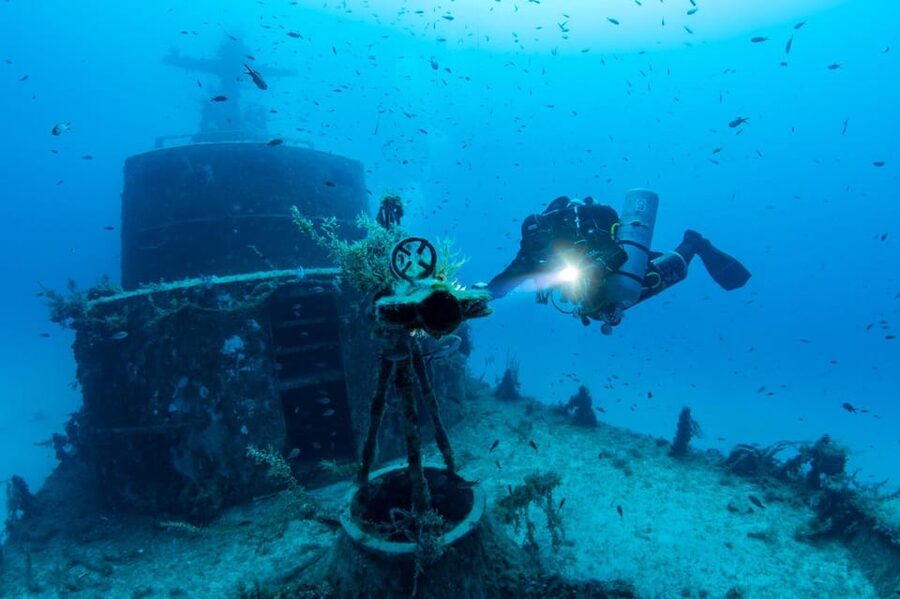
I would recommend it to adults and children aged 10 or older who are curious about scuba but do not yet want a full qualification. It is also a good match for a nervous beginner because the lesson allows time for shallow-water practice and repeated checks.
It suits you if you value instruction and supervision more than a large amount of free swimming time. The guide stays involved throughout, which makes the session reassuring but means you will not be exploring independently.
It can also work for someone returning after a long break. Jackson’s patient refresher with a participant who had not been underwater for nine years shows that the lesson can rebuild old skills rather than simply assume them.
I would not choose it if you have a tight flight schedule, unresolved medical concerns, or a strong dislike of close instruction. It is also not the right product if your main goal is a full scuba qualification. Think of it as a carefully managed introduction and a way to decide if further training appeals to you.
FAQ
Where does the scuba experience start?
You meet at Divewise at the Westin Dragonara Resort in St Julian’s.
How long does the activity last?
The booking duration is 2.5 hours. The listed schedule includes a 30-minute safety briefing and about one hour of scuba exploration, with additional time for preparation and returning to Divewise.
Is this suitable for someone with no scuba experience?
Yes. The session teaches basic equipment use, hand signals, safety procedures, and beginner skills before you explore underwater with an instructor.
What equipment is included?
Scuba equipment is included, along with the orientation, safety briefing, and guided underwater exploration.
What should I bring?
Bring swimwear, beachwear, and drinks. Meals and personal expenses are not included.
How old must participants be?
Children under 10 cannot take part. Anyone under 18 needs permission from a parent to enrol.
Can I fly after the session?
You must wait at least 12 hours after scuba before flying.
What languages are available?
Instruction is available in English, Spanish, French, Italian, Afrikaans, and Polish.
Should you book it?
Book this St Julian’s session if you want a safe, structured first look at scuba and appreciate an instructor who will slow down when needed. The combination of shallow-water practice, about an hour underwater, included equipment, and careful supervision gives beginners a sensible introduction.
Before booking, check the medical questions and your flight schedule. If both work, $106 buys more than a quick swim with a tank. It gives you a chance to see Malta from below, learn useful skills, and decide if a full scuba course is your next step.
Newly logged dives around the world
- Phu Quoc: Scuba Diving Experience for All Levels★ 4.9 · 31 reviews
- Moalboal : Scuba Diving Sardine Run and Turtle Chasing★ 5.0 · 2 reviews
- From Alanya: Scuba Diving Tour with Hotel Transfers★ 3.7 · 3 reviews
- Scuba Diving in Colombo★ 5.0 · 2 reviews
- Scuba Diving in the Volcanic Caldera/shorelines of Santorini★ 4.6 · 5 reviews
- Fuerteventura: Introductory Dive in La Lajita with Pickup★ 4.9 · 68 reviews
- Kemer Scuba Diving with Expert Diving Option★ 4.2 · 45 reviews
- Phuket: Coral Reef Scuba Diving Experience at G Beach Club★ 4.9 · 32 reviews
Discover Scuba Diving, side by side.
Cyprus: Introductory Scuba Lesson and Dive with Transfer
Read our review →
Half-Day Scuba Diving Tour – Discover Scuba Diving!
Read our review →Lists this dive is on