
Review · MALAYSIA
Penang Cooking Class:Dive into Malaysian Cuisine with PenangChiak
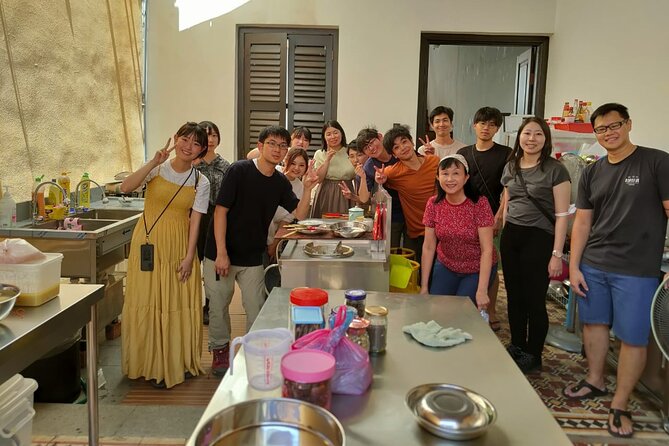
Penang Chiak begins where Penang food begins: at Chowrasta Market, with spice stalls, fresh produce, handmade wrappers, fish, pastries, and the morning rush of local shoppers. After breakfast, you head to the kitchen to prepare several dishes, often including Char Kway Teow, Kueh Pie Tee, Choon Piah, Masala Chicken, spring rolls, or Nyonya food.
I like the market visit because it gives names, smells, and stories to ingredients you may otherwise pass in a restaurant. I also like the hands-on teaching, especially when Amy, Santi, Jenny, or another instructor adjusts the spice level and pace to suit your group. The main caution is timing: morning sessions can run longer than four hours, and the cooking may feel more like a lesson than a relaxed social activity for some people.
Key points to know before booking
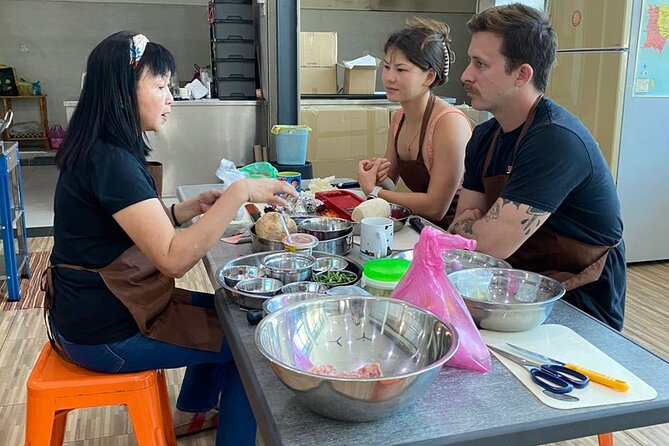
- Chowrasta Market comes first: The morning route covers produce, spices, fish, handmade wrappers, local sweets, and breakfast food.
- The 8:00 AM class includes the market and breakfast: Afternoon sessions do not include these morning extras.
- Your menu can vary: Penang, Nyonya, Malay, and Indian cooking options appear across the classes.
- Expect practical instruction: You learn how to handle spice pastes, cut ingredients, balance heat, and repeat the recipes at home.
- Private groups get personal attention: Only your group takes part, though the amount of hands-on cooking depends on group size.
- The $116 price covers more than a meal: Ingredients, utensils, breakfast on the morning schedule, market guidance, and the cooking lesson are included.
Why Chowrasta Market is the right place to begin
The best part of this Penang cooking class happens before anyone turns on a burner. At Chowrasta Market, you see the raw materials of the island’s food culture in their everyday setting, not arranged for a tourist demonstration.
Your guide may point out seasonal fruit, fresh coconut, herbs, spice mixtures, fish, spring roll wrappers, colorful kueh, and ingredients used in Nyonya cooking. The market route has also included tastings of fruit and local snacks, with explanations of where produce comes from and how families use it.
Mok is one of the guides associated with the morning walk. He has taken groups from stall to stall, explained ingredients, and answered questions about local customs and food traditions. Santi and Jenny also lead market walks for some classes. The exact guide depends on your booking and selected cooking program.
You should arrive ready to look closely. A spice stall is not just a place to buy curry powder. It shows how blends are made and adjusted. A fruit stall can explain what is in season. A wrapper maker gives you a glimpse of the skill behind a spring roll before you try to fold one yourself.
The market is also a useful lesson in Penang’s mix of Chinese, Malay, Indian, and Nyonya food. That variety matters later in the kitchen. A Char Kway Teow prepared at a Chinese hawker stall may use pork lard, while a Malay version follows halal rules and leaves it out. The ingredients and cooking methods overlap, but the final taste can differ.
More ways to get underwater around the world:
- Great Barrier Reef Snorkeling and Diving Cruise from Cairns
★ 4.5 · 3,714 reviews - First-Time Scuba Diving in Honolulu + Free Videos
★ 5.0 · 3,123 reviews - Oahu Shark Dive
★ 5.0 · 2,903 reviews
Morning breakfast is part of the lesson
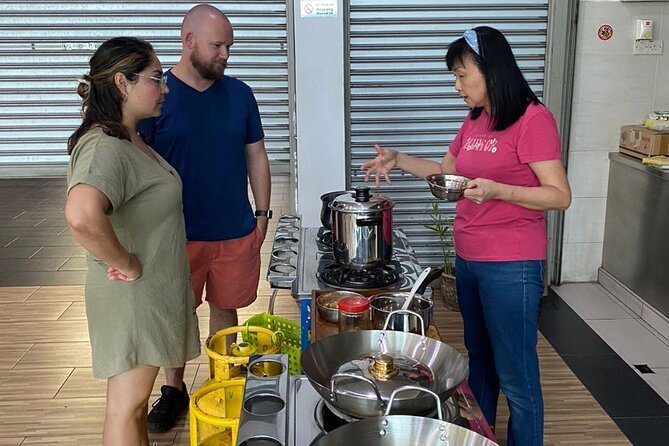
If you choose the 8:00 AM class, breakfast is included after or during the market tour. This is not simply a filler meal. You may sample local morning foods, white coffee, pastries, noodles, or other market fare, depending on the route and availability.
One useful tip: do not eat a full breakfast before arriving. The market food is part of the program, and you will later prepare several dishes. You do not need to arrive hungry enough to suffer, but saving room makes the morning more enjoyable.
The breakfast stop also helps you see how Penang people eat outside the restaurant setting. You can compare a finished dish with the ingredients you have just seen, then try to reproduce some of its balance later in the kitchen.
The drawback is the early start. An 8:00 AM meeting time may be easy for early risers and less appealing after a late night in George Town. Still, the early hour is valuable because the market is active and local shoppers are buying ingredients for the day.
From market stalls to the Penang Chiak kitchen
After the market and breakfast, the group moves to the cooking space. The class location is inside a shopping center, and it may not be immediately obvious from the street. On the supplied meeting details, the official start and finish are both at Pasar Chowrasta Market, Lot 124, Jalan Penang, George Town.
Mok or another member of the team may meet you and help you find the kitchen. This is worth noting if you are arriving alone or do not know the area. Pickup is offered, and some bookings have included help from the team with transport arrangements, but you should confirm the details for your own reservation.
The cooking area has space for bags, toilets, hand-washing facilities, soap, and filtered drinking water. It is described as clean and well kept. With several burners running, the room can become warm, so light, loose clothing is a sensible choice.
The kitchen is where the class earns its price. All ingredients and utensils are provided, so you are not spending the session searching for obscure herbs or buying equipment you cannot take home. Your job is to pay attention, handle the ingredients, and ask questions.
What you may cook during the four-hour class
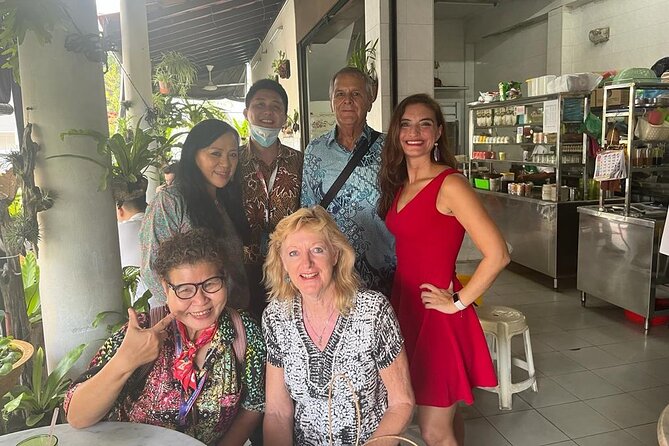
The advertised dishes include Kueh Pie Tee, Char Kway Teow, Choon Piah, and Masala Chicken, but the menu is not limited to those items. Other sessions have covered spring rolls, roti, rendang chicken, Indian meals, Lor Bak, steamed pandan cake, chrysanthemum tea, and several Nyonya dishes.
That range reflects Penang’s food culture. This is not a single fixed recipe class in the style of a standard Western cooking school. Menus can be arranged around a particular cuisine or booking request, including Malay, Nyonya Chinese, and Indian cooking.
Char Kway Teow is a good example of what you learn here. The dish looks simple, but the result depends on heat, timing, noodles, sauce, seafood, egg, sausage, and the fat used in the pan. Watching the instructor explain the order of ingredients is more useful than receiving a list of measurements alone.
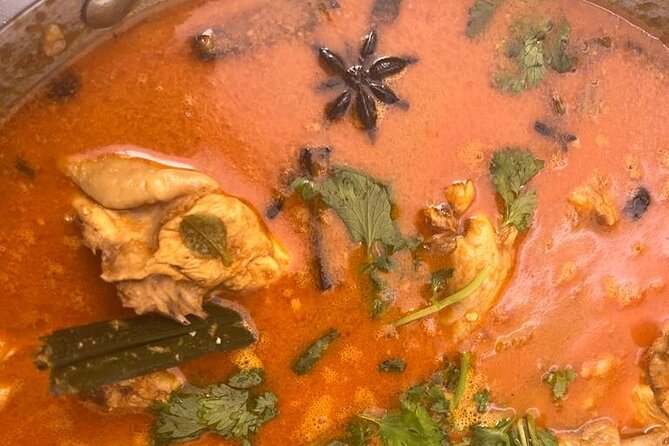
Kueh Pie Tee brings a different set of skills. You work with crisp pastry shells and a savory filling, paying attention to texture and presentation. Choon Piah and spring rolls add folding and frying practice. Masala Chicken introduces spice handling and the slow building of flavor through a prepared paste.
In some classes, Chef Amy teaches step by step and has students take turns with the preparation. Jenny leads Indian cooking sessions and offers advice that applies beyond the recipes, such as knife technique and how to prepare vegetables. Santi has also taught small groups and solo participants.
The cooking is designed to be useful at home. You are not merely watching a chef finish a dish. You get explanations of how to work with spices, how to adjust chili, and how to recognize the right stage of cooking. Recipes are provided as part of some classes, though you should confirm what will be sent for your selected menu.
More scuba diving around the world
- Southern Tenerife: 50-Minute Submarine Dive
★ 4.8 · 2,216 reviews - Silfra: Diving Between Tectonic Plates – Meet on Location
★ 5.0 · 2,139 reviews - Ocean Freedom Great Barrier Reef Luxury Snorkel and Dive Cruise
★ 5.0 · 1,895 reviews - Beginner Scuba Diving with Turtles and Videos, San Juan
★ 5.0 · 1,743 reviews
The people make the class personal
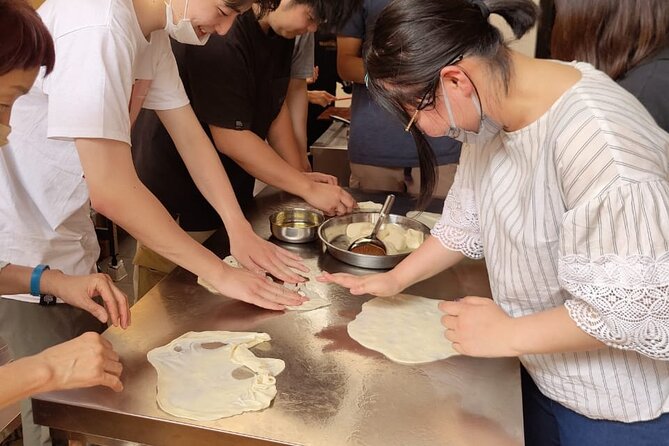
Penang Chiak is built around a small team rather than one fixed instructor. Amy, Mok, Simon, Santi, and Jenny appear in different parts of the program, with Amy often teaching Nyonya and Chinese-style dishes, Jenny handling Indian cooking, and Mok or Santi guiding market visits.
That matters because a private cooking class can feel very different depending on the instructor. The strongest sessions have a warm, family-style quality. Amy has shared family recipes and stories, while Mok adds context about Nyonya ingredients and local food customs. Simon has helped with meeting arrangements and local suggestions.
The class can also work well for a solo participant. One solo booking became a one-person lesson with plenty of time for questions and direct practice. A small group can have a similar advantage, though you should not assume that every class will be equally hands-on for every person.
There is one fair reservation. A longer session with a lot of explanation may feel more like a lecture than a party. One reported six-hour class included extensive market time and instruction, with less cooking practice than expected. If you want constant knife work and burner time, tell the team in advance. Ask how much of the preparation each participant will handle.
How much food culture you really learn
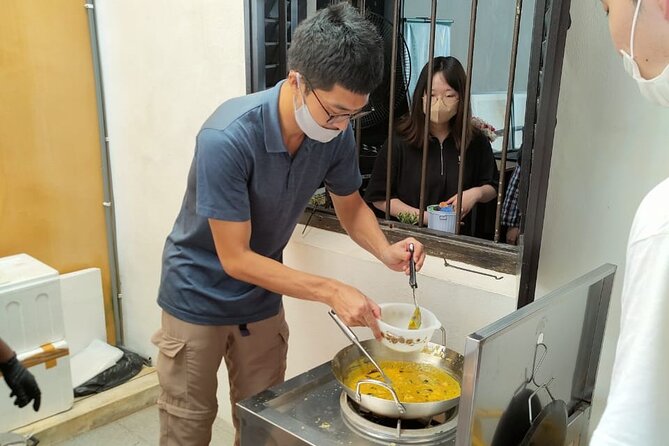
The class is useful because it explains distinctions that are easy to miss while eating around George Town. Nyonya cuisine, for example, combines Chinese traditions with local Southeast Asian ingredients and methods. Indian, Malay, and Chinese dishes may share herbs or spice ideas, yet their flavor bases and dietary rules differ.
You also learn that spice is not simply heat. The instructors focus on handling spice pastes, balancing flavors, and using aromatics correctly. A dish can be hot, fragrant, sour, sweet, or savory without relying on chili alone.
This is also a practical introduction to Malaysia’s religious and cultural variety. The use of pork or pork lard in some Chinese and Nyonya dishes differs from Malay halal cooking. That context helps you order food more thoughtfully during the rest of your stay.
The market walk gives this information a physical setting. You can smell the herbs, see the fruit, and watch local vendors work. The result is more memorable than a printed explanation delivered in a classroom.
The value of $116 for a four-hour private class
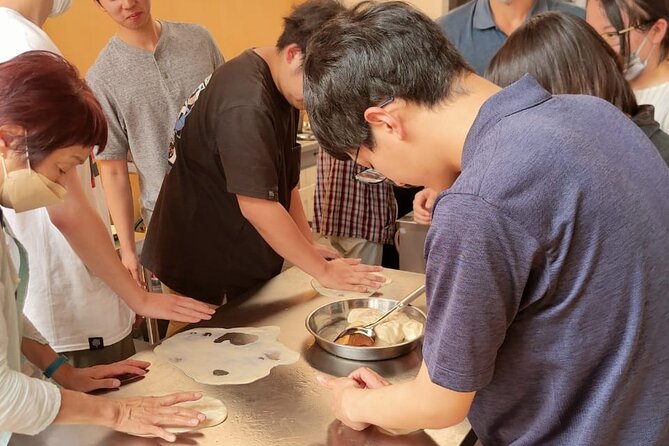
At $116, this is not the cheapest food activity in Penang. You can eat a generous hawker meal for far less. The comparison is not quite fair, though, because this price includes a guided market visit for the morning schedule, breakfast, ingredients, equipment, instruction, and a private group format.
The value is strongest if you want to cook Malaysian food after returning home. You are paying for the lesson, not just the plate you eat at the end. The instructors explain where to find ingredients, how to treat spices, and how to make substitutions or reduce the chili level.
The price also makes more sense for families, couples, and small groups that would rather have direct access to an instructor than join a large public class. Some participants have been able to share the finished food with companions who did not take part, though you should not treat that as a guaranteed inclusion.
If you only want to sample Penang food, book a food walk or visit the hawker centers on your own. If you want to understand how the food is made and carry recipes home, the class offers better value.
Timing, pickup, and practical details
Plan on about four hours, but allow extra time. The published description also refers to sessions lasting four to five hours, and some market-focused bookings have run longer. The combination of market, breakfast, cooking, and eating can easily fill a morning.
The morning market and breakfast are for the 8:00 AM class only. Afternoon classes may still provide cooking instruction, but they do not include the morning market tour and breakfast.
The activity is private, so only your group participates. Pickup is offered, but the stated meeting point is Pasar Chowrasta Market in George Town. Confirm the pickup location and the exact kitchen meeting instructions before the day of the class.
You receive confirmation when booking unless you book within one day of departure. In that case, confirmation depends on availability. Free cancellation is available up to 24 hours before the local start time. Cancellations or changes made later are not refunded or accepted, and a minimum group size applies.
Who will enjoy Penang Chiak most?
I would choose this for you if food is one of the main reasons you came to Penang and you want more than a list of restaurants. It suits curious cooks, families, couples, solo visitors, and anyone who wants a clearer sense of how Chinese, Malay, Nyonya, and Indian food connect and differ.
It is especially good for people who plan to cook at home. The instructors focus on techniques and ingredient use, not just on serving a finished meal. Even if your knife skills are weak or you rarely cook, the class can be adjusted to your pace.
You may want another activity if you dislike early mornings, warm kitchens, or long explanations. You should also ask for a menu in advance if you have strict dietary needs, since the classes can involve pork, seafood, chili, and other ingredients depending on the chosen cuisine.
Should you book this Penang cooking class?
Book it if you want a personal introduction to Penang food and are willing to spend a morning learning, not just eating. Choose the 8:00 AM option for the full package: Chowrasta Market, breakfast, local food context, and cooking.
The strongest reason to go is the connection between the market and the kitchen. You see the ingredient, learn its role, and then use it yourself. That simple sequence can turn a plate of Char Kway Teow or a spice paste from something mysterious into something you can attempt at home.
At $116, the class is a considered purchase, but the private format and included supplies make it fair for a small group. Confirm your menu, instructor, pickup plan, and expected hands-on time before booking. If those details match what you want, Penang Chiak is a worthwhile food experience with practical value beyond the morning itself.
FAQ
Where does the cooking class begin?
The stated meeting point is Pasar Chowrasta Market, Lot 124, Jalan Penang, George Town, Penang. The activity ends back at the meeting point.
Does every class include a market tour?
The Morning Market Tour is included for morning classes beginning at 8:00 AM. Afternoon classes do not include the morning market tour or breakfast.
Is breakfast included?
Breakfast is included for the morning class. The program advises you not to eat breakfast beforehand so you have room for the market food.
What dishes will I cook?
Possible dishes include Kueh Pie Tee, Char Kway Teow, Choon Piah, Masala Chicken, spring rolls, roti, rendang chicken, Lor Bak, steamed pandan cake, and other Malay, Nyonya, Chinese, or Indian recipes. The exact menu can vary by booking.
Are ingredients and cooking equipment provided?
Yes. Ingredients and kitchen utensils are provided. You only need to bring a willingness to learn and an open attitude.
Can I cancel for a full refund?
You can cancel up to 24 hours before the experience start time for a full refund. Changes or cancellations made less than 24 hours before the start are not accepted or refunded.
Newly logged dives around the world
- Phu Quoc: Scuba Diving Experience for All Levels★ 4.9 · 31 reviews
- Moalboal : Scuba Diving Sardine Run and Turtle Chasing★ 5.0 · 2 reviews
- From Alanya: Scuba Diving Tour with Hotel Transfers★ 3.7 · 3 reviews
- Scuba Diving in Colombo★ 5.0 · 2 reviews
- Scuba Diving in the Volcanic Caldera/shorelines of Santorini★ 4.6 · 5 reviews
- Fuerteventura: Introductory Dive in La Lajita with Pickup★ 4.9 · 68 reviews
- Kemer Scuba Diving with Expert Diving Option★ 4.2 · 45 reviews
- Phuket: Coral Reef Scuba Diving Experience at G Beach Club★ 4.9 · 32 reviews
Malaysia Scuba Diving, side by side.

Leisure Diving | Fun Dives | 3 Dives in TARP, Kota Kinabalu
Read our review →
Learn to Dive | RAID Open Water 20 Diver Course | Kota Kinabalu
Read our review →

Kota Kinabalu Leisure Scuba Diving Trip (3 Dives)
Read our review →

Enjoy 3 Fun Dives in Kota Kinabalu | Certified Divers
Read our review →Lists this dive is on