
Review · NEW ZEALAND
Guided Shore Dive Tour for Certified Divers
Goat Island Marine Reserve gives you a rare chance to see New Zealand’s underwater life from the shore, without boarding a boat or spending a full day at sea. In a small group of no more than six, you follow an experienced local guide through kelp forests, rocky channels, caves, and sandy ray flats.
I like the small-group format, which should make it easier to ask questions and stay close to your guide. I also like that full gear is included, from wetsuit and hood to tank and regulator. The main consideration is that this is strictly for certified divers who have been in the water within the past 18 months, and weather can cancel the outing.
Key points to know
- Goat Island’s shore access: Reach the marine reserve by driving your own vehicle 3 km from the equipment center.
- A maximum of six people: The small group suits divers who want close guidance rather than a large operation.
- Full equipment provided: Wetsuits, boots, fins, mask, snorkel, BCD, regulator, and tank are included.
- Several underwater areas: You may visit kelp forests, cliff edges, caves, sponge gardens, reef zones, and sandy ray flats.
- Certified divers only: You need recognized certification, recent diving experience, proof of certification, and a minimum age of 16.
- Four hours at $134: The price includes the guide and equipment, making it a practical option if you do not want to bring a full kit.
Why Goat Island is worth seeing underwater
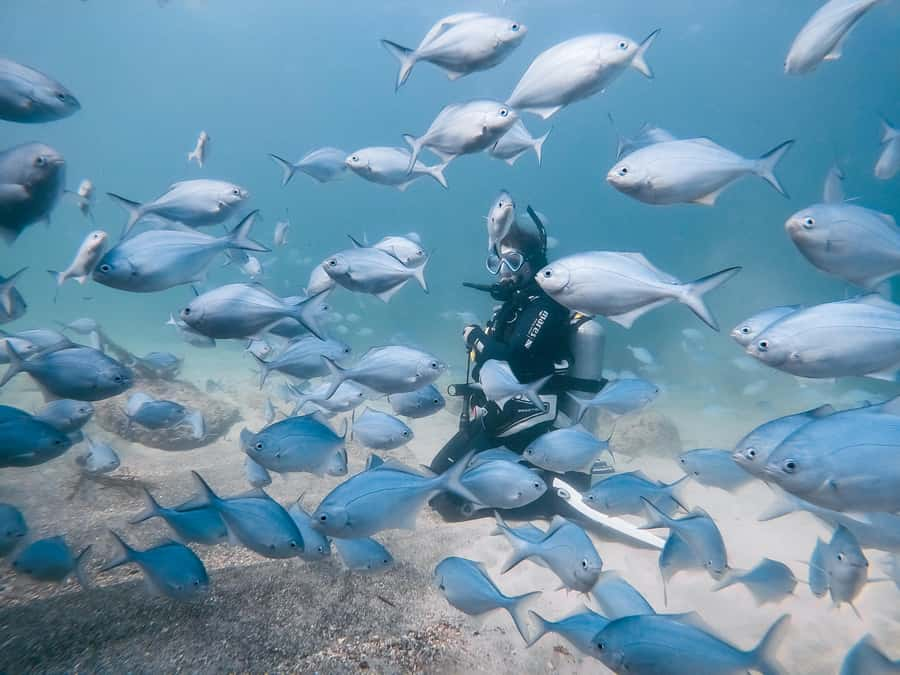
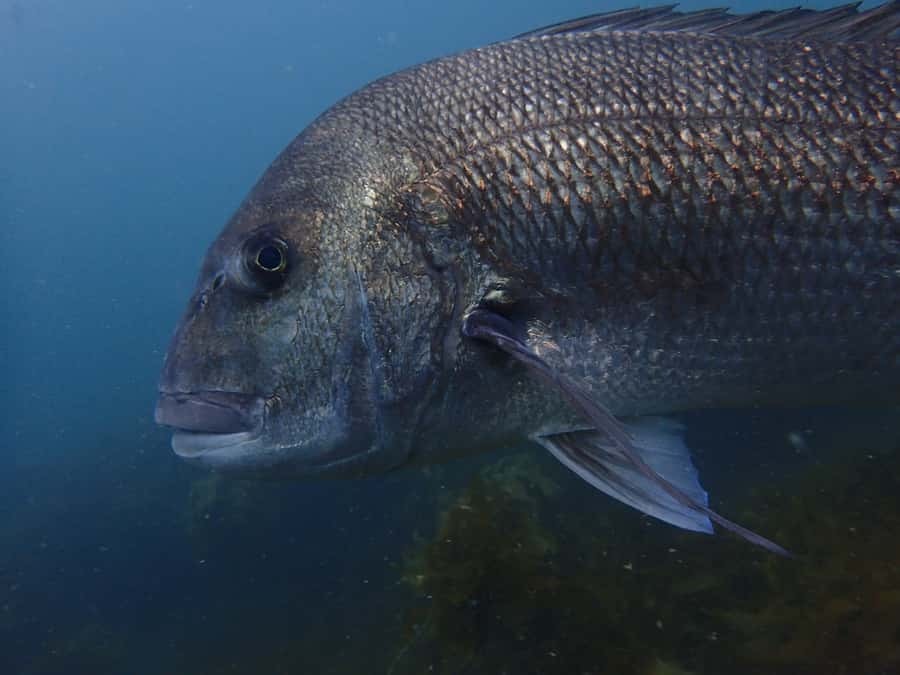
Goat Island Marine Reserve was New Zealand’s first marine reserve, and the appeal is easy to understand once you consider what protection means beneath the surface. Fish can gather around rocks and kelp without the usual pressure of fishing, creating a strong chance to see large snapper, schools of parore, kahawai, sweep, silver drummers, and trevally.
You are not simply swimming around a single marked site. The experience takes you through several kinds of underwater terrain, each with its own character. One area may be open sand visited by eagle rays, while another leads into narrow crevices covered in kelp and sponges.
I especially like this mix because it gives you more than a quick look at reef fish. You can watch how species use different places. Rays rest on sandy areas, fish gather in currents, crayfish hide in rocky spaces, and small creatures cling to walls and plants.
The reserve is also a good choice if you care about seeing a protected marine environment rather than a built attraction. There are no underwater structures or staged encounters described here. The main event is the reserve itself, with the guide helping you understand what you are seeing.
More Shore Dives in the world
- South Maui Shore Dive
★ 5.0 · 147 reviews - Guided Shore Dive for Certified Divers with Scubaçao (2 tank)
★ 5.0 · 128 reviews - Introduction Shore Dive with Scubaçao (1 dive)
★ 5.0 · 108 reviews
Starting at Goat Island Dive and Snorkel Centre
Your day begins at the Goat Island Dive and Snorkel Centre at the scheduled start time. This is where you are fitted with your equipment before heading to the shore site.
The equipment package is broad. It includes a 7.5mm or 3mm wetsuit, depending on the available fit and conditions, along with a vest and hood. You also receive a mask, snorkel, fins with booties, BCD, regulator, and the tank needed for the outing.
That matters because bringing your own full scuba kit can be awkward when you are touring New Zealand. Here, you only need to bring swimwear, a towel, water, your certification, and your dive log. You should not count on food or drinks being supplied, so plan those separately.
The equipment is washed after each use, according to the operator, and the kit is described as high quality. Still, fit matters more than labels. Take your time with the wetsuit, mask, and booties. A poor mask seal or tight footwear can distract you once you are in the water.
After the fitting, you drive your own vehicle about 3 km to the Goat Island Marine Reserve. This short transfer is simple, but it is an important practical detail. You are not being collected from a central hotel, and transport from the center to the reserve is not listed as part of the price.
The safety briefing and local introduction
At the reserve, your guide explains how the outing will work and what you may see. The guides are certified professional divers with local experience along the Leigh Coast and in the marine reserves.
The safety briefing is described as full and thorough. That should include the sort of information you need before entering the water, such as how to stay with the group, how to use the equipment, and what to do if you feel uncomfortable. The exact format is not specified, so you should use this time to raise any concerns about your certification level, recent experience, or equipment fit.
You also receive an introduction to Goat Island’s past and to the marine life in the reserve. This is useful because many underwater creatures are easy to miss if you do not know where to look. A guide can point out the difference between a fish moving through kelp and a creature hiding in a crevice.
The English-speaking guide is there not only to lead the route but also to help you feel comfortable and safe. That personal attention is one of the better reasons to choose a group limited to six people.
ABC Bay, where rays meet kelp forests
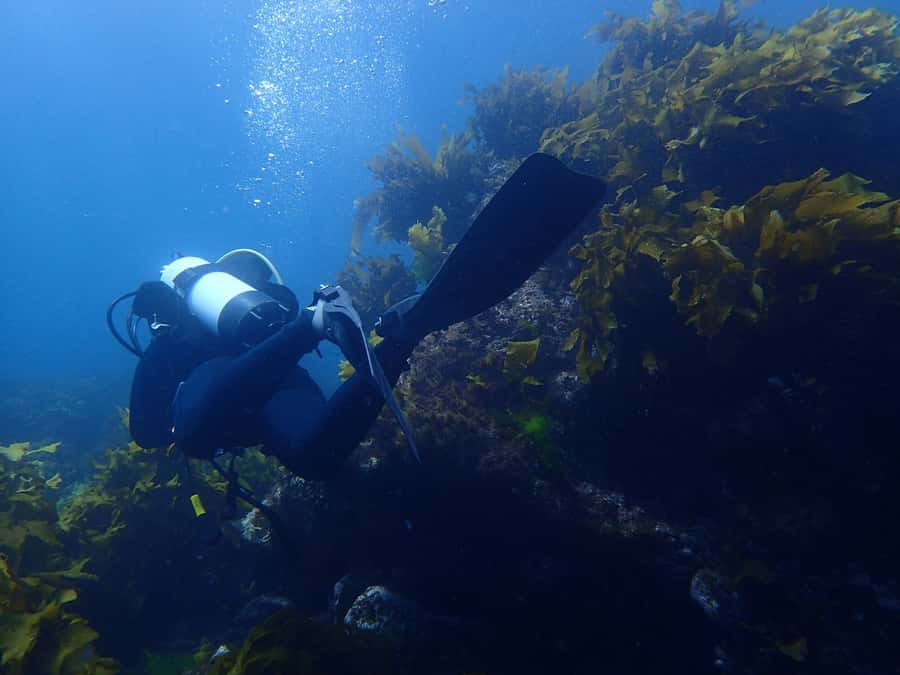
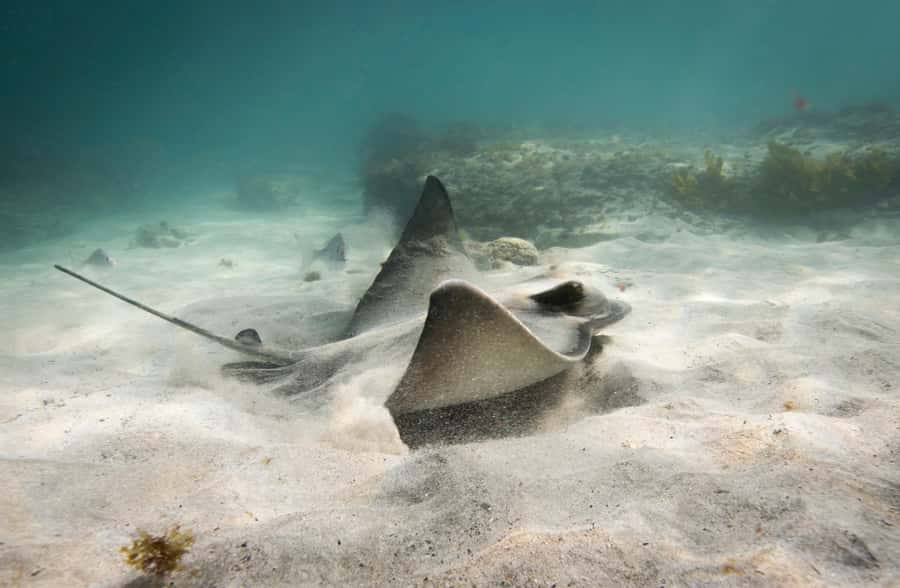
ABC Bay is one of the named areas you may visit. It offers a mix of stingrays, blue maomao, kelp forests, and cliff edges.
This sounds like a good early section for getting your bearings. You have several kinds of scenery close together: sandy areas where rays may rest, plant-covered zones where fish feed and shelter, and rock walls that give the bay a stronger sense of depth.
Stingrays are not guaranteed, and marine animals never follow a schedule. Still, the possibility of seeing them in the reserve is part of the appeal. The same applies to blue maomao, which may move through the kelp or open water in groups.
Pay attention to your buoyancy here. Kelp and rock edges can be delicate, and touching marine life is not allowed. The best approach is to keep a little space between your fins and the bottom, follow your guide’s route, and watch rather than handle what you find.
More Dives for Certified Divers in the world
- Two-Tank Morning Dive Trip for Certified Divers
★ 5.0 · 602 reviews - 2 Tank Lanai Cathedral Scuba Dive Via Boat for Certified Divers
★ 5.0 · 548 reviews - Wreck and Bridge Span Dive for Certified Divers
★ 5.0 · 521 reviews - Two-Tank Dive for Certified Diving in St Thomas
★ 5.0 · 456 reviews
Shag Rock and the fish around one lone outcrop
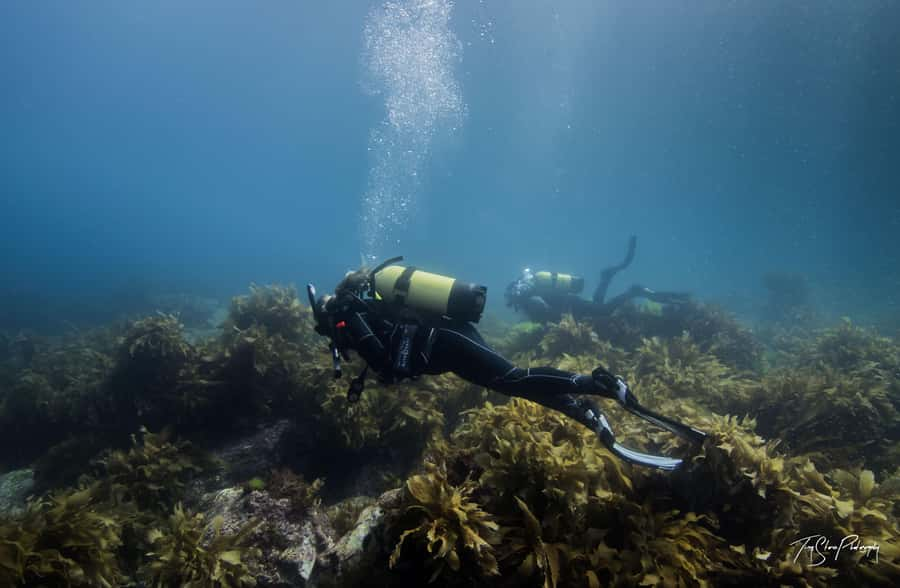
Shag Rock is a large rock surrounded by kelp. Its shape makes it a natural meeting point for fish, and it is described as a favorite area for the guides.
A lone rock in open water can create shelter and feeding opportunities. Fish may circle its edges, move into the kelp, or pass through the surrounding water. This is the sort of place where you may want to slow down instead of rushing to the next section.
The benefit of a local guide is clear here. The guide knows which formations are worth lingering around and can help you notice fish that blend into the reef. You may see some of the reserve’s larger species, including snapper and red moki, along with smaller fish such as triple fins.
The drawback is that visibility and water movement can change. You are visiting a natural site, not an aquarium, so the exact number of fish and the clarity of the water will depend on conditions that day.
Waterfall Reef and the southern channel
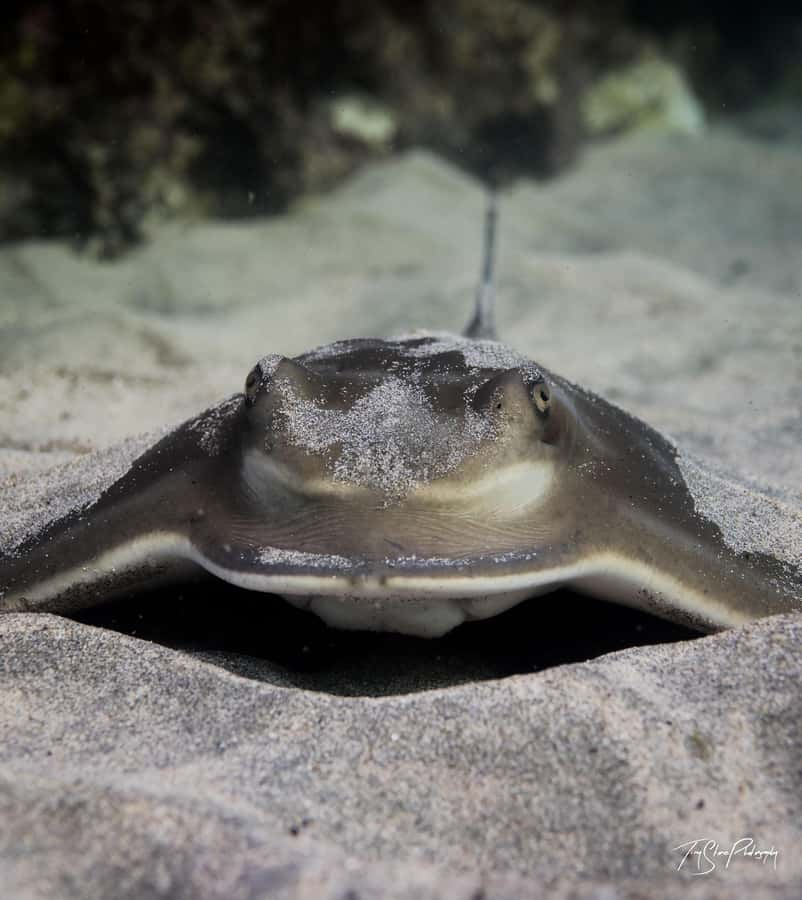
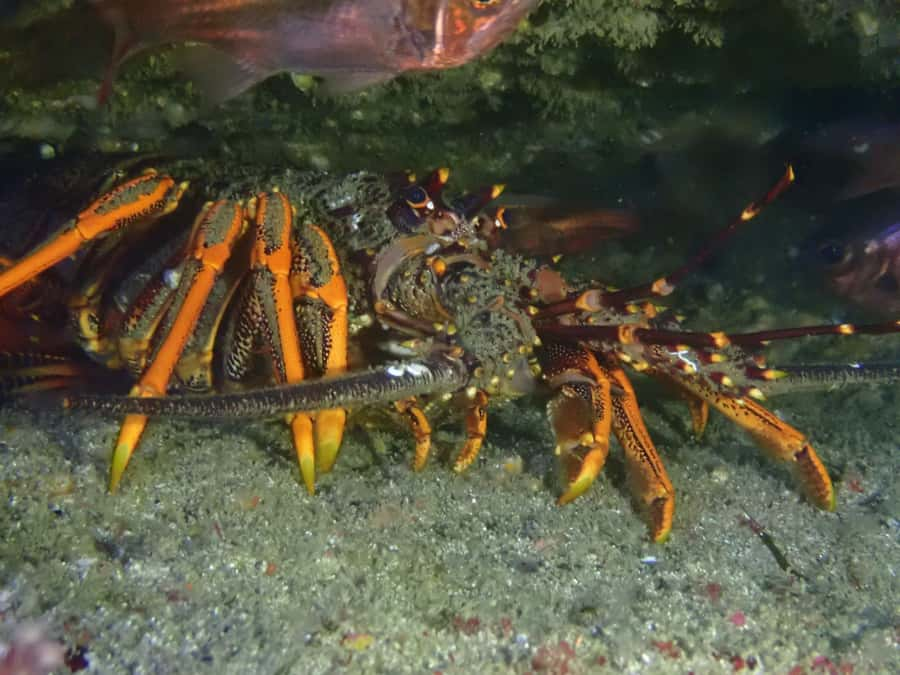
Waterfall Reef lies off the southern side of the channel. The area is noted for schools of fish and crayfish.
Schools can make a site feel especially active, but they are also sensitive to movement. You will get more from the stop if you stay calm and let the fish move around you. Sudden fin strokes and chasing rarely improve the view.
Crayfish tend to reward careful observation. Look into cracks and under rocky edges rather than only scanning open water. Your guide may point them out, but you should also practice finding the shapes and antennae yourself.
This section may appeal to you if you enjoy watching animal behavior more than collecting a long list of sightings. The goal is not to see every named species in one outing. It is to understand how the reserve’s rocky spaces support a range of marine life.
Caves and the small creatures on the walls
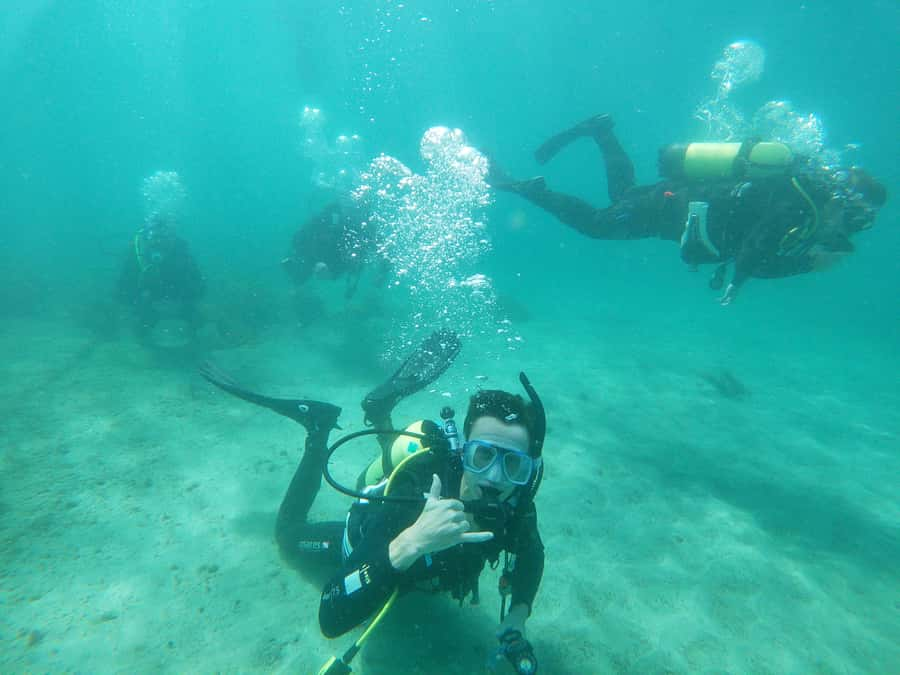
The caves are aimed at people who enjoy small marine life. You may find anemones, nudibranchs, and sponges in the darker, more sheltered spaces.
This is where a good mask fit and steady control become especially valuable. The creatures are smaller than the snapper and rays, and they can be easy to overlook if you are focused only on large animals.
The caves also offer a change in mood. Instead of open sand or broad kelp beds, you move through enclosed spaces and crevices. That variety helps make the four-hour outing feel like a series of different underwater environments rather than one repeated view.
You should be comfortable with the surroundings before choosing this experience. The tour is not suitable for people without experience, and it is not designed as a first lesson. You need recognized certification at least at Scuba Diver or Open Water level, plus proof of that certification.
Yellow Sponge Garden and narrow crevices
Yellow Sponge Garden takes you through large cracks covered in kelp. You may find hidden crayfish, bigeye, and tiny triple fins among the openings.
This is a good reminder that the reserve rewards patience. Large animals are exciting, but the smaller residents often require you to stop, look closely, and let your eyes adjust. If you enjoy macro subjects and unusual textures, this may be one of the more satisfying parts of the route.
The kelp adds movement and can make it harder to see into the cracks. That is not a flaw, but it does mean you should not expect a clear view of every creature. Follow the guide’s signals and avoid placing a hand on the rocks or plants.
The named sites also suggest that the guides adapt the route to the conditions. The information does not promise every stop on every departure, and weather can change in the region. Think of these locations as examples of the reserve’s underwater range rather than a guaranteed checklist.
Eagle Ray Flats and the reserve’s larger fish
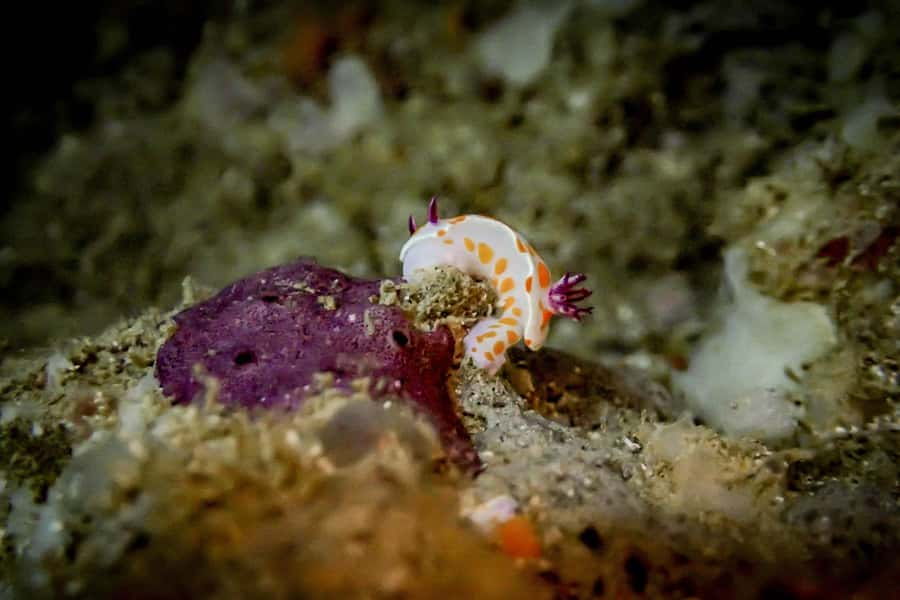
Eagle Ray Flats is a sandy area where eagle rays may rest. Schools of fish gather in the currents, and snapper cruise around with an unusual lack of shyness.
This could be one of the strongest parts of the outing for you if you want larger animals and a broad view. Sand gives the rays room to move, while current lines bring fish together. You may also see stingrays, goatfish, kahawai, sweep, silver drummers, trevally, and large snapper.
Eagle rays are not guaranteed, but the habitat makes sense for them. The guide can help you keep a respectful distance while still giving you a good chance to watch their movement.
The reserve may also produce less predictable sightings. Dolphins, seals, and orcas are possible on lucky occasions, but you should treat these as bonuses, not promises. Booking this tour for one rare animal could leave you disappointed. Booking it for a protected marine environment with many possible species is a wiser choice.
What $134 includes and where the value lies
At $134 per person, the tour is not just an entry ticket to the water. The price covers four hours, a professional guide, and the full equipment package needed for the outing.
I see the value in the combination of gear and local guidance. If you are visiting New Zealand without your own kit, renting a wetsuit, BCD, regulator, tank, fins, and the rest separately could be inconvenient. You also avoid planning a boat trip, since this is a shore-based experience.
The small group adds practical value. With no more than six participants, the guide should have a better chance of keeping track of everyone and answering questions than on a crowded outing. It also suits divers who want to focus on marine life rather than simply logging bottom time.
There are limits. Food, drinks, and towels are not included. You need to provide your own transport for the 3 km journey to the reserve, and the price does not turn this into a private charter. The tour requires at least two people to operate, so a solo booking may depend on another participant joining.
You can reserve now and pay later, and cancellation is free up to 24 hours in advance. If poor weather cancels the outing, you receive a full refund. Those terms are useful in a region where conditions can change quickly.
Who should book this Goat Island tour
This experience suits a certified diver who wants a guided look at a protected New Zealand marine environment without committing to a boat trip. It is especially useful if you are carrying little equipment or want a local professional to choose suitable areas and explain the fish.
You should be at least 16, hold certification from a recognized agency such as PADI, SSI, NAUI, BSAC, SDI, or CMAS, and bring proof. You also need to have been in the water within the last 18 months.
I would not choose this for a beginner, someone returning after a long break, or anyone with a pre-existing medical condition that makes scuba activity unsuitable. The tour is not a refresher course, and the operator specifically excludes people without experience and divers without certification.
Bring swimwear, a towel, water, certification, and your logbook. Do not bring alcohol or drugs, and remember that touching marine life is not allowed.
Final call: is this small-group shore tour right for you?
Book it if you are a current certified diver and want a compact, guided way to see Goat Island’s kelp, reefs, caves, rays, crayfish, and schooling fish. The combination of full gear, a maximum of six people, and local guidance gives the $134 price a reasonable case.
Skip it if you are hoping for a beginner lesson, guaranteed eagle rays, dolphins, seals, or orcas, or a fully transported day from your accommodation. For the right diver, this is a focused and practical look at one of New Zealand’s most important protected marine areas.
FAQ
Where does the tour begin?
You meet at the Goat Island Dive and Snorkel Centre at the scheduled start time for equipment fitting.
How do I reach the marine reserve?
After your equipment fitting, you drive your own vehicle about 3 km to the Goat Island Marine Reserve.
Is the full scuba kit included?
Yes. The package includes a wetsuit, vest, hood, mask, snorkel, fins with booties, BCD, regulator, and the tank required for the outing.
Do I need scuba certification?
Yes. You need certification through a recognized agency, with at least Scuba Diver or Open Water level, and you must bring proof.
How recently must I have gone scuba diving?
You must have been in the water within the last 18 months.
What is the minimum age?
You must be at least 16 years old. Children under 16 cannot join.
What happens if the weather cancels the tour?
The activity is weather dependent. If the operator cancels because of weather, you receive a full refund.
Can I cancel my booking?
Yes. You can cancel up to 24 hours before the scheduled start for a full refund.
Newly logged dives around the world
- Phu Quoc: Scuba Diving Experience for All Levels★ 4.9 · 31 reviews
- Moalboal : Scuba Diving Sardine Run and Turtle Chasing★ 5.0 · 2 reviews
- From Alanya: Scuba Diving Tour with Hotel Transfers★ 3.7 · 3 reviews
- Scuba Diving in Colombo★ 5.0 · 2 reviews
- Scuba Diving in the Volcanic Caldera/shorelines of Santorini★ 4.6 · 5 reviews
- Fuerteventura: Introductory Dive in La Lajita with Pickup★ 4.9 · 68 reviews
- Kemer Scuba Diving with Expert Diving Option★ 4.2 · 45 reviews
- Phuket: Coral Reef Scuba Diving Experience at G Beach Club★ 4.9 · 32 reviews
Dives for Certified Divers, side by side.
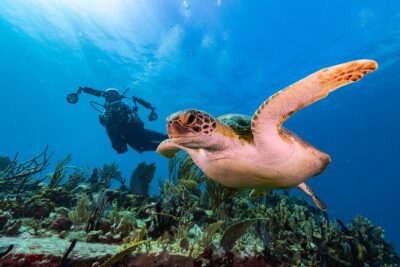
Two-Tank Morning Dive Trip for Certified Divers
Read our review →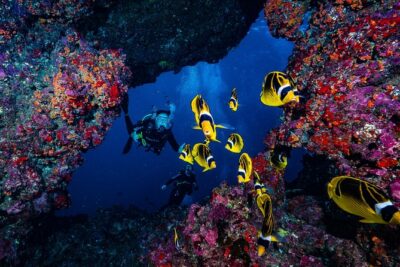
2 Tank Lanai Cathedral Scuba Dive Via Boat for Certified Divers
Read our review →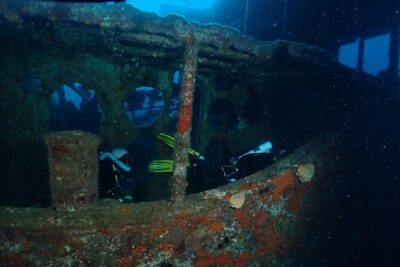
Wreck and Bridge Span Dive for Certified Divers
Read our review →
Two-Tank Dive for Certified Diving in St Thomas
Read our review →
Diving for Certified Divers, 2 Tanks Sosúa Bay
Read our review →
Certified Diver: 2-Tank Deep Wreck and Shallow Reef Dive Off Oahu
Read our review →
Certified Diver: 2-Tank Shallow Reef Dives off Oahu
Read our review →
2 Dives in the morning for certified divers in Bora Bora
Read our review →Lists this dive is on