Review · CHILE
Easter Island: Tropical Diving
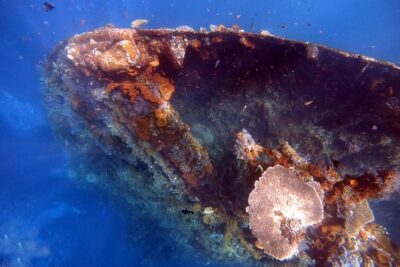
The most unusual part of this Rapa Nui outing is the chance to explore clear Pacific water near a submerged moai site. You spend about an hour underwater among tropical fish, coral, and possibly turtles, with the exact location set by sea conditions. The moai is not available to everyone, though: you need scuba certification to reach it.
I like the small group limit of 10, which gives the instructor room to help each person. I also like that equipment, photos, video, and a boat or vehicle transfer to the water site are built into the experience. The main catch is timing. A scheduled 11 a.m. departure once left nearly an hour late, so leave breathing room in your day.
Key points at a glance
- Submerged moai access requires certification: Beginners can enjoy the underwater session, but the deeper moai site is not for uncertified participants.
- One hour in the water: The total outing lasts 150 minutes, including a 30-minute safety briefing and two 30-minute transfer periods.
- Small groups help with confidence: No more than 10 people join, with personal instruction in English or Spanish.
- All core gear is supplied: You receive a suit, mask, fins, buoyancy vest, and tank.
- Photos and video are included: Bring a USB drive, memory card, or cable for transferring files to an Android phone or iPhone.
- Flight timing matters: You cannot take part if you have flown within the previous 12 hours.
What makes Rapa Nui’s underwater world special
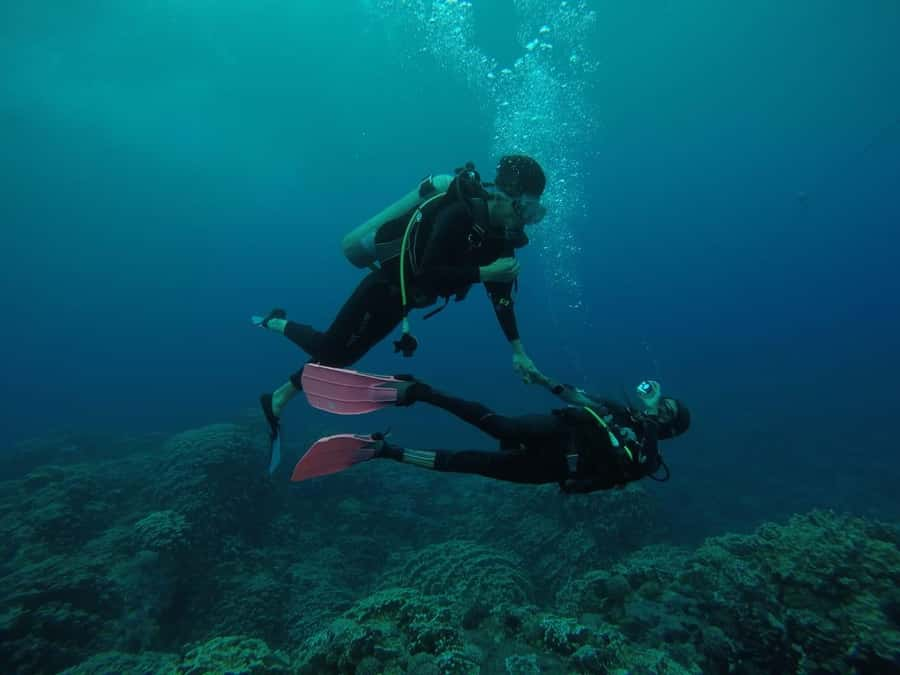
Rapa Nui is famous for its stone figures above ground, but the Pacific around the island offers a different way to see the place. This outing takes you from Hanga Piko into clear water where coral, tropical fish, turtles, and underwater rock formations become the main attraction.
The appeal is not only the marine life. The possibility of seeing a submerged moai gives the session a strong sense of place. You are not simply practicing skills in a pool or looking at fish in an anonymous bay. You are exploring an underwater setting tied to the island’s most recognizable cultural symbol.
That said, you should set your expectations correctly. The underwater moai is not automatically part of every participant’s route. Your instructor chooses the site according to maritime conditions, and the deeper moai area requires certification. If you are new to scuba, the fish and coral are the realistic focus.
The water is described as surprisingly warm at some times of year, and the wetsuit helps keep the experience comfortable. One useful detail is that you do not need to know how to swim to take part, according to the activity information. You still need to follow the instructor carefully and feel comfortable with the equipment, but strong swimming ability is not listed as a requirement.
More scuba diving around the world
- Great Barrier Reef Snorkeling and Diving Cruise from Cairns
★ 4.5 · 3,714 reviews - First-Time Scuba Diving in Honolulu + Free Videos
★ 5.0 · 3,123 reviews - Oahu Shark Dive
★ 5.0 · 2,903 reviews
Starting at Hanga Piko with a proper briefing
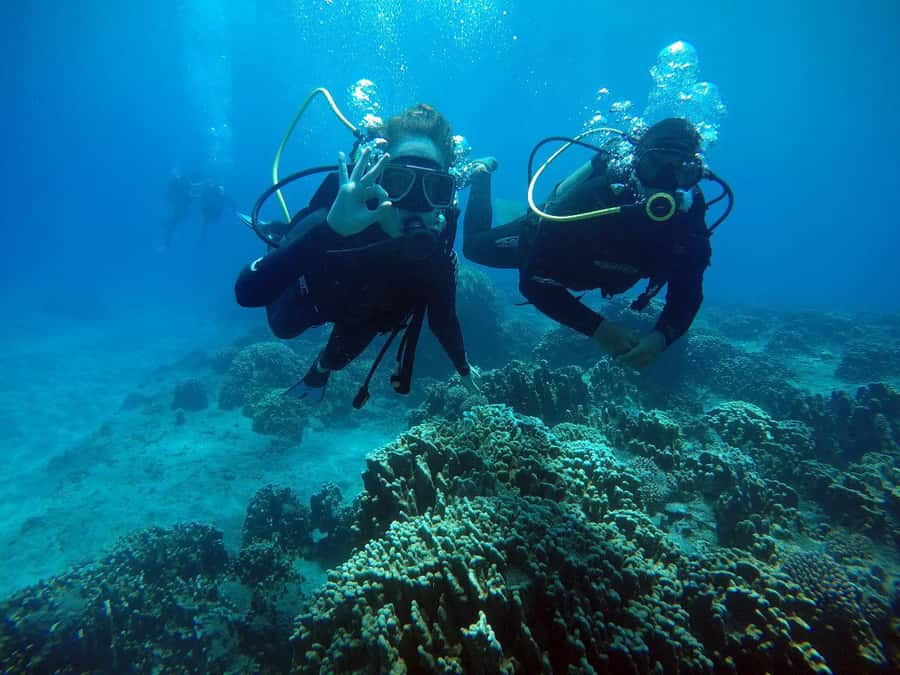
The meeting point is Hanga Piko, a cove used as the starting point for the outing. The exact meeting details are sent 48 hours before the activity, so check your messages rather than assuming the location will be obvious from your booking confirmation.
The first scheduled stage is a 30-minute safety briefing. This is important for beginners, since it gives you time to learn how the mask, fins, suit, buoyancy vest, and tank work before you enter the water. It also lets the instructor explain basic underwater conduct and what to do if you feel uneasy.
I would treat this briefing as part of the experience, not dead time. A first scuba session can feel like a lot at once: breathing through a regulator, clearing a mask, managing buoyancy, and staying with the group. The extra explanation helps you use the one-hour water period for enjoying the surroundings instead of trying to understand the gear.
Instruction is available in English and Spanish. The personal approach is another strong point. Joaquin and Carla have been specifically helpful with assembling and carrying equipment, and the staff has also been praised for clear communication and careful attention to safety.
The transfer from the cove to the water site
After the briefing, allow about 30 minutes for transport. You may go by boat or vehicle from Hanga Piko, depending on maritime conditions. This means the route and exact entry point can change, so the listed schedule is best treated as an outline rather than a minute-by-minute promise.
The transfer matters because the underwater site is not fixed. Sea conditions determine where the session takes place, and that is the sensible priority. A flexible site choice is better than forcing a particular location when conditions are not suitable.
There is one practical weakness here: the day can run longer than expected. A late start has reduced the usable part of the day for some participants. I would not schedule a tightly timed museum visit, airport transfer, or major meal immediately afterward.
Transportation to the starting point is not included. You need to make your own way to Hanga Piko, while the transfer from the cove to the water site is part of the activity. The final meeting information arrives 48 hours before the start.
One hour among fish, coral, and clear water
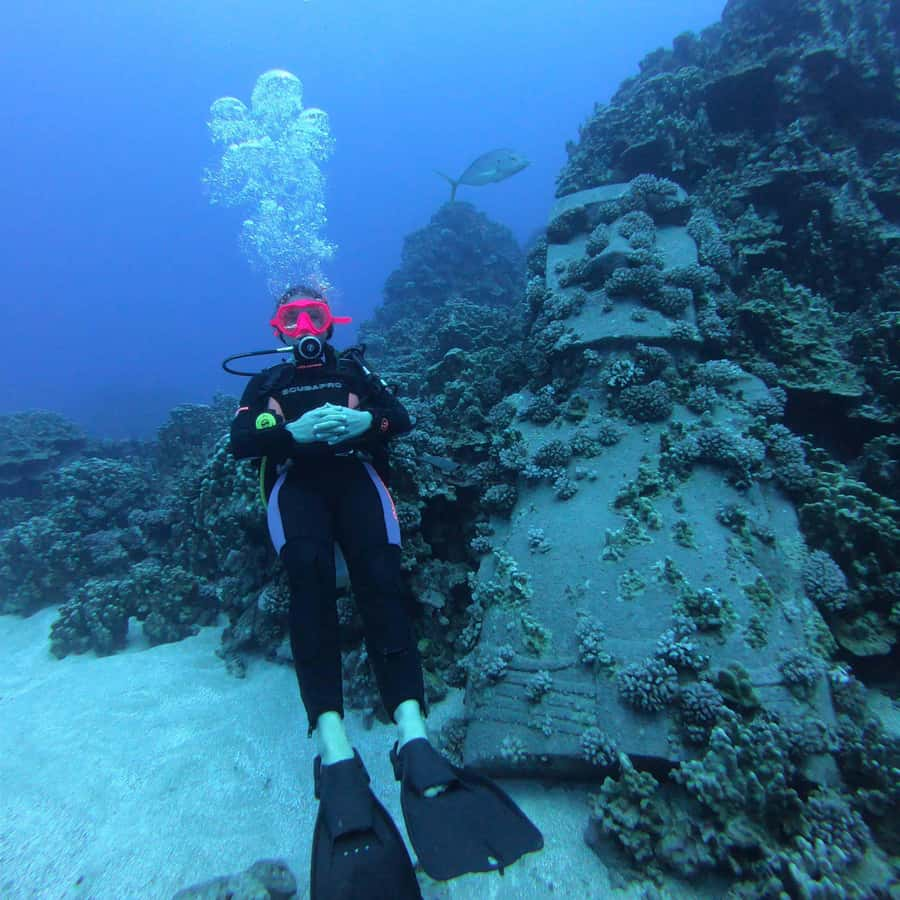
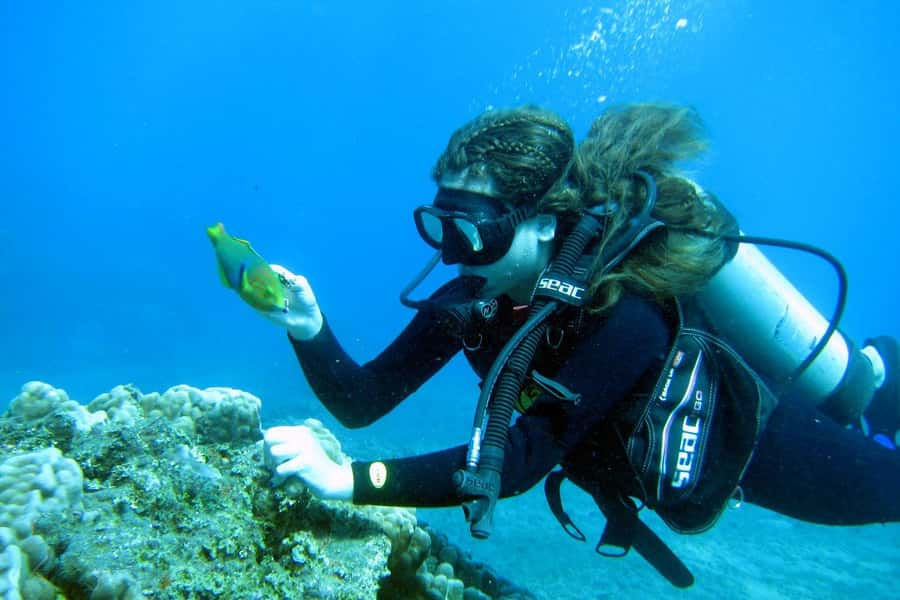
The main session lasts one hour. That is enough time to get a real taste of scuba without committing most of a day to a technical program. The setting may include coral, tropical fish, turtles, and other marine life, with visibility described as one of the experience’s major strengths.
For a beginner, the first few minutes may be more about settling into the equipment than admiring the scenery. Once your breathing becomes steady, you can begin to notice the small details around you. Fish and coral are easier to appreciate when you are not rushing, and the one-hour format gives the instructor time to keep the group together.
You should also know that wildlife sightings are not guaranteed. The activity highlights turtles and a wide range of fish, but marine life changes with conditions and location. The clear water improves your chances of seeing plenty, yet no guide can promise a particular animal.
The coral setting is another reason this works well as an introduction. You get a sense of how the equipment feels while looking at a real marine environment, rather than spending the entire session on basic exercises. Still, this is not presented as a full certification course. It is an introductory experience with professional supervision.
Same water, a different dive:
- Southern Tenerife: 50-Minute Submarine Dive
★ 4.8 · 2,216 reviews - Silfra: Diving Between Tectonic Plates – Meet on Location
★ 5.0 · 2,139 reviews - Ocean Freedom Great Barrier Reef Luxury Snorkel and Dive Cruise
★ 5.0 · 1,895 reviews - Beginner Scuba Diving with Turtles and Videos, San Juan
★ 5.0 · 1,743 reviews
Understanding the submerged moai promise
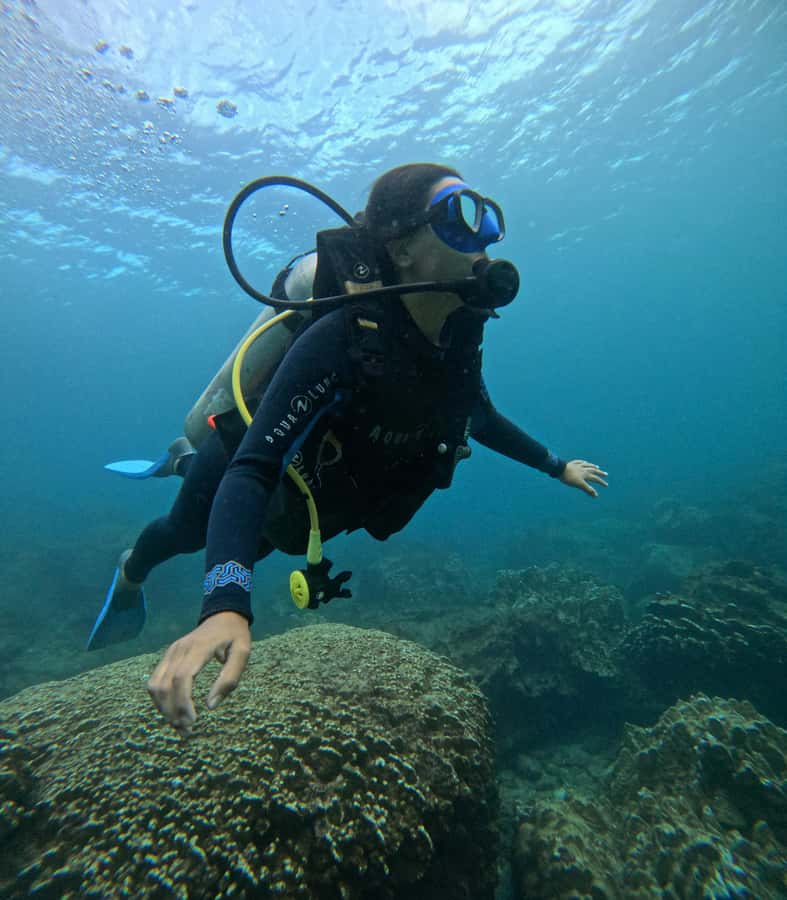
The submerged moai is the feature most likely to attract attention, but it needs careful explanation. You may be taken toward an underwater moai site when conditions allow, yet reaching the figure requires scuba certification.
That distinction matters. A beginner can join the activity and enjoy the marine life, but cannot simply swim down to the moai. One participant who switched from scuba to snorkeling was still able to see tropical fish, but specifically noted that the moai was too deep without certification.
Certified divers should tell the staff about their experience before entering the water. The session is designed to suit different skill levels, and a certified participant was accommodated despite expecting something more advanced. The experience may still be fairly easy, but the team can adjust its support and equipment process to the person in front of them.
You should not book this activity on the assumption that the moai is guaranteed. Think of it as a possible bonus for qualified participants, with fish, coral, and the clear Pacific water forming the dependable core of the outing.
Equipment, photos, and the small-group advantage
The price includes the main equipment you need: wetsuit, mask, fins, buoyancy vest, and tank. That makes the $139 cost easier to judge, especially if you are visiting Rapa Nui without personal scuba gear.
Photos and video are also included. This adds real value because you can concentrate on the underwater setting instead of trying to manage a camera. Bring a USB drive, memory card, or a cable that allows the staff to transfer the files to your Android phone or iPhone.
The group is limited to 10 people. That is not a private tour, but it is small enough for the instructor to keep a close eye on everyone. For a first session, this matters more than a flashy boat or a long list of advertised stops.
The most reassuring part of the operation is the attention to safety and equipment handling. Staff members have helped put the gear together and carry it to and from the boat. That may sound minor, but tanks and wet equipment are awkward, especially if you are still learning how everything fits.
Who should book this experience
This outing is best for adults and children aged 12 or older who want a guided introduction to scuba in a memorable setting. You do not need previous scuba experience, and you do not need to know how to swim, according to the supplied activity information.
It also suits certified divers who want a relaxed local session rather than a demanding technical program. Tell the team about your certification and experience so the staff can place your ability in context.
You should not book if you have a heart condition, high blood pressure, or altitude sickness. Alcohol and drugs are not allowed. Most important, do not schedule this activity if you have flown within the previous 12 hours. Air travel and scuba require careful spacing, so check your flight plans before paying.
If you are ill on the day, contact the operator. The team has changed a scuba booking to snorkeling when participants were not fit for the original activity. That does not guarantee the same solution every time, but it shows why direct communication is useful.
Is $139 a fair price?
At $139 per person, this is not the cheapest way to spend 150 minutes on Rapa Nui. The price becomes more reasonable when you count the wetsuit, mask, fins, buoyancy vest, tank, instructor support, underwater session, transfer from Hanga Piko, and photos and video.
The small group also adds value. You are paying for more than access to the water. You are paying for a team that prepares the equipment, helps carry it, explains the process, and stays with you during the session.
The weak point is that ground transportation to Hanga Piko is not included, and the schedule may slip. If you value precise timing or want a long, advanced scuba program, this may not be the best fit. If you want a supported first experience with a chance to see an unusual underwater site, the price is easier to justify.
Free cancellation is available up to 24 hours before the activity for a full refund, and you can reserve now and pay later. Those terms help if your Rapa Nui schedule is still changing, though they do not remove the need to check the flight rule.
My recommendation for your Rapa Nui plans
I would book this if you want a gentle introduction to scuba, clear water, a small group, and the chance to see marine life in a setting linked to Rapa Nui’s famous stone figures. The strongest reasons are the attentive instruction, included gear, and useful photo and video package.
I would not book it solely for the submerged moai unless you are certified and understand that sea conditions control the site. Beginners should go for the fish, coral, turtles, and the experience of breathing underwater in the Pacific.
Leave extra time around the activity, confirm the meeting point 48 hours ahead, bring a transfer cable or storage device, and keep at least 12 hours between flying and the session. With those details handled, this is a strong choice for a first underwater outing on Rapa Nui.
FAQ
Where does the activity begin?
It begins at Hanga Piko cove. The exact meeting point is sent 48 hours before the activity.
How long does the experience last?
The full experience lasts 150 minutes. It includes a 30-minute safety briefing, around 30 minutes of transport to the water site, one hour underwater, and another 30-minute transport period.
What equipment is included?
The operator provides a wetsuit, mask, fins, buoyancy vest, and scuba tank.
Are photos and video included?
Yes. Photos and video are included. Bring a USB drive, memory card, or cable for transferring the files to an Android phone or iPhone.
Do I need scuba experience?
No. The activity is suitable for different skill levels and includes an instructor-led safety briefing. Certified participants can also join.
Can I see the submerged moai without certification?
No. Reaching the submerged moai requires scuba certification. Beginners can still enjoy the fish, coral, turtles, and other underwater scenery.
Can I take part if I do not know how to swim?
The activity information says swimming ability is not required. You must still follow the instructor’s directions and use the supplied equipment correctly.
How long must I wait after flying before taking part?
You cannot take part if you have flown within the previous 12 hours. Check your flight schedule before booking.
What languages does the instructor speak?
Instruction is available in English and Spanish.
Who cannot take part?
The activity is not suitable for children under 12, people with heart problems, people with altitude sickness, or people with high blood pressure. Alcohol and drugs are not allowed.
Newly logged dives around the world
- Phu Quoc: Scuba Diving Experience for All Levels★ 4.9 · 31 reviews
- Moalboal : Scuba Diving Sardine Run and Turtle Chasing★ 5.0 · 2 reviews
- From Alanya: Scuba Diving Tour with Hotel Transfers★ 3.7 · 3 reviews
- Scuba Diving in Colombo★ 5.0 · 2 reviews
- Scuba Diving in the Volcanic Caldera/shorelines of Santorini★ 4.6 · 5 reviews
- Fuerteventura: Introductory Dive in La Lajita with Pickup★ 4.9 · 68 reviews
- Kemer Scuba Diving with Expert Diving Option★ 4.2 · 45 reviews
- Phuket: Coral Reef Scuba Diving Experience at G Beach Club★ 4.9 · 32 reviews
Scuba Diving, side by side.
Great Barrier Reef Snorkeling and Diving Cruise from Cairns
Read our review →
First-Time Scuba Diving in Honolulu + Free Videos
Read our review →
Silfra: Diving Between Tectonic Plates – Meet on Location
Read our review →
Ocean Freedom Great Barrier Reef Luxury Snorkel and Dive Cruise
Read our review →
Beginner Scuba Diving with Turtles and Videos, San Juan
Read our review →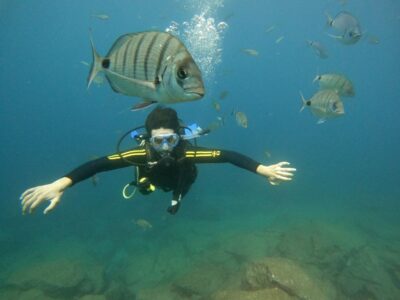
Tenerife: Your First Scuba Diving Experience in Turtle Area
Read our review →