Review · NEW ZEALAND
Double Boat Dive with Equipment
Kaikoura’s appeal does not stop at the shoreline. On this two-session boat trip, you’ll leave from 38 West End, cross the coastal water, and see the South Island’s mountains rising sharply behind the sea. Below the surface, rocky reefs support kelp, seaweed, shellfish, and native fish in a setting that feels quite different from warm-water coral sites.
I like the small maximum group of four, which keeps the outing personal and avoids the feel of a crowded boat. I also like the full use of the morning or afternoon: two one-hour sessions, with a proper hour to rest between them. The main drawback is clear from the start: Kaikoura is cold-water and often low-visibility, so this suits certified scuba users who value marine life and atmosphere more than clear tropical views.
Key points to know before booking
- Two one-hour boat sessions: You get two separate underwater outings rather than one short trip.
- Small group of up to four: The limited group size should make it easier to stay with the guide and ask questions.
- Cold, often low-visibility conditions: Bring realistic expectations and choose this for local ecology, not tropical-style visibility.
- Kaikoura’s mountain-and-sea setting: The ride out gives you a fine view of the coast before you even enter the water.
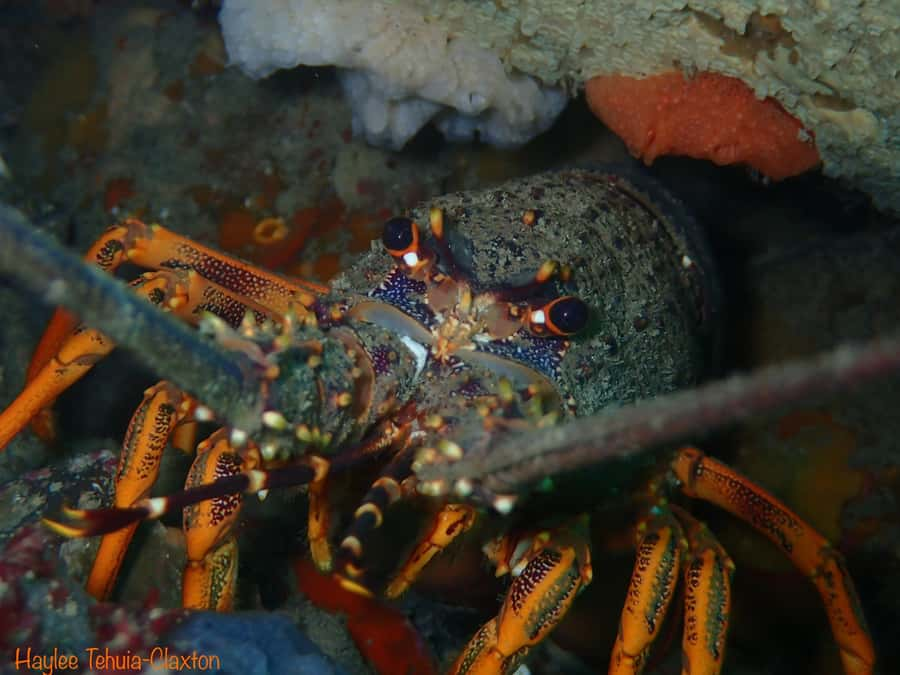
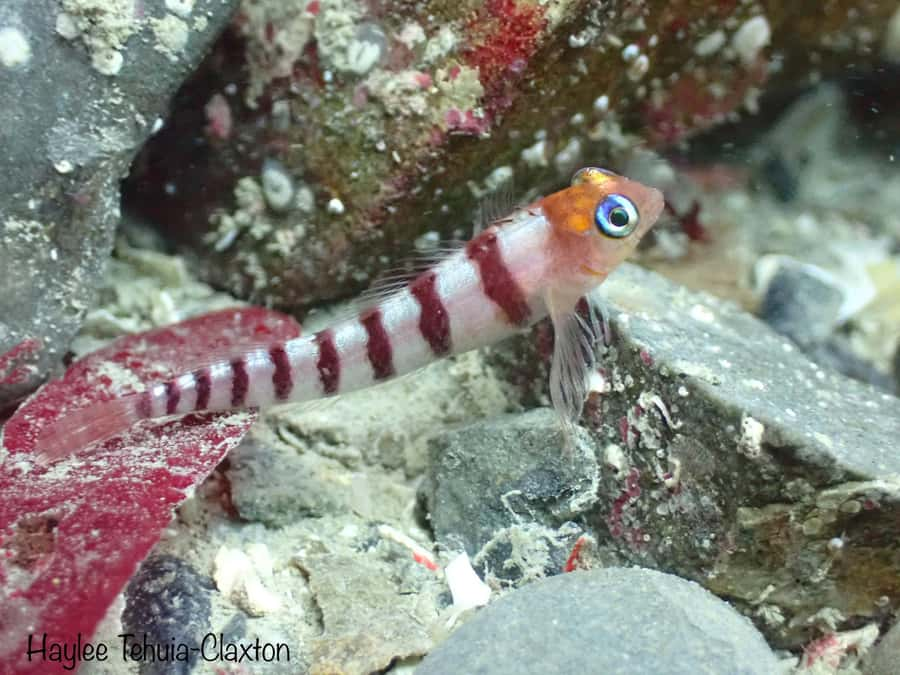
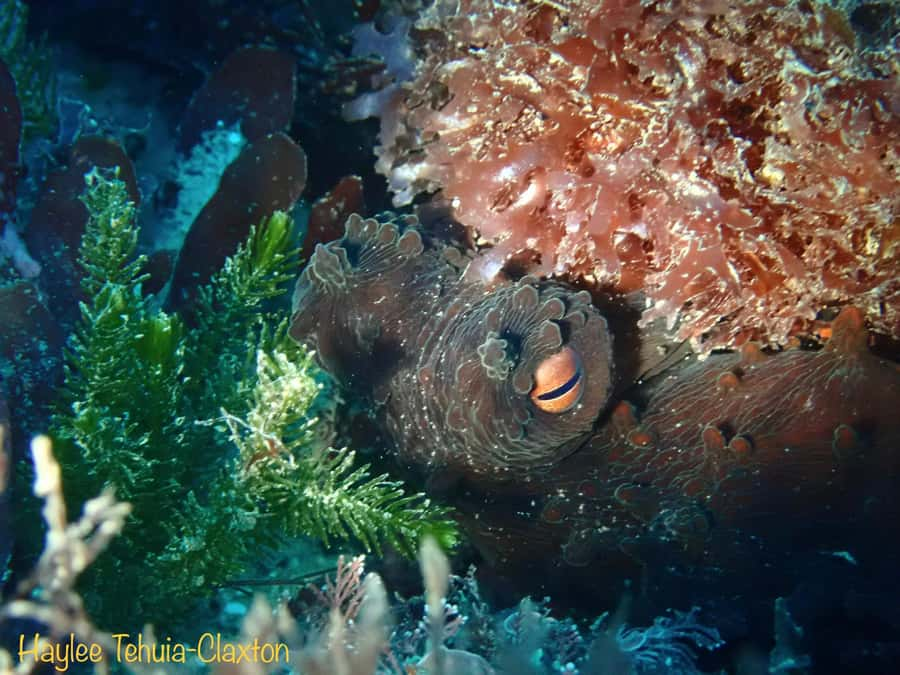
- Local marine life: Look for octopus, moki, blue cod, wrasse, butterfish, crayfish, paua, kina, and nudibranchs.
- Possible fur seal encounter: Your bubbles may attract curious seals, though wildlife sightings are never guaranteed.
Why Kaikoura works so well for a boat-based scuba trip
Kaikoura is known for the way the mountains press close to the coast. That makes the trip out to the selected site part of the experience, not just transport. You’ll have a chance to look back toward the shore and take in the unusual meeting of steep peaks and open sea.
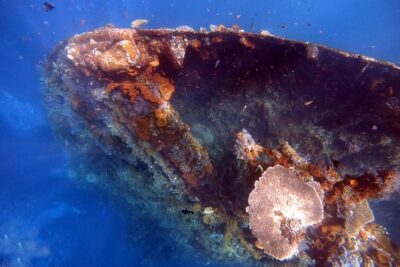
The underwater setting is shaped by rocky reefs rather than tropical coral. Kelp and seaweed cover the rocks in shades of red, orange, purple, green, and brown. This plant life gives shelter to smaller animals and creates the structure of the underwater habitat.
That difference matters when you decide what kind of trip you want. If your idea of a good session means bright coral, warm water, and long views across a clear seabed, this is not the right match. If you enjoy cold-water ecosystems, native fish, unusual small creatures, and the character of New Zealand’s coast, Kaikoura offers a much more local experience.
Visibility can be low, so you’ll need to pay attention to what is close at hand. That can make the trip feel less like sightseeing from above and more like finding small details among the rocks. A nudibranch, a crayfish tucked into a crack, or a patch of kina can become the highlight of the day.
More scuba diving around the world
- Great Barrier Reef Snorkeling and Diving Cruise from Cairns
★ 4.5 · 3,714 reviews - First-Time Scuba Diving in Honolulu + Free Videos
★ 5.0 · 3,123 reviews - Oahu Shark Dive
★ 5.0 · 2,903 reviews
Starting at 38 West End
The outing begins at 38 West End, the stated meeting point in Kaikoura. The total duration is about five hours, so you should protect a good block of your day rather than trying to squeeze this between several timed attractions.
The trip includes equipment, which is useful if you are visiting New Zealand with limited luggage or do not want to arrange a separate rental package. The information provided does not list each item of equipment, so it is sensible to confirm any personal requirements before booking.
The operator runs the trip in English, and the small group is limited to four participants. That size is one of the strongest practical features here. A group of four allows the outing to remain focused, with less waiting around and less chance of being separated from the guide’s attention.
You must be a certified diver to take part. This is not an introductory lesson, a first-time tryout, or a casual boat excursion with an optional underwater portion. You should already meet the certification requirement before reserving.
The 10-minute and 20-minute transfers
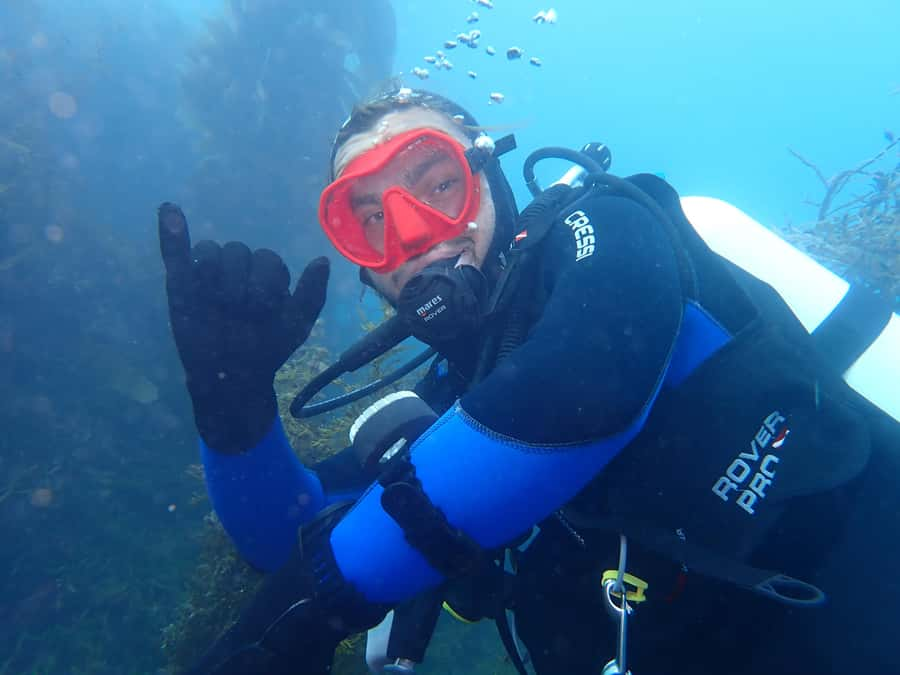
The schedule lists two outward transfers, one of about 10 minutes and another of about 20 minutes. Together, they take you from the meeting point toward the selected Kaikoura sites.
The exact reason for the two transfer stages is not specified, so I would treat them simply as the boat’s outbound travel time. The short intervals are helpful because they keep the ride from becoming a long stretch of open-water transit before the main activity begins.
Use this part of the trip to get ready for the conditions. Kaikoura’s scenery is a major bonus, but the water itself is the focus. The view of the mountains meeting the sea gives you a strong sense of place and helps explain why these waters can feel more rugged than a sheltered, warm-weather site.
Weather plays an important role. Trips depend on sea conditions, and the outing can be cancelled if the water is not suitable. If that happens, a full refund is provided. I would avoid booking this as the one activity that must happen on a tightly packed schedule, especially if you have a same-day departure from Kaikoura.
First one-hour session among kelp-covered reefs
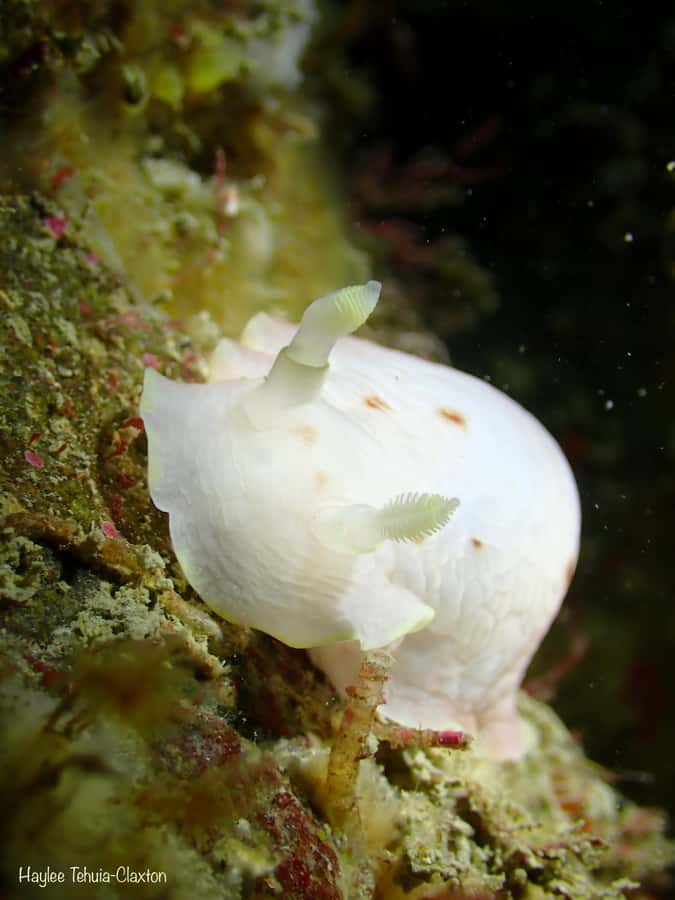
The first underwater session lasts one hour. That is a useful amount of time for a proper look around, especially when the water may be cold and visibility may be limited.
The main setting is a rocky reef covered in kelp and seaweed. You may see long plant growth in many colors, from brown and green to red, orange, and purple. These are not just decoration. They provide cover and feeding areas for many of the creatures you hope to find.
Native fish listed for the area include moki, blue cod, wrasse, and butterfish. You may also find octopus moving through the rocks or keeping out of sight. Since visibility can be low, the best approach is to slow down and scan the reef rather than expecting to see animals from a long distance.
You can also look for crayfish, paua, and kina beds among the rocks. These details give the session a strong sense of place. You are not simply looking at generic sea life. You are seeing species and habitats associated with New Zealand’s cold coastal waters.
A school of baitfish may appear, but this is occasional rather than promised. The same is true of fur seals. Your bubbles may attract their playful attention, but the operator cannot control when wildlife comes near. Take the possible seal encounter as a welcome bonus, not the main reason to book.
Same water, a different dive:
- Southern Tenerife: 50-Minute Submarine Dive
★ 4.8 · 2,216 reviews - Silfra: Diving Between Tectonic Plates – Meet on Location
★ 5.0 · 2,139 reviews - Ocean Freedom Great Barrier Reef Luxury Snorkel and Dive Cruise
★ 5.0 · 1,895 reviews - Beginner Scuba Diving with Turtles and Videos, San Juan
★ 5.0 · 1,743 reviews
The one-hour break between sessions
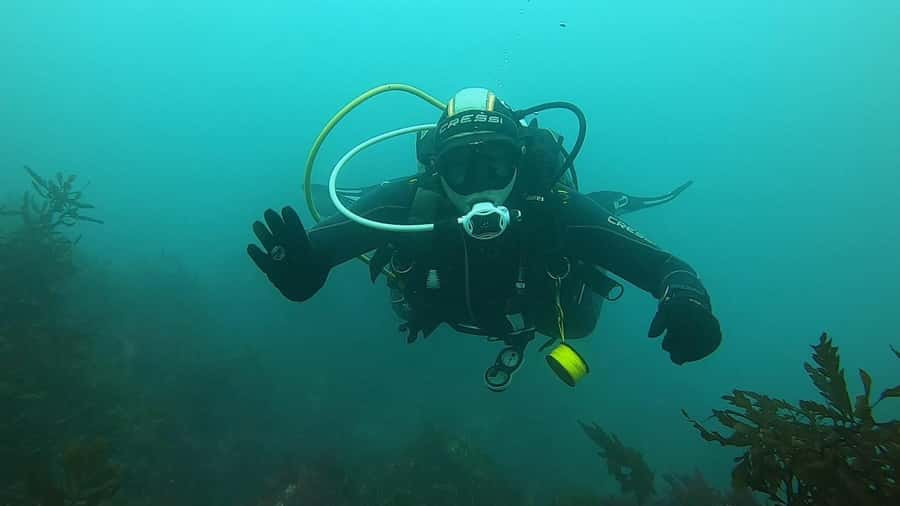
After the first session, you get about an hour to rest. This is important in cold water, where two back-to-back outings could become tiring and uncomfortable.
The schedule describes this as break time, without giving further details about food, drinks, or a specific shore stop. You should not assume that lunch or refreshments are included unless the operator confirms it. The safest plan is to arrive prepared with anything you need for a five-hour outing.
A full hour also gives you time to think about what you saw and reset before the second session. If the first hour is spent searching close to the rocks, the second may give you a chance to focus on smaller subjects, fish movement, or different sections of the reef.
The break helps make the trip more manageable, but it does not change the basic nature of the activity. You will still spend a substantial part of the day in cold water and on a boat. Certified participants should be comfortable with that level of physical activity.
The second one-hour session and smaller sea life
The second session lasts another hour. By this point, you’ll have a better feel for the water, the visibility, and the sort of habitat around the site.
This is a good time to look for smaller subjects such as nudibranchs. These sea slugs can be easy to miss, particularly when visibility is poor, but careful observation often pays off. The rocky reef also offers more chances to spot crayfish, paua, and kina among the seaweed.
You might encounter more fish, including blue cod, moki, wrasse, and butterfish. Baitfish may pass through in a school, changing the mood of the reef for a moment. An octopus could be visible in the open or hidden in a crevice.
Fur seals are the most dramatic possibility. Their curiosity around bubbles can lead to a memorable encounter, but there is no guarantee. The best way to approach this part of the trip is to appreciate the full range of life on the reef, with seals as an occasional extra.
The second session also gives you a second chance if the first one is not ideal. Cold water, movement, and low visibility can take time to adjust to. Having two separate sessions is more useful than spending the same total time in one continuous period.
Returning to 38 West End
The return journey is listed as two transfers of about 20 minutes and 10 minutes. After the second session, the boat brings you back toward the original meeting point at 38 West End.
The total schedule adds up to roughly five hours: outbound transfers, one hour underwater, one hour of break time, another hour underwater, and the return transfers. The timing may change if sea conditions affect the route, so keep the rest of your day flexible.
This is not a quick add-on for someone who wants a short look at Kaikoura’s coast. It is a dedicated half-day activity. That makes it easier to justify if you already plan to spend time in Kaikoura, but less convenient if you are passing through on a tight timetable.
What the cold water and low visibility mean
The operator gives a direct warning about conditions, and you should take it seriously. This is cold-water scuba, usually with low visibility. Those two factors shape nearly every part of the outing.
Cold water can make the sessions feel more demanding than the one-hour duration suggests. You should be comfortable with the conditions and prepared for the fact that the water will not resemble a warm holiday resort.
Low visibility changes how you observe marine life. You may not get broad views of the reef, and animals can appear only when you are close. That can be frustrating if you want easy photography or large, sweeping scenes, but it can also make each discovery feel more personal.
I would choose this trip for the texture of the reef and the chance to see native species in their own environment. I would not choose it based on the hope of guaranteed seals, schooling fish, or crystal-clear water.
Group size, equipment, and overall value
The maximum group size is four, and equipment is included. Those features add real value, particularly if you are travelling without your own kit or prefer not to arrange separate rentals.
No price is provided here, so I cannot judge the exact cost against other local options. The value comes from the amount of time and the structure: two one-hour sessions, a one-hour break, boat transport, equipment, and a small group over roughly five hours.
You are also paying for access to a cold-water environment that may require a boat to reach. The mountain views, rocky reefs, and chance of local marine life make this more than a basic pool-style training session.
The main question is not simply price. It is fit. If you are certified, interested in New Zealand’s marine habitats, and happy with low visibility, the two-session format gives you a fair amount of time in the water. If you want warm conditions, easy visibility, or a guaranteed animal encounter, the value will feel weaker.
Kaikoura has other ways to see its wildlife, including whale-watching cruises, scenic flights, kayaking, seal-focused outings, and land-based adventure activities. Those options may suit you better if you prefer to stay above the water. This boat trip is for people who specifically want to experience the coast below the surface.
Who should book this Kaikoura scuba trip
I would recommend it to certified participants who:
- Enjoy cold-water marine environments
- Want two substantial underwater sessions rather than a brief introduction
- Prefer a small group of no more than four
- Are interested in kelp, rocky reefs, native fish, and small sea creatures
- Can keep their schedule flexible in case sea conditions change
- Understand that visibility may be low
I would think twice if you are new to scuba, uncomfortable in cold water, or mainly interested in clear views and large wildlife. The trip requires certification, and the conditions are part of the experience rather than an occasional inconvenience.
Should you book it?
Book this trip if you want a focused look at Kaikoura’s underwater world and you are already a certified scuba participant. The two one-hour sessions, equipment, small group, and striking mountain-to-sea setting give the outing a strong sense of value.
Skip it if you want a warm, clear-water session or if your schedule cannot handle a weather-related change. For the right person, this is a rewarding way to see a lesser-known side of Kaikoura. Just arrive ready for cold water, limited visibility, and a reef where the smallest discoveries may matter most.
FAQ
How long does the double boat scuba trip last?
The activity lasts about five hours, including boat transfers, two one-hour scuba sessions, and a one-hour break.
Where does the activity start?
The starting point is 38 West End in Kaikoura, on New Zealand’s South Island.
How many underwater sessions are included?
You get two boat-based scuba sessions, each lasting about one hour.
Is equipment included?
Yes. The activity is described as a double boat scuba trip with equipment included.
Do I need certification?
Yes. The activity is not suitable for participants without scuba certification.
How many people can join the group?
The group is limited to four participants.
What conditions should I expect underwater?
The water is cold and visibility is typically low. You should be prepared for conditions that differ from warm, clear tropical sites.
What happens if the weather is too poor for the trip?
The trip depends on sea conditions. If it cannot operate because of poor conditions, a full refund is provided.
Newly logged dives around the world
- Phu Quoc: Scuba Diving Experience for All Levels★ 4.9 · 31 reviews
- Moalboal : Scuba Diving Sardine Run and Turtle Chasing★ 5.0 · 2 reviews
- From Alanya: Scuba Diving Tour with Hotel Transfers★ 3.7 · 3 reviews
- Scuba Diving in Colombo★ 5.0 · 2 reviews
- Scuba Diving in the Volcanic Caldera/shorelines of Santorini★ 4.6 · 5 reviews
- Kemer Scuba Diving with Expert Diving Option★ 4.2 · 45 reviews
- Phuket: Coral Reef Scuba Diving Experience at G Beach Club★ 4.9 · 32 reviews
- Fuerteventura: Introductory Dive in La Lajita with Pickup★ 4.9 · 68 reviews
Scuba Diving, side by side.
Great Barrier Reef Snorkeling and Diving Cruise from Cairns
Read our review →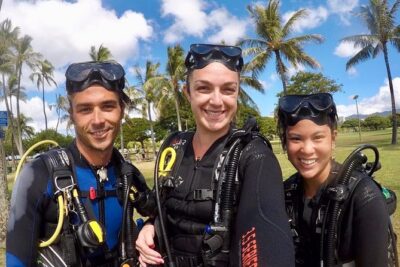
First-Time Scuba Diving in Honolulu + Free Videos
Read our review →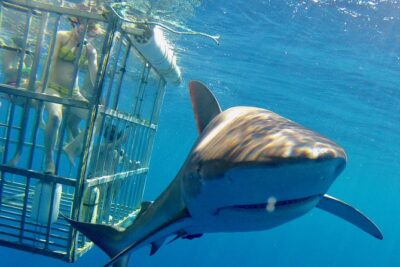
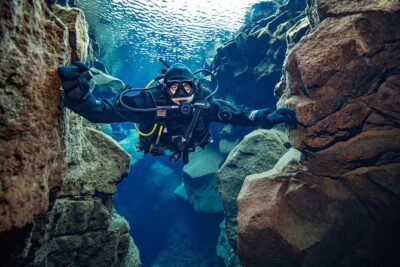
Silfra: Diving Between Tectonic Plates – Meet on Location
Read our review →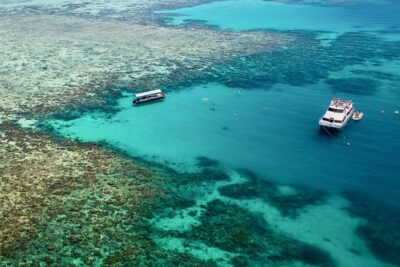
Ocean Freedom Great Barrier Reef Luxury Snorkel and Dive Cruise
Read our review →
Beginner Scuba Diving with Turtles and Videos, San Juan
Read our review →
Tenerife: Your First Scuba Diving Experience in Turtle Area
Read our review →