Review · AUSTRALIA
Port Douglas: Poseidon Outer Barrier Reef Dive and Snorkel
The best part of this Port Douglas day is the time in the water: three Agincourt Ribbon Reef sites and more than five hours to snorkel, take guided tours, or try scuba. Poseidon carries no more than 65 people, so the day feels more personal than a large reef ferry.
I especially like the marine interpretation, including Fern’s talks and guided reef walks, plus the hydraulic platforms that make getting into the water simple. The drawback is that scuba costs extra, whale encounters are never guaranteed, and rough sea conditions can affect the day.
Key points to know
- Three reef sites: Visit separate Agincourt Ribbon Reef locations, each selected for its coral and marine life.
- Five hours on the reef: You get far more water time than on a quick shore excursion.
- Small-group catamaran: Poseidon carries up to 65 people on a 24-metre vessel.
- Useful marine guidance: A marine biologist provides talks, while guided snorkel tours run at each site.
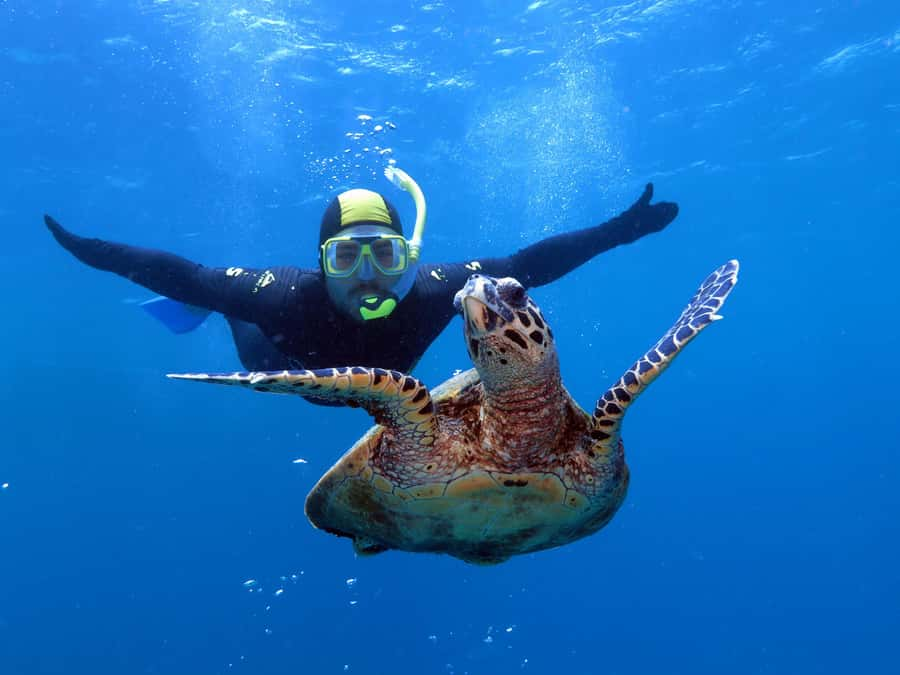
- Seasonal Minke whale chance: From July through September, the licensed vessel may allow swimming with dwarf Minke whales if they are encountered.
- Scuba options: First-time scuba participants can take up to two sessions, while certified participants can take up to three, at an added cost.
Why the Agincourt Ribbon Reefs are worth the trip
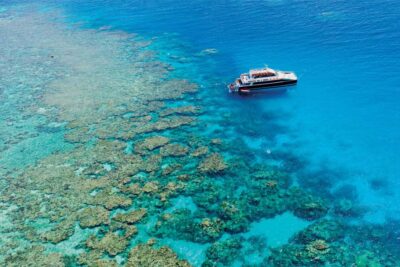
Port Douglas sits close to the Great Barrier Reef, but not every reef outing reaches the same kind of water. Poseidon heads to the Agincourt Ribbon Reefs on the Outer Barrier Reef, an area selected for its coral variety, clear conditions, and marine life.
I like the idea of visiting three sites rather than spending the whole day at one mooring. Reef conditions change from place to place. One site may offer better coral views, another may suit a relaxed swim, and another may give you a different look at the reef structure.
The operator describes these sites as remote, with strong visibility and ecological variety. That does not mean every day will deliver perfect water. Weather, wind, sunlight, and sea conditions still matter. The useful point is that Poseidon can move between three locations, giving you more chances to find good conditions.
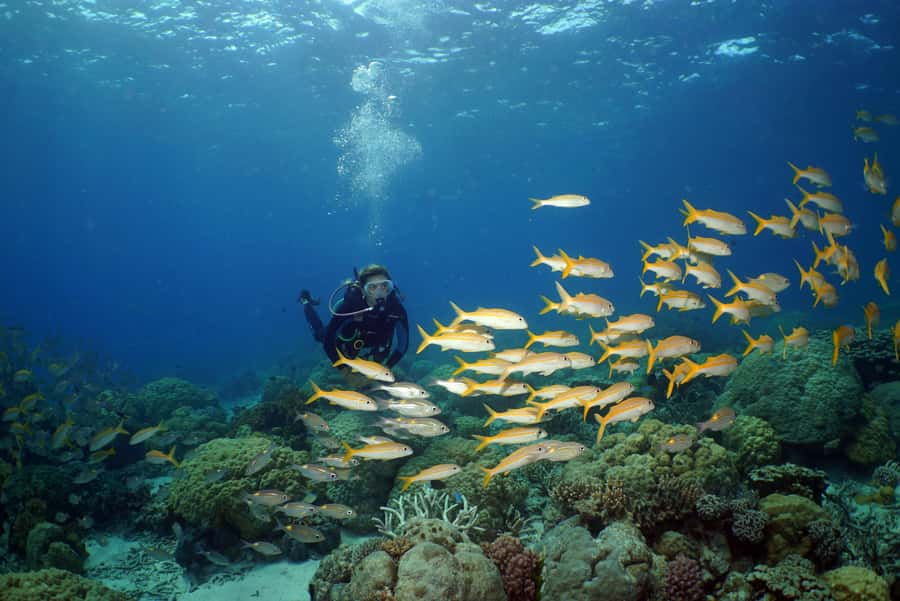
You should also expect the reef to feel like a natural environment, not an underwater theme park. Marine life appears on its own schedule. The appeal is seeing coral and fish in their actual setting, with guides helping you notice details you might otherwise miss.
More Reef Diving in Australia
- Great Barrier Reef Snorkeling and Diving Cruise from Cairns
★ 4.5 · 3,714 reviews - Ocean Freedom Great Barrier Reef Luxury Snorkel and Dive Cruise
★ 5.0 · 1,895 reviews - Cairns: Premium Snorkelling and Diving Reef Day Trip
★ 4.7 · 1,528 reviews
A full day aboard Poseidon
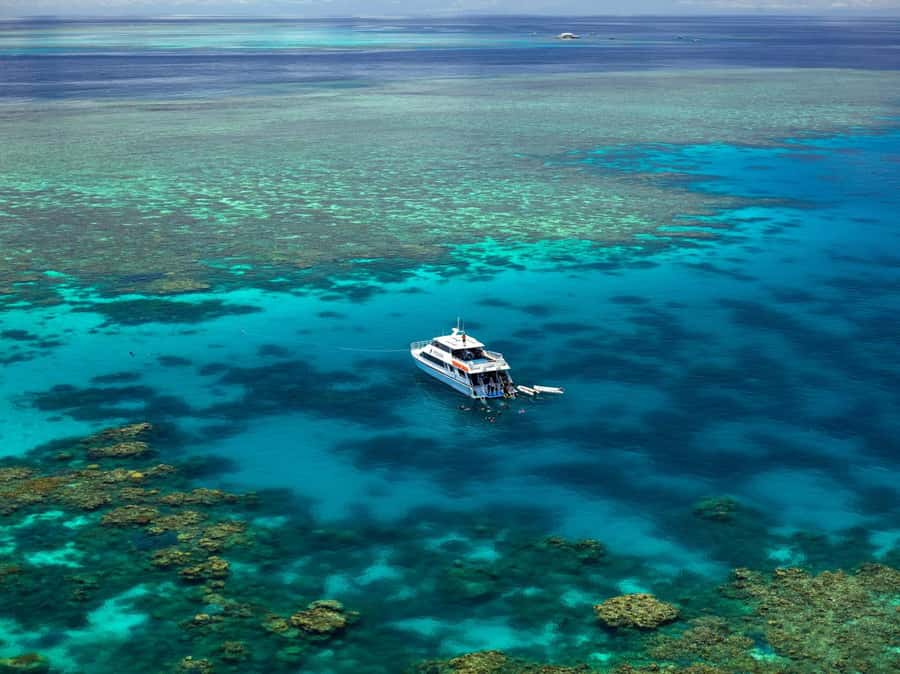
Poseidon is a 24-metre catamaran built for small groups and reef access. The eight-hour schedule includes the outward cruise from Port Douglas, time at three reef sites, meals, safety briefings, and the return journey.
A catamaran gives you wide deck areas and a stable base for a day on the water. Stability is useful when you are changing into swimwear, fitting equipment, eating lunch, or simply waiting between water sessions. Still, nobody should assume the ride will feel completely calm. If you are prone to seasickness, plan carefully and ask the operator for current advice.
The group limit of 65 matters. You are not alone on the boat, but the number is controlled enough for crew briefings and water access to remain practical. This is one reason Poseidon suits people who want a reef day with more room and personal attention than a very large cruise vessel may offer.
On board, you have freshwater showers, change rooms, a licensed bar, and hydraulic snorkel and scuba platforms. Those are small comforts, but they matter after several hours in salt water. The hydraulic platforms also reduce the fuss of climbing in and out, particularly when you are carrying fins or adjusting a mask.
What happens at the three reef sites
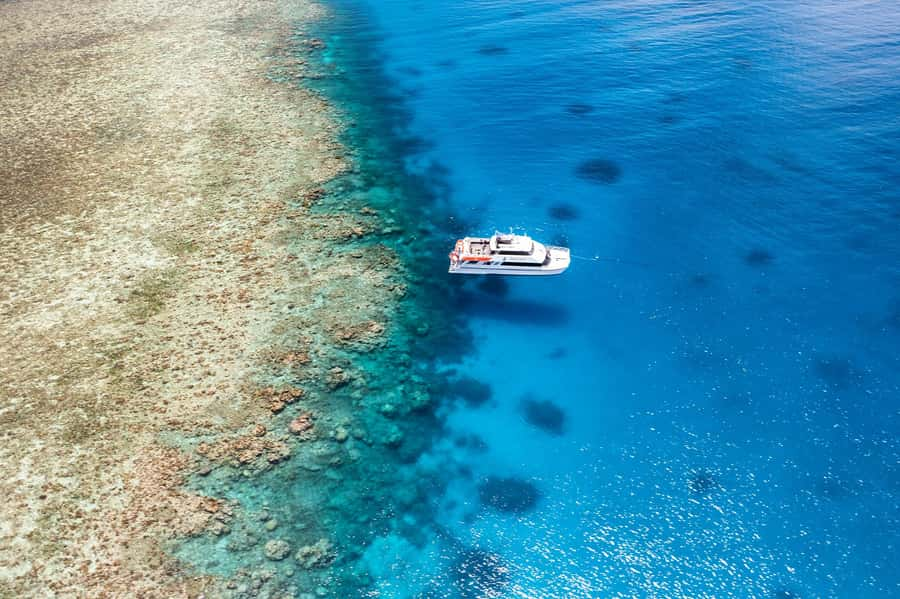
The day is built around three separate Agincourt locations. At each stop, you receive a snorkel briefing before entering the water. A qualified safety officer remains on hand, and guided snorkel tours are available at each site.
I would use the first stop to get comfortable with the equipment and the water. Check your mask seal, adjust your fins, and note where the boat is positioned. Even confident swimmers benefit from taking a few minutes to understand the current and the boundaries.
The second site gives you another chance to see the reef from a different angle. Since the stops are chosen for visual and ecological variety, you might find differences in coral shape, fish activity, or water clarity. The tour does not promise a particular animal at a particular site, so keep your attention moving rather than waiting for one famous species.
The third site is valuable because fatigue can change how you experience the reef. You may be more relaxed by then, and the guided tour can help you look beyond the first bright coral formations you notice. On the other hand, if you are tired or sun-sensitive, you do not need to stay in the water every minute. Five hours of reef time is generous, not an obligation to swim nonstop.
The main practical tip is to pace yourself. Use the breaks, drink water, reapply sunscreen, and save some energy for the final site. The crew provides morning and afternoon tea, plus lunch, but you should still bring your own water bottle if that is your preference.
Snorkeling with equipment and guidance
Snorkeling equipment is included, including a mask, snorkel, and fins. A Lycra suit is also provided, and prescription masks are available at no extra charge. That last detail can make a major difference if ordinary masks leave you unable to see clearly.
You receive a briefing at every reef site, not just one general talk at the start of the day. This is helpful because each location can have different conditions. Listen for the instructions about water entry, swimming areas, safety, and how to return to the vessel.
Three guided snorkel tours are included, one at each site. I would join at least one even if you are an experienced snorkeler. A guide can point out animals, coral features, and signs of the reef’s ecological relationships that are easy to miss when you are simply looking for colorful fish.
Marine biologist Fern adds another useful layer to the day. Her talks cover marine life and the reef ecosystem, and her guided tour was singled out as a particularly strong part of the experience. The information is not just decoration. It helps you understand what you are seeing and why reef protection matters.
The water may look inviting, but remember that this is an active marine environment. You should avoid touching coral or animals, follow the crew’s directions, and keep your movements calm. Good snorkeling is not about covering the largest distance. It is about looking carefully.
More Snorkeling in Australia
- Cairns: Outer and Coral Cay Snorkel and Dive Cruise
★ 4.8 · 1,467 reviews - Snorkel & Dive the Reef: Sustainable, Scientific & Cultural Tour
★ 4.5 · 841 reviews - Port Douglas: Outer Barrier Reef Snorkel and Dive Options
★ 4.9 · 438 reviews - Silverswift Dive and Snorkel Great Barrier Reef Cruise
★ 4.5 · 432 reviews
Scuba choices for beginners and certified participants
Scuba is available, but it is an additional cost and depends on availability. First-time participants can take up to two scuba sessions with an experienced instructor. Certified participants can take up to three, with guided sessions designed to help them make the most of the sites.
That arrangement makes Poseidon useful for mixed groups. One person can snorkel while another tries scuba, then everyone can compare what they saw over lunch. The boat’s design, equipment, safety officer, and instructors are intended to make the process manageable for beginners.
You should be honest about your experience and health before booking scuba. Certain medical conditions and medications may prevent some people from participating. Contact the provider before the day if you have any doubt, rather than waiting until you are at the marina.
Certified participants should also confirm what is included and what costs extra. The base price covers snorkeling equipment and a wetsuit for scuba participants, but the scuba activity itself is not included. If you are booking mainly for scuba, check availability and pricing in advance.
The seasonal dwarf Minke whale possibility
From July through September, Poseidon has one of the limited permits that can allow swimming with dwarf Minke whales if they are encountered. This is a special possibility, but it should never be treated as a promised part of the schedule.
The key phrase is if encountered. Wildlife decides the timing. You might have excellent reef conditions and see no whales, or you might be in the right area when one appears. The crew must also follow the rules of the Great Barrier Reef Marine Park Authority.
One recent outing during the whale period did not include Minke whales, which is a useful reminder to set your expectations correctly. Book this trip for the three reef sites and the snorkeling first. Treat a whale encounter as a rare bonus.
If whales are found and conditions allow, the licensed vessel may let you swim with them under the required rules. Listen closely to the crew, since wildlife interactions need to be handled with care and respect.
Food, comfort, and the little practical details
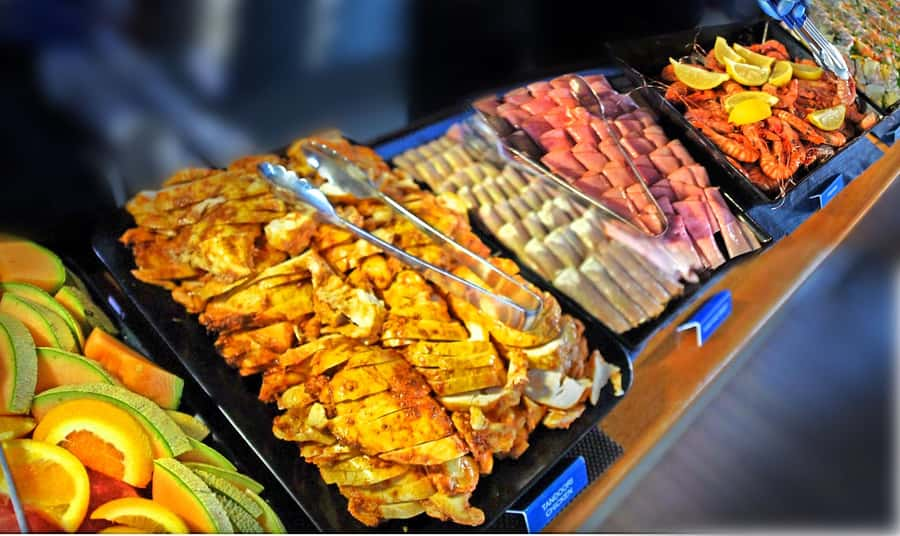
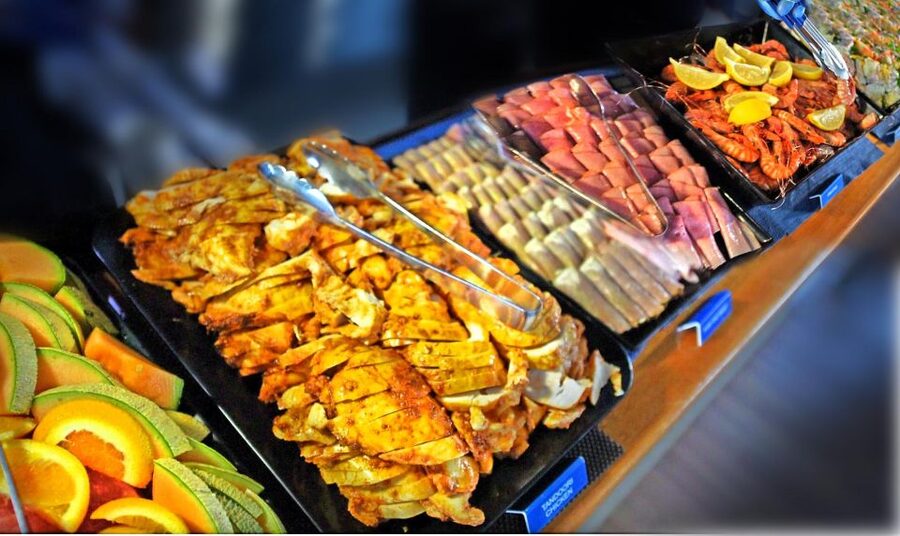
A tropical buffet lunch is included, with fresh prawns listed as part of the meal. Morning and afternoon tea are also provided. One recent group particularly appreciated both the amount and quality of the food, which matters on a long day with several hours in the water.
The licensed bar gives you a place to share a drink after the reef sessions, though you should keep your swimming plans in mind. Freshwater showers and change rooms help you feel more comfortable on the return cruise.
Bring swimwear, a towel, sunscreen, and a camera. A waterproof camera is the sensible choice, but the tour does not list one as included. Sun protection deserves extra attention because you can burn while snorkeling, even when you are focused on the water.
The vessel shown in promotional images may not be the exact boat used on your departure. Operational needs can result in a different but comparable vessel. The important features to confirm are the reef itinerary, equipment, water access, and group capacity rather than a particular photograph.
Price and value at $213
At $213 per person, this is not the cheapest way to see the Great Barrier Reef. I think the value depends on how much time you plan to spend in the water and how much structure you want around the experience.
The price includes the return cruise, three reef sites, more than five hours at the reef, snorkeling equipment, a Lycra suit, guided tours, marine interpretation, morning and afternoon tea, and a buffet lunch. Prescription masks are also available without an additional charge.
That is a solid package for a full-day Outer Reef trip. The smaller passenger limit and three-site plan add value, especially if you want more than a short snorkeling stop. The price is less attractive if you only want a brief look at the reef or plan to remain on the boat for most of the day.
Scuba changes the calculation because it costs extra. If you are booking for scuba, add that expense before comparing Poseidon with other Port Douglas options. If you are mainly snorkeling, the advertised price gives you a clearer all-inclusive structure.
The 4.8 rating from 19 ratings supports the strongest parts of the offering: crew service, comfortable equipment, the three reef locations, food, and marine guidance. I would still give more weight to the actual program than to the number. This is an active sea day, and conditions can shape the experience.
Who will enjoy Poseidon most
I would recommend Poseidon to confident snorkelers who want several water sessions rather than one quick swim. It also suits couples or families with different interests, since some people can snorkel while others pay extra for scuba.
First-time scuba participants may appreciate the experienced instructor and the option of up to two sessions. Certified scuba participants have the chance for up to three guided sessions, though they should confirm availability and extra charges before departure.
The trip is less suitable if you dislike boats, struggle with a full day in the sun, or want a guaranteed wildlife encounter. It is also not suitable for wheelchair users.
English is the tour language. One Italian-speaking participant found that the crew took care to explain essential information clearly, but you should be comfortable following English safety instructions. That is especially important before entering the water.
Booking advice and final verdict
I would book Poseidon if your priority is quality reef time, three separate sites, useful marine guidance, and a smaller catamaran setting. The strongest reason to choose it is the combination of five hours at the reef and Fern’s marine interpretation, not the possibility of seeing whales.
Before paying, check the meeting point for your selected option, the starting time, and scuba availability if needed. You can cancel up to 24 hours ahead for a full refund, and the reserve-now, pay-later option keeps your plans flexible.
You should skip it if you want a short, low-commitment outing or if you need guaranteed calm water. For an active full day with strong snorkeling support, practical facilities, and three chances to see the reef, Poseidon offers good value at $213.
FAQ
How long does the Poseidon reef trip last?
The experience lasts eight hours, including the cruise from Port Douglas, time at three Agincourt Ribbon Reef sites, meals, and the return journey.
How much time do I spend at the reef?
You spend more than five hours at the reef, with visits to three different sites.
How many people can Poseidon carry?
Guest numbers are capped at 65 people. Poseidon is a 24-metre catamaran designed for small-group reef trips.
Is snorkeling equipment included?
Yes. The tour includes a mask, snorkel, fins, a Lycra suit, and snorkel briefings at each reef site. Prescription masks are available at no additional cost.
Are guided snorkel tours included?
Yes. A guided snorkel tour is offered at each of the three reef sites.
Is scuba included in the $213 price?
No. Scuba costs extra and depends on availability. First-time scuba participants can take up to two sessions, while certified participants can take up to three.
Can beginners try scuba?
Yes. First-time scuba participants can take up to two sessions with an experienced instructor, subject to the required health conditions and availability.
Can I swim with dwarf Minke whales?
From July through September, the licensed vessel may allow you to swim with dwarf Minke whales if they are encountered. A sighting and swim are not guaranteed.
What should I bring?
Bring swimwear, a towel, sunscreen, and a camera. The tour provides snorkeling equipment, a Lycra suit, meals, and scuba equipment including a wetsuit for participants using the scuba option.
Newly logged dives around Australia
- Port Douglas: Premium Outer Reef Dive Trip★ 5.0 · 2 reviews
- Perth: Rottnest Island Scuba Diving Day Trip-Certified Diver★ 4.8 · 9 reviews
- Great Keppel Island: PADI Discover SCUBA Diving★ 5.0 · 2 reviews
- Moreton Island Day-Trip to Scuba Dive and More★ 4.1 · 59 reviews
- Townsville or Magnetic Island: Yongala Wreck Dive Day Trip★ 3.3 · 7 reviews
- Gold Coast: Introductory SCUBA Diving Experience★ 4.4 · 34 reviews
- Gold Coast: Cook Island Marine Reserve Scuba Experience Dive★ 4.5 · 3 reviews
- Cairns: Green Island Full-Day Tour with Diving★ 4.7 · 4 reviews
Reef Diving, side by side.
Great Barrier Reef Snorkeling and Diving Cruise from Cairns
Read our review →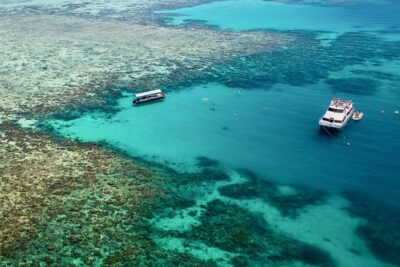
Ocean Freedom Great Barrier Reef Luxury Snorkel and Dive Cruise
Read our review →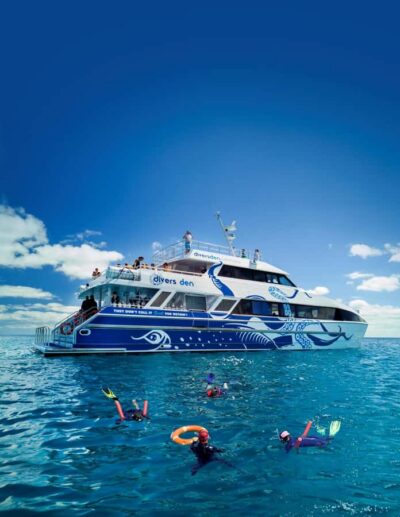
Cairns: Premium Snorkelling and Diving Reef Day Trip
Read our review →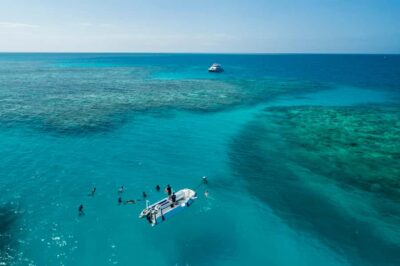
Cairns: Outer and Coral Cay Snorkel and Dive Cruise
Read our review →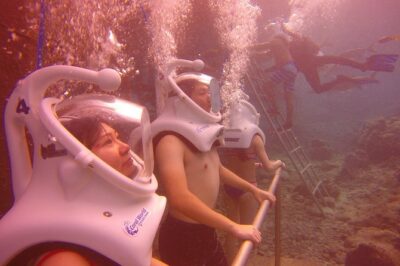
Sea Trek Helmet Dive at Coral World Ocean Park
Read our review →
Swim with Whale Sharks in the Ningaloo Reef: 3 Island Shark Dive
Read our review →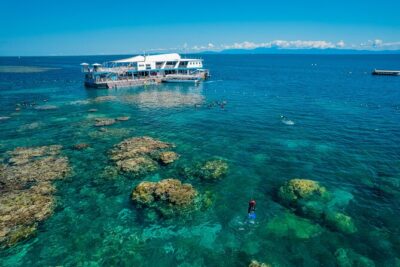
Snorkel & Dive the Reef: Sustainable, Scientific & Cultural Tour
Read our review →