Review · PLAYA DEL CARMEN
Playa del Carmen: Cenote Diving for Certified Divers
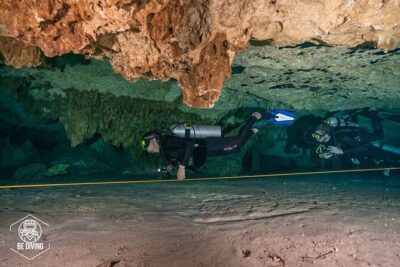
The remarkable part of this Playa del Carmen outing is the chance to move through a sacred Maya cenote, where clear freshwater, pale rock, and shafts of sunlight replace the usual reef scenery. You make two descents in the same system, following different lines with a Full Cave certified guide.
I like the small group of no more than five and the fact that lamps and all standard equipment are supplied. I also like the two-route format: you get a surface break, then return for a second look at a different section instead of repeating the same path.
The main consideration is that the $210 price does not cover the cenote entrance fee. You also need an Open Water certification and enough comfort in confined natural spaces to enjoy the setting.
Key details before you book
- Two different cenote routes: Make one underwater tour along one line, pause at the surface, then follow another line in the same system.
- Open Water certification required: You do not need a Full Cave qualification, but the guide is trained and certified for cave and cavern work.
- Small group size: A maximum of five participants allows closer supervision and less crowding in a delicate underground setting.
- Warm but not tropical water: The cenote stays around 25°C, or 77°F, and a long wetsuit is recommended.
- Bring cash for the extra fee: The cenote entrance charge is separate, and cash is listed among the things to carry.
- Eight hours from Playa del Carmen: The day includes transport, briefing, equipment preparation, two underwater sessions, and a break.
Why a cenote feels different from an ocean dive
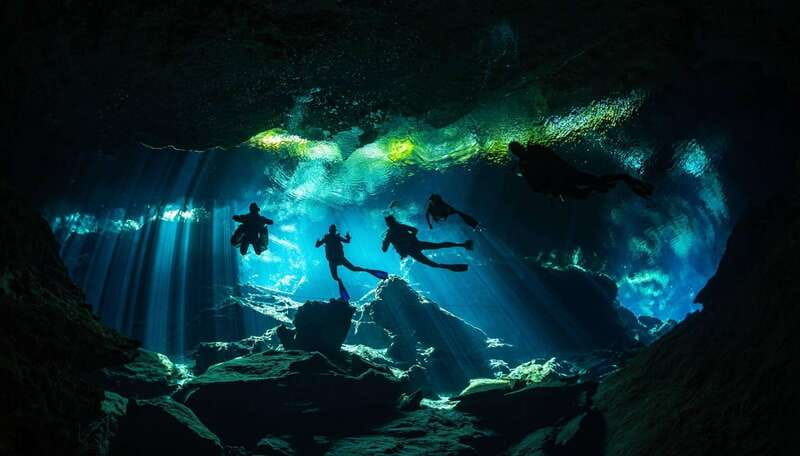
A cenote is a natural pit or sinkhole filled with freshwater. In the Yucatán region, these openings connect to broad underground water systems. The ancient Maya regarded cenotes as sacred places, so this is not simply another place to get wet and look at rocks.
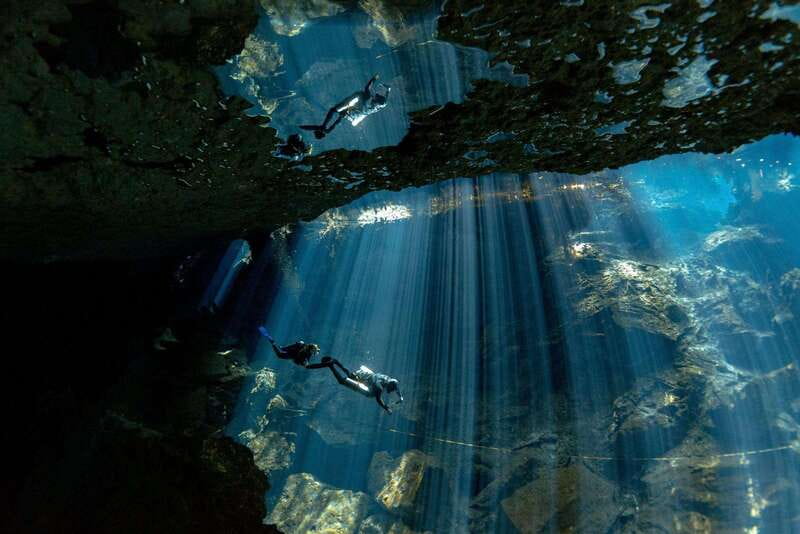
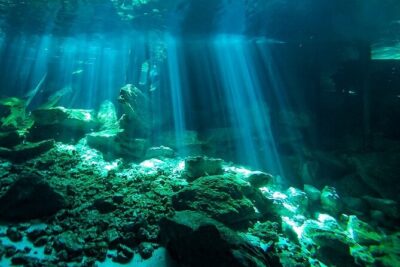
The visual character is completely different from a Caribbean reef. You are looking at limestone formations, clear freshwater, and sunlight filtering down from the opening above. The water can appear almost glassy, but the setting may feel more enclosed than an open-water site.
That contrast is the heart of the activity. You are not signing up for colorful coral or schools of tropical fish. You are signing up for unusual geology, changing light, and the quiet sensation of moving through a natural cavern area with a guide.
The word cavern matters here. The route is led by a professional with Full Cave certification and training in the Cavern Guide program. That does not turn the outing into a technical cave course, and you should not treat it as one. It does mean the person leading you has specific training for this type of underground environment.
More Cenote Dives in Playa del Carmen
- Scuba Diving in Cenote Dos Ojos from Playa del Carmen
★ 5.0 · 453 reviews - Scuba Diving in Cenote Kukulkan from Playa del Carmen
★ 5.0 · 370 reviews - Scuba Diving in Cenotes
★ 5.0 · 37 reviews
Getting from Playa del Carmen to the cenote
The day lasts about eight hours, including travel to and from the cenote site. Exact starting times depend on availability, so check the schedule before you commit to another activity on the same day.
The transport is described as comfortable, which matters because the cenote itself is only part of the outing. You need time to reach the site, listen to the safety talk, prepare equipment, complete both underwater sessions, and take the surface break between them.
Do not pack this into a busy day with a fixed afternoon appointment. An eight-hour activity can run across much of the daylight period, and the safest approach is to leave your schedule open.
The group limit is five people. That is a useful number for this setting. A guide can keep the group together more easily, and you are less likely to feel as if you are moving through a crowded underground corridor. It also gives you a better chance to ask questions before entering the water.
The briefing and equipment check
At the cenote, you receive a briefing before the first descent. Pay close attention here. The guide will explain how the route works, how to move through the cavern area, and what to expect from the freshwater setting.
The experience supplies the necessary diving gear and lamps. That keeps you from hauling a full personal kit from home, though you should confirm any personal equipment needs when booking if you have strong preferences about fit or configuration.
The lamps are not a minor extra. Underground areas can contain shaded corners and formations that would be difficult to see with natural light alone. The beam also helps you appreciate the difference between the open cenote entrance and the darker sections along the line.
A long wetsuit is recommended even though the water is listed at 25°C, or 77°F. That temperature sounds comfortable when you first read it, but you may feel cooler during a long period in the water, particularly when you are moving slowly and focusing on the route. If you tend to get cold, take the wetsuit advice seriously.
First route: clear freshwater and stone
The first underwater session introduces you to the cenote system. You follow one line through the route, looking at the rock formations and the changing light.
The clearest benefit of a line-based route is orientation. You are not simply swimming wherever you please. You have a defined path and a guide trained for cavern conditions, which helps keep the group organized in an environment where the ceiling, walls, and light can change quickly.
This is also the point where you learn whether the setting suits you. Some people love the enclosed feeling and the unusual silence. Others prefer open water and may find a cavern route more restrictive than expected.
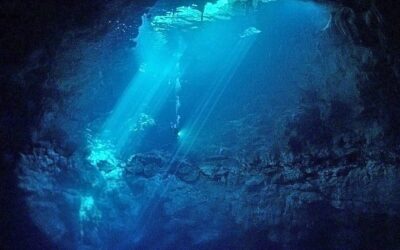
Sunlight is one of the main visual rewards. Where the cenote opens to the sky, beams can reach into the freshwater and create bright patches below. As you move away from the opening, the lamp becomes more important and the rock formations take over from the daylight.
The experience is designed for certified participants, but certification alone does not tell you how you will react to an enclosed setting. Be honest with yourself. If you feel uneasy in confined spaces, ask questions before booking.
More Dives for Certified Divers in Mexico
- Cozumel Dive Package – Certified Divers from the Riviera Maya (4 dives)
★ 4.5 · 51 reviews - 2-Tank Morning or Afternoon Dives in Playa del Carmen certified Divers Only
★ 4.5 · 33 reviews - Cenotes 2-Tank Dive in Playa del Carmen/for certified divers only
★ 4.0 · 13 reviews - Playa del Carmen: Guided Reef Diving for Certified Divers
★ 4.6 · 7 reviews
The surface break between sessions
After the first route, you return to the surface for an intermission. This pause gives you time to rest, drink water, have the included snack, and reset before the second session.
I like this structure because two underwater sessions can be more tiring than one long continuous outing. The break divides the day into manageable parts and gives you a chance to discuss what you saw with the guide.
Bring a change of clothes and a towel. You will want them after the water sessions, and the list of suggested items also includes swimwear, sandals, sunglasses, and a swimming cap.
Cash is worth carrying because the cenote entrance fee is not included. The activity price covers the main service, equipment, guide, snack, and water, but not every cost connected with the site. Ask for the current entrance amount before the day begins so you are not caught short.
Second route: a different view of the same system
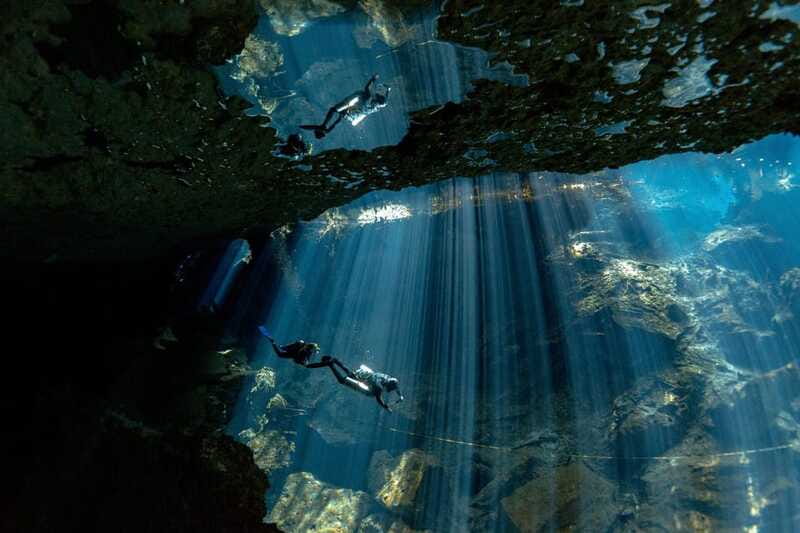
The second session follows a different line. This is the feature that gives the outing more substance than a quick look inside a cenote.
Although both routes belong to the same system, a different line can change the view, the direction of the light, and the rock formations you notice. You already understand the basic rhythm by this point, so you can spend more attention on the details around you.
The two-session plan also makes good use of the long travel time. You are not going all the way to the cenote for a single brief underwater visit. You get two distinct chances to see the setting, with a break between them.
Still, keep expectations realistic. The available details do not identify the cenote by name or promise particular wildlife, fossils, stalactites, or other formations. The reliable appeal is the freshwater clarity, the underground setting, the light, and the chance to follow two separate lines.
What the $210 price really covers
At $210 per person, this is not a budget water activity. You are paying for an eight-hour outing, transport, two underwater sessions, a certified guide, equipment, lamps, a snack, and water.
The small-group format improves the value. With no more than five participants, the fee pays for a more personal service than a large group outing. The guide’s Full Cave certification and Cavern Guide training are also important parts of what you are buying, especially since the route takes place in an underground environment.
The price is less attractive if you already own all your gear and would prefer a short, independent cenote visit. It becomes easier to justify if you want a guided route, need equipment, and value the added attention of a small group.
Remember to add the cenote entrance fee. It is specifically excluded, so the final cost will be higher than $210. Personal expenses are also extra.
Free cancellation up to 24 hours before the start gives you useful flexibility, and the reserve-now, pay-later option means you do not have to pay at the moment of booking. Those policies help if your Playa del Carmen plans are still shifting, but they do not remove the need to check the final price and meeting details.
Who will enjoy this most
This outing suits you if you already hold an Open Water certification and want a setting that feels very different from a standard ocean site. It is particularly appealing if you like geology, unusual natural places, and the play of light more than fish watching.
The activity also fits people who prefer small groups. A maximum of five is a real advantage for anyone who wants clear instructions and less crowding around the cenote entrance.
It is a good match for certified participants who are curious about cavern environments but are not looking for a technical cave course. The guide leads the route, supplies the lamps, and keeps the experience within the planned format.
You should think twice if you strongly dislike enclosed spaces, want a relaxed beach day, or need a guaranteed short schedule. The eight-hour duration makes this a full-day commitment, and the underground setting is the central feature, not a brief side stop.
Because the tour is offered in English, you should be comfortable understanding an English safety briefing. The available information lists English as the tour language and does not list additional languages.
Practical packing advice for the day
Pack light, but bring the items that make changing and waiting between sessions easier:
- Swimwear and a towel
- A complete change of clothes
- Sandals
- Sunglasses
- A swimming cap
- Cash for the separate entrance fee
- Water, although water is also included
- A snack, although a snack is supplied
The long wetsuit recommendation is especially useful. The water is 25°C, but you can lose body heat during a slow underwater route. The supplied equipment covers the main gear, and lamps are included for the darker sections.
Do not assume your phone, camera, or other personal items will be convenient to carry underwater. No details are provided about photography equipment or storage, so ask the operator if taking pictures is important to you.
Safety, comfort, and your own limits
The strongest practical feature is the guide qualification. Each guide is described as Full Cave certified and trained through the Cavern Guide program. That is relevant because underground routes require a different approach from open-water swimming.
You still need to bring your own judgment. Open Water certification is the stated minimum, but you should be comfortable with your equipment, able to follow instructions, and ready to stay with the group. The briefing is not something to rush through so you can get into the water sooner.
A small group helps, but it does not make the setting risk-free or remove the need for calm, controlled movement. If you become uncomfortable, tell the guide rather than trying to push through it quietly.
The activity received a top rating in the available booking feedback, including a short Polish reaction meaning super adventure. That matches the tour’s strongest appeal: it offers a striking, unusual setting in a well-defined format. The response record is small, though, so I would judge the outing by the clear practical details rather than by the rating alone.
Should you book this cenote experience?
Book it if you are Open Water certified, comfortable with cavern conditions, and want two separate underwater routes with a trained guide. The small group, supplied lamps, included equipment, and Full Cave credentials make this a solid choice for a focused cenote day.
Skip it if you want reef life, a casual swim, or a low-cost half-day activity. Add the entrance fee to your budget, keep the full eight hours free, and bring a long wetsuit if you own one or can arrange one.
For the right person, the $210 fee buys more than access to freshwater. It buys a carefully guided look at a sacred Maya setting that is difficult to understand from the surface alone.
FAQ
What certification do I need for this activity?
You need an Open Water certification. The guide is Full Cave certified and trained through the Cavern Guide program.
How many underwater sessions are included?
Two underwater sessions are included. Each follows a different line within the same cenote system, with a surface break between them.
How warm is the cenote water?
The water stays around 25°C, or 77°F. A long wetsuit is recommended for comfort.
Is the cenote entrance fee included?
No. The cenote entrance fee is separate from the $210 activity price. Personal expenses are also not included.
What equipment is provided?
Diving equipment and lamps are provided. A certified guide, snack, and water are also included.
How large is the group and what language is offered?
The group is limited to five participants. The live guide operates in English.
More Dives for Certified Divers in Playa del Carmen
- Cancun: MUSA Diving for certified divers morning dive trip
★ 4.9 · 7 reviews - Scuba Dive in Playa del Carmen – 2 Dives (Certified divers)
★ 3.3 · 3 reviews
Newly logged dives around Playa Del Carmen
- Scuba Dive in Playa del Carmen – 2 Dives (Certified divers)★ 3.3 · 3 reviews
- Playa del Carmen: Discovery Scuba Diving – Non Certified★ 5.0 · 2 reviews
- Playa del Carmen: Guided Reef Diving for Certified Divers★ 4.6 · 7 reviews
- Discover Scuba Diving in Playa del Carmen – 2 dives★ 5.0 · 7 reviews
- PADI Open Water Diver Course in the Riviera Maya★ 5.0 · 47 reviews
- Cancun: MUSA Diving for certified divers morning dive trip★ 4.9 · 7 reviews
- 2-Tank Morning or Afternoon Dives in Playa del Carmen certified Divers Only★ 4.5 · 33 reviews
- Cenotes 2-Tank Dive in Playa del Carmen/for certified divers only★ 4.0 · 13 reviews
Cenote & Cavern Dives, side by side.
2 cenote divings (including one deep diving) for advanced divers in Tulum
Read our review →
Amazing beginner dive in Tulum cenote (or refresher dive)
Read our review →