Review · SAINT LUCIA
From Castries: St. Lucia Scuba Diving Excursion
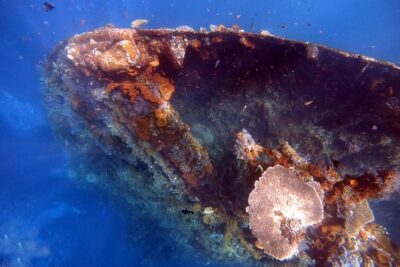
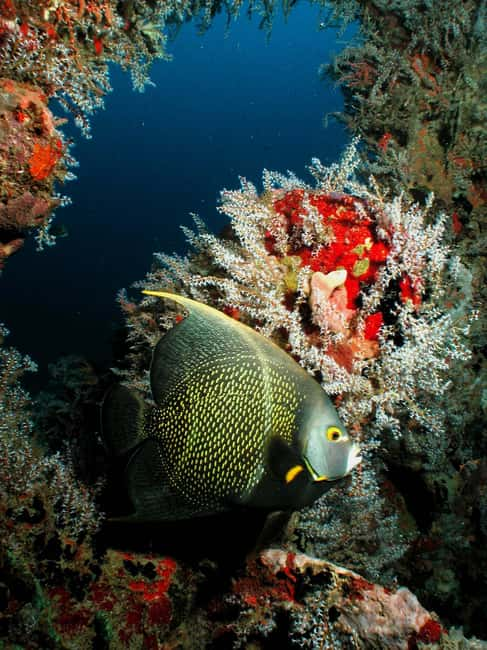
St. Lucia’s best scenery is not only above the water. This two-tank scuba excursion takes certified divers into marine reserves along the sheltered west coast, where shipwrecks, coral reefs, steep walls, and pinnacles share the same clear Caribbean water. The most memorable option is likely Anse Cochon, where you can visit wrecks and, if scheduled, return for a night session.
I like the mix of sites and the fact that staff dive masters and instructors supervise every outing in the marine reserves. I also like the practical setup: hotel or cruise ship pickup, tanks, mask, fins, lunch, and a five-hour schedule are included. The catch is the extra cost for a BCD, regulator, wetsuit, marine reserve fee, and VAT, so the advertised $116 price is not the final figure for most divers.
Key points to know before booking
- Two tank outings in five hours: You get a full half-day on the water without giving up your entire day in St. Lucia.
- Anse Cochon wrecks: This is the strongest choice if you enjoy underwater history and unusual structures.
- Soufriere walls and drift sites: These options offer a different feel from wreck exploration, with reef formations and moving water.
- Night or beach sessions: Anse Cochon or Anse Chastanet may be available for a more specialized outing.
- Bring your certification details: This is for certified divers, not beginners or uncertified participants.
- Budget for extra equipment: BCD, regulator, wetsuit, marine fees, and 10 percent VAT are not included.
What your five-hour St. Lucia scuba outing looks like
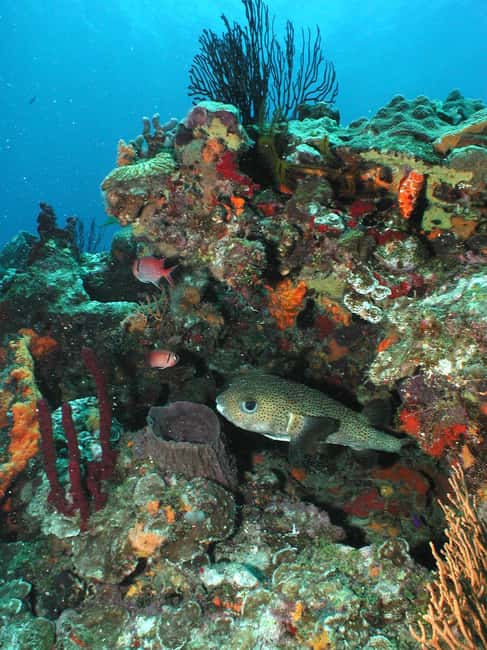
The experience is built around two tank outings in a five-hour window. Pickup and return are provided from hotels and cruise ships, with guaranteed pickup locations in northern to central accommodation areas. If your resort sits outside that zone, confirm the arrangement before booking rather than assuming the van will come to you.
Once the group is organized, the staff will match the day’s plan to the available sites. The listed locations include Anse Cochon, Soufriere, and Anse Chastanet. The wording matters: you may visit Anse Cochon, Soufriere, or both, and the exact mix can vary.
That flexibility is useful in St. Lucia. It gives the staff room to choose among wrecks, walls, drift sites, and beach or night sessions. It also means you should not book expecting a guaranteed visit to every site in one morning. The activity is best viewed as a guided selection of two underwater outings rather than a fixed sightseeing route.
The staff includes dive masters and instructors, and all outings in the marine reserve areas are supervised. You still get some freedom in the water, but the supervision adds structure and helps protect the reef. For a certified diver, that is a sensible balance: enough guidance to manage safety and the protected setting, without turning the outing into a rigid lesson.
More scuba diving around the world
- Great Barrier Reef Snorkeling and Diving Cruise from Cairns
★ 4.5 · 3,714 reviews - First-Time Scuba Diving in Honolulu + Free Videos
★ 5.0 · 3,123 reviews - Oahu Shark Dive
★ 5.0 · 2,903 reviews
Anse Cochon wrecks bring the most character
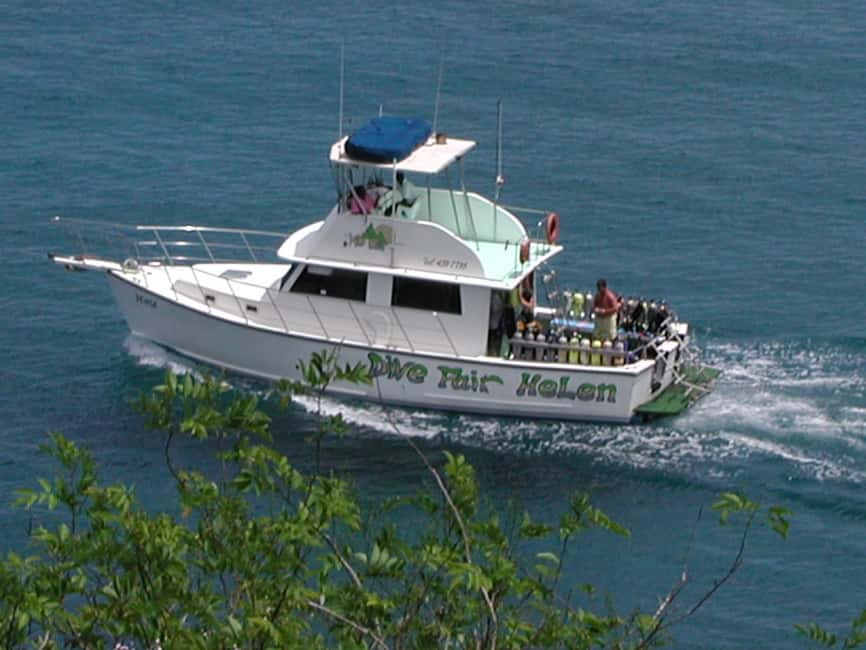
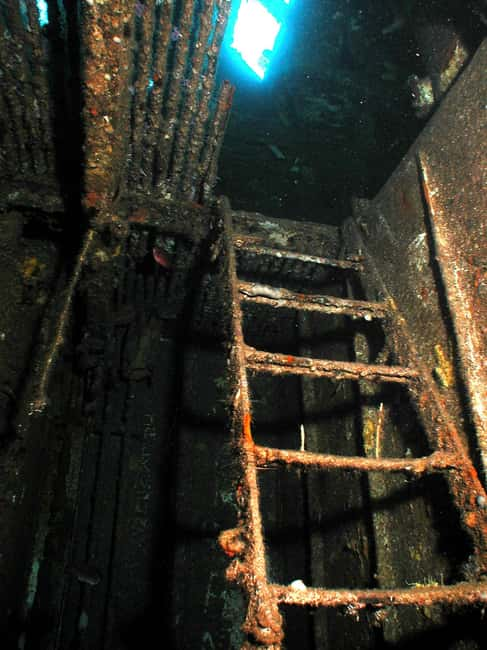
Anse Cochon is the natural choice for divers who want something more than a standard reef swim. The site includes shipwrecks, which give the underwater setting a sense of place and make the outing easier to remember than a simple pass over open coral.
A wreck also changes the way you look underwater. Instead of scanning only for fish and coral, you can study the shape of the vessel and the way marine life has taken over its surfaces. The available information does not specify the number, size, or type of wrecks, so do not arrive expecting a particular ship or penetration route. The appeal is the chance to visit wreck sites, not a promise of a technical wreck expedition.
Anse Cochon may also be used for a night session. That is an optional feature, not something every booking should assume. If you have never been underwater after dark, ask when booking whether the night outing is available during your stay and what equipment is required.
The night option makes this trip more flexible for repeat visitors and serious recreational divers. It also changes the day’s rhythm. A night session may be a better fit for someone who wants a specialized experience than for a first-time visitor trying to see as much of St. Lucia as possible in one short port call.
Soufriere offers walls and moving water
Soufriere provides a different kind of underwater outing. The choices here include a wall outing and a drift outing, so the experience can shift from viewing a vertical reef edge to letting the water carry you along a route.
A wall site is appealing if you enjoy looking into changing depth and following coral structure rather than examining one fixed object. A drift outing can feel more relaxed, since the current helps move you along, though moving water also makes it important to follow the staff’s instructions and stay aware of the group.
The supplied details do not give current strength, depth, visibility figures, or named sites in Soufriere. That is useful to remember when comparing this with a highly specific technical trip. You are booking access to a set of marine reserve locations and the staff’s site choice, not a guaranteed depth profile.
Still, the range is a real strength. Wreck fans can focus on Anse Cochon. Divers who prefer reef contours and a moving route can ask about Soufriere. If you are planning several days, the option to book from one to five days gives you more room to sample different site types instead of trying to fit every preference into one outing.
What the marine reserve setting adds
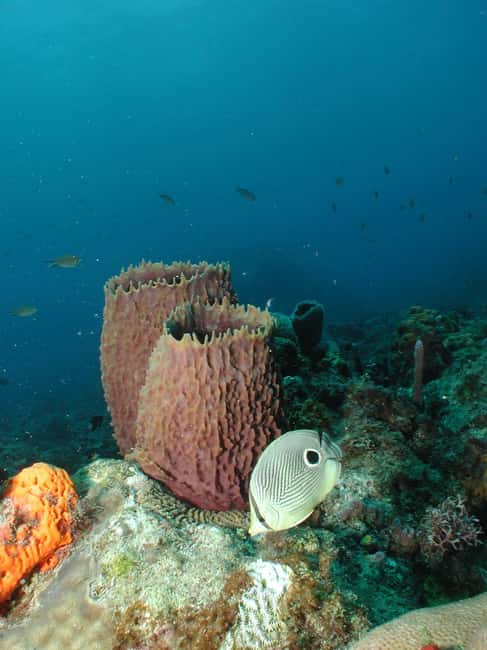
The sites lie in marine reserve areas along St. Lucia’s sheltered west coast. The reserve setting matters for two reasons. First, it places the outing among protected reefs, walls, pinnacles, and wreck areas. Second, it means the trip operates under local rules intended to support diver safety and environmental awareness.
A staff dive master or instructor supervises outings in these areas. You should still be comfortable with your own certification level and equipment, but you will not be left to manage the route without professional oversight.
There is also a marine reserve charge: $5 per day or $15 for an annual fee. This cost is separate from the listed activity price. Ask how the annual option is handled if you plan several outings, since the daily fee can add up over a longer stay.
The reserve fee is easy to overlook when comparing prices. It is a small charge beside the main booking cost, but it belongs in your real budget. The same goes for the 10 percent VAT, which is also excluded.
Same water, a different dive:
- Southern Tenerife: 50-Minute Submarine Dive
★ 4.8 · 2,216 reviews - Silfra: Diving Between Tectonic Plates – Meet on Location
★ 5.0 · 2,139 reviews - Ocean Freedom Great Barrier Reef Luxury Snorkel and Dive Cruise
★ 5.0 · 1,895 reviews - Beginner Scuba Diving with Turtles and Videos, San Juan
★ 5.0 · 1,743 reviews
The $116 price needs a closer look
At $116 per person, the package offers solid value for a certified diver who needs transportation and tanks. Two tank outings, a dive master, weights, basic mask, fins, snorkel, lunch, and hotel or cruise ship returns are included. That removes several costs and errands from a half-day plan.
The price is less straightforward if you need a full equipment set. A BCD, regulator, and wetsuit each rent for $10 per day, per item. Renting all three adds $30. Then add the marine reserve fee and 10 percent VAT. You should compare the final total, not only the headline rate.
The included gear list is also specific. Mask, fins, snorkel, tanks, and a weight belt are supplied, but BCD, regulator, and wetsuit are not. If you are traveling with your own equipment, check what you want to bring and what you can leave at home. If you need rental gear, reserve it in advance so there is no confusion on the day.
Lunch is included, which helps on a five-hour outing. It is a small but useful detail, especially if you are leaving a cruise ship or hotel and do not want to arrange food around the water schedule.
For a cruise passenger, pickup and return can make the rate more attractive because transport is built in. For a resort diver in the north or central part of the island, the same is true. The value is weaker if you are outside the assured pickup zone or already have a private vehicle and complete equipment, but the supervised access to several site types may still justify the cost.
Who should book this excursion
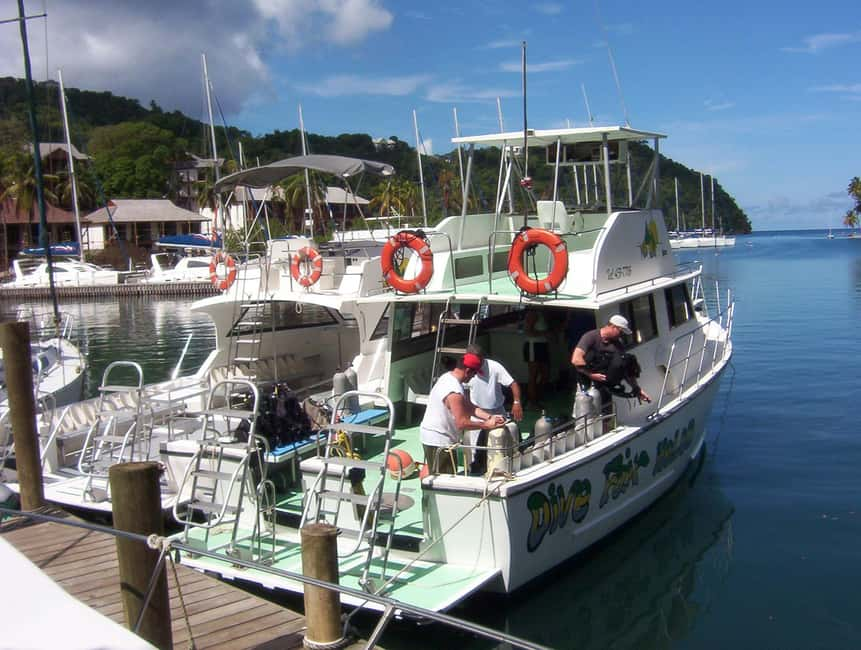
This is aimed at certified divers. It is not suitable for children under 10, pregnant women, people with a cold, or anyone without certification. Those limits are not minor fine print. A cold can affect comfort and pressure equalization, and the certification rule means this is not an introductory try-scuba session.
I would recommend it to a certified recreational diver who wants a compact half-day outing and likes having several site styles available. It suits someone who can enjoy wrecks one day, a wall or drift route another day, and perhaps a night or beach session if the schedule allows.
It is also a good match for cruise passengers, since pickup and return are offered and the five-hour length can fit into a port day, provided your ship’s timing allows enough margin. You should confirm the start time and return plan before committing to a tight departure schedule.
I would be more cautious if you need a beginner lesson, want a guaranteed named wreck, or need all equipment included. The activity information does not promise a specific site combination, group size, depth, or visibility. Ask those questions before paying if those details will determine your decision.
The experience is listed as wheelchair accessible, which is useful information for planning. Because the underwater activity itself involves boat access and scuba equipment, confirm the practical arrangements for your needs before arrival.
Simple ways to prepare
Bring proof of your certification and tell the provider which equipment you need to rent. The three rental items are priced separately, and the wetsuit is available for daily rental at $10.
Ask in advance about the day’s site plan. You can express a preference for Anse Cochon wrecks, Soufriere walls, a drift route, or a night or beach session, but the information does not promise that every choice will run on every date.
If you are booking more than one day, the one-to-five-day format may work well. It gives you more chances to experience different parts of the reserve and reduces the pressure to see every kind of site in one outing.
The activity is offered in English. Cancellation is free up to 24 hours before the start, and reserve-now, pay-later booking is available. Those policies help if your cruise schedule or island plans are still shifting, but they do not change the need to confirm pickup coverage.
Is the St. Lucia scuba excursion worth booking?
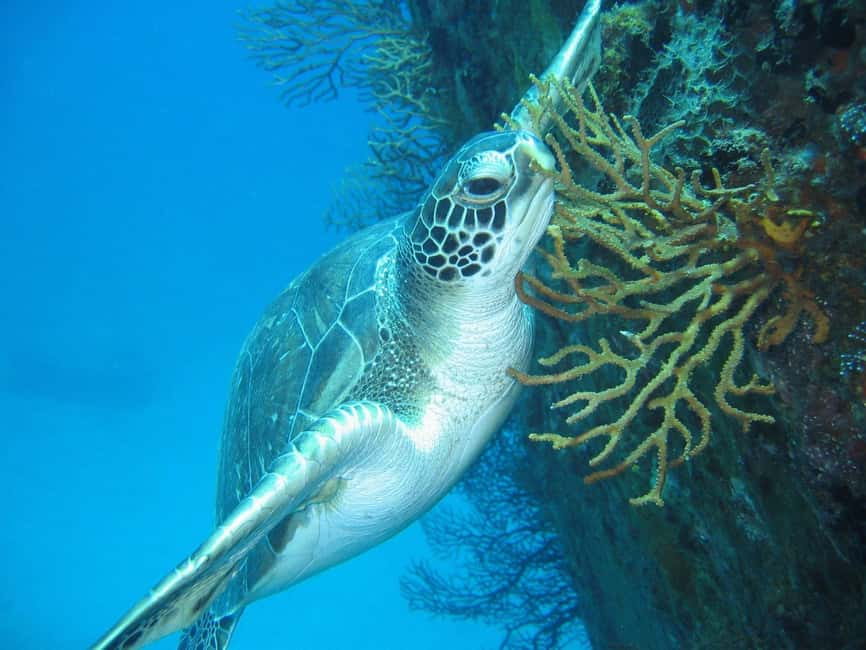
Book it if you are certified, want two tank outings in a half-day, and value access to wrecks, walls, drift routes, and possible night sessions more than a fixed itinerary. The best reason to choose it is the combination of Anse Cochon wrecks and supervised marine reserve access.
Before booking, add the $5 daily or $15 annual marine fee, 10 percent VAT, and any $10-per-item equipment rentals to the $116 base price. If you need a guaranteed site, beginner instruction, or a full gear package included, this may not be the right fit. For an appropriately certified diver who wants a practical west-coast outing with lunch and transport, it is a strong choice.
FAQ
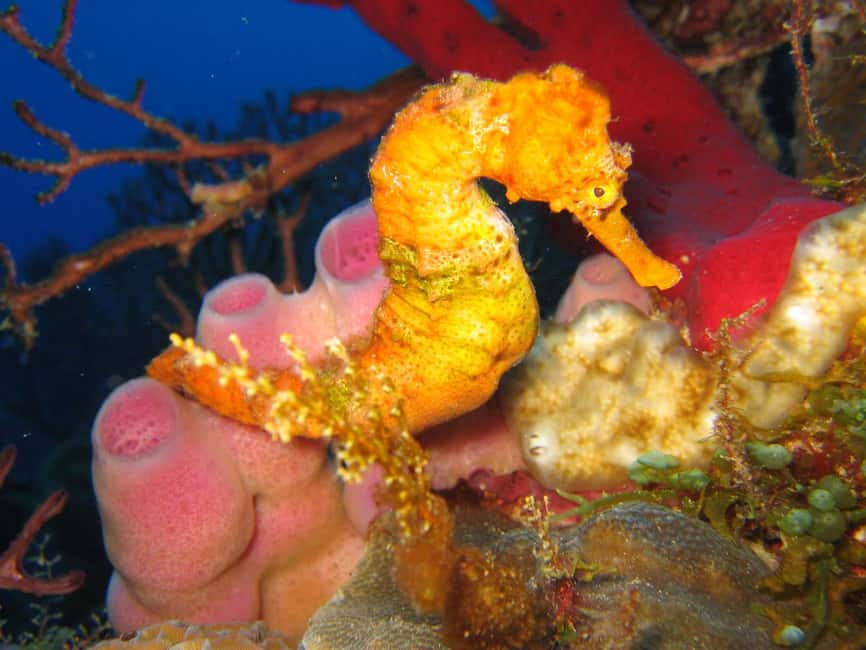
Is this scuba excursion suitable for beginners?
No. The activity is for certified divers, and divers without certification are not permitted to participate.
How long does the activity last?
The excursion lasts five hours and includes two tank outings.
Which underwater sites can I visit?
Possible locations include shipwrecks at Anse Cochon, wall and drift sites in Soufriere, and a night or beach session at Anse Chastanet or Anse Cochon.
Are tanks and basic scuba items included?
Tanks, a mask, fins, snorkel, weight belt, and dive master are included. A BCD, regulator, and wetsuit are not included.
How much does rental equipment cost?
A BCD, regulator, or wetsuit costs US$10 per day for each item. You can rent one, two, or all three items as needed.
Is the marine reserve fee included?
No. The fee is $5 per day or $15 for an annual fee. A 10 percent VAT is also not included.
Does pickup cover every hotel in St. Lucia?
Hotel pickup is assured for accommodation in northern to central areas, and cruise ship pickup and return are offered. Confirm coverage if your hotel is outside those areas.
Newly logged dives around the world
- Phu Quoc: Scuba Diving Experience for All Levels★ 4.9 · 31 reviews
- Moalboal : Scuba Diving Sardine Run and Turtle Chasing★ 5.0 · 2 reviews
- From Alanya: Scuba Diving Tour with Hotel Transfers★ 3.7 · 3 reviews
- Scuba Diving in Colombo★ 5.0 · 2 reviews
- Scuba Diving in the Volcanic Caldera/shorelines of Santorini★ 4.6 · 5 reviews
- Fuerteventura: Introductory Dive in La Lajita with Pickup★ 4.9 · 68 reviews
- Kemer Scuba Diving with Expert Diving Option★ 4.2 · 45 reviews
- Phuket: Coral Reef Scuba Diving Experience at G Beach Club★ 4.9 · 32 reviews
Scuba Diving, side by side.
Great Barrier Reef Snorkeling and Diving Cruise from Cairns
Read our review →
First-Time Scuba Diving in Honolulu + Free Videos
Read our review →
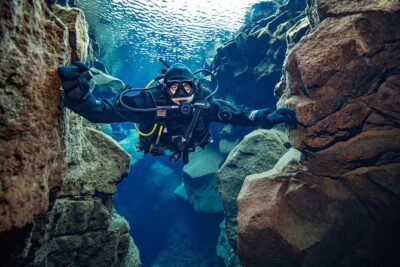
Silfra: Diving Between Tectonic Plates – Meet on Location
Read our review →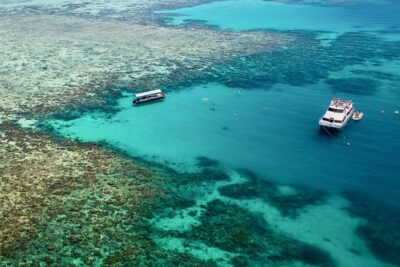
Ocean Freedom Great Barrier Reef Luxury Snorkel and Dive Cruise
Read our review →
Beginner Scuba Diving with Turtles and Videos, San Juan
Read our review →
Tenerife: Your First Scuba Diving Experience in Turtle Area
Read our review →