
Review · COLOMBIA
Tayrona National Park: Scuba Diving Tour for Beginners
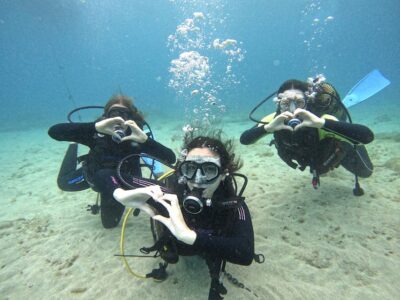
Tayrona National Park gives first-time scuba students a memorable setting for their first breaths below the surface. You begin in calm water with a qualified PADI professional, learn how the equipment works, then head out by boat to see marine life near the park.
I like the small group of four, which gives you more room to ask questions and work at your own pace. I also like that the price includes the boat ride, equipment, refreshments, and underwater photos and video. The main consideration is the short four-hour format: this is an introduction, not a full certification course, and rough weather can change the plan.
Key points to know before booking
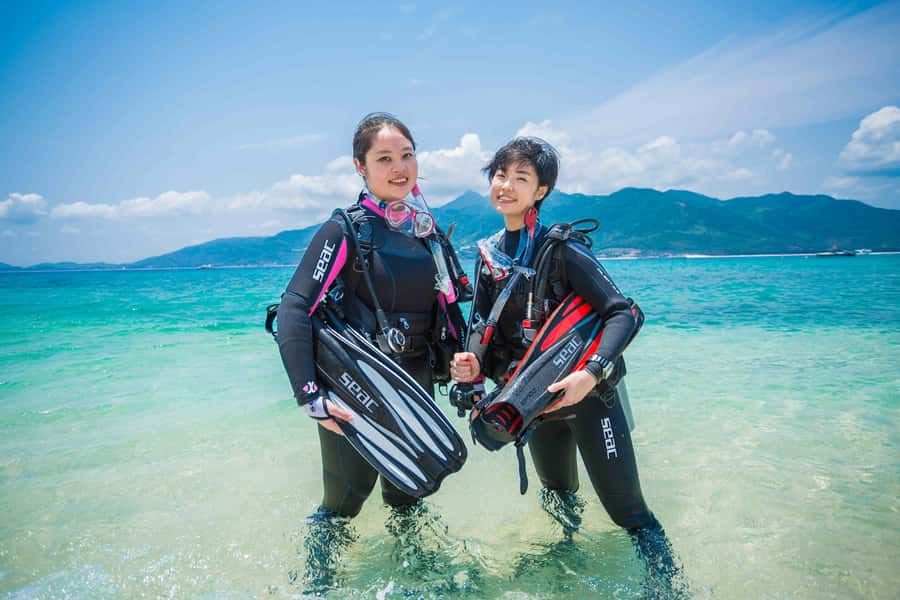
- Beginner-friendly instruction: Learn basic scuba skills, hand signals, and equipment use before exploring underwater.
- Calm-water setting: The first session takes place in a calmer environment, useful if you are still getting used to breathing through a regulator.
- Small groups: A maximum of four participants means more direct time with the instructor.
- Tayrona scenery from the sea: The boat ride and underwater session show you a different side of the national park.
- Photos and video included: You receive visual memories of a first underwater experience without arranging a separate photographer.
- Four-hour commitment: The outing fits neatly into a Santa Marta day, though it is too short for certification.
First breaths in Tayrona National Park
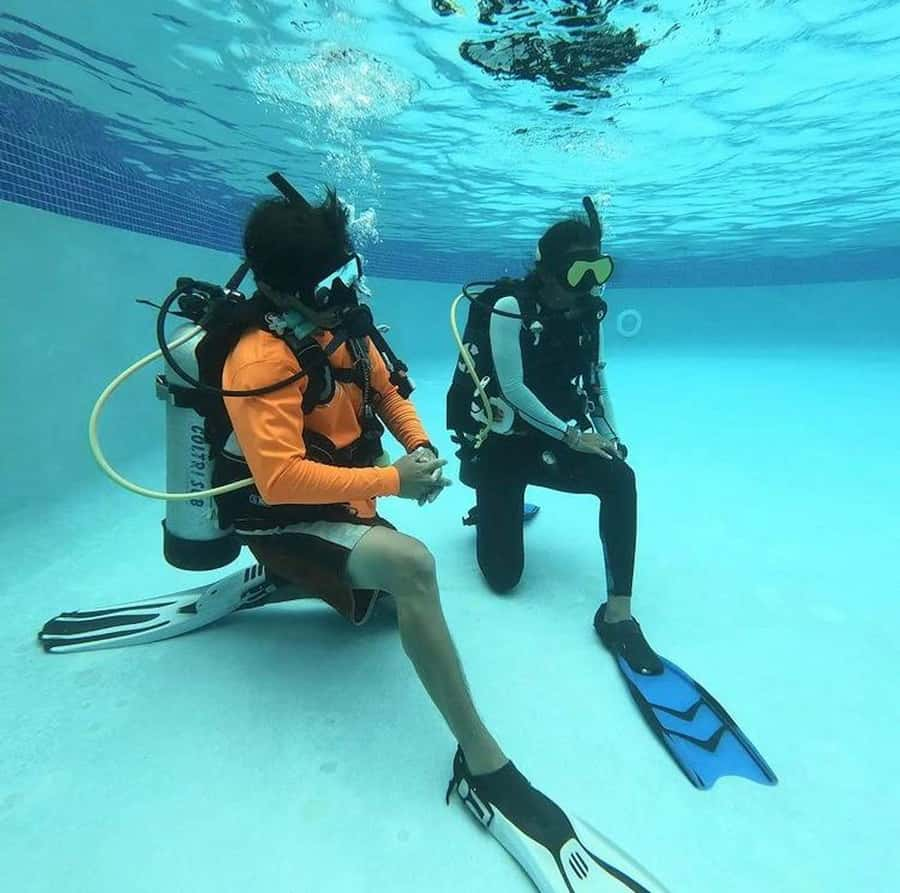
This activity is built around discovery, not certification. You are not expected to arrive with scuba experience. Instead, the instructor explains the basic equipment, shows you how to use hand signals, and introduces the skills needed for a first underwater session.
That makes the setting important. A calm-water environment gives you a less demanding place to learn the basics. For many beginners, the hardest part is not the equipment itself. It is getting comfortable with breathing through the regulator, staying relaxed, and communicating without speaking.
The instructor remains your main point of contact throughout the session. English and Spanish are available, so you can ask questions in either language. A guide named David is specifically associated with the experience, and the strong feedback about his safety focus and teaching suggests that asking for clear explanations is part of the normal rhythm of the outing.
You should still approach this as an introduction. The session can help you decide if scuba is right for you and if you want to pursue certification later. It does not turn you into a certified diver in four hours.
More Scuba Diving for Beginners in the world
- First-Time Scuba Diving in Honolulu + Free Videos
★ 5.0 · 3,123 reviews - Beginner Scuba Diving with Turtles and Videos, San Juan
★ 5.0 · 1,743 reviews - Intro Diving 2 Stops For Beginners with Pick-up and Lunch – Hurghada
★ 5.0 · 1,146 reviews
What the four-hour schedule means
The exact timing depends on the available departure slot, but the activity is planned as a four-hour outing from the marina in downtown Santa Marta. You meet at the marina, pay the local marina entrance fee, collect or receive your equipment, and prepare for the boat ride.
The boat transfer is more than transport. It gives you an early look at Tayrona from the water, where the park appears in a different way than it does from a trail or beach. The information provided does not promise a particular route, reef, animal, or number of underwater sites, so you should avoid booking with a fixed wildlife checklist in mind.
Before entering the water, the PADI professional explains the gear and basic skills. You learn how to use the regulator and other scuba equipment, how to communicate with hand signs, and how to perform simple skills underwater. These lessons matter because they give you a way to handle common beginner concerns without needing to speak.
The underwater portion then lets you apply those skills in a real marine setting. The aim is not speed or distance. It is to help you stay calm, use the equipment correctly, and notice the life below the surface.
The session ends with the return boat ride and included snacks and refreshments. Photos and video are also included, which is a useful touch for a first attempt. You can focus on the instructions rather than worrying about documenting the experience yourself.
Why the small group matters
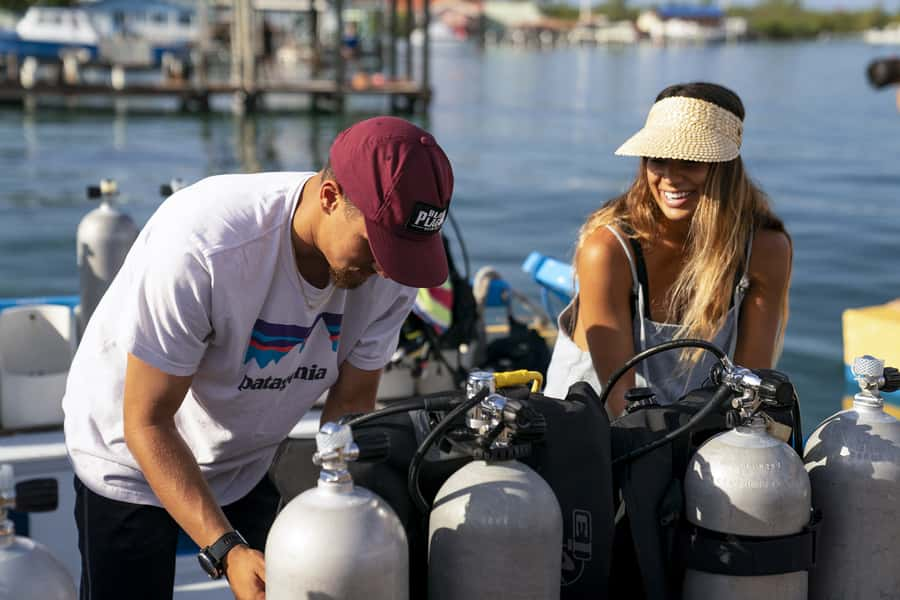
A group limit of four is one of the best features here. Scuba instruction can feel personal, especially when you are learning a new breathing system and a new set of hand signals. A small group gives the instructor fewer people to watch and gives you more space to ask for another explanation.
That matters even more for anyone who feels nervous about trying scuba. You can tell the instructor if you need to slow down, repeat a skill, or get more comfortable before continuing. The small group does not remove every uncertainty, but it makes the teaching feel less like a mass activity.
It also helps the practical side of the day. With fewer people, fitting equipment and discussing the basic rules should be more direct. The activity is still shared with other participants, so you should not expect a private guide and boat. But four people is a useful middle ground between a solo session and a crowded excursion.
Safety is a clear priority. The experience uses a qualified PADI professional, and the instruction covers equipment, communication, and basic skills before you proceed. One participant described the outing as safe and well organized, while another singled out David for combining good teaching with careful supervision. Those are important qualities when your attention is split between the underwater world and your own breathing.
Tayrona from the sea
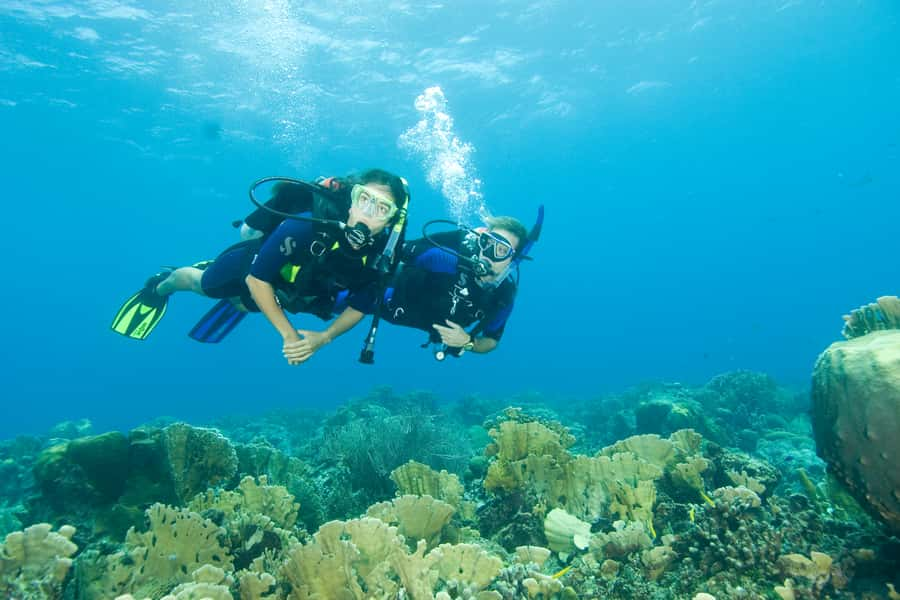
Tayrona National Park is the reason to choose this outing instead of a pool-based introduction. You get a chance to see the park from the boat and then explore the underwater environment around it.
The information for the activity does not identify individual species, named sites, or water conditions for a specific date. That is worth keeping in mind. Marine life changes, visibility changes, and weather can affect the day. You might see a range of sea life, but no responsible booking decision should depend on one particular animal appearing.
The setting still adds real value. You are learning a new skill while surrounded by the coastal scenery of Tayrona. Even if you decide scuba is not for you, the boat ride and time near the park give the outing more character than a lesson held indoors.
The calm-water emphasis is also helpful for beginners. It does not mean the sea will feel exactly like a swimming pool, and conditions remain weather-dependent. Severe weather can cause changes to the excursion. If the forecast looks poor, keep your schedule flexible and check the final arrangements before you set out.
More national park trips around the world
Equipment, instruction, and comfort
All scuba equipment is included. That is important for a first attempt because you do not need to buy, rent, or compare gear before you know if you enjoy the activity.
The instruction covers the practical basics. You learn how to use the gear, communicate with hand signals, and perform basic scuba skills. These are not minor details. Once you are underwater, clear signals and correct equipment use are your main tools for communicating with the instructor.
Bring swimwear and a towel. Sunglasses and a sun hat are useful during the boat portion, while sunscreen helps protect you during time outside. You should also bring a calm attitude and be ready to listen closely. The activity does not allow alcohol or drugs, which is sensible for any water-based session involving breathing equipment and safety instructions.
The outing is not suitable for children under 12, pregnant women, or people with heart, respiratory, or other pre-existing medical conditions. If any medical issue applies to you, treat that restriction seriously and check your own suitability before booking.
Is $138 a fair price?
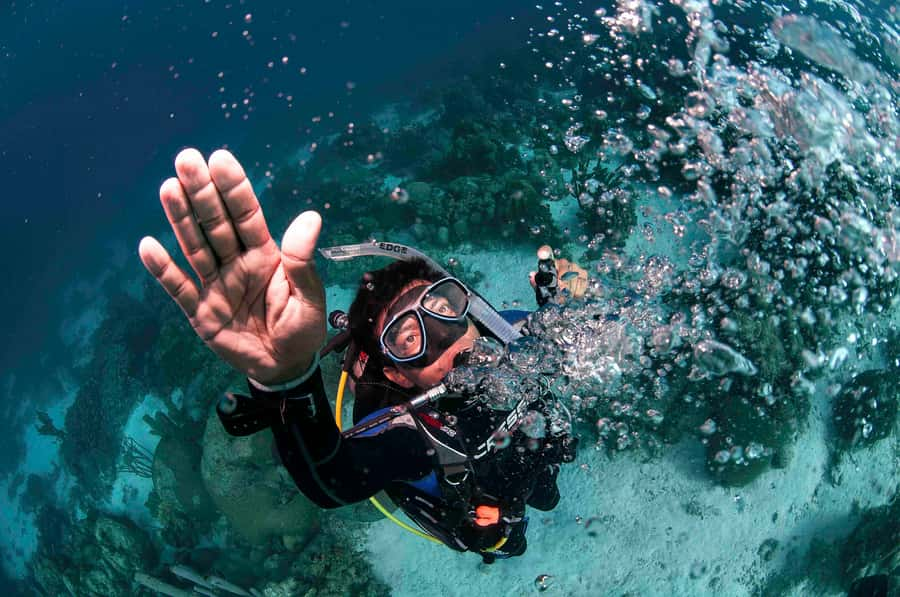
The cost is $138 per person. That is not the cheapest way to spend four hours in Santa Marta, but the package includes several expenses that can add up when booked separately: boat transport, an instructor, all equipment, snacks, refreshments, photos, and video.
The value is strongest if you are genuinely curious about scuba and want a properly guided first session. A lesson, gear package, boat outing, and visual record in one booking saves you from arranging each piece yourself. The small group also gives the price more weight than a large group session would.
The value is weaker if you only want a sightseeing boat ride. This is a skills-based activity. You will spend time learning equipment and safety procedures, not simply sitting back and looking at the coast.
Remember the extra marina entrance charge of 11,000 Colombian pesos, listed as about $3. That fee is not included in the advertised price. Hotel pickup and drop-off are also not included, so you must make your own way to the marina in downtown Santa Marta.
The reserve-now-and-pay-later option can help if your weather window is uncertain. Free cancellation is available up to 24 hours before the activity for a full refund. Those policies are useful, but they do not remove the need to arrive at the stated meeting point on time.
Who will enjoy this activity most?
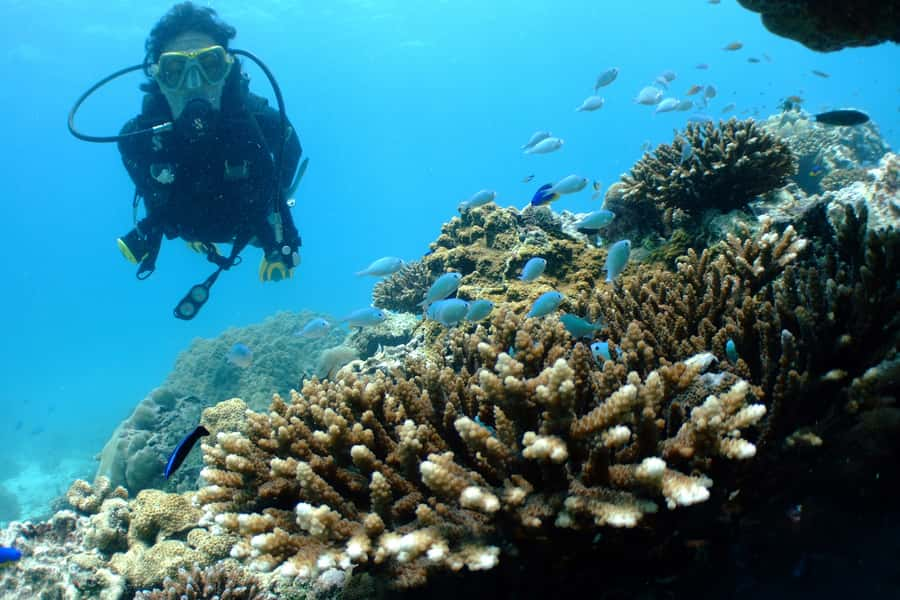
I would choose this for a first-time scuba student who wants a real introduction rather than a quick demonstration in a swimming pool. It suits someone who is curious about taking a certification course later, but who wants to test the basic experience first.
It also works well for a visitor who has already planned time in Santa Marta and wants to see Tayrona in a less familiar way. The sea view and the underwater setting make this a good change of pace from walking trails and visiting beaches.
The activity is less suitable if you dislike structured instruction or want complete independence. You must follow the instructor’s directions, use the equipment correctly, and communicate with hand signals. It is also not a good choice for anyone who cannot meet the listed health requirements.
Language should be manageable for many international visitors because the instructors speak English and Spanish. Still, you should choose the language in which you can best understand safety instructions and ask questions.
Tips for making the day easier
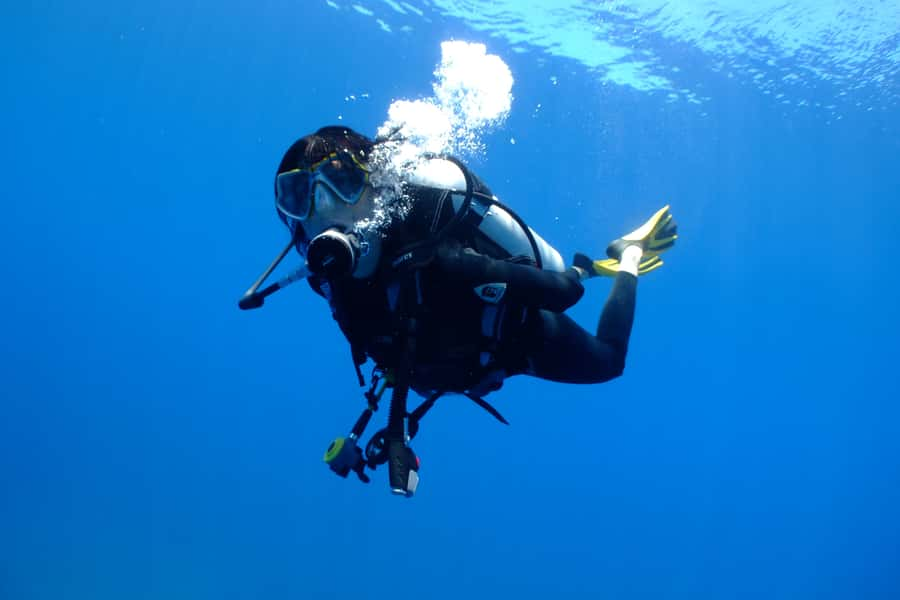
Arrive ready for water, sun, and a little waiting around while equipment and instructions are handled. Wear swimwear under your clothes and bring a towel. Pack sunglasses, a hat, and sunscreen for the boat ride.
Do not schedule an important appointment immediately after the activity. The stated duration is four hours, but marine outings can be affected by conditions and timing at the marina. The activity may change in severe weather, so leave some breathing room in your Santa Marta plans.
Keep your expectations realistic. The photos and video are a welcome inclusion, but the purpose of the outing is to learn and experience scuba, not to produce a polished underwater film. Marine conditions are never fully predictable, and the activity does not guarantee particular animals or visibility.
Most of all, tell the instructor when you are uncertain. A beginner session works best when you ask questions early. The guide can explain a hand signal again, check your equipment, or give you a moment to settle before you continue.
Should you book it?
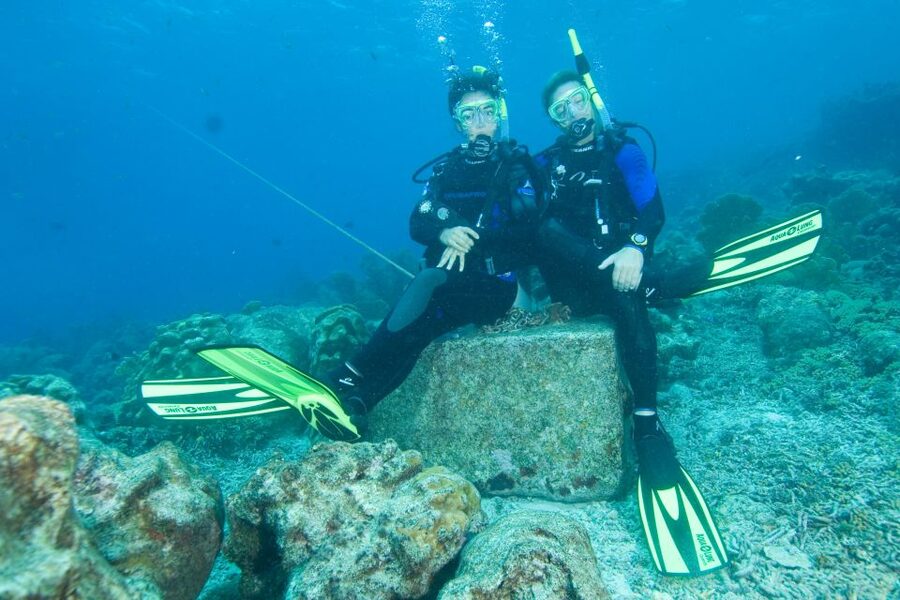
Book this activity if you want a carefully guided first scuba experience in the Tayrona area, especially if a small group and included equipment matter to you. The four-hour format is manageable, the PADI instruction gives the session a proper safety structure, and the boat, refreshments, photos, and video add useful value to the $138 price.
Skip it if you are seeking certification, a long underwater expedition, or a guaranteed list of marine animals. This is a first step, not a full course. For the right beginner, though, it offers a practical way to find out if scuba belongs in your future travel plans.
FAQ
Where does the scuba activity begin?
You meet at the marina in downtown Santa Marta. Exact meeting instructions are provided after booking.
How long does the experience last?
The activity lasts four hours. Starting times vary, so you need to check availability when choosing a date.
Is scuba equipment included?
Yes. All equipment is included, along with the boat ride, instructor, snacks, refreshments, photos, and video.
Can a complete beginner join?
Yes. The session is designed for beginners and teaches basic equipment use, hand signals, and simple scuba skills in a calm-water setting.
What languages does the instructor speak?
Instruction is available in English and Spanish.
Is the marina entrance fee included?
No. The marina entrance costs 11,000 Colombian pesos, listed as about $3, and is paid separately.
Newly logged dives around the world
- Phu Quoc: Scuba Diving Experience for All Levels★ 4.9 · 31 reviews
- Moalboal : Scuba Diving Sardine Run and Turtle Chasing★ 5.0 · 2 reviews
- From Alanya: Scuba Diving Tour with Hotel Transfers★ 3.7 · 3 reviews
- Scuba Diving in Colombo★ 5.0 · 2 reviews
- Scuba Diving in the Volcanic Caldera/shorelines of Santorini★ 4.6 · 5 reviews
- Fuerteventura: Introductory Dive in La Lajita with Pickup★ 4.9 · 68 reviews
- Kemer Scuba Diving with Expert Diving Option★ 4.2 · 45 reviews
- Phuket: Coral Reef Scuba Diving Experience at G Beach Club★ 4.9 · 32 reviews
Scuba Diving for Beginners, side by side.
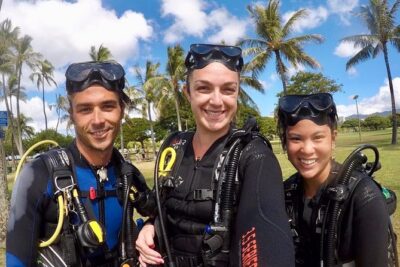
First-Time Scuba Diving in Honolulu + Free Videos
Read our review →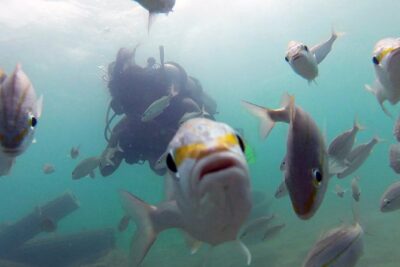
Beginner Scuba Diving with Turtles and Videos, San Juan
Read our review →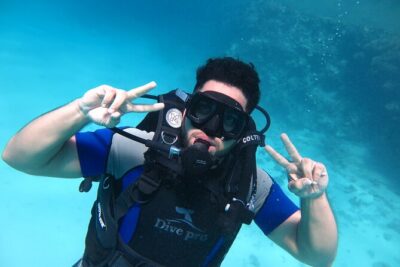
Intro Diving 2 Stops For Beginners with Pick-up and Lunch – Hurghada
Read our review →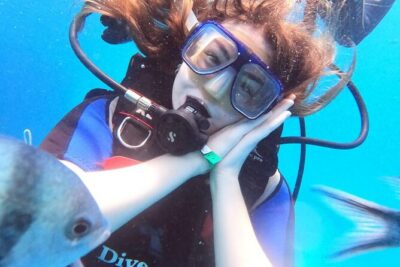
Intro Diving Beginner and Discover Red Sea Underwater
Read our review →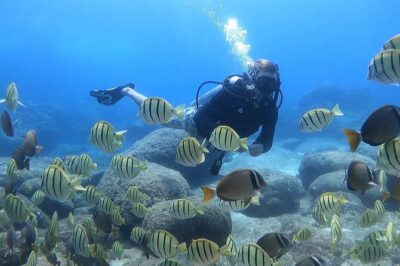
Beginner Scuba Diving Experience with Video Package in Honolulu
Read our review →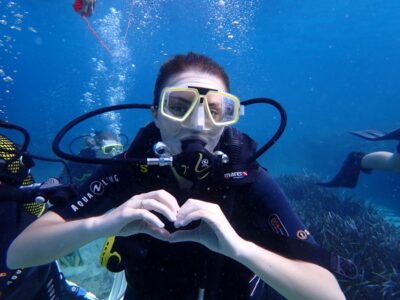
Tenerife: Beginner’s Dive at a Spot with Turtle Sightings
Read our review →Lists this dive is on