
Review · MAURITIUS
Tamarin Bay: Beginners Scuba Diving Experience
The best part of this Tamarin outing is the gentle introduction: you first practice in a swimming pool, then head by boat to calm coastal waters with an instructor beside you. No license or previous experience is required, which removes much of the worry from trying scuba for the first time.
I like the small groups of up to eight and the careful, step-by-step teaching. I also like that the guides keep the pace slow, with one instructor staying close to nervous participants. The main consideration is that the marine life may be pleasant rather than spectacular, and one outing reported limited fish variety.
Key points to know before booking
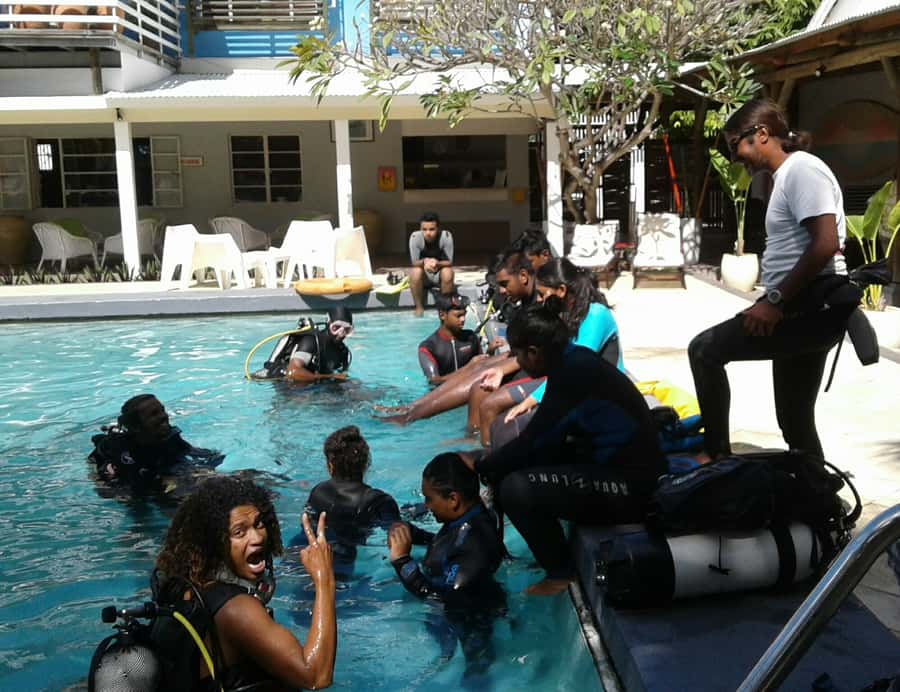
- Pool practice comes first: You learn to breathe underwater and handle the equipment before going to sea.
- About 30 minutes below the surface: One reported session reached roughly 7 meters, a sensible depth for a first attempt.
- Close instructor support: Guides stay beside you during the underwater portion and adjust their help to your comfort level.
- Short boat ride to the site: The trip to the sea site takes about 10 minutes from the center.
- Small-group setting: A maximum of eight participants allows more personal attention than a large boat operation.
- Medical screening matters: Several health conditions require a recent medical certificate, and pregnant people cannot participate.
Why Tamarin is a good place to try scuba
For a first underwater experience, the hardest part is often not the fish. It is getting used to the mask, regulator, fins, and strange sensation of breathing below the surface.
This three-hour activity deals with that problem in the right order. You begin at the center with forms, a safety briefing, and an introduction to the equipment. Then you practice in a pool before going out by boat. That sequence gives you a chance to stop, ask questions, and settle your nerves before the sea enters the picture.
You will not be expected to arrive with technical knowledge. The instructors speak English and French, and the teaching is described as clear, patient, and easy to follow. If you are anxious around the underwater world, that personal support is more important than a fancy boat or a long list of possible fish.
Tamarin is also a practical setting for this kind of first lesson because the activity uses calm, shallow water. You are not being sent straight into a demanding open-water session. The aim is confidence, basic control, and a brief look at the reef environment.
More Scuba Diving for Beginners in the world
- First-Time Scuba Diving in Honolulu + Free Videos
★ 5.0 · 3,123 reviews - Beginner Scuba Diving with Turtles and Videos, San Juan
★ 5.0 · 1,743 reviews - Intro Diving 2 Stops For Beginners with Pick-up and Lunch – Hurghada
★ 5.0 · 1,146 reviews
At the center: paperwork, equipment, and the first safety lesson
Arrive 15 minutes before the stated start time. You will complete medical and safety documents for insurance purposes, so do not treat the forms as a minor administrative detail. They are the point where you disclose conditions that could make underwater breathing unsafe.
The activity provides equipment, insurance, and water. You need to bring your own towel, snacks, sunscreen, a change of clothes, and drinking water. A waterproof camera is allowed and can help you remember the outing, but it should not distract you from listening to the instructor.
Large bags and luggage are not allowed. Alcohol and drugs are also prohibited, and you should not drink alcohol before the activity. Eat lightly rather than arriving after a heavy meal, since a full stomach can feel unpleasant once you are wearing equipment and moving on a boat.
The briefing covers basic equipment and safety procedures. This is where you learn how the breathing system works, how to get comfortable with the mask, and what to do during the basic exercises. Ask questions here. Once you are in the water, simple instructions and calm breathing will matter more than trying to look graceful.
The pool session: your most useful half-hour
The pool is not filler. For a first-time participant, it is likely the most valuable part of the morning.
You get to experience breathing through the regulator without waves, boat movement, or the pressure of a new sea setting. The instructor can watch how you manage the equipment and help you correct small problems before you go outside.
This is also the moment to test your comfort level. Some people adjust quickly. Others need time to get used to putting their face underwater, clearing a mask, or controlling their breathing. The staff are expected to proceed only when you understand the basics, and the experience is built around a patient pace rather than a rushed schedule.
One particularly useful feature is the personal attention. The group limit is eight, and the guidance is close enough that nervous participants can receive direct help. A highly anxious participant described having one instructor nearby from beginning to end, which gives you a good sense of the care available when someone needs extra reassurance.
Do not feel embarrassed if the pool takes longer than expected. This is where you build the calm habits that make the sea portion enjoyable.
The 10-minute boat ride to Tamarin’s reef waters
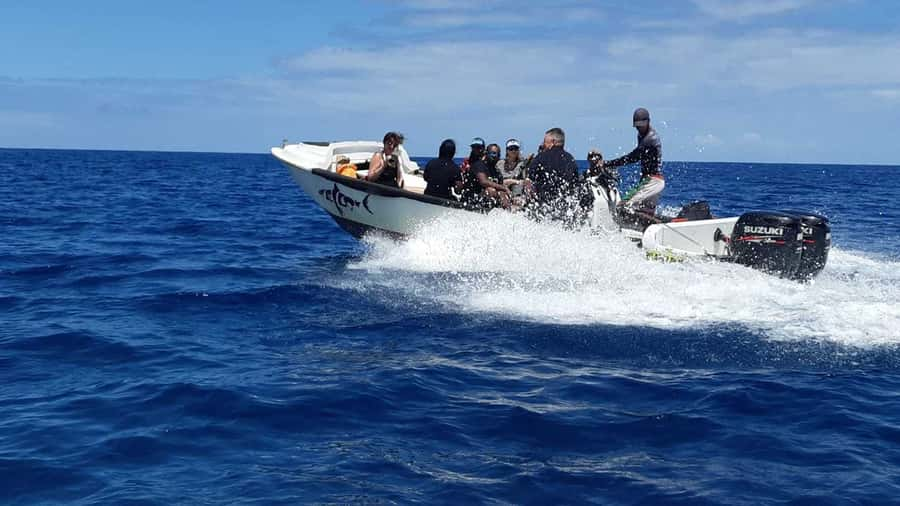
After the pool work and briefing, you board the boat. The ride to the site takes about 10 minutes, so this is not a long transfer that eats up the morning.
You will get ready for the sea session under the instructor’s direction. The short ride keeps the outing compact, but it also means the activity is focused on learning and basic exploration rather than a full day on the water.
The stated conditions are calm and shallow, which suit new participants. Still, the sea is less predictable than a pool. You may need a few minutes to settle again once the boat stops and you enter the water. If you feel nervous, tell the instructor before getting in rather than trying to hide it.
The experience is supervised throughout. That supervision is the central safety feature, especially for people who have never used scuba equipment before.
More scuba diving around the world
- Great Barrier Reef Snorkeling and Diving Cruise from Cairns
★ 4.5 · 3,714 reviews - Oahu Shark Dive
★ 5.0 · 2,903 reviews - Southern Tenerife: 50-Minute Submarine Dive
★ 4.8 · 2,216 reviews - Silfra: Diving Between Tectonic Plates – Meet on Location
★ 5.0 · 2,139 reviews
Below the surface: a short, closely guided exploration
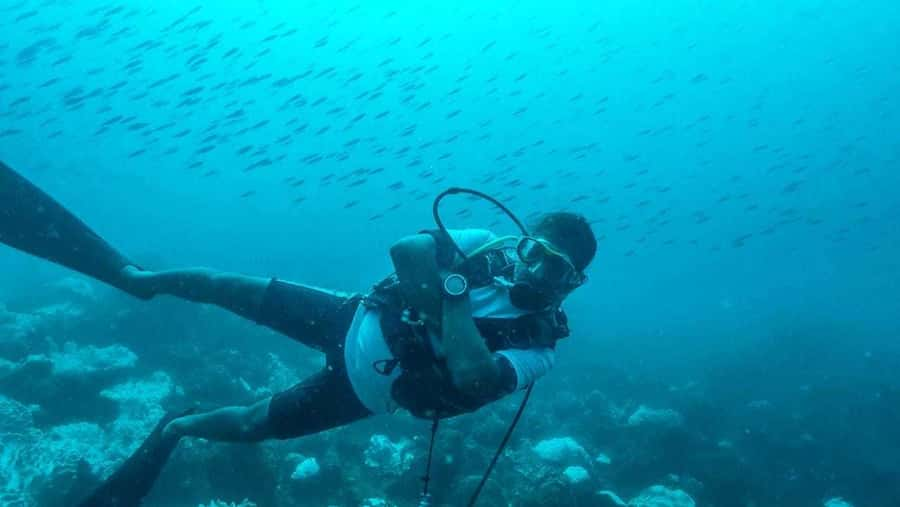
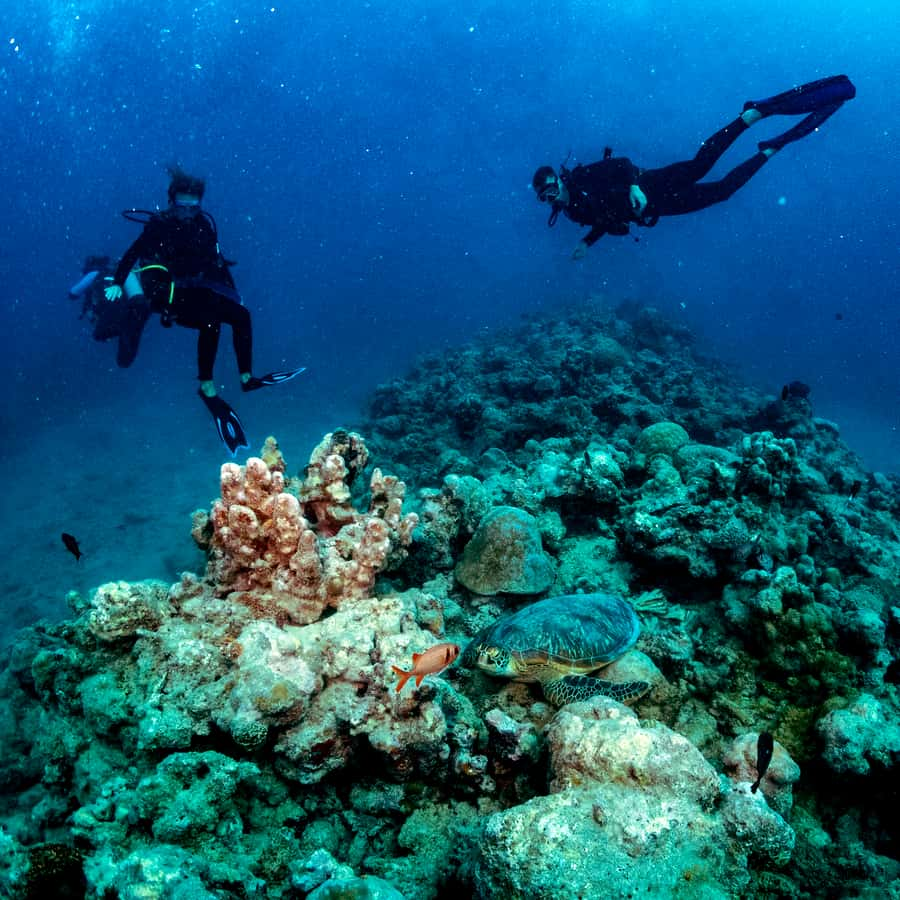
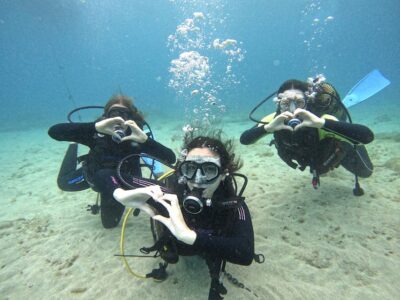
The underwater portion is a brief introduction rather than an advanced reef expedition. You can expect a supervised exploration with an instructor close by, along with the chance to see reef fish and coral.
One participant reached about 7 meters and spent more than 30 minutes underwater. That gives you a useful sense of the scale: this is enough time to get a real feel for the activity, but not a long technical session.
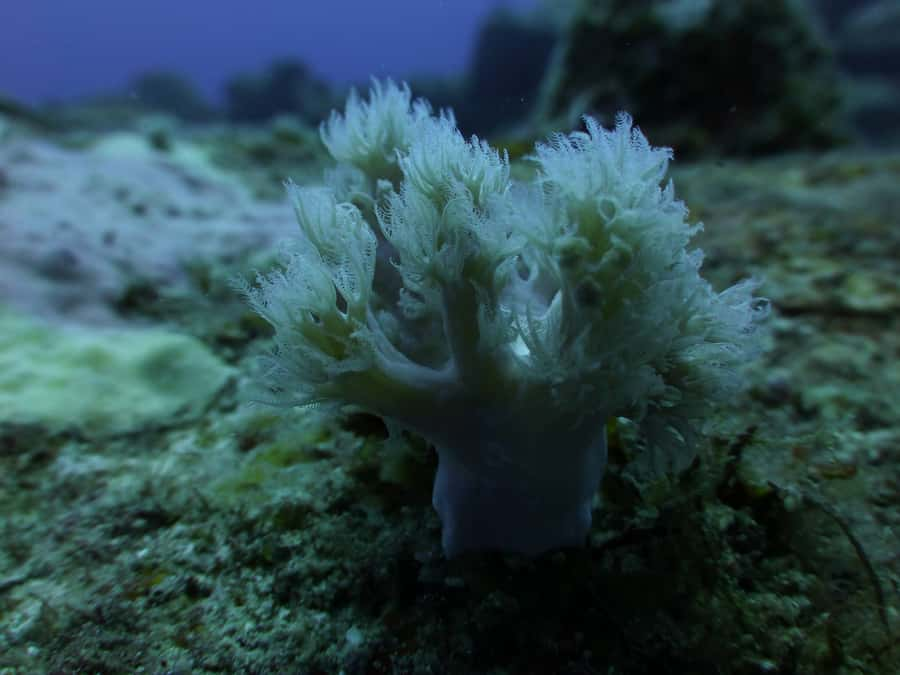
You might see attractive fish and coral, but keep your expectations measured. The experience is designed around comfort and first-time instruction, not maximum marine variety. One account found the fish selection limited and felt that a site nearer the coral barrier might offer more to see.
That is the tradeoff. Calm, shallow water and close supervision are exactly what make this suitable for a beginner. The same conditions may mean fewer dramatic sights than you would find on a more ambitious reef trip.
I would focus on the sensation of breathing underwater, moving slowly, and learning how the equipment responds. For a first outing, those are the real highlights. The fish are a bonus.
What the instruction is like for nervous beginners
The strongest part of this experience is the human side. The teaching is described as clear, patient, and professional, with instructors checking that participants understand before moving on.
That matters because early scuba nerves can arrive suddenly. A participant who felt very uneasy around the underwater world received close support from an instructor throughout the session and found the staff reassuring and good-humored. You can expect the team to take time with people who need it rather than pushing everyone through at the same speed.
The instructors also appear to adjust their approach to different comfort levels. That is useful if you are traveling with a partner or friend who is more confident than you. You can share the outing without needing identical levels of enthusiasm.
The group limit of eight is not the same as a private lesson, but it is small enough to make personal attention realistic. If you want one instructor dedicated only to you, ask about that before booking. The stated format is a small group, not a private charter.
Is $109 good value for three hours?
At $109 per person, this is not the cheapest water activity in Mauritius. The value depends on what you want from the morning.
You are paying for a structured first lesson, equipment use, insurance, pool practice, boat transport to the site, instructor supervision, and the underwater session. For someone who wants to try scuba without first taking a certification course, that package is reasonably strong.
The price is easier to justify if you are nervous and want proper support. The instructors do more than hand you equipment and point toward the water. You receive an orientation, practice time, and direct guidance during the sea portion.
It is less compelling if your main goal is a long reef outing with a wide range of fish. The underwater exploration is short, and marine life can vary. One participant specifically wished for a location closer to the coral barrier, where there might be more fish.
Food, towels, transfers, and snacks are not included. Add the cost and time of getting to the center yourself, and remember to bring the practical items listed above. Reserve-and-pay-later booking and free cancellation up to 24 hours ahead make the commitment easier, especially if your plans around Mauritius are still shifting.
Who should book this Tamarin experience?
I would recommend it to adults and older children who are curious about scuba but do not yet hold a certificate. The minimum age is 10, and the calm water, pool orientation, and small group format make it a sensible first step.
It is especially suitable if you want:
- A short introduction instead of a full certification course
- Patient instruction in English or French
- A pool session before entering the sea
- Close support from an instructor
- A modest underwater outing rather than a full-day commitment
- The chance to meet a few other people in a small group
You should think twice if you want an advanced reef trip, a long underwater session, or a guarantee of abundant marine life. The focus here is confidence and safety first.
The activity is not suitable for people with mobility impairments, heart problems, respiratory issues, epilepsy, kidney problems, high blood pressure, recent surgery, or other pre-existing medical conditions unless the required medical approval is provided. Asthma, lung or chest conditions, seizures, fainting, previous decompression sickness, heart surgery, ear surgery, hernia, ulcers, colostomy, and certain psychological conditions are among the issues specifically flagged.
A recent medical certificate may be required. Pregnant people cannot participate, people over 70 are excluded, and you should not book if you have been underwater within the previous 24 hours.
Practical preparation for a smoother morning
Wear comfortable swimwear and bring a towel, dry clothes, sunscreen, water, and a small snack. Leave luggage and large bags behind.
Have a light meal before you arrive. You do not want to be hungry, but a heavy breakfast can feel uncomfortable once you are wearing equipment and moving around on a boat.
Do not drink alcohol beforehand. Arrive 15 minutes early so the paperwork does not cut into the briefing or pool practice.
If you are uneasy, say so immediately. The staff can only adjust the pace if they know how you feel. The most useful attitude is to treat the session as a lesson, not a test. You do not need to impress anyone.
Should you book this first scuba experience?
Book it if you want a careful, friendly introduction to breathing underwater and prefer close supervision over a more ambitious reef outing. The pool practice, small groups, and calm water make the format particularly suitable for a first attempt, while the instructors appear to be patient with people who arrive nervous.
Skip it if you are mainly seeking a spectacular marine-life count or a long session below the surface. The outing can show you fish and coral, but the underwater route is short and the variety is not guaranteed.
For the right person, $109 buys more than a boat ride. It buys a controlled first step into scuba, with time to learn the basics before the sea. That is a sensible way to find out if this activity is for you.
FAQ
Do I need a scuba license or previous experience?
No. The activity is intended for first-time participants and does not require certification or prior experience.
How long does the activity last?
The full experience lasts three hours. This includes the forms, briefing, equipment preparation, pool practice, boat ride, and underwater session.
How deep will I go?
The activity takes place in calm, shallow waters. One reported session reached about 7 meters, but the exact depth can vary.
How long will I stay underwater?
One reported session lasted more than 30 minutes underwater. The exact time depends on the group, conditions, and your comfort level.
What languages do the instructors speak?
Instruction is available in English and French.
What is included in the price?
The price includes insurance, use of scuba equipment, and water. Food, towels, and transfers are not included.
What should I bring?
Bring a towel, snacks, sunscreen, water, a change of clothes, and a waterproof camera if you want to take pictures. Large bags and luggage are not allowed.
Can I participate if I have a medical condition?
Some medical conditions require a recent certificate confirming that you are fit for scuba. These include respiratory or heart problems, epilepsy, high blood pressure, recent surgery, and several other conditions. Pregnant people cannot participate, and you should check the medical requirements before booking.
Newly logged dives around the world
- PADI Open Water Diving Course Tenerife★ 5.0 · 8 reviews
- Tamarin: Exploration Dive★ 4.7 · 2 reviews
- Sunshine Coast: Scuba Dive the Ex-HMAS Brisbane Ship Wreck★ 4.8 · 5 reviews
- SUMMER ON A SAILBOAT: sailing, diving, aperitiv and fun…★ 5.0 · 4 reviews
- Sydney: Discover Scuba Dive at Australia’s most Iconic Beach★ 4.8 · 20 reviews
- SSI Try Scuba Diving in the sea★ 4.8 · 43 reviews
- Southpoint Divers: Afternoon Reef Dive Trip★ 4.0 · 5 reviews
- Split-Makarska-Brela Try SCUBA Dive★ 5.0 · 18 reviews
Scuba Diving for Beginners, side by side.
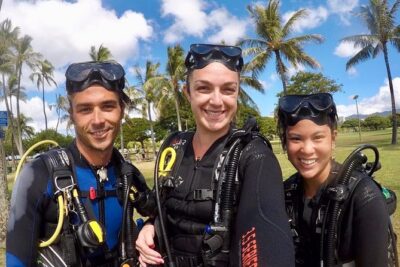
First-Time Scuba Diving in Honolulu + Free Videos
Read our review →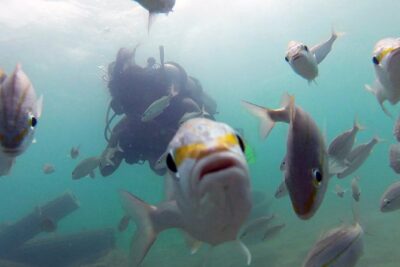
Beginner Scuba Diving with Turtles and Videos, San Juan
Read our review →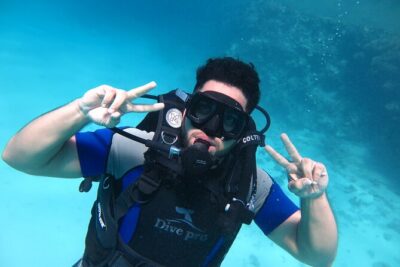
Intro Diving 2 Stops For Beginners with Pick-up and Lunch – Hurghada
Read our review →
Intro Diving Beginner and Discover Red Sea Underwater
Read our review →
Beginner Scuba Diving Experience with Video Package in Honolulu
Read our review →
Tenerife: Beginner’s Dive at a Spot with Turtle Sightings
Read our review →Lists this dive is on