Review · INDONESIA
Bali/Nusa Penida: 3 Fun Dives to Manta Point, Mola & Reef
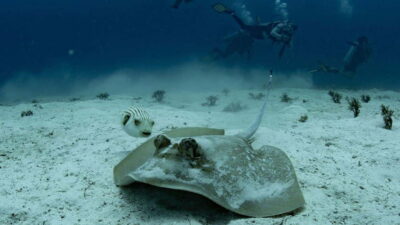
Manta rays are the main event here, and Manta Point can deliver close views of these graceful animals in open water. From Sanur, you head by fast boat to Nusa Penida for three guided scuba sessions, with Crystal Bay and a reef site adding coral, turtles, rays, octopuses, and schooling fish to the day.
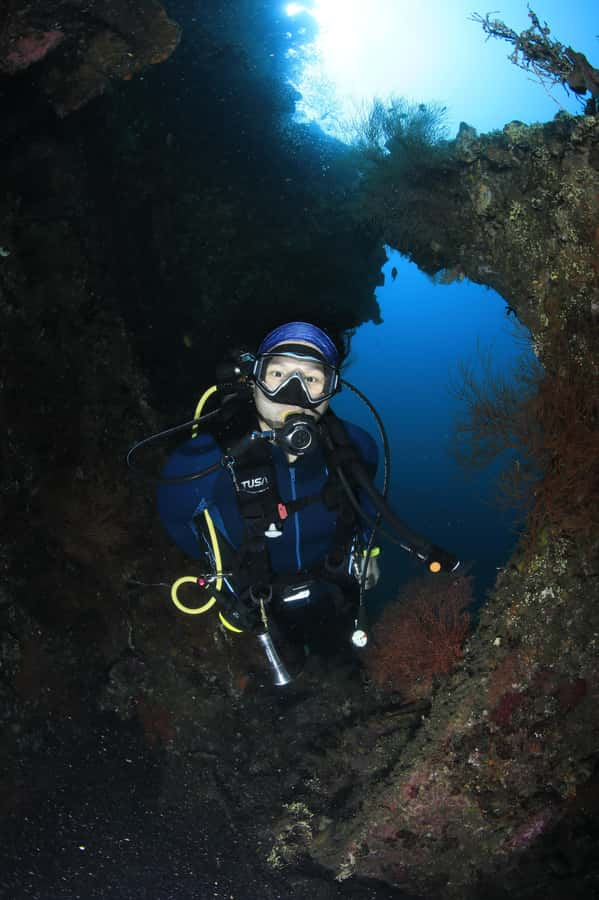
I like the simple setup: hotel pickup or a Sanur meeting point, plus boat transport, tanks, weights, snacks, and park fees in one price. I also like the personal touch from guides such as Ketut, who is praised for careful guidance and taking underwater photos. The catch is the sea crossing, which can be bumpy, and the site plan may change with weather and currents.
Key points to know before booking
- Manta Point is the star stop: Manta sightings are common year-round, though nature never guarantees a show.
- Mola-mola are seasonal: Your best odds for sunfish come from July through October, especially around Crystal Bay.
- Three guided underwater sessions are included: The schedule combines a manta site, a bay site, and a reef stop.
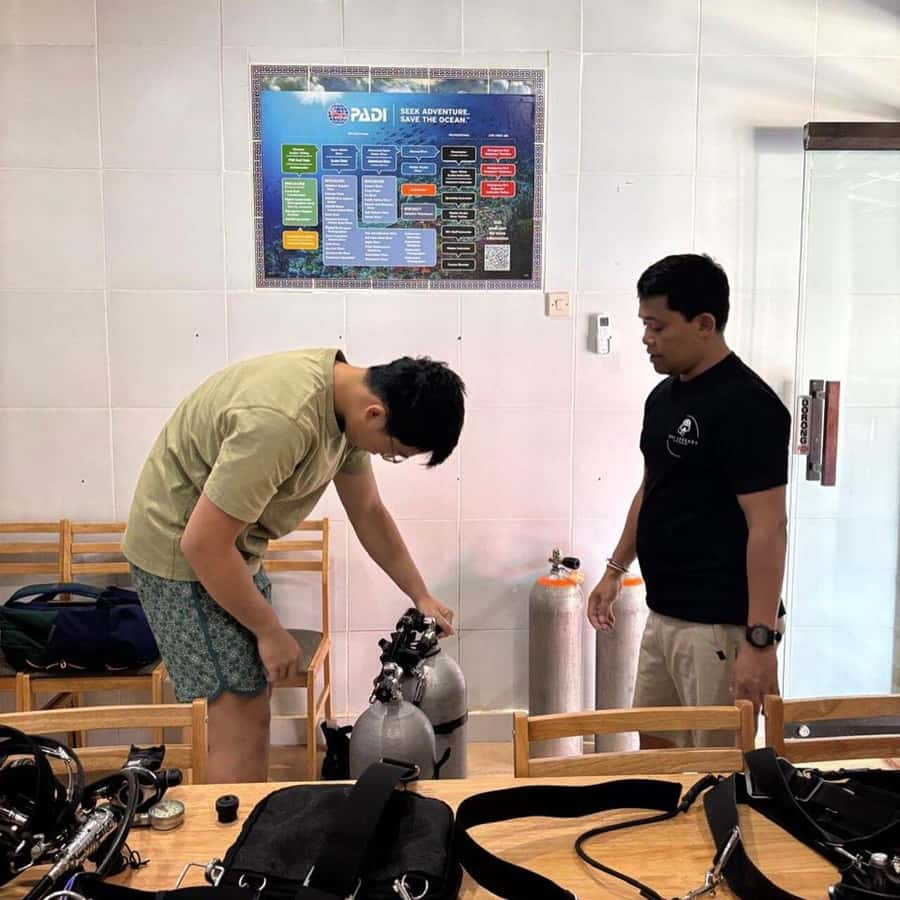
- This is for certified scuba participants only: Bring your Open Water or higher certification card.
- The fast boat takes time: Expect about 45 minutes to one hour each way, with a potentially rough ride.
- Full personal gear costs extra: Tanks, weights, and a belt are included, while a complete equipment set costs IDR 400,000 per person.
Why Manta Point makes this trip special
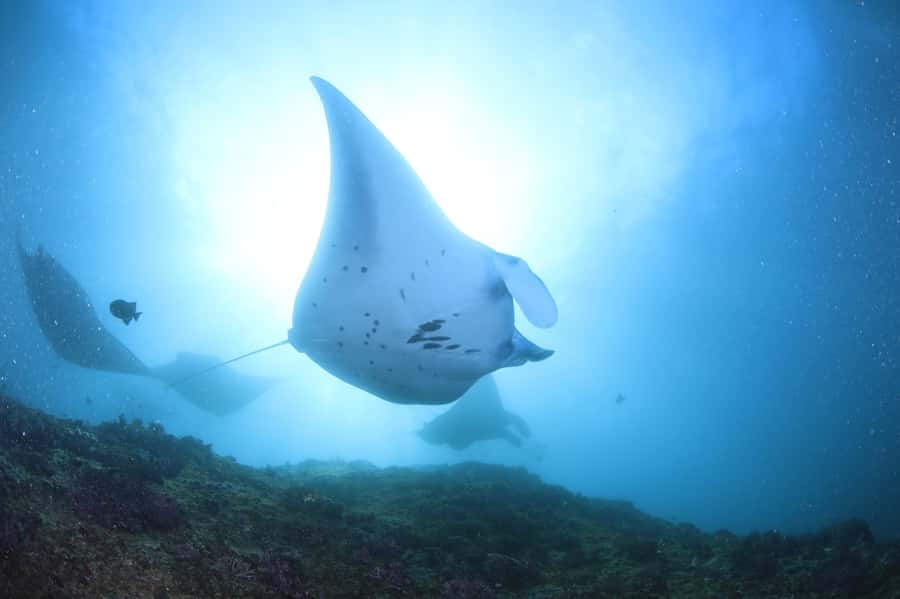
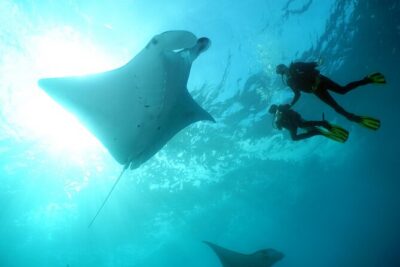
If you have one reason to book this outing, it is Manta Point. The area is known for manta rays, and sightings are possible throughout the year. The animals may glide past at close range, circle in the blue, or remain farther away depending on visibility, current, and luck.
That uncertainty is part of the deal. This is a wildlife outing, not an aquarium visit. The guides can take you to the right site and help you move calmly through the water, but they cannot order the mantas to appear.
Conditions matter at Nusa Penida. Current, swell, and visibility can shift quickly, so the planned sites may change. That is not necessarily a bad sign. A responsible operator should favor a suitable site over sticking rigidly to a printed schedule.
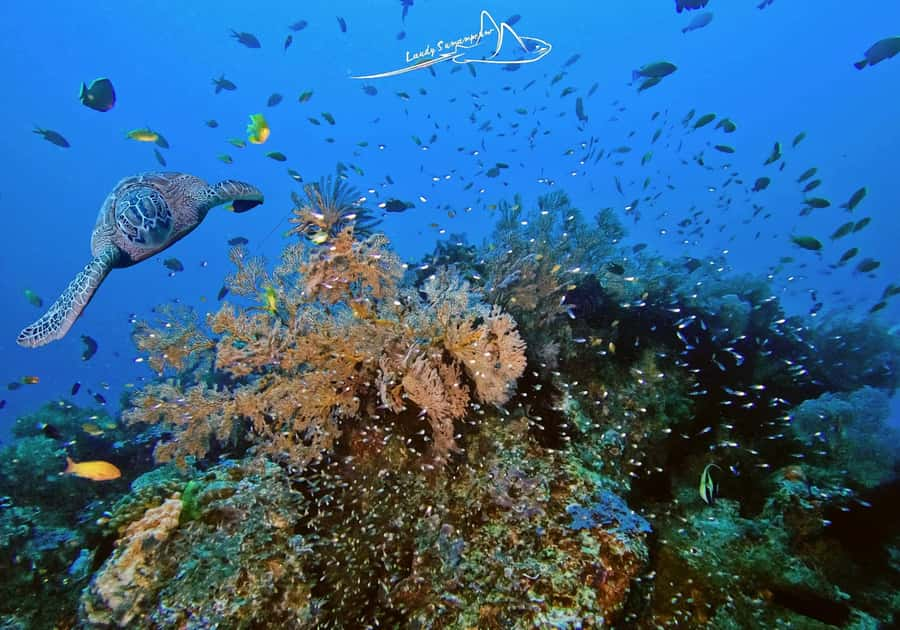
The underwater list can extend well beyond mantas. You might see turtles, stingrays, octopuses, reef fish, and coral formations. One recent itinerary produced many mantas along with turtles, stingrays, octopuses, and plenty of fish, while another included a broad mix of fish and coral life.
More Fun Dives in Indonesia
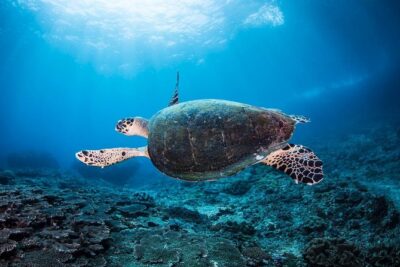
- 5 Fun Dives in Nusa Lembongan (for certified divers) – Swim with a Mola Mola
★ 5.0 · 205 reviews - Two fun dives morning trip (Certified Divers only)
★ 5.0 · 170 reviews - 7 Fun Dives in Nusa Lembongan (for certified divers) – Premium Value Package
★ 5.0 · 118 reviews
From Sanur harbor to Nusa Penida
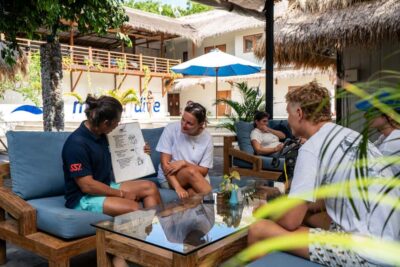
The day begins either with hotel pickup or at Bali Legends Dive Center in Sanur. Pickup is offered from Sanur, Denpasar, Kuta, Seminyak, and Jimbaran. Outside those areas, an extra charge may apply.
If you meet at the center, go to reception with your booking confirmation and certification card. Staff handle registration and transport arrangements there. If you use hotel pickup, keep your WhatsApp number active. The driver contacts you about the pickup time, generally the day before or as much as two hours before departure.
Once the group reaches Sanur Harbour, you receive a safety briefing before boarding the shared speedboat. The listed crossing takes about 45 minutes outbound and roughly one hour on the return. In real terms, prepare for a fast, exposed ride that may feel quite bumpy.
Pack light and keep valuables dry. Sunglasses, a sun hat, sunscreen, swimwear, a towel, and dry clothes all belong in your day bag. The boat provides bottled water and light snacks, but this is not a full restaurant meal on board.
The long transfer is worth considering before you book. If you dislike rough water or want a relaxed day with little transit, this may feel tiring. If your priority is seeing Nusa Penida underwater, the crossing is the price of admission.
First stop: Manta Point
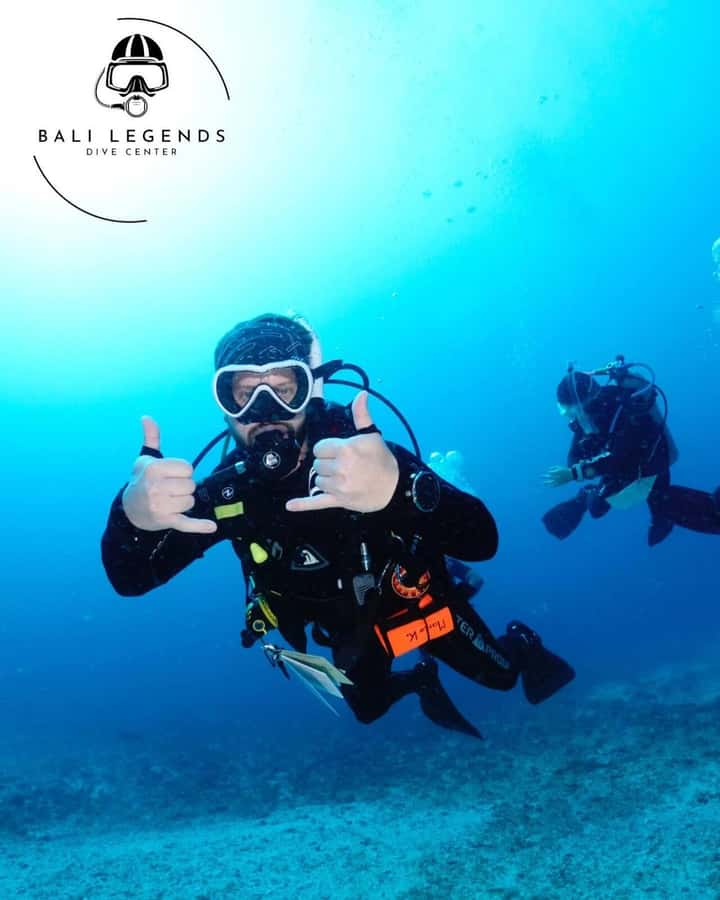
Manta Point usually comes first in the schedule, after the boat reaches Nusa Penida. You receive your equipment, listen to the guide, and enter the water for the first of three sessions.
The appeal is immediate. Manta rays are large, elegant, and surprisingly calm as they pass through the water. You may spend the session watching them approach, turn, and disappear into the blue. Keep your movements controlled and never touch the animals.
You need to manage your expectations around visibility. A cloudy day, swell, or current can make the manta encounter less clear than the postcard version. The conditions are not controlled by the operator, and the decision to alter a site can protect both safety and enjoyment.
The guide’s role matters most here. Stay close, follow the briefing, and avoid chasing wildlife. Ketut is specifically noted for friendly, professional guidance and for helping with underwater photos and video. That can be a real benefit if you want a record of the encounter without trying to handle a camera while managing your own position.
Crystal Bay and the mola-mola season
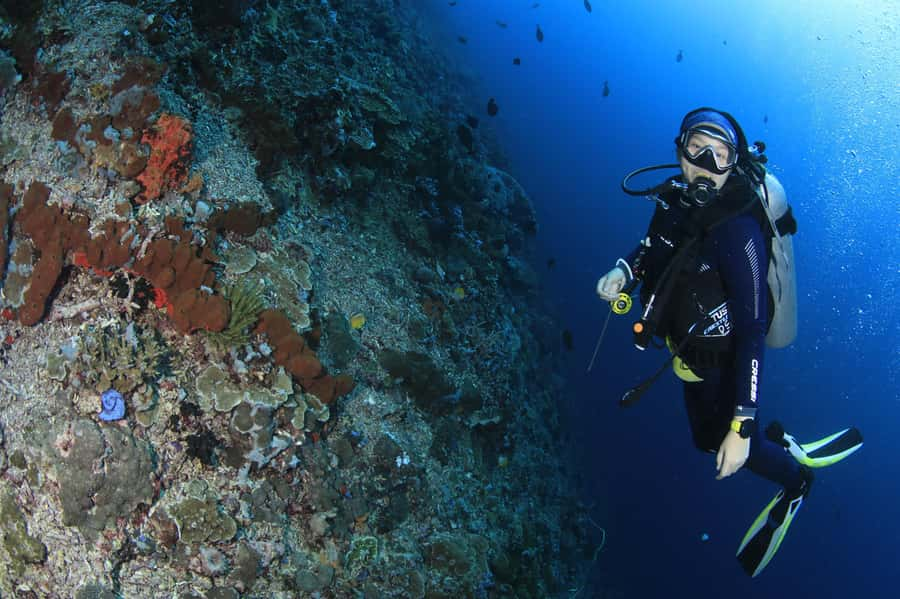
Crystal Bay is the second planned site and the place most associated with mola-mola, also called ocean sunfish. These unusual animals are seasonal, with the strongest window listed as July through October.
A visit outside those months can still be worthwhile. Crystal Bay offers a change from the manta stop, and you may see reef fish, coral, rays, or other marine life. But you should not book this trip in January or February expecting a reliable mola-mola encounter.
Crystal Bay can also bring changing conditions. The guide may adjust the plan based on sea conditions, current, and visibility. That flexibility is useful, especially for certified participants who understand that site selection is part of responsible scuba operations.
The second session can feel different from the first. Manta Point is about open-water wildlife and anticipation. Crystal Bay may reward patience and careful observation, with smaller reef creatures filling in the gaps if the sunfish do not appear.
More manta ray dives in Indonesia
- Scuba Diving in Nusa Penida – Manta Point
★ 5.0 · 198 reviews - Bali Diving Day Trip-Manta Point/Tulamben Shipwreck-Fun Dive
★ 5.0 · 104 reviews - Manta Dive Gili Trawangan: Discover Scuba Diving
★ 4.8 · 41 reviews - Try Diving in Manta Point – Nusa Penida
★ 5.0 · 41 reviews
The secret lunch stop and third reef session
After the first two water sessions, the boat stops at an undisclosed location for lunch. The included meal is described as a lunch box, with snacks and bottled water also provided. Do not expect a long restaurant break or an extensive menu.
This short stop gives you time to eat, drink, and reset before the final session. Bring a change of clothes if you dislike sitting in damp swimwear, and keep a towel handy. The tropical sun can be strong, but the boat ride and wet clothing can also leave you chilled.
The final site is SD Point. It is a reef stop rather than another headline wildlife location, and that is useful for the day’s balance. You have a chance to look for coral, fish, and smaller sea life after the larger-animal focus of Manta Point and Crystal Bay.
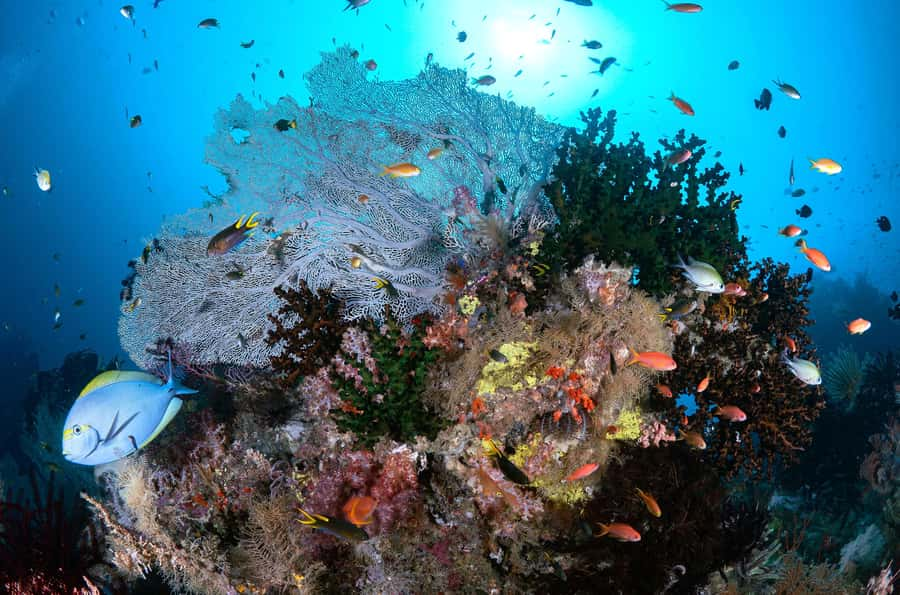
Reports from the trip describe coral, many fish species, turtles, stingrays, and octopuses across the sites. That makes the third session more than a filler stop. It gives the guide room to choose a reef area suited to the conditions and to the group’s pace.
After SD Point, the boat returns to Sanur Harbour. The return crossing may take about an hour. At the harbor, staff help with the final arrangements before hotel drop-off or the return to the Sanur center.
What is included, and what costs extra
At $197 per person, this is not the cheapest way to get into the water around Bali. The price makes more sense if you use the included transport and need a guided three-session day around Nusa Penida.
Included are:
- Three guided sessions around Nusa Penida
- A certified guide from PADI or an equivalent agency
- Tanks, weights, and a weight belt
- Shared speedboat transfers
- Marine park and site entry fees
- Bottled water and light snacks
- A lunch box
- Pickup and drop-off in listed south Bali areas, or a Sanur meeting option
Personal equipment is the main extra cost. A complete set containing BCD, regulator, wetsuit, fins and boots, mask, and snorkel costs IDR 400,000 per person. Ask ahead if you need a dive computer or any other item.
One important practical point concerns certification paperwork. Bring your certification card, and confirm in advance how the operator handles cards from agencies other than PADI. A problem was reported when SSI participants wanted their sessions validated by a PADI center. That does not necessarily affect your ability to take part, but it could matter if you need an official log or agency recognition afterward.
Dive insurance is recommended but not included. This is a sensible extra for any scuba day, especially one involving boat travel and multiple sites. Certification itself is also not included, and non-certified participants cannot join this activity.
Equipment, guides, and group comfort
The equipment has received strong praise from some participants, with one person describing it as very good quality and almost new. Still, equipment needs are personal. Tell the staff your sizes, weight requirements, and preferred belt setup before entering the water.
A specific complaint involved weight belts and a requested dive computer not being provided as expected. Another participant felt that staff did not listen closely enough to weight needs at first. I would handle this directly at check-in: state how much weight you normally use, ask where it will be placed, and confirm every item before boarding.
The guides are a major part of the experience. Ketut is named for patient, friendly instruction and for taking photos and videos. The guide team speaks English and Indonesian, and all underwater sessions are led by a certified guide.
This is a small-group style outing, but an exact group size is not provided. You should expect to share the boat and work within the guide’s pace. If you want a private guide or fully customized site plan, ask before booking rather than assuming it is included.
Safety, fitness, and the right level of experience
You must be a certified scuba participant at Open Water level or above. This is not suitable for non-swimmers, and it is not a first-time introductory session.
The day includes three sessions, boat transfers, and time in tropical water. You should be comfortable with your own certification skills and able to manage basic equipment while following a guide. If you have not been underwater for a long time, consider a refresher before this trip.
The activity is not suitable for pregnant women, wheelchair users, people with altitude sickness, babies under one year, or people over 70. The information also lists people over 95 as unsuitable, which is inconsistent with the separate over-70 restriction. If age affects your eligibility, confirm directly with the operator before paying.
Do not touch manta rays, mola-mola, turtles, coral, or any other animals. Littering is not allowed, and riding animals is prohibited. Those rules are basic, but they matter in a busy marine area where calm behavior protects both wildlife and people.
When should you go?
For mantas, the stated season is year-round. That gives you flexibility when planning a Bali trip, but sightings are never guaranteed.
For mola-mola, aim for July through October. Even in that period, conditions and animal behavior remain unpredictable. If the sunfish are your main goal, book in the seasonal window and accept that the trip still includes two other sites for a reason.
Weather can affect the schedule in any month. Site changes are possible, and a postponed or altered stop may be the safer choice. The free cancellation policy allows cancellation up to 24 hours ahead for a full refund, which is useful when your schedule is still taking shape.
Who should book this Nusa Penida trip?
I would recommend it to a certified participant who wants a full marine day without arranging separate harbor transfers, boat tickets, guides, and park fees. It suits someone who values manta rays but also wants reef time and a chance at mola-mola.
It is especially practical if you are staying in Sanur, Kuta, Seminyak, Jimbaran, or Denpasar. The pickup option removes one of the day’s chores, while the Sanur meeting point works well if you prefer to make your own way there.
I would hesitate if you need a private schedule, a guaranteed mola-mola sighting, or a quiet boat ride. I would also pause if your certification is from a different agency and you need official session validation. Ask about certification recognition, computers, and equipment before booking.
Should you book it?
Book this trip if Manta Point is high on your Bali list and you are happy to trade a bumpy boat ride for three guided sites around Nusa Penida. The combination of manta rays, seasonal mola-mola, reef life, transport, park fees, and a lunch box gives the $197 price reasonable value for a full day.
Before you commit, confirm your equipment rental, certification paperwork, and pickup time. Choose July through October if mola-mola matter most. For everyone else, the strongest reason to go is the chance to see mantas while a local guide handles the water logistics.
FAQ
Is this activity suitable for beginners?
No. It is for certified scuba participants only, with Open Water certification or higher. Non-swimmers and people without certification cannot join.
What certification should I bring?
Bring your scuba certification card. If your certification is from an agency other than PADI, confirm in advance how the center handles session validation.
Are hotel pickup and drop-off included?
Pickup and drop-off are included from Sanur, Denpasar, Kuta, Seminyak, and Jimbaran. Pickup from other areas may cost extra. You can also meet at Bali Legends Dive Center in Sanur.
What equipment is included?
Tanks, weights, and a weight belt are included. A complete personal equipment set with BCD, regulator, wetsuit, fins and boots, mask, and snorkel costs IDR 400,000 per person.
When is the best time to see mola-mola?
The best listed months are July through October. Manta rays may be seen year-round, but no wildlife sighting is guaranteed.
How long is the boat ride to Nusa Penida?
The outbound speedboat ride is listed at about 45 minutes, while the return takes about one hour. Conditions can make the crossing feel bumpy.
What happens if weather or sea conditions change?
The dive sites may be changed based on weather or sea conditions. The day still includes three guided sessions when conditions allow.
More Reef Diving in Indonesia
- Great Barrier Reef Snorkeling and Diving Cruise from Cairns
★ 4.5 · 3,714 reviews - Ocean Freedom Great Barrier Reef Luxury Snorkel and Dive Cruise
★ 5.0 · 1,895 reviews - Cairns: Premium Snorkelling and Diving Reef Day Trip
★ 4.7 · 1,528 reviews - Cairns: Outer and Coral Cay Snorkel and Dive Cruise
★ 4.8 · 1,467 reviews
Newly logged dives around Indonesia
- Manta Dive Gili Trawangan: Discover Scuba Diving★ 4.8 · 41 reviews
- Gili Meno: Discover Scuba Diving for the first time★ 5.0 · 5 reviews
- Gili Trawangan : Discovery Scuba Diving★ 4.8 · 38 reviews
- Bali: Padangbai Blue Lagoon Scuba Diving Private Tour★ 5.0 · 3 reviews
- Bali: Try Scuba Diving day trip to Nusa Penida pool+2 dives★ 5.0 · 2 reviews
- Bali: 2-Day PADI Advanced Open Water Course★ 5.0 · 4 reviews
- Amed: Guided Scuba Dive for Beginners/Non Certified divers★ 5.0 · 2 reviews
- Tulamben Diving Tour Shipwreck USS Bali★ 5.0 · 13 reviews
Manta Ray & Mola Dives, side by side.
5 Fun Dives in Nusa Lembongan (for certified divers) – Swim with a Mola Mola
Read our review →
Bali Diving Day Trip-Manta Point/Tulamben Shipwreck-Fun Dive
Read our review →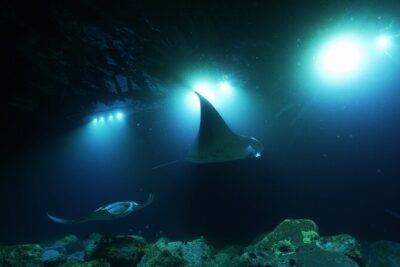
Manta Dive Gili Trawangan: Discover Scuba Diving
Read our review →
Scuba Diving Nusa Penida Manta Point 3 dives for certified divers
Read our review →